TR
TR EN
EN

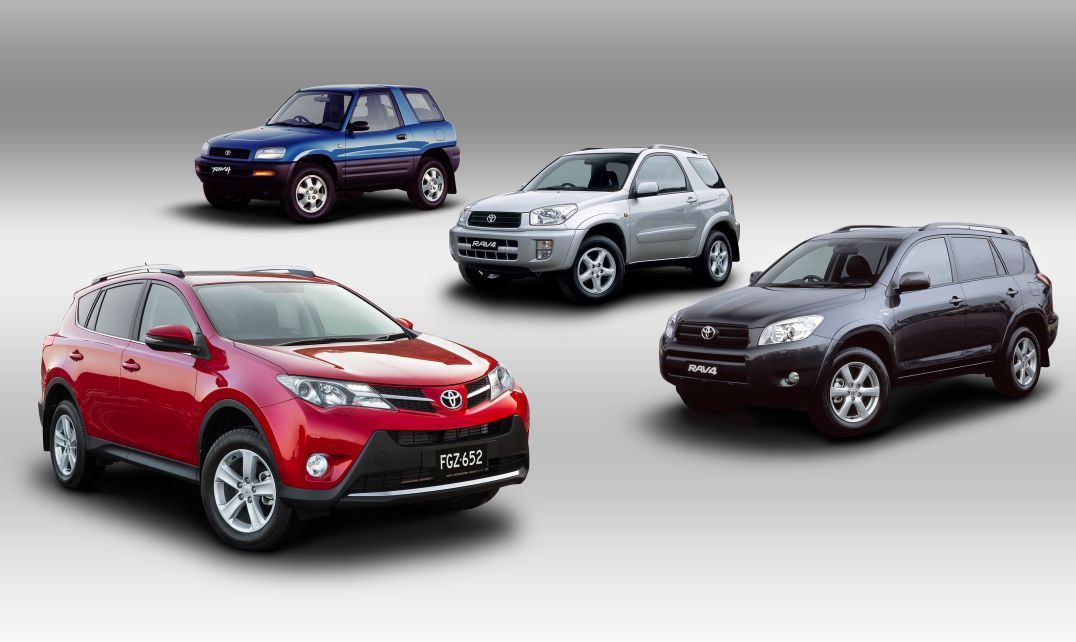
Is a Used Toyota RAV4 Worth Buying? Toyota RAV4 Common Problems and Failures
Toyota RAV4 is one of the best-known compact crossover SUVs on the second-hand market. It combines a practical interior, good ground clearance, comfortable driving characteristics and, in many generations, the durability for which Toyota is known.
However, calling every RAV4 "bulletproof" would be misleading. Different generations use different engines, transmissions and electronic systems, and some model years have specific problems that deserve closer inspection.
The most important point when buying a used RAV4 is therefore not simply the model year. Engine type, transmission, production year, maintenance history, mileage and the vehicle's actual condition should all be considered together.
The 2007–2008 RAV4 is particularly worth investigating because certain four-cylinder engines can develop excessive oil consumption. Early-2000s RAV4s also deserve careful inspection because of age-related transmission, steering and suspension problems. Later models have their own areas to check, including CVT behavior, electrical systems, fuel-system components and driver-assistance technology.
Is the Toyota RAV4 Reliable?
In general, yes. RAV4 has earned a strong reputation for durability, particularly when maintained correctly.
But reliability does not mean that every RAV4 is free from expensive repairs. A vehicle that is 10, 15 or 20 years old will naturally have components that wear out.
A high-mileage RAV4 may eventually require work on:
-
Suspension components
-
Wheel bearings
-
Engine mounts
-
Water pump
-
Alternator
-
Air-conditioning system
-
Steering components
-
Transmission components
-
Exhaust and catalytic-converter components
-
Sensors and electrical equipment
-
Seals and gaskets
These repairs should not automatically be described as "chronic defects." Many are simply the result of age and mileage.
Which Used RAV4 Model Years Should You Avoid?
Some complaint databases and owner-report websites identify years such as 2001, 2002, 2003, 2006, 2007 and 2008 as having relatively high numbers of complaints or expensive repairs.
However, this does not mean that every vehicle from those years should be avoided.
Complaint counts are not the same thing as failure rates. A model year can accumulate more complaints simply because more vehicles were sold, more vehicles are still on the road, or owners have driven them for more years.
Instead of automatically rejecting an entire model year, pay particular attention to the engine and transmission fitted to the vehicle.
For older RAV4s, the condition of the powertrain is far more important than the number printed on the registration document.
2001–2003 Toyota RAV4 Problems
Early-2000s RAV4s can still be good used vehicles, but age becomes a major factor.
At this point, even a relatively reliable Toyota may have accumulated significant wear. Transmission behavior, steering, suspension, cooling-system components and oil leaks should all be examined carefully.
Automatic transmission problems can appear as:
-
Delayed engagement
-
Harsh shifting
-
Slipping
-
Abnormal noises
-
Difficulty selecting gears
-
Shuddering during acceleration
-
Transmission warning lights
A transmission problem on an older RAV4 can be expensive relative to the vehicle's market value.
That does not mean that a 2002 RAV4 is automatically a bad purchase. A well-maintained example with a healthy transmission can be a better buy than a newer vehicle with neglected maintenance.
2007 Toyota RAV4 Excessive Oil Consumption
One of the most important issues to investigate on certain 2007 RAV4 four-cylinder applications is excessive engine oil consumption.
This issue should not be simplified to "every 2007 RAV4 burns oil." The problem is associated with specific engine applications and production configurations, and not every vehicle is affected to the same degree.
When oil consumption becomes excessive, the driver may have to add oil between normal oil changes.
Possible symptoms include:
-
Frequently low engine-oil level
-
Blue smoke under certain conditions
-
Oil-fouled spark plugs
-
Increased emissions
-
Catalytic-converter problems
-
Check-engine light
-
Engine damage if the oil level becomes dangerously low
A particularly important warning sign is an owner saying that the vehicle needs oil added repeatedly but describing this as "normal for Toyota."
It should not simply be ignored.
Before buying a 2007 RAV4, check the oil level, inspect the engine for leaks and determine whether the engine has a documented history of excessive oil consumption.
A compression test, leak-down test and professional inspection can also help determine the condition of the engine when consumption is severe.
2007 RAV4 Steering Problems
Some owners of older RAV4s have reported clicking, knocking or unusual noises from the steering system.
A noise when turning the steering wheel can have several possible causes, including:
-
Steering-column components
-
Intermediate shaft
-
Steering rack
-
Tie rods
-
Ball joints
-
Suspension mounts
-
Other front-end components
Therefore, replacing the entire steering column simply because a clicking noise is present is not always justified.
A technician should first reproduce the noise and identify its actual source.
This is particularly important on a used vehicle because several worn components can produce very similar sounds.
2008 Toyota RAV4 Problems
The 2008 RAV4 deserves attention for the same general reason as the 2007 model: certain four-cylinder engine applications can develop excessive oil consumption.
However, the claim that a 2008 RAV4 must have its oil changed every 3,000 km or require an engine rebuild is far too broad.
Oil-change intervals should follow the correct maintenance requirements for the specific engine and operating conditions. An engine that consumes excessive oil needs diagnosis rather than simply receiving more frequent oil changes.
A healthy 2008 RAV4 does not automatically need an engine rebuild.
When inspecting one, determine whether oil consumption is actually occurring and how much oil the engine uses over a known distance.
2006–2008 RAV4 Engine Inspection
If you are considering an older RAV4 equipped with a four-cylinder gasoline engine, the engine should be inspected carefully before purchase.
Look for:
-
Low oil level
-
Oil leaks
-
Blue exhaust smoke
-
Rough idle
-
Misfires
-
Abnormal engine noises
-
Excessive crankcase pressure
-
Oil-fouled spark plugs
-
Check-engine codes
-
Poor compression
-
Cooling-system problems
A diagnostic scan is especially useful because stored and pending trouble codes can reveal problems that are not obvious during a short test drive.
2011 Toyota RAV4 Problems
The 2011 RAV4 is an interesting example of why internet complaint lists need to be interpreted carefully.
Some owners have reported paint problems, steering noises and other mechanical or cosmetic issues.
Paint deterioration can involve:
-
Peeling
-
Fading
-
Clear-coat failure
-
Surface corrosion after paint damage
The severity depends heavily on the vehicle's paint color, climate, storage conditions and previous repairs.
A deteriorated exterior can reduce resale value and may require professional refinishing, but it is fundamentally different from a mechanical or safety-related defect.
2011 RAV4 Braking and Acceleration Complaints
Some owner reports describe situations in which the vehicle appeared to accelerate or behave unexpectedly during braking.
This should not be interpreted as proof that the 2011 RAV4 has a universal defect causing the brakes to accelerate the vehicle.
Unexpected acceleration can have many possible causes, including:
-
Accelerator-pedal input
-
Floor-mat interference
-
Throttle-control problems
-
Transmission behavior
-
Brake-system problems
-
Electronic faults
-
Driver-assistance intervention on vehicles equipped with relevant systems
If a used RAV4 exhibits any unexpected acceleration or braking behavior, it should be treated as a serious safety concern and professionally diagnosed before purchase.
The correct approach is not to assume that the problem has "no solution," but to identify the actual fault and check whether the particular vehicle has applicable recalls or service campaigns.
2019 Toyota RAV4 Transmission Problems
The 2019 RAV4 introduced a newer generation with updated powertrains and Toyota's Direct Shift-CVT in many gasoline applications.
Some early vehicles experienced complaints involving low-speed hesitation, shuddering or unusual transmission behavior.
Toyota issued technical information and service procedures for certain drivability concerns, but a technical service bulletin should not automatically be interpreted as a safety recall.
This distinction is important.
A technical service bulletin generally provides technicians with diagnostic or repair guidance for a known condition. A safety recall is a different type of manufacturer action involving a defined safety-related defect and affected vehicles.
If a 2019 RAV4 hesitates, shudders or behaves abnormally at low speeds, the vehicle should be scanned and its software, transmission operation and maintenance history checked.
RAV4 CVT and Transmission Reliability
Newer RAV4 models increasingly use continuously variable transmissions, particularly four-cylinder gasoline versions.
A CVT does not shift in exactly the same way as a conventional automatic transmission, so some changes in engine speed can be completely normal.
However, abnormal behavior should not be dismissed simply because the vehicle has a CVT.
Warning signs include:
-
Severe shuddering
-
Delayed acceleration
-
Unusual whining
-
Transmission warning messages
-
Sudden loss of power
-
Abnormal vibration
-
Jerking that is not consistent with normal CVT operation
The transmission fluid specification and maintenance procedure must also be correct. Using an incorrect fluid or ignoring the manufacturer's maintenance requirements can create unnecessary problems.
RAV4 Hybrid Problems
Hybrid RAV4 models have a different powertrain architecture from conventional gasoline versions.
The hybrid system includes:
-
High-voltage battery
-
Electric motor-generators
-
Inverter/converter
-
Hybrid control electronics
-
Regenerative braking system
-
Internal-combustion engine
Toyota's hybrid systems have generally developed a strong reputation, but a used hybrid still needs proper inspection.
Battery condition, hybrid-system fault codes, cooling systems and the operation of regenerative braking should be checked.
A hybrid RAV4 with a healthy battery and properly maintained system can be an excellent used vehicle, but a major hybrid-system repair can be considerably more expensive than a routine gasoline-engine repair.
RAV4 Cooling-System Problems
The cooling system is another area that should not be ignored on an older RAV4.
Possible problems include:
-
Water-pump leaks
-
Thermostat failure
-
Radiator deterioration
-
Cooling-fan problems
-
Hose deterioration
-
Coolant leaks
An overheating engine can turn a relatively inexpensive cooling-system problem into a major engine repair.
During a pre-purchase inspection, look for coolant residue, low coolant level and evidence of previous overheating.
The engine should also reach and maintain normal operating temperature.
RAV4 Air-Conditioning Problems
The air-conditioning system can become expensive on an older vehicle.
Potential problems include:
-
Compressor failure
-
Refrigerant leaks
-
Condenser damage
-
Evaporator leaks
-
Cooling-fan problems
-
Pressure-sensor faults
-
Electrical problems
Do not evaluate the air conditioner for only a few seconds.
Allow the system to operate long enough to determine whether it continues cooling properly and whether the compressor and cooling fans behave normally.
RAV4 Suspension and Wheel Bearing Problems
RAV4's suspension is generally durable, but wear is inevitable with age and mileage.
Common areas to inspect include:
-
Lower control arms
-
Bushings
-
Ball joints
-
Stabilizer links
-
Shock absorbers
-
Strut mounts
-
Tie rods
-
Wheel bearings
A worn wheel bearing may produce a humming or growling sound that increases with vehicle speed.
Suspension wear can cause:
-
Clunking over bumps
-
Uneven tire wear
-
Excessive body movement
-
Steering instability
-
Poor alignment
-
Reduced ride comfort
These problems are usually repairable, but several worn components at the same time can make an older RAV4 more expensive to put back into good condition.
RAV4 AWD System
All-wheel-drive RAV4 models require additional attention because they contain more drivetrain components than front-wheel-drive versions.
Depending on generation and drivetrain configuration, inspect:
-
Rear differential
-
Driveshaft
-
CV joints
-
Transfer components where applicable
-
Differential fluid
-
Axles and boots
Tires should also be properly matched.
Significant differences in tire diameter or wear can place additional stress on an AWD drivetrain.
RAV4 Electrical Problems
Older RAV4s can develop age-related electrical problems involving:
-
Power windows
-
Central locking
-
Sensors
-
Instrument clusters
-
Interior electronics
-
Alternator
-
Battery
-
Wiring
-
Audio systems
If several unrelated warning lights appear simultaneously, the battery and charging system should be checked before replacing individual electronic components.
A weak battery or poor charging voltage can create multiple seemingly unrelated electrical faults.
RAV4 Catalytic Converter and Oxygen Sensor Problems
High-mileage gasoline RAV4s can eventually develop problems involving the oxygen sensors or catalytic converter.
A failing catalytic converter may cause:
-
Check-engine light
-
Reduced engine performance
-
Increased fuel consumption
-
Poor emissions
-
Rattling noises
However, replacing the catalytic converter immediately after seeing a code such as P0420 is not always the correct repair.
Exhaust leaks, oxygen sensors, fuel mixture problems and engine misfires should also be investigated.
RAV4 Oil Leaks
As RAV4 engines age, seals and gaskets can begin to leak.
Inspect around:
-
Valve covers
-
Oil pan
-
Timing-cover areas
-
Crankshaft seals
-
Camshaft seals
-
Oil-filter housing and related areas
An oil leak does not necessarily mean that the engine is failing.
What matters is the location, severity and rate of the leak.
A minor seepage may require routine maintenance, while a significant leak can contaminate other components or cause the engine oil level to fall.
RAV4 Brake System
Brake pads and discs are wear components, so their replacement interval depends heavily on driving style and operating conditions.
Before purchasing a used RAV4, inspect:
-
Brake-pad thickness
-
Brake-disc condition
-
Brake-fluid condition
-
Brake hoses
-
Calipers
-
ABS operation
-
Parking brake
-
Brake pedal feel
A vibration during braking can indicate disc problems, but suspension and wheel-related issues can produce similar symptoms.
RAV4 Airbag and Safety-System Warnings
A used RAV4 should never be purchased without checking the warning lights.
Particular attention should be paid to:
-
Airbag warning light
-
ABS warning light
-
VSC/traction-control warning
-
Check-engine light
-
Hybrid-system warning
-
Other drivetrain warnings
An airbag warning light does not automatically mean that the airbags will fail to deploy. It means that the restraint system has detected a fault that requires diagnosis.
Possible causes include sensors, wiring, connectors, control modules or steering-wheel-related components.
RAV4 Driver-Assistance Systems
Newer RAV4 models can be equipped with systems such as Toyota Safety Sense.
These systems can include:
-
Pre-Collision System
-
Lane Departure Alert
-
Adaptive Cruise Control
-
Automatic High Beams
-
Lane Tracing Assist
If warning messages related to cameras, radar or driver assistance appear, calibration and sensor condition should be checked.
Windshield replacement, front-end repairs, bumper damage and accident repairs can sometimes affect camera or radar alignment.
This is another reason why a modern RAV4 should receive more than a basic mechanical inspection.
How Many Miles Can a Toyota RAV4 Last?
A well-maintained RAV4 can reach very high mileage.
But there is no universal mileage at which a RAV4 engine, transmission or other component is guaranteed to fail.
A 200,000-km RAV4 with complete maintenance records can be a better purchase than a 120,000-km vehicle that has been neglected.
At high mileage, pay particular attention to:
-
Engine compression
-
Oil consumption
-
Transmission condition
-
Cooling system
-
Suspension
-
Steering
-
Wheel bearings
-
AWD system
-
Air conditioning
-
Electrical system
-
Rust and body condition
What Should You Check Before Buying a Used RAV4?
A professional pre-purchase inspection is strongly recommended.
The inspection should include:
Cold start
The engine should be started from completely cold so abnormal noises, smoke and starting problems can be detected.
Engine oil
Check the oil level and investigate any history of excessive oil consumption.
Transmission
Test the transmission both when cold and after reaching operating temperature.
Diagnostic scan
Scan all relevant control modules, not just the engine ECU.
Cooling system
Look for leaks, overheating and evidence of previous cooling-system repairs.
Suspension
Drive over uneven surfaces and listen for knocking or clunking.
Steering
Check for excessive play, clicking, knocking or unusual resistance.
Brakes
Test braking from different speeds and check for vibration, pulling or abnormal noises.
AWD system
On AWD models, inspect the drivetrain, fluids, shafts, differentials and CV joints.
Hybrid system
On hybrid models, check battery health and hybrid-system fault codes.
Body and chassis
Inspect the chassis, suspension mounting points, underbody and signs of previous accident repairs.
Rust
Older RAV4s should be carefully inspected underneath, especially if they have been used in areas where road salt is common.
Is a High-Mileage RAV4 Worth Buying?
Yes, provided the vehicle has been maintained properly.
Mileage should not be used as the only measure of reliability.
A high-mileage RAV4 with:
-
Complete service records
-
Regular oil changes
-
A healthy engine
-
A properly functioning transmission
-
No major accident damage
-
A clean diagnostic scan
-
Good suspension
-
No serious rust
can still be a very sensible purchase.
On the other hand, a low-mileage RAV4 that has spent years without proper maintenance can require significant repairs soon after purchase.
Advantages of a Used Toyota RAV4
The RAV4 has several qualities that make it attractive in the second-hand market.
Its main advantages include:
-
Generally strong long-term reliability
-
Practical SUV design
-
Good ground clearance
-
Useful interior space
-
Comfortable driving position
-
Good availability of parts in many markets
-
Strong resale demand
-
Reliable hybrid options in newer generations
-
Good suitability for family and everyday use
Its relatively simple and durable mechanical design in many generations is one of the main reasons used RAV4s remain popular.
Disadvantages of a Used Toyota RAV4
The RAV4 is not perfect.
Potential disadvantages include:
-
Some older engines can suffer from excessive oil consumption
-
Certain early transmissions deserve careful inspection
-
Older examples can have significant age-related wear
-
Hybrid-system repairs can be expensive
-
AWD components add complexity
-
Some replacement parts can be expensive
-
Road and wind noise can be noticeable in some generations
-
Older vehicles may have rust or paint problems
-
CVT behavior may not appeal to every driver
The exact generation and powertrain make a major difference.
Final Verdict: Is a Used Toyota RAV4 Worth Buying?
Yes, a used Toyota RAV4 can be an excellent purchase, but not every RAV4 should be bought blindly.
The RAV4 has a strong reputation for reliability, and many examples can cover very high mileage when properly maintained. Nevertheless, some generations and engine configurations have specific problems that deserve additional attention.
The 2007–2008 four-cylinder models should be checked particularly carefully for excessive oil consumption. Older 2001–2003 examples need thorough transmission, steering and suspension inspections because age can become a bigger issue than the original factory reliability. The 2011 model should be examined for paint, steering and any unusual braking or acceleration behavior. The 2019 generation should receive a careful transmission and drivability test, with software updates and applicable technical service information checked where appropriate.
Most importantly, it is not accurate to simply say that 2002, 2007, 2001, 2008, 2006 or 2003 RAV4s should all be avoided.
The best used RAV4 is not necessarily the newest or lowest-mileage one. It is the example with the right engine and transmission, a documented maintenance history, no serious structural damage, no unresolved warning lights and a clean mechanical inspection.
If those conditions are met, the Toyota RAV4 remains one of the stronger choices in the used compact SUV market.