TR
TR EN
EN

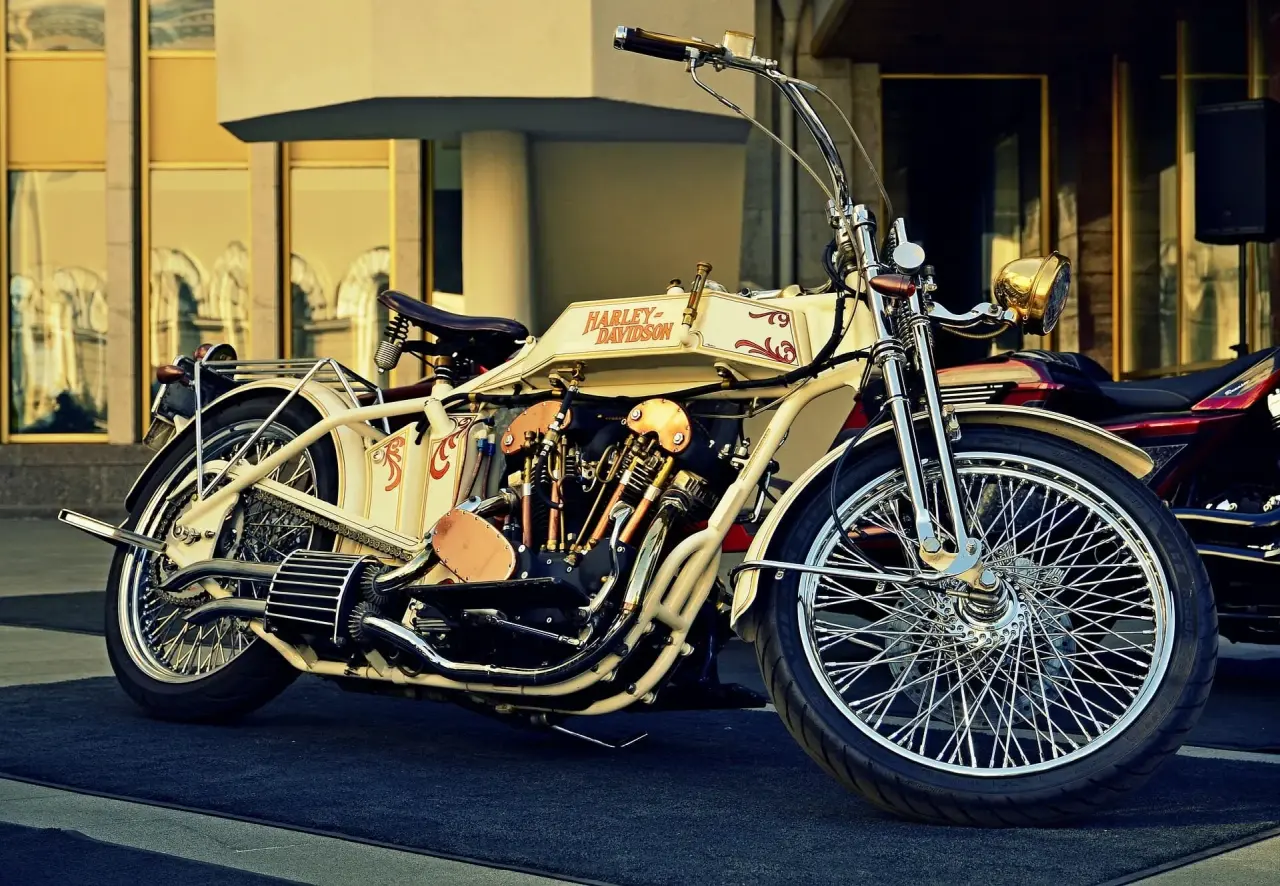
The History of Motorcycles: From Steam Power to Smart Electric Machines
Motorcycles are far more than two-wheeled vehicles. They represent freedom, innovation, adventure, and humanity's enduring fascination with speed. Today, millions of people around the world ride motorcycles for commuting, touring, racing, and recreation, but their story began nearly two centuries ago.
From primitive steam-powered machines to today's high-tech electric motorcycles equipped with advanced rider assistance systems, the evolution of motorcycles mirrors the evolution of modern engineering itself.
Let's explore the fascinating history of motorcycles and discover how these iconic machines transformed transportation forever.
The Early Years: From Bicycles to Steam Power (1800s)
The origins of the motorcycle can be traced back to the early 19th century, when inventors began experimenting with adding engines to bicycles.
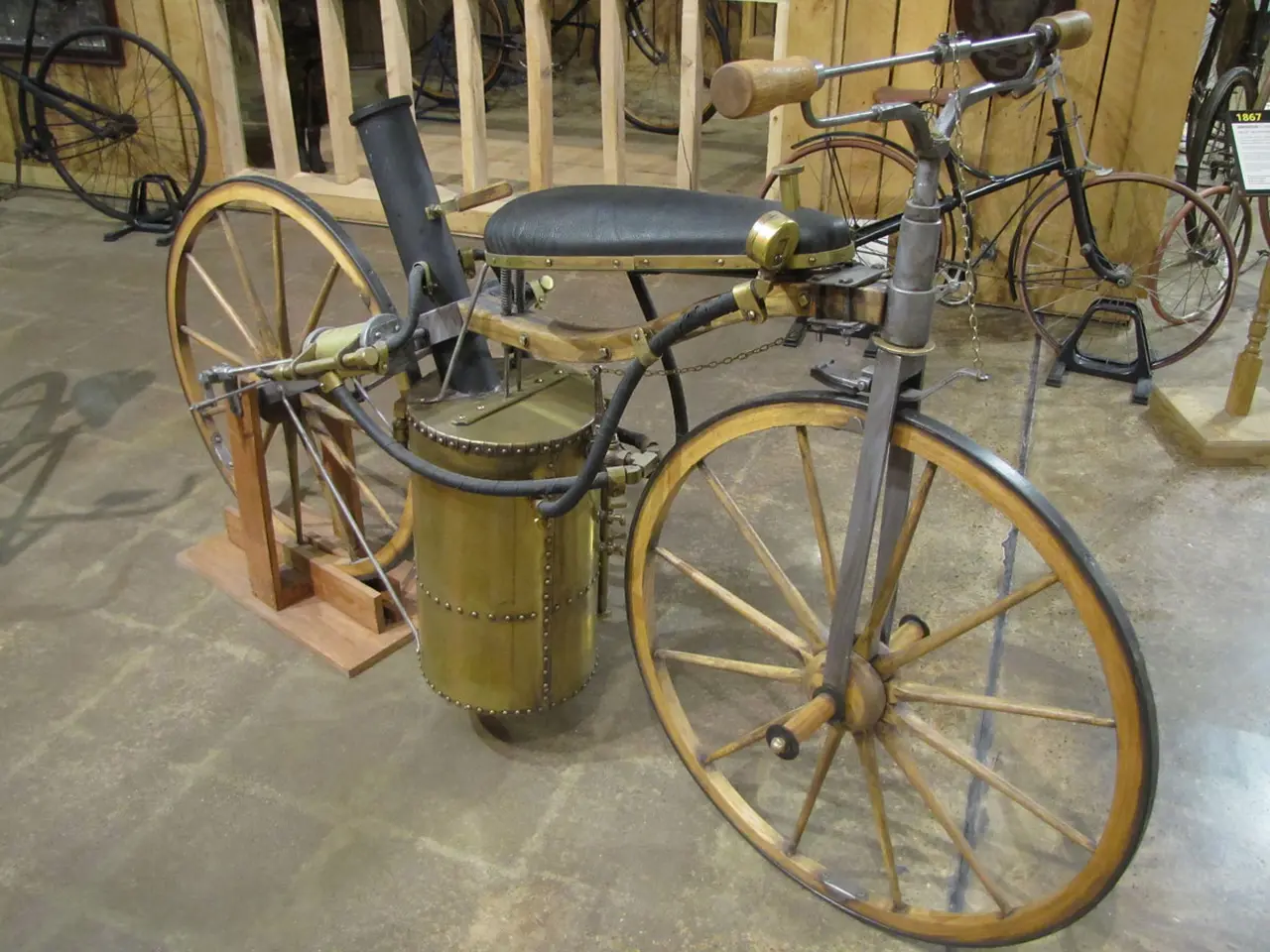
The bicycle had already revolutionized personal transportation, but engineers soon envisioned something faster and more powerful.
1867 – The First Steam Motorcycle
One of the earliest pioneers was Sylvester Howard Roper, an American inventor who built a steam-powered motorcycle around 1867.
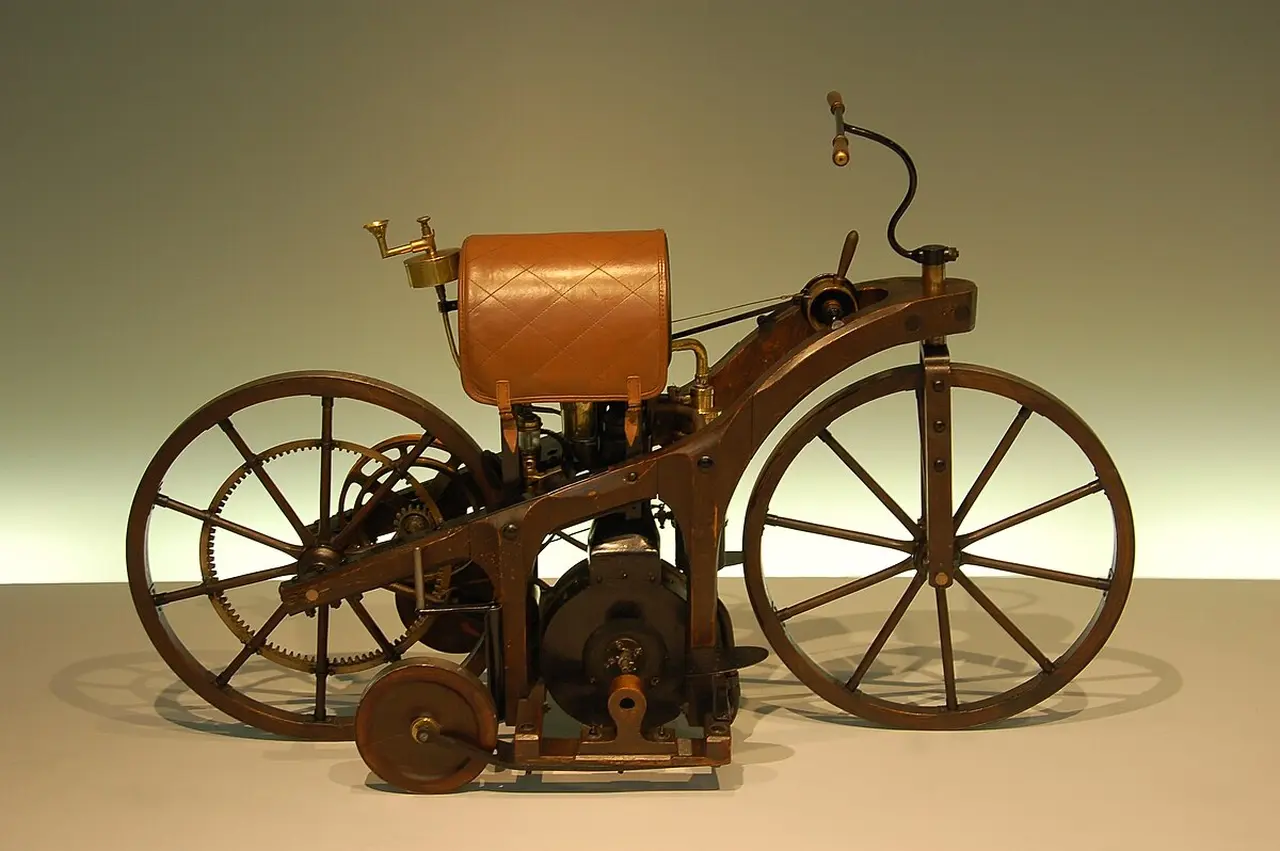
His machine featured:
-
A wooden bicycle frame
-
A compact coal-fired steam engine
-
Two wheels similar to contemporary bicycles
Although impressive for its time, steam technology proved impractical because the engines were heavy, bulky, and difficult to operate.
Nevertheless, Roper's invention is widely regarded as one of the world's first motorized two-wheelers.
1885 – The Birth of the Modern Motorcycle
The true beginning of motorcycle history came in 1885 when German engineers Gottlieb Daimler and Wilhelm Maybach created the Reitwagen.
Unlike earlier steam-powered designs, the Reitwagen used a gasoline-powered internal combustion engine.
Its key innovations included:
-
A lightweight wooden frame
-
A single-cylinder gasoline engine
-
Chain-driven rear wheel
-
The first practical internal combustion motorcycle
Although primitive by today's standards, the Reitwagen established the engineering principles that still define motorcycles today.
1900–1930: Mass Production Begins
The early twentieth century saw rapid improvements in engine technology, allowing motorcycles to become practical transportation.
Several legendary manufacturers emerged during this period.
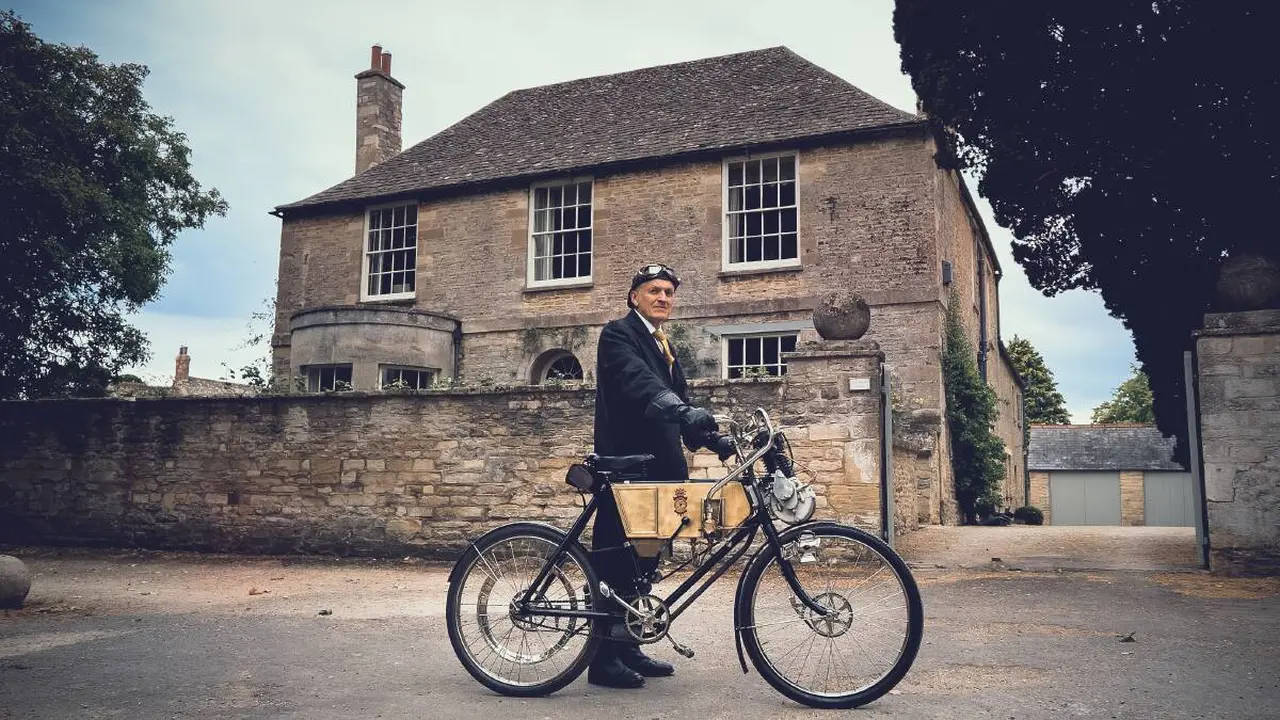
Royal Enfield
Founded in the United Kingdom, Royal Enfield introduced its first motorcycle in 1901 and quickly became known for durable, reliable machines.
Indian Motorcycle
Also established in 1901, Indian Motorcycle became America's first major motorcycle manufacturer and enjoyed enormous popularity.
Harley-Davidson
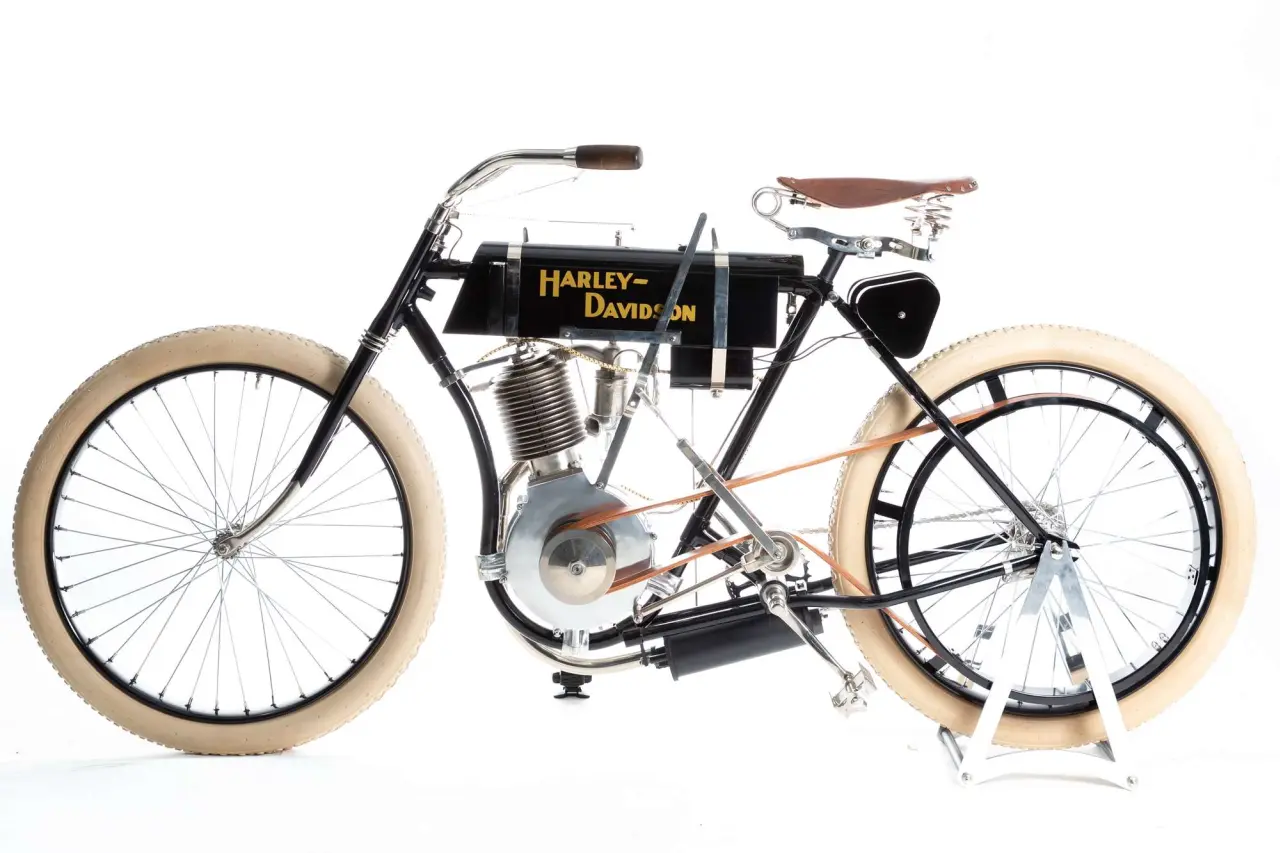
In 1903, Harley-Davidson was founded in Milwaukee, Wisconsin.
Its powerful V-twin motorcycles soon became symbols of American engineering and would later play an important role in shaping motorcycle culture worldwide.
Motorcycles in Military Service
As motorcycles became more reliable, governments recognized their value.
During World War I, motorcycles were widely used for:
-
Military dispatch services
-
Reconnaissance missions
-
Medical support
-
Communication between units
Harley-Davidson and Indian produced thousands of military motorcycles that demonstrated how practical two-wheeled transportation could be under demanding conditions.
1930–1950: Innovation and the War Years
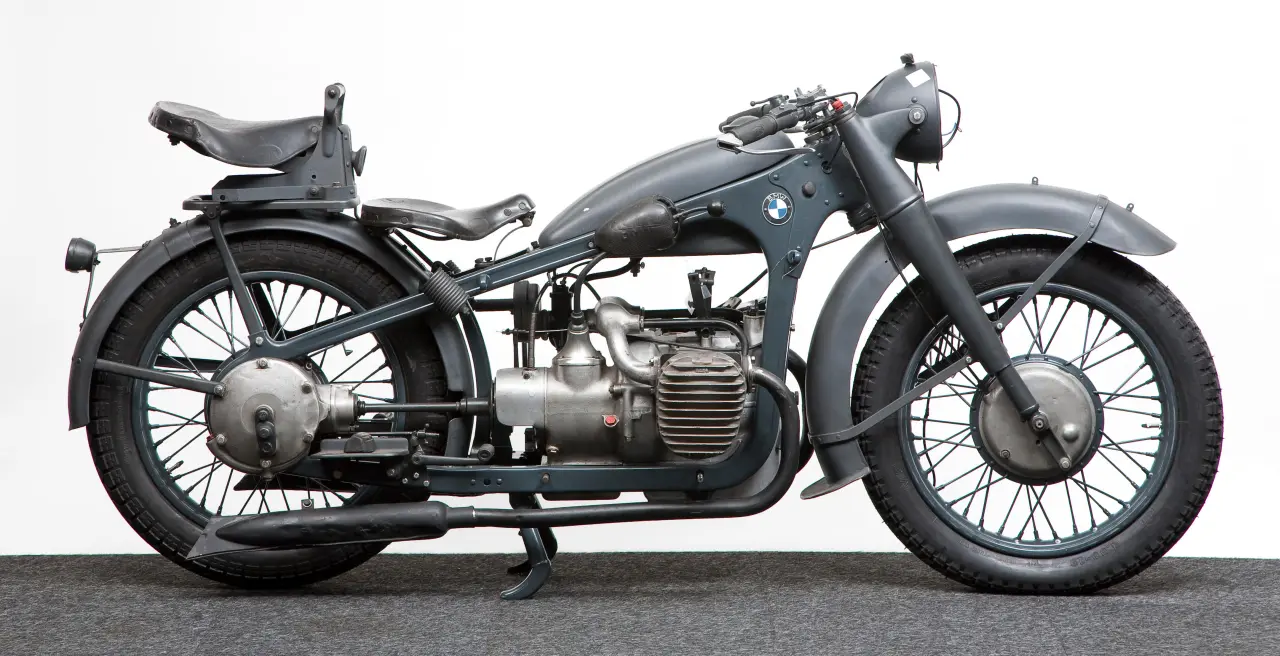
The 1930s brought major technological advances.
BMW Introduces Telescopic Front Suspension
In 1935, BMW introduced telescopic front forks on the R12, dramatically improving ride comfort and handling.
This innovation soon became the industry standard.
High-Performance British Motorcycles
British manufacturers such as Vincent HRD gained worldwide recognition for producing some of the fastest motorcycles of their era.
Their engineering pushed motorcycle performance to entirely new levels.
World War II
Motorcycles again became essential military vehicles.
Among the most famous wartime machines were:
-
BMW R75
-
Harley-Davidson WLA
These motorcycles transported soldiers, carried equipment, and performed reconnaissance missions across difficult terrain.
Their reliability under extreme conditions cemented their legendary reputations.
1950–1970: Motorcycles Become Cultural Icons
Following World War II, motorcycles evolved beyond transportation.
They became symbols of:
-
Freedom
-
Individuality
-
Adventure
-
Youth culture
Hollywood helped create the rebellious image of motorcycling.
The 1953 film The Wild One, starring Marlon Brando, turned motorcycles into icons of personal freedom and nonconformity.
The Rise of Japanese Manufacturers
One of the biggest changes in motorcycle history came with the arrival of Japanese manufacturers.
Companies including:
-
Honda
-
Yamaha
-
Suzuki
-
Kawasaki
began producing motorcycles that were:
-
Affordable
-
Fuel-efficient
-
Extremely reliable
-
Easy to maintain
This shifted the global motorcycle industry dramatically.
Honda Super Cub Changes Everything
Introduced in 1958, the Honda Super Cub became one of the best-selling motor vehicles in history.
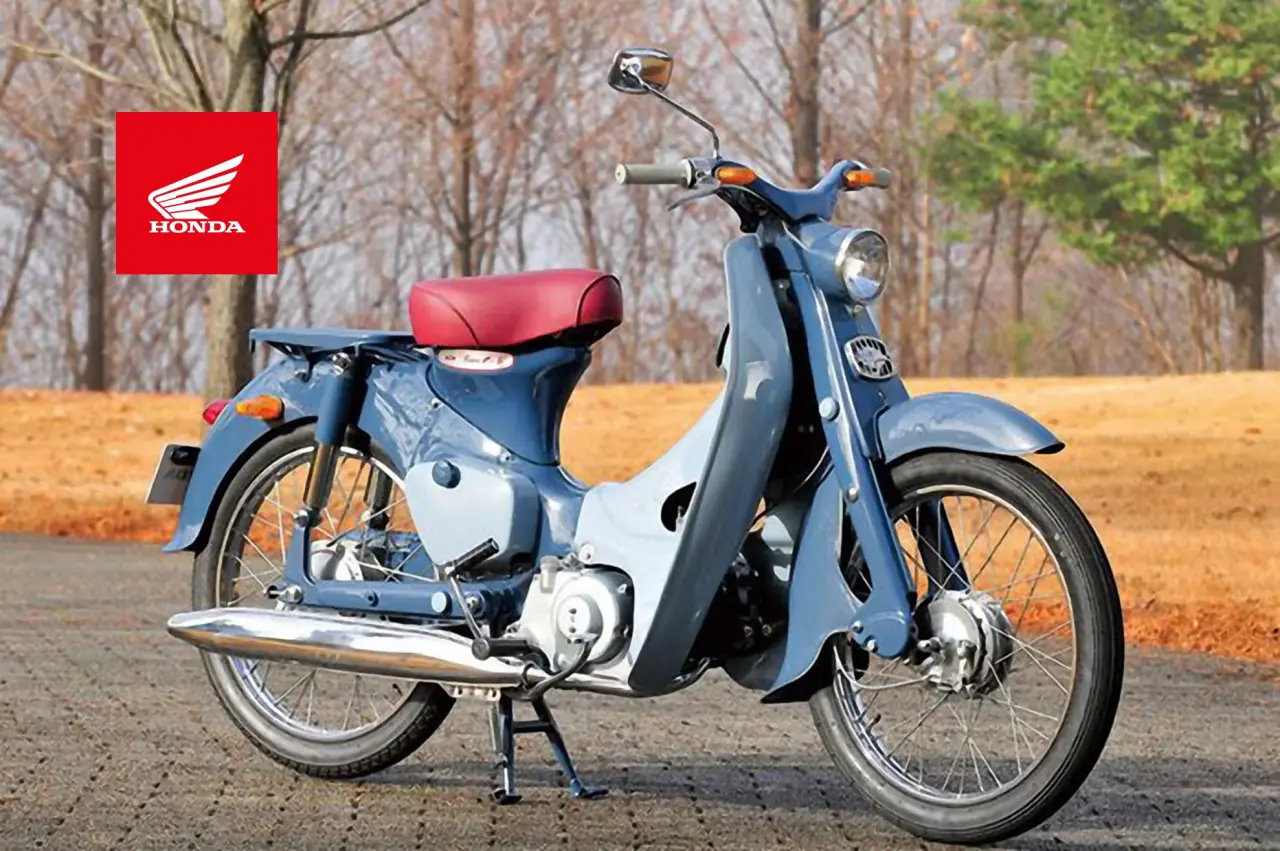
Honda's famous advertising campaign—
"You meet the nicest people on a Honda."
—helped change public perception by showing that motorcycles were suitable for families, commuters, and everyday riders—not just enthusiasts or rebels.
1970–1990: Performance Takes Center Stage
The 1970s ushered in a new era of high-performance motorcycles.
Manufacturers introduced numerous innovations, including:
-
Multi-cylinder engines
-
Disc brakes
-
Improved suspension systems
-
Better aerodynamics
-
Lightweight frames
Motorcycle racing also exploded in popularity through championships such as MotoGP and Superbike.
Kawasaki Z1
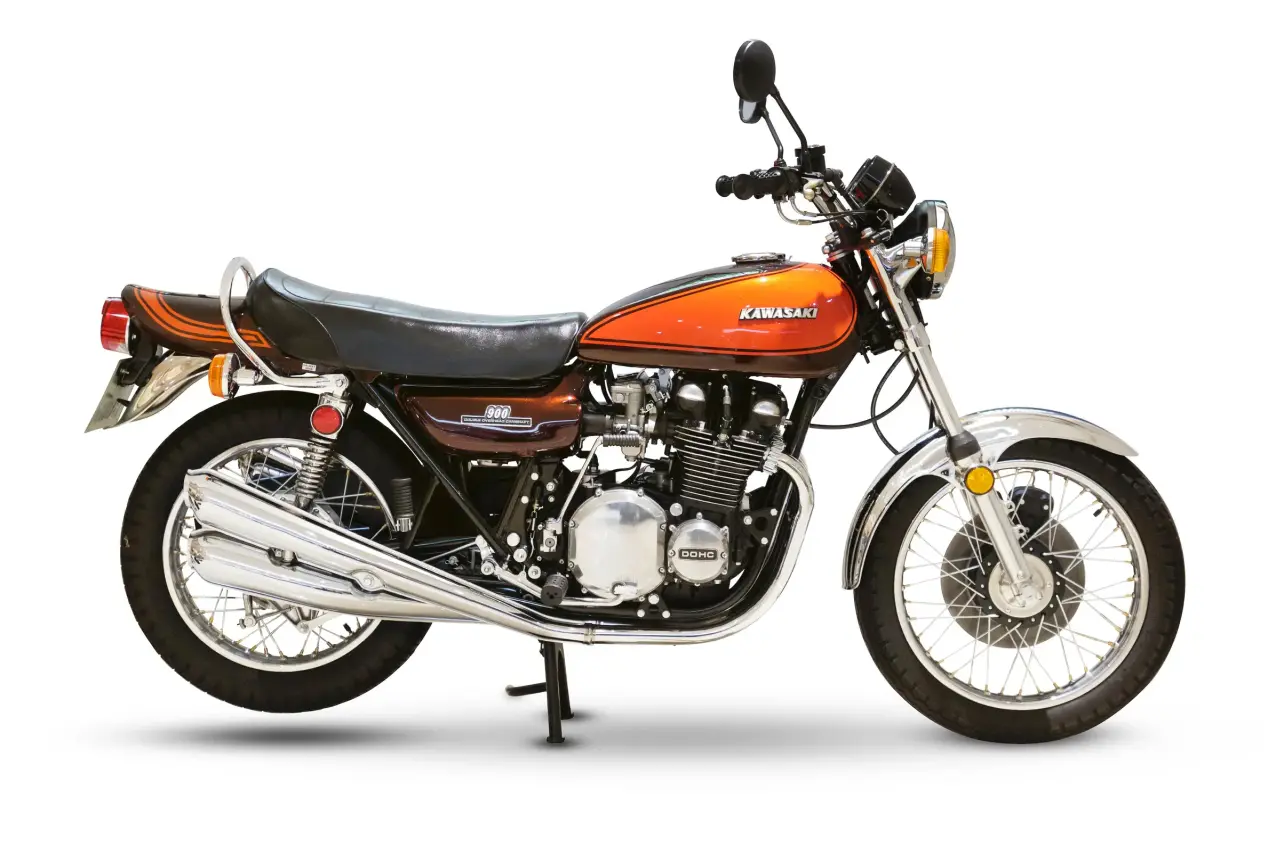
Released in 1972, the Kawasaki Z1 became one of the world's most influential superbikes.
Its powerful four-cylinder engine proved that Japanese manufacturers could compete with—and often outperform—their European rivals.
Touring Motorcycles Advance
Manufacturers like BMW focused on long-distance touring.
New features included:
-
Anti-lock Braking Systems (ABS)
-
Improved weather protection
-
Larger fuel tanks
-
More comfortable seating
-
Electronic instrumentation
Long-distance motorcycle travel became safer and more comfortable than ever before.
1990–2010: The Electronic Revolution
By the 1990s, motorcycles were becoming increasingly sophisticated.
Mechanical systems were joined by advanced electronics.
Major innovations included:
-
Electronic Fuel Injection (EFI)
-
Engine Control Units (ECU)
-
ABS braking systems
-
Ride modes
-
Traction control
-
Electronic suspension
Manufacturers such as Ducati and Aprilia pushed performance boundaries, while Harley-Davidson maintained its classic styling and lifestyle appeal.
The Rise of Custom Culture
This period also saw enormous growth in motorcycle customization.
Custom builders created:
-
Choppers
-
Bobbers
-
Café racers
-
Touring conversions
Television programs and custom workshops introduced motorcycle personalization to a global audience.
2010 to Today: Electric Power and Smart Technology
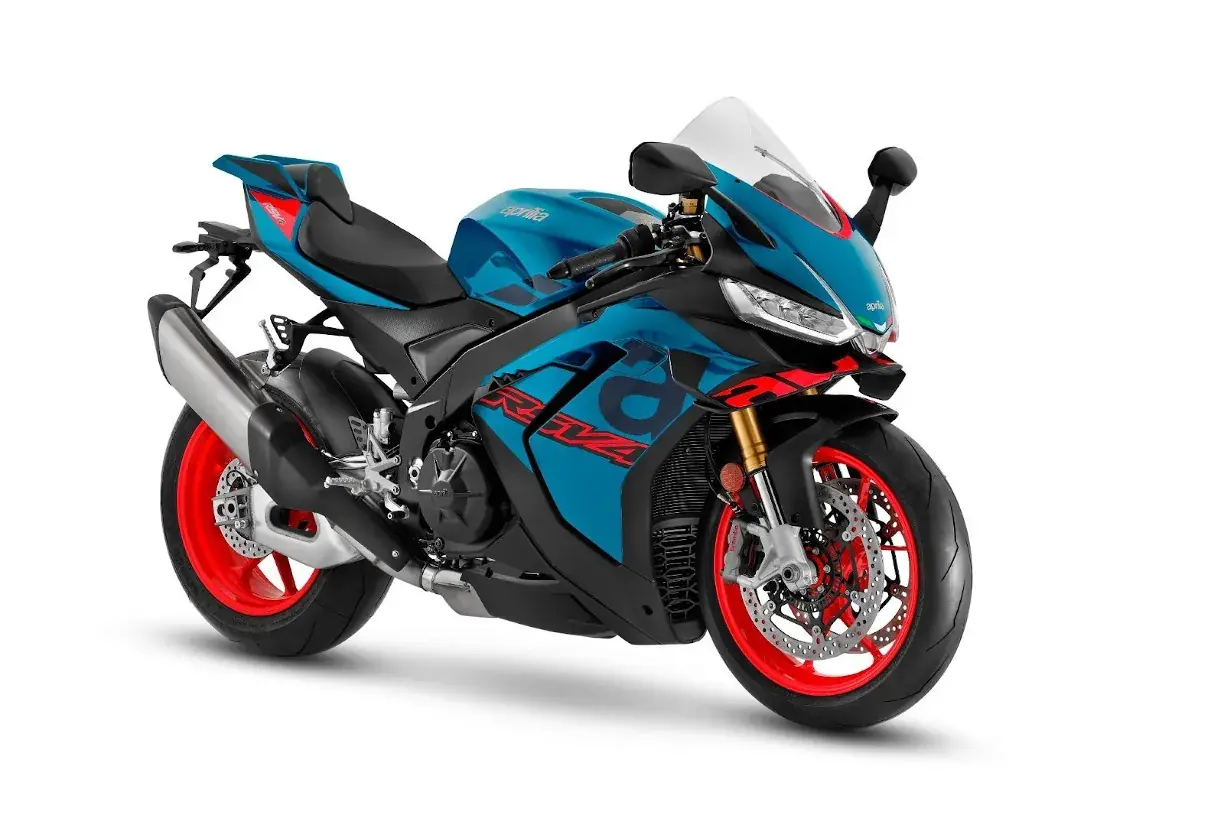
The modern motorcycle industry is undergoing another major transformation.
Environmental concerns and rapid technological development have accelerated the adoption of electric motorcycles.
Manufacturers such as:
-
Zero Motorcycles
-
Energica
-
Cake
focus entirely on electric mobility.
Even Harley-Davidson entered the electric market with the introduction of the LiveWire.
Today's Smart Motorcycles
Modern motorcycles now offer technologies that once seemed futuristic.
Common features include:
-
TFT digital displays
-
Smartphone connectivity
-
GPS navigation
-
Bluetooth communication
-
Adaptive riding modes
-
Lean-sensitive ABS
-
Cornering traction control
-
Cruise control
-
Tire pressure monitoring
-
Blind-spot detection
-
Emergency braking assistance
Many premium motorcycles now rival modern automobiles in technological sophistication.
What Does the Future Hold?
The next generation of motorcycles is expected to become even more advanced.
Industry trends include:
-
Longer-range electric motorcycles
-
Faster charging technology
-
Artificial intelligence integration
-
Vehicle-to-vehicle communication
-
Enhanced rider assistance systems
-
Sustainable manufacturing materials
While fully autonomous motorcycles remain largely experimental, rider-assistance technologies continue to improve safety without sacrificing the excitement of riding.
Why Motorcycles Continue to Inspire
Despite enormous technological advances, the essence of motorcycling has remained unchanged.
Riders continue to value motorcycles because they offer:
-
A unique sense of freedom
-
Direct connection with the road
-
Mechanical simplicity and engagement
-
Adventure and exploration
-
A strong global riding community
Whether it's a vintage café racer, a touring motorcycle, a superbike, an adventure bike, or a silent electric commuter, every motorcycle shares the same spirit that has captivated riders for generations.
Final Thoughts
The history of motorcycles is a remarkable journey of engineering, innovation, and passion. From Sylvester Roper's experimental steam-powered machine to today's intelligent electric motorcycles packed with advanced electronics, two-wheel transportation has continually evolved to meet changing technologies and lifestyles.
Although future motorcycles may become quieter, cleaner, and smarter, one thing is unlikely to change: the feeling of freedom that comes with riding on two wheels. For nearly 200 years, motorcycles have inspired generations of riders—and that journey is far from over.