TR
TR EN
EN

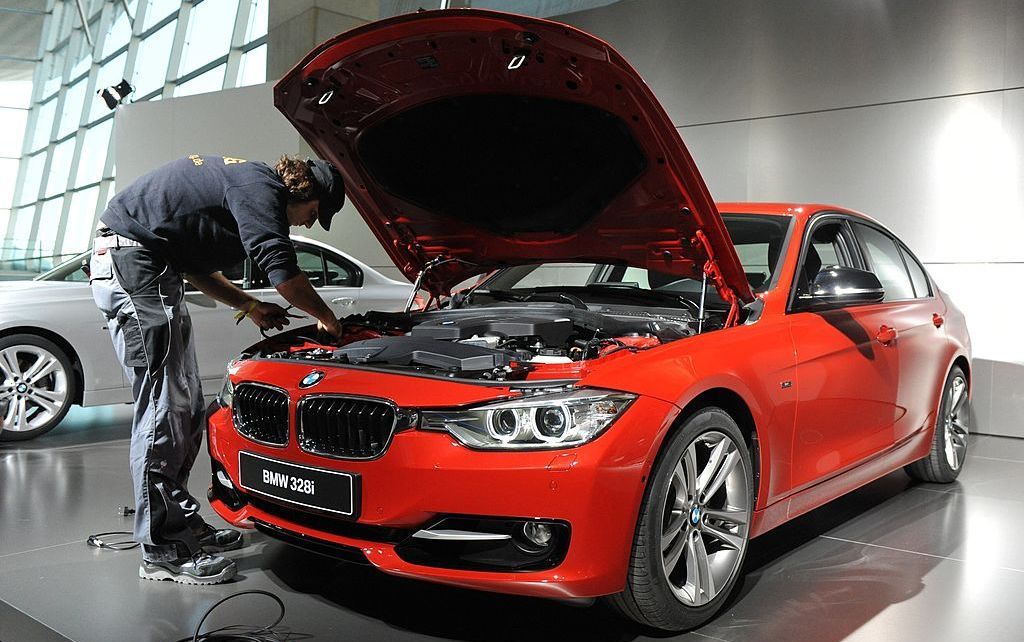
BMW Common Problems and Frequently Experienced Failures
BMW is one of Germany's best-known premium automobile manufacturers. Founded in 1916 and headquartered in Munich, BMW has built a reputation around performance, driving dynamics, technology, and luxury.
The company produces vehicles ranging from compact models such as the 1 Series to large SUVs such as the X5 and X7. Over the years, BMW has used a wide variety of naturally aspirated, turbocharged, diesel, plug-in hybrid, and fully electric powertrains.
BMW vehicles can be exceptionally enjoyable to drive, but ownership costs can also be higher than those of many mainstream brands. This is particularly true when a vehicle is poorly maintained or when a known weak component is ignored.
It is therefore misleading to say that "BMWs are unreliable." The reality is more complicated. Reliability varies substantially between generations, engines, transmissions, production years, and maintenance histories.
Some BMW engines are capable of very high mileage, while certain engines and components have developed well-known weaknesses.
Why Do BMWs Develop Expensive Problems?
A major reason is complexity.
A modern BMW can contain:
-
Turbochargers
-
Direct fuel injection
-
Variable valve timing
-
Variable valve lift
-
High-pressure fuel systems
-
Multiple electronic control modules
-
Advanced cooling systems
-
Sophisticated automatic transmissions
-
Electric water pumps
-
Electronic steering systems
-
Extensive driver-assistance technology
These systems provide excellent performance and efficiency, but they also create more potential failure points.
There is another important factor: maintenance requirements.
BMWs are generally less forgiving of neglected maintenance than simple naturally aspirated vehicles. An owner who follows the correct maintenance schedule and repairs small problems early can have a very different ownership experience from someone who postpones every repair until a major component fails.
BMW Engine Problems
Engine-related problems are among the most frequently discussed BMW issues.
However, BMW has produced dozens of different engines, and they should not be treated as one group.
Some older naturally aspirated engines have different weaknesses from turbocharged N-series or B-series engines. Diesel engines also have their own problems involving the EGR system, DPF, turbocharger, and high-pressure fuel system.
Common engine-related complaints can include:
-
Oil leaks
-
Excessive oil consumption
-
Cooling-system failures
-
Timing-chain problems
-
Turbocharger failure
-
High-pressure fuel-pump problems
-
Ignition-coil and spark-plug failures
-
Fuel-injector problems
-
VANOS problems
-
Valvetronic problems
-
Crankcase ventilation problems
-
Engine overheating
-
Loss of power
-
Check Engine Light
The exact engine code is therefore extremely important when evaluating a used BMW.
BMW N54 Engine Problems
The N54 twin-turbocharged six-cylinder engine is famous for its performance and tuning potential. It is also associated with several well-known maintenance issues.
Common problem areas include:
-
High-pressure fuel pump
-
Fuel injectors
-
Electric water pump
-
Turbochargers
-
Wastegate rattle
-
Charge-pipe failure
-
Carbon buildup
-
Ignition coils
-
Spark plugs
-
Oil leaks
The N54 can be a fantastic engine when properly maintained, but it is not necessarily the ideal choice for someone looking for the lowest possible maintenance costs.
A modified N54 deserves additional scrutiny because aftermarket tuning can increase stress on the turbochargers, fuel system, cooling system, transmission, and drivetrain.
BMW N55 Engine Problems
The N55 replaced the N54 in many applications and simplified the turbocharging arrangement by using a single twin-scroll turbocharger.
It generally has a better reputation for overall durability than the N54, but it still has known areas that should be inspected.
Potential problems include:
-
Electric water pump failure
-
Thermostat failure
-
Oil-filter-housing leaks
-
Valve-cover leaks
-
Oil-pan leaks
-
Crankcase ventilation problems
-
Ignition problems
-
VANOS-related faults
-
Charge-pipe problems
The electric water pump deserves particular attention because BMW's electrically driven cooling systems can fail without the gradual warning signs associated with some conventional mechanical water pumps.
Overheating a BMW engine can turn a relatively manageable cooling-system repair into a much more expensive engine repair.
BMW N20 Engine and Timing-Chain Problems
Certain four-cylinder BMW engines from the N20 family are associated with timing-chain and timing-chain-guide concerns.
A worn timing chain can produce:
-
Rattling noises
-
Timing-related fault codes
-
Poor engine performance
-
Rough running
-
Difficult starting
In severe cases, timing can become incorrect enough to cause major internal engine damage.
This is why a suspicious chain noise should never be ignored simply because the engine still runs normally.
When considering a used BMW equipped with an engine known to have timing-chain concerns, service records are extremely valuable.
BMW N47 Diesel Engine Problems
BMW's N47 diesel engine has a particularly well-known timing-chain reputation.
The timing chain is positioned at the rear of the engine, making replacement more complicated than on engines where the chain is located at the front.
Potential symptoms include:
-
Metallic rattling
-
Timing-related noises
-
Difficulty starting
-
Engine timing faults
-
Reduced performance
A neglected timing-chain problem can eventually result in severe engine damage.
N47-equipped vehicles should therefore be evaluated carefully, particularly when service history is incomplete.
BMW B-Series Engines
Newer BMW engines, including B38, B48, and B58 variants, have generally benefited from engineering improvements compared with many older BMW powertrains.
That does not mean they are problem-free.
Possible issues can still involve:
-
Cooling components
-
Oil leaks
-
Sensors
-
Ignition components
-
Turbocharger-related components
-
Plastic cooling-system parts
-
Electronic components
The B58 six-cylinder engine, for example, has developed a strong reputation for performance and durability, but a neglected example can still become expensive.
The general rule remains the same: engine family matters more than the BMW badge alone.
BMW X5 Engine and Cooling Problems
The BMW X5 has used many different engines throughout its generations, so its reliability varies dramatically depending on the version.
Some older X5s have generated complaints involving:
-
Engine overheating
-
Cooling-system failures
-
Oil leaks
-
Turbocharger problems
-
Fuel-system faults
-
Timing-chain problems
-
Air suspension
-
Transfer-case issues
-
Automatic transmission problems
The electric water pump is particularly relevant to several BMW engines.
A failing water pump may cause:
-
Overheating warnings
-
Reduced engine power
-
Cooling fan running at high speed
-
Temperature fluctuations
-
Coolant problems
The specific repair cost depends heavily on the engine and vehicle generation.
The claim that a particular X5 model year universally requires an engine replacement would be an overstatement. Individual owner reports cannot establish that every vehicle from that year has the same failure.
BMW X3 Engine Problems
Certain X3 generations have also generated substantial engine-related complaints.
Potential symptoms include:
-
Sudden loss of power
-
Rough running
-
Excessive oil consumption
-
Check Engine Light
-
Timing-related faults
-
Turbocharger problems
-
Cooling-system failures
Again, the engine must be identified before assessing the risk.
An X3 with a four-cylinder turbocharged engine, a six-cylinder gasoline engine, or a diesel engine can have completely different maintenance requirements.
BMW Oil Leaks
Oil leaks are one of the most common issues associated with aging BMWs.
Common leak locations can include:
-
Valve-cover gasket
-
Oil-filter-housing gasket
-
Oil-pan gasket
-
Front timing-cover area
-
Rear main seal
-
Turbocharger oil lines
-
Various seals and hoses
A small oil leak is not necessarily catastrophic, but it should not be ignored.
Oil leaking onto hot exhaust components can create smoke and, in severe cases, increase the risk of fire.
When inspecting a used BMW, look underneath the engine and around the valve cover and oil-filter housing.
Freshly cleaned engine compartments should also be examined carefully because cleaning can temporarily hide evidence of leakage.
BMW Cooling-System Problems
The cooling system is one of the most important areas to inspect on an older BMW.
Depending on the generation and engine, the system may contain numerous plastic components, electric pumps, thermostats, expansion tanks, hoses, and electronically controlled components.
Common failures include:
-
Water pump
-
Thermostat
-
Expansion tank
-
Radiator
-
Cooling hoses
-
Coolant leaks
-
Cooling-system sensors
BMW engines generally do not tolerate severe overheating well.
If the temperature warning appears, continuing to drive can cause much more serious damage.
For a used BMW, evidence of previous overheating should therefore be treated as a major inspection point.
BMW Electrical Problems
BMW vehicles contain considerably more electronics than many mainstream cars.
As a result, electrical faults can sometimes be difficult to diagnose.
Common complaints include:
-
Battery discharge
-
Alternator problems
-
Warning lights
-
Central locking faults
-
Window problems
-
Instrument-cluster issues
-
Parking-sensor failures
-
Infotainment problems
-
Electronic module communication faults
-
Keyless-entry problems
One failed component can sometimes cause several warning messages because BMW's control modules communicate with each other.
This is why randomly replacing parts is a poor diagnostic strategy.
A proper BMW diagnostic system should be used to identify stored faults and determine whether the problem is electrical, mechanical, or communication-related.
BMW Battery and Charging Problems
Modern BMWs are particularly sensitive to battery condition.
A weak battery can cause apparently unrelated problems such as:
-
Multiple warning lights
-
Starting problems
-
Electronic-system errors
-
Comfort-access problems
-
Infotainment malfunctions
-
Fault codes across several modules
The battery should therefore be tested before expensive electronic components are replaced.
On many BMWs, replacing the battery also requires the new battery to be properly registered with the vehicle's battery-management system.
If the vehicle has repeatedly discharged its battery, the underlying cause should be diagnosed instead of simply installing another battery.
BMW Wiring and Fire-Related Problems
BMW has experienced several recalls over the years involving wiring, electrical connections, battery cables, fuel-system components, and other fire-risk conditions.
This is an area where the original information needs some clarification.
It would be incorrect to combine every BMW electrical recall into one general "BMW wiring problem." Different recalls involved different models, production periods, and components.
Some historical BMW recalls have involved battery cables or electrical connections that could overheat under specific circumstances.
For a used BMW, the important question is not how many recalls BMW has had throughout its history.
The important question is:
Does this particular vehicle have any outstanding recall, and has it been repaired?
Rodent Damage to BMW Wiring
Rodent damage can also cause severe electrical problems.
Mice and other rodents can chew through:
-
Engine wiring
-
Sensor wiring
-
Ignition wiring
-
ABS wiring
-
Fuel-system wiring
-
Communication wiring
The resulting repair can be surprisingly expensive because a modern BMW may have several interconnected wiring harnesses.
Look for:
-
Chewed insulation
-
Nesting material
-
Droppings
-
Non-factory wiring repairs
-
Electrical tape around harnesses
-
Warning lights with no obvious mechanical cause
Rodent damage is not a BMW-specific defect, but the complexity of a BMW's electrical system can make the consequences more expensive.
BMW Turbocharger Problems
Turbochargers provide excellent performance, but they also operate under high temperatures and pressures.
Possible symptoms of turbocharger problems include:
-
Loss of power
-
Excessive smoke
-
Whistling or siren-like noises
-
Boost-pressure faults
-
Slow acceleration
-
Increased oil consumption
-
Check Engine Light
Wastegate wear and boost-control problems have also been reported on certain BMW turbocharged engines.
A turbocharger should not automatically be replaced when a boost-related fault appears. The cause could instead be:
-
Vacuum leak
-
Charge-air leak
-
Boost-control solenoid
-
Wastegate actuator
-
Sensor
-
Cracked charge pipe
-
Intercooler problem
Proper diagnosis can prevent unnecessary turbocharger replacement.
BMW Fuel-System Problems
Some BMW gasoline engines use high-pressure direct injection systems.
Potential failures include:
-
High-pressure fuel pump
-
Fuel injectors
-
Low-pressure fuel pump
-
Fuel-pressure sensors
-
Fuel lines
Symptoms can include:
-
Difficult starting
-
Long cranking
-
Misfires
-
Loss of power
-
Engine hesitation
-
Reduced performance
-
Check Engine Light
On a used BMW, fuel-pressure values should be checked when the symptoms point toward fuel delivery.
BMW Diesel Problems: DPF, EGR and Turbocharger
Diesel BMWs have their own set of potential problems.
The Diesel Particulate Filter (DPF) can become restricted when the vehicle is used primarily for short urban trips.
Possible symptoms include:
-
DPF warning
-
Reduced engine power
-
Increased fuel consumption
-
Frequent regeneration
-
Limp mode
The EGR system can also become contaminated or develop mechanical or cooling-system problems on certain diesel engines.
Turbocharger problems, intake carbon buildup, swirl-flap concerns on applicable engines, and high-pressure fuel-system problems should also be considered.
A diesel BMW that has spent most of its life in city traffic should be inspected more carefully than one that has regularly operated at highway speeds.
BMW VANOS Problems
VANOS is BMW's variable camshaft timing system.
When VANOS-related components develop problems, symptoms may include:
-
Rough idle
-
Loss of low-speed torque
-
Poor acceleration
-
Increased fuel consumption
-
Check Engine Light
-
Timing-related fault codes
Not every VANOS fault requires replacement of the entire system.
The problem may originate from:
-
Solenoids
-
Seals
-
Sensors
-
Wiring
-
Oil-pressure problems
-
Mechanical timing components
Proper diagnosis is therefore essential.
BMW Valvetronic Problems
Valvetronic controls engine valve lift and is another important BMW technology.
A fault in the system can cause:
-
Rough running
-
Poor throttle response
-
Difficult starting
-
Reduced power
-
Check Engine Light
Potential causes include:
-
Valvetronic motor
-
Eccentric-shaft sensor
-
Wiring
-
Mechanical wear
-
Control-system faults
Because Valvetronic is integrated into engine management, diagnostic codes and live data are particularly useful.
BMW Automatic Transmission Problems
BMW automatic transmissions are generally capable of high mileage when properly maintained, but they are not immune to wear.
Possible symptoms include:
-
Harsh shifts
-
Delayed engagement
-
Shuddering
-
Slipping
-
Gear-selection problems
-
Transmission warning lights
-
Abnormal noises
Older BMWs may use different transmission designs from newer ZF-equipped vehicles, so the exact gearbox must be identified.
A transmission that shifts perfectly during a five-minute test drive may behave differently after reaching operating temperature.
Test it both cold and warm.
BMW Transfer Case Problems
BMW xDrive vehicles have additional drivetrain components that do not exist on rear-wheel-drive versions.
The transfer case can develop problems such as:
-
Shuddering
-
Jerking at low speed
-
Warning lights
-
Uneven power delivery
-
Drivetrain fault messages
Tire condition is particularly important on xDrive vehicles.
Significant differences in tire circumference can place additional stress on the all-wheel-drive system.
Therefore, all four tires should ideally be appropriately matched in size, specification, and wear.
BMW Suspension and Air Suspension Problems
BMW's suspension systems provide excellent handling, but they can become expensive as vehicles age.
Possible problems include:
-
Worn control-arm bushings
-
Ball joints
-
Shock absorbers
-
Stabilizer links
-
Wheel bearings
-
Springs
-
Air-suspension components
Some BMW SUVs use air suspension, which introduces additional components such as:
-
Air springs
-
Compressors
-
Valves
-
Height sensors
-
Air lines
A vehicle that sits lower on one side after being parked overnight may have an air-suspension leak.
BMW Steering Problems
Steering problems can involve either mechanical or electronic components depending on the generation.
Watch for:
-
Heavy steering
-
Steering-wheel vibration
-
Warning lights
-
Excessive play
-
Uneven steering assistance
-
Knocking noises
A proper inspection should distinguish between tire/alignment problems and actual steering-system faults.
BMW Airbag and Safety-System Problems
BMW has been involved in various safety recalls over the years, including recalls affecting airbags and restraint-system components.
An illuminated airbag warning light should never be ignored.
Possible causes include:
-
Seat-occupancy sensor
-
Seat-belt pretensioner
-
Wiring
-
Connector
-
Airbag module
-
Crash sensor
-
Clock spring
A used BMW with an SRS warning light should be diagnosed before purchase.
Which BMW Models and Years Should You Avoid?
It is tempting to create a simple list of "worst BMW years," but this can be misleading.
BMW has used different engines and transmissions within the same model and model year. A 3 Series equipped with one engine can have completely different weaknesses from another 3 Series equipped with a different engine.
Instead of avoiding an entire model year, investigate the specific engine and transmission.
Some BMW powertrains with known concerns deserve additional scrutiny, particularly when there is no evidence that the relevant maintenance has been performed.
A vehicle should receive extra caution if it has:
-
Unknown service history
-
Multiple warning lights
-
Engine timing noise
-
Cooling-system problems
-
Excessive oil consumption
-
Transmission problems
-
xDrive drivetrain symptoms
-
Extensive modifications
-
Evidence of overheating
-
Poor-quality previous repairs
Is a High-Mileage BMW Automatically a Bad Buy?
No.
Mileage is only one part of the equation.
A BMW with 150,000 km and complete service records may be a much better purchase than one with 90,000 km and no maintenance history.
A high-mileage BMW should be expected to need more attention to:
-
Suspension
-
Cooling system
-
Seals and gaskets
-
Engine mounts
-
Transmission service
-
Turbocharger components
-
Electrical components
The question is not simply "How many kilometers has it done?"
The better question is:
"What has already been replaced, what needs to be replaced next, and has the car been properly maintained?"
What Should You Check Before Buying a Used BMW?
A professional pre-purchase inspection is particularly important with a BMW.
Start with a cold engine.
Check for:
-
Difficult starting
-
Timing-chain noise
-
Excessive smoke
-
Rough idle
-
Abnormal vibration
-
Oil leaks
-
Coolant leaks
Inspect the cooling system.
Look for:
-
Low coolant level
-
Dried coolant residue
-
Cracked expansion tank
-
Damaged hoses
-
Previous overheating
-
Water-pump problems
Scan every control module.
Do not limit the inspection to the engine ECU.
A BMW diagnostic scan can reveal faults involving:
-
Engine
-
Transmission
-
ABS/DSC
-
Airbag system
-
Steering
-
Body electronics
-
xDrive
-
Parking sensors
-
Driver-assistance systems
-
Infotainment
A proper scan is one of the most valuable tools when purchasing a used BMW.
Check the transmission when cold and warm.
Look for:
-
Delayed engagement
-
Harsh shifting
-
Slipping
-
Shuddering
-
Abnormal noises
Inspect the underside.
Look for:
-
Oil leaks
-
Transmission-fluid leaks
-
Coolant leaks
-
Damaged undertrays
-
Suspension damage
-
Previous repairs
Check the maintenance history.
Ask for documentation showing:
-
Engine-oil services
-
Transmission maintenance
-
Cooling-system repairs
-
Spark-plug replacement
-
Brake maintenance
-
Timing-chain or timing-belt work where applicable
-
Major engine repairs
-
Recall completion
Why a Cheap Used BMW Can Become Expensive
One of the biggest mistakes buyers make is purchasing an old BMW based only on its purchase price.
A BMW that has depreciated substantially may look like a bargain compared with its original price.
But the cost of maintaining a premium vehicle does not necessarily fall at the same rate as its market value.
For example, a ten-year-old BMW can still require expensive:
-
Electronic modules
-
Turbochargers
-
Suspension components
-
Cooling-system components
-
Automatic transmission repairs
-
Air-conditioning repairs
-
Specialized diagnostics
This is why the cheapest BMW on the market is rarely the safest financial choice.
How to Make BMW Ownership More Reliable
The best way to reduce BMW problems is preventive maintenance.
Do not wait for a component to fail completely.
Pay attention to:
-
Unusual engine noises
-
Small coolant leaks
-
Oil leaks
-
Battery weakness
-
Transmission behavior
-
Warning lights
-
Suspension noises
-
Increased oil consumption
-
Changes in fuel economy
Use the correct fluids and parts for the specific engine and transmission.
Most importantly, repair small problems before they cause secondary damage.
A leaking cooling component, for example, may initially be relatively inexpensive. Ignoring it until the engine overheats can transform that repair into a major engine rebuild.
BMW Advantages Despite the Problems
The potential repair costs should not overshadow why people buy BMWs.
BMW vehicles offer:
-
Excellent driving dynamics
-
Strong engine performance
-
High-speed stability
-
Sophisticated suspension systems
-
High-quality interiors on many models
-
Advanced technology
-
Excellent highway comfort
-
Strong engine choices
-
Good handling
-
A wide range of body styles and powertrains
Many BMW owners achieve high mileage without major engine or transmission failures.
The difference is often maintenance and powertrain selection.
BMW Disadvantages
The main disadvantages of owning an older BMW include:
-
Higher repair costs
-
More complicated electronics
-
Expensive specialized diagnostics
-
Numerous engine-specific weaknesses
-
Expensive cooling-system repairs on some engines
-
Turbocharger-related costs
-
More expensive suspension components
-
Higher cost of neglect
-
Greater importance of finding a specialist familiar with BMW systems
Final Verdict: Are BMWs Reliable?
BMW cannot simply be classified as either "reliable" or "unreliable."
There are BMW engines that have developed excellent long-term reputations and others that require significantly more attention. The same applies to transmissions, electrical systems, cooling systems, and suspension components.
The examples of engine failures, electrical faults, recalls, and fires mentioned in owner reports are useful because they identify areas that deserve inspection. However, they should not be interpreted as proof that every BMW from a particular year will experience the same problem.
If you are buying a used BMW, the engine code, transmission, maintenance history, previous repairs, and overall condition are far more important than the BMW badge or model year alone.
A properly maintained BMW with a well-regarded powertrain can provide years of enjoyable driving. A neglected BMW with an unknown history can become extremely expensive very quickly.
The best approach is therefore not to ask, "Are BMWs bad cars?"
Ask instead:
"Which BMW engine and transmission am I buying, how has it been maintained, and what problems have already been addressed?"
That approach can make the difference between owning a rewarding BMW and owning a car that seems to spend more time at the repair shop than on the road.