TR
TR EN
EN

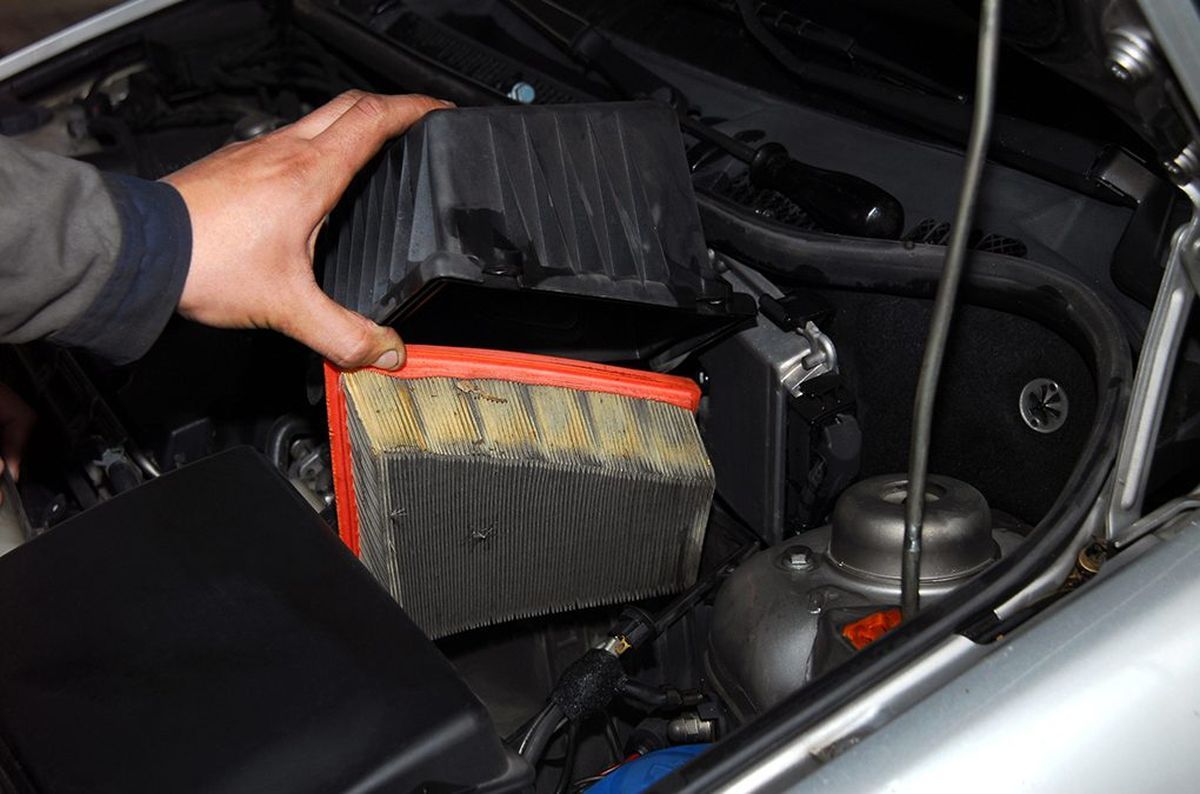
Why Does the Air Filter Get Oily?
An oily air filter is a condition that should not always be ignored. A small amount of oil vapor or a light oily film can be normal in some engines because of the crankcase ventilation system. However, if the air filter is heavily soaked with oil, there may be an underlying problem involving the PCV system, excessive crankcase pressure, turbocharger, engine blow-by, or incorrect oil level.
The important point is to determine where the oil is coming from and how much oil is present before assuming that the engine has a serious internal failure.
What Is the Air Filter's Job?
The air filter removes dust, dirt, sand, and other particles from the air before it enters the engine.
A clean filter allows the engine to receive the required amount of air while protecting components such as:
-
Throttle body
-
MAF sensor
-
Turbocharger
-
Intake manifold
-
Intake valves
-
Engine cylinders
When oil reaches the air filter, it can contaminate the filter material and restrict airflow.
Is a Slightly Oily Air Filter Normal?
In some vehicles, yes.
The crankcase ventilation system removes gases and vapors from inside the engine crankcase and routes them back into the intake system.
These gases can contain a small amount of oil mist.
As a result, you may occasionally find:
-
A light oily film inside the intake pipe
-
A small amount of oil around the air filter housing
-
Slight oil residue on the intake tract
A small amount does not automatically mean that the engine is damaged.
The situation becomes more concerning when the filter is visibly wet, soaked, or repeatedly becomes oily shortly after cleaning or replacement.
The Most Common Reason: Crankcase Ventilation

One of the first things to investigate is the crankcase ventilation system, often called the PCV system.
During normal engine operation, combustion gases can pass the piston rings and enter the crankcase. This is known as blow-by.
The PCV system routes these gases back into the intake so they can be burned by the engine rather than released into the atmosphere.
Because crankcase gases can contain oil vapor, a small amount of oil may enter the intake.
If the PCV system is functioning normally, the amount should generally be limited.
A Faulty PCV Valve Can Cause Oil in the Air Filter
A malfunctioning PCV valve can disturb crankcase pressure and oil separation.
Depending on the engine design and the type of PCV failure, this may cause excessive oil vapor to enter the intake.
Possible causes include:
-
Stuck PCV valve
-
Blocked PCV passage
-
Damaged PCV diaphragm
-
Cracked ventilation hose
-
Incorrectly connected hose
-
Failed oil separator
-
Excessive crankcase pressure
If the oil is concentrated around the air filter and intake hose, the PCV system should be inspected carefully.
Excessive Blow-By Can Push Oil Into the Intake
Another possible cause is excessive blow-by.
Some combustion gases normally pass the piston rings. If the piston rings, cylinder walls, or other internal engine components are excessively worn, the amount of blow-by can increase.
This raises crankcase pressure and can force more oil vapor into the crankcase ventilation system.
Depending on the engine design, the excess oil may eventually reach the intake and air filter housing.
Other possible symptoms of excessive blow-by include:
-
Increased oil consumption
-
Blue smoke from the exhaust
-
Reduced engine performance
-
Excessive pressure from the oil filler opening
-
Oil leaks caused by crankcase pressure
-
Oily intake components
-
Poor compression
However, the presence of oil around the air filter does not by itself prove that the piston rings are worn.
Incorrect Engine Oil Level
An engine that has been filled with too much oil can also develop abnormal oil mist and crankcase ventilation problems.
When the oil level is excessively high, rotating engine components can disturb the oil and create more oil mist.
That oil mist can then enter the crankcase ventilation system and eventually reach the intake.
Therefore, checking the oil level is one of the simplest things to do when an air filter becomes oily.
The oil level should be checked according to the vehicle manufacturer's procedure, usually with the engine at the specified temperature and the vehicle parked on level ground.
Turbocharged Engines May Have More Oil in the Intake
Turbocharged engines require additional attention.
A small amount of oil vapor in the intake system can be normal because of crankcase ventilation and turbocharger lubrication systems.
However, excessive oil accumulation may indicate a problem.
Possible causes include:
-
Excessive crankcase oil vapor
-
Faulty PCV system
-
Turbocharger bearing or seal problems
-
Excessive turbocharger shaft play
-
Restricted oil drain
-
Excessive engine blow-by
If a turbocharged engine has oil throughout the intake tract and the air filter is also heavily contaminated, the entire system should be inspected rather than replacing only the filter.
Turbocharger Problems Can Cause Oil Contamination
A failing turbocharger can allow excessive oil to enter the intake side.
Possible additional symptoms include:
-
Blue exhaust smoke
-
Increased oil consumption
-
Loss of boost pressure
-
Poor acceleration
-
Whining or unusual turbocharger noise
-
Oil accumulation in intercooler pipes
-
Reduced engine performance
However, finding some oil inside an intercooler pipe or intake hose does not automatically mean that the turbocharger is defective.
A certain amount of oil vapor can accumulate naturally in turbocharged intake systems.
The quantity of oil, its location, and the other symptoms are much more important.
Oil May Come From the Air Filter Housing
Sometimes the engine itself is not the direct source of the problem.
Oil can enter the air filter housing because of:
-
A PCV hose connected near the housing
-
A crankcase ventilation outlet
-
An oil separator problem
-
Incorrect hose routing
-
Oil spilled during servicing
-
An incorrectly installed filter housing
If oil is found only in one area of the air filter box, it is worth determining whether the contamination is coming from an attached hose or external leak.
Why Does a Motorcycle Air Filter Get Oily?
Motorcycles can have particularly noticeable air-filter oil problems.
Some motorcycles use a foam air filter that is intentionally treated with filter oil. In this case, oil on the filter is completely normal and is part of the filtration system.
The oil helps the foam filter trap very fine dust particles.
However, if a motorcycle's air filter becomes unusually wet with engine oil, the cause may instead be:
-
Excessive engine oil level
-
Crankcase ventilation
-
Excessive blow-by
-
Oil entering the airbox
-
Engine operating problems
Therefore, it is important to distinguish between filter oil intentionally applied to a foam filter and engine oil entering the airbox.
Can a Dirty Air Filter Become Oily?
A dirty filter can sometimes appear oily because dust and oil vapor combine.
As the filter becomes contaminated, particles can stick to the oily residue and create a dark, greasy appearance.
This does not necessarily mean that a large quantity of engine oil is entering the intake.
The filter should therefore be inspected carefully before diagnosing an internal engine problem.
What Problems Can an Oily Air Filter Cause?
If the filter is heavily contaminated with oil, it can restrict airflow.
Possible symptoms include:
-
Reduced engine performance
-
Poor acceleration
-
Increased fuel consumption
-
Poor throttle response
-
Uneven engine operation
-
Difficult starting
-
Increased intake restriction
On vehicles equipped with a MAF sensor, excessive oil contamination can also potentially affect the sensor if oil reaches it.
This can lead to incorrect airflow measurements and further engine-management problems.
Can an Oily Air Filter Cause a Check Engine Light?
It can contribute to engine-management problems, but an oily air filter does not automatically cause a Check Engine Light.
If airflow measurements become abnormal or the engine develops a mixture-related problem, the ECU may detect an issue and store a diagnostic trouble code.
Possible related problems can involve:
-
MAF readings
-
Air-fuel mixture
-
Fuel trims
-
Intake airflow
-
Misfires
The actual fault code and live data should be examined before replacing sensors or other components.
How Can You Find the Source of the Oil?
The first step is to determine where the oil is located.
Check:
-
Air filter surface
-
Inside of the air filter housing
-
Intake hose
-
PCV hoses
-
Oil separator
-
Throttle body area
-
Turbocharger inlet
-
Intercooler pipes
-
Engine oil level
The pattern of contamination can provide important clues.
For example, oil concentrated around the crankcase ventilation connection points may suggest a ventilation-related problem, while excessive oil throughout a turbocharged intake system may require further turbocharger and engine checks.
What Should Be Checked If the Air Filter Is Soaked With Oil?
If the filter is heavily oily, a more detailed inspection may include:
1. Check the engine oil level
Make sure the engine has not been overfilled.
2. Inspect the PCV system
Check the valve, hoses, oil separator, and ventilation passages.
3. Check crankcase pressure
Abnormally high crankcase pressure can indicate excessive blow-by or a ventilation restriction.
4. Inspect the turbocharger
On turbocharged engines, inspect for excessive shaft play, oil leakage, and abnormal oil accumulation.
5. Check engine oil consumption
If the engine is consuming large amounts of oil, further investigation is necessary.
6. Check compression when appropriate
Compression testing or a leak-down test may help determine whether excessive internal engine wear is present.
Should You Replace an Oily Air Filter?
If the filter is heavily contaminated, replacement is usually the safest option.
A paper air filter that has become soaked with engine oil generally should not simply be washed and reused.
However, replacing the filter alone does not solve the underlying problem.
If the cause is:
-
PCV failure
-
Excessive crankcase pressure
-
Overfilled engine oil
-
Turbocharger oil leakage
-
Excessive blow-by
the new filter may become oily again.
Is an Oily Air Filter a Sign of Engine Failure?
Not necessarily.
This is an important distinction.
A lightly oily air filter may be caused by normal oil vapor from the crankcase ventilation system.
A heavily oil-soaked filter, especially when accompanied by high oil consumption, blue smoke, loss of power, excessive crankcase pressure, or turbocharger problems, deserves a more detailed diagnosis.
It is therefore incorrect to conclude that the engine needs an overhaul simply because oil is found on the air filter.
Final Thoughts
An oily air filter can have several different causes. A small amount of oil vapor may be normal, particularly in engines where the crankcase ventilation system routes oil-containing vapors back into the intake.
However, a heavily oil-soaked air filter can indicate a problem with the PCV system, excessive crankcase pressure, overfilled engine oil, excessive blow-by, or, in turbocharged engines, a turbocharger-related problem.
The correct approach is not to replace the air filter and stop there. The source of the oil should be identified first.
Checking the oil level, PCV system, crankcase pressure, intake system, turbocharger where applicable, and engine oil consumption can help determine whether the oil contamination is normal or a sign of a developing mechanical problem.