TR
TR EN
EN

Fuel Pump Failure Symptoms, Causes, and Solutions
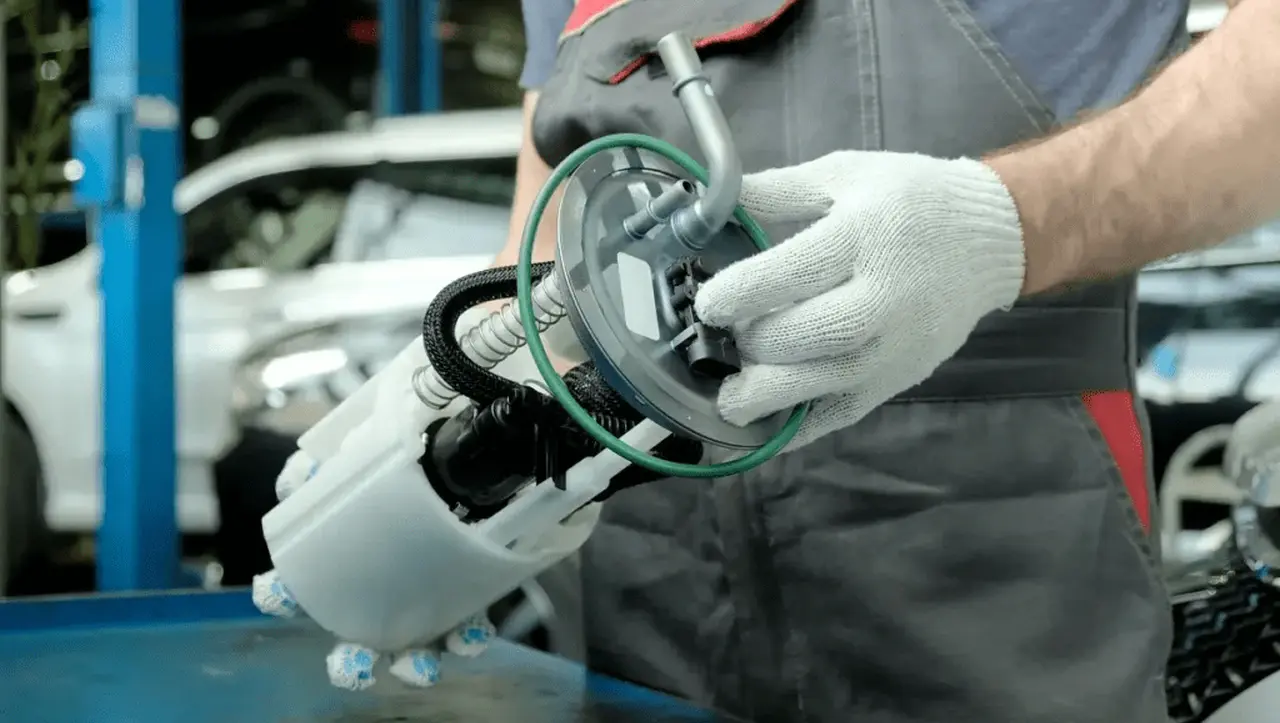
The fuel pump is one of the most critical components of a vehicle's fuel system. Its primary function is to deliver fuel from the fuel tank to the engine at the correct pressure. When the fuel pump develops a fault, it can directly affect engine performance. Problems such as difficulty starting, engine hesitation, or poor acceleration are often linked to a failing fuel pump. So, how can you recognize a fuel pump failure, what causes it, and how can it be fixed?
Fuel pump failures can occur in both gasoline and diesel vehicles. In most modern vehicles, the fuel pump is located inside the fuel tank and is electronically controlled.
What Does a Fuel Pump Do?
The main functions of a fuel pump are:
-
Draw fuel from the fuel tank
-
Deliver fuel to the engine at the correct pressure
-
Maintain a continuous fuel supply
If the pump cannot generate sufficient pressure, the engine will not operate properly.
Symptoms of a Failing Fuel Pump
When the fuel pump begins to fail, several symptoms may appear.
The most common signs include:
-
Hard starting
-
Engine hesitation
-
Poor acceleration
-
Engine stalling
-
Engine cranks but does not start
-
Unusual noise from the fuel tank
-
Check Engine Light illumination
Hard Starting
When the fuel pump weakens, it takes longer to build the required fuel pressure.
As a result:
-
Extended cranking
-
Delayed engine start
-
Difficulty starting, especially in the morning
may occur.
Engine Hesitation During Acceleration
If the fuel pressure is insufficient, the engine cannot receive enough fuel.
This can lead to:
-
Hesitation during sudden acceleration
-
Loss of power while climbing hills
-
Engine stumbling under load
Loss of Engine Power
A weak fuel pump may cause the vehicle to:
-
Accelerate poorly
-
Feel sluggish
-
Respond slowly to the accelerator pedal
Power loss is often more noticeable at higher engine speeds.
Engine Stalling
A severely worn or failing fuel pump may cause:
-
Stalling while idling
-
Unexpected engine shutdown while driving
These issues can become serious safety concerns.
Engine Cranks but Will Not Start
If the fuel pump fails completely:
-
The starter motor will crank normally.
-
However, the engine will not start because no fuel reaches it.
This is one of the most common signs of complete fuel pump failure.
Fuel Pump Noise
A failing fuel pump may produce:
-
A high-pitched whining sound
-
Humming noises
-
Loud operating sounds
These noises are often most noticeable when the ignition is switched on.
Check Engine Light May Turn On
In some vehicles, the engine control unit (ECU) can detect low fuel pressure.
As a result:
-
The Check Engine Light may illuminate.
-
Fuel pressure-related diagnostic trouble codes (DTCs) may be stored.
What Causes a Fuel Pump to Fail?
Several factors can contribute to fuel pump failure.
The most common causes include:
-
Frequently driving with a low fuel level
-
Contaminated fuel
-
A clogged fuel filter
-
Electrical connection problems
-
Normal pump wear
-
Poor-quality fuel
Regularly driving with an almost empty fuel tank can significantly shorten the pump's service life.
Is Driving with a Low Fuel Level Harmful?
Yes.
In most vehicles, the fuel pump is submerged in fuel, which helps cool and lubricate it.
If the fuel level is consistently very low:
-
The pump may overheat.
-
Its lifespan can be significantly reduced.
What Happens If the Fuel Filter Is Clogged?
A clogged fuel filter can:
-
Put additional strain on the fuel pump
-
Reduce fuel pressure
-
Cause engine performance problems
Ignoring fuel filter replacement intervals can accelerate fuel pump wear.
How Is a Fuel Pump Checked?
A fuel pump can be diagnosed using several methods, including:
-
Fuel pressure testing
-
Electrical circuit inspection
-
Fuel pump sound inspection
-
Diagnostic scan tool testing
In some cases, the problem may be caused by a faulty relay or blown fuse rather than the fuel pump itself.
Can a Fuel Pump Be Repaired?
Some minor electrical faults can be repaired.
However, in most cases, the recommended solution is:
-
Fuel pump replacement
-
Fuel filter replacement
This generally provides the most reliable long-term repair.
What Happens If a Fuel Pump Failure Is Ignored?
Ignoring a faulty fuel pump may lead to:
-
Vehicle breakdowns
-
Damage to the fuel injection system
-
Poor engine performance
-
Unexpected engine stalling at high speeds
These problems can create serious safety risks.
Conclusion
The fuel pump is a vital component that ensures the engine receives a steady supply of fuel at the proper pressure. Symptoms such as:
-
Hard starting
-
Poor throttle response
-
Engine hesitation
-
Loss of power
-
Engine stalling while driving
may indicate a failing fuel pump.
Fuel system problems should never be ignored. Detecting and repairing a faulty fuel pump early can reduce repair costs and help prevent more serious damage to the vehicle's fuel injection system.