TR
TR EN
EN

What Is Engine Blow-By? Causes, Symptoms, and How to Check It
One of the most common phrases you'll hear when buying a used car or diagnosing engine performance issues is "engine blow-by." But what exactly does engine blow-by mean? What causes it, and does it always indicate a serious engine problem?
Understanding engine blow-by can help you avoid expensive surprises and better assess an engine's overall condition.
Engine blow-by occurs when some of the combustion gases inside the cylinders escape past the piston rings and enter the crankcase. Under normal conditions, the piston rings create a tight seal that keeps combustion pressure inside the cylinders. However, when the rings or cylinder walls become worn or damaged, this seal weakens, allowing pressurized gases to leak into the crankcase.
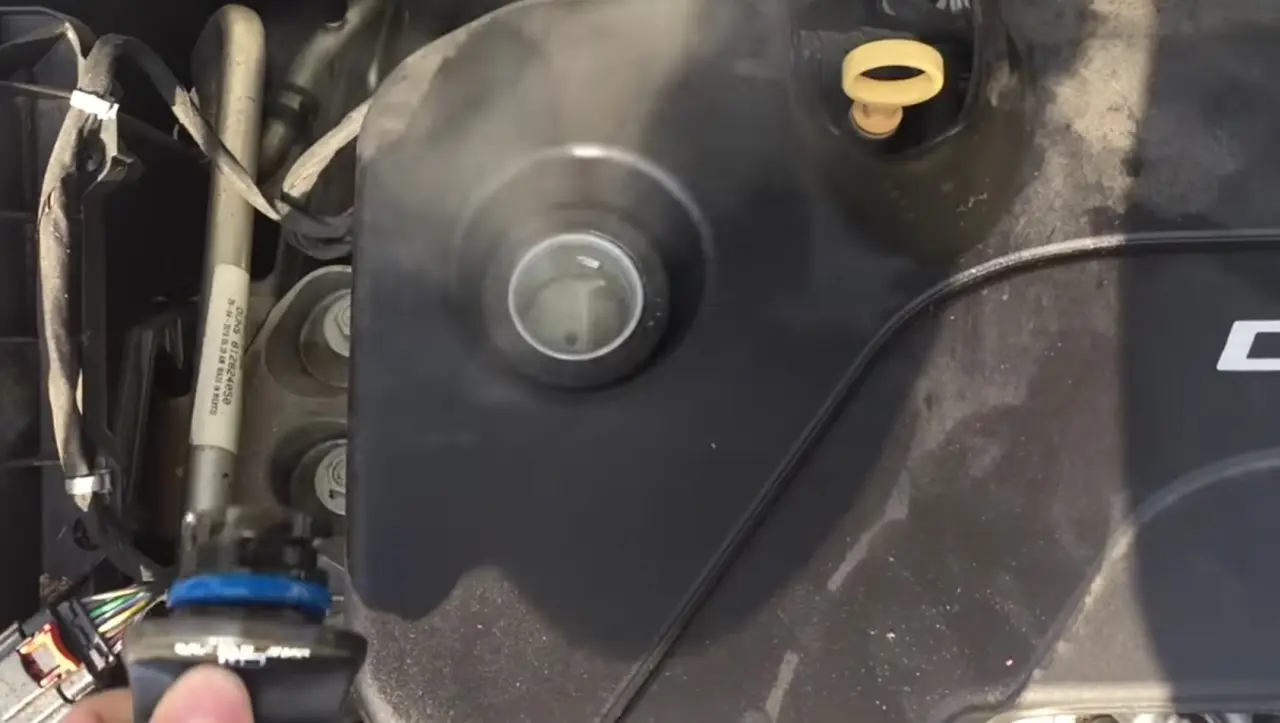

As these gases accumulate, they create pressure inside the engine, which may become noticeable through the oil filler cap or dipstick tube.
A small amount of blow-by is completely normal in all internal combustion engines. However, excessive crankcase pressure, visible smoke, or strong air escaping from the engine usually indicates significant internal wear.
What Causes Engine Blow-By?
The most common cause of engine blow-by is worn piston rings. Over time, constant friction, high operating temperatures, and inadequate lubrication reduce the rings' ability to seal the combustion chamber effectively.
Other common causes include:
-
Worn or scored cylinder walls
-
Cylinder bore wear or out-of-round cylinders
-
High engine mileage
-
Poor maintenance
-
Extended oil change intervals
-
Low-quality engine oil
-
Engine overheating
-
Damaged pistons or piston rings
In turbocharged engines, turbocharger problems can indirectly contribute to increased engine wear if they lead to improper air-fuel mixtures or abnormal operating conditions.
Symptoms of Excessive Engine Blow-By
Vehicles with excessive blow-by often exhibit several noticeable symptoms.
Common signs include:
-
Smoke escaping from the oil filler cap
-
Strong air pressure coming from the oil dipstick tube
-
Excessive engine oil consumption
-
Reduced engine performance
-
Blue smoke from the exhaust
-
Increased fuel consumption
When several of these symptoms occur together, they often indicate substantial internal engine wear.
How to Check for Engine Blow-By
There are several methods for checking engine blow-by, ranging from simple visual inspections to professional diagnostic tests.
Oil Filler Cap Test
One of the quickest checks is performed with the engine idling.
Carefully loosen the oil filler cap while the engine is running.
A slight amount of movement or gentle vapor is generally considered normal.
However, if:
-
Strong pressure pushes the cap upward
-
Large amounts of smoke escape
-
The cap is forced off its seat
the engine may have excessive blow-by.
Oil Dipstick Test
Another simple inspection involves removing the oil dipstick while the engine is running.
If excessive gases or noticeable pressure escape through the dipstick tube, it may indicate worn piston rings or cylinder wear.
Compression Test
A compression test is one of the most reliable methods for evaluating internal engine condition.
By measuring compression pressure in each cylinder, technicians can identify:
-
Worn piston rings
-
Cylinder wall wear
-
Valve sealing problems
Low or uneven compression readings often point to internal engine wear.
Leak-Down Test
An even more accurate diagnostic procedure is the cylinder leak-down test.
This test introduces compressed air into each cylinder and measures how much air escapes, helping technicians pinpoint whether leakage occurs through:
-
Piston rings
-
Intake valves
-
Exhaust valves
-
Head gasket
It is considered one of the most effective methods for diagnosing excessive blow-by.
Can Engine Blow-By Be Repaired?
In most cases, excessive engine blow-by cannot be permanently fixed without internal engine repairs.
Depending on the severity of the wear, repairs may include:
-
Replacing piston rings
-
Honing the cylinder walls
-
Rebuilding the engine
-
Complete engine overhaul
Some products claim to reduce blow-by by using thicker engine oils or oil additives. While these solutions may temporarily reduce symptoms, they do not repair worn engine components and should not be considered permanent fixes.
Should You Buy a Car with Engine Blow-By?
The answer depends on the severity of the problem.
A vehicle with minor, normal blow-by may still provide many years of reliable service.
However, if the engine shows excessive crankcase pressure, heavy smoke, poor compression, or significant oil consumption, major engine repairs are likely in the near future.
Before purchasing a used vehicle with suspected blow-by, it is highly recommended to:
-
Obtain a professional pre-purchase inspection
-
Request a compression test
-
Perform a leak-down test if necessary
-
Review the vehicle's maintenance history
Conclusion
Engine blow-by is an important indicator of an engine's internal condition. While a small amount is normal in all engines, excessive blow-by usually signals worn piston rings, cylinder wear, or other internal engine damage.
If you're considering buying a used vehicle, don't judge it solely by its appearance. Evaluating the engine's internal health through proper testing can help you avoid costly repairs later. A bargain-priced car today could easily become an expensive engine rebuild tomorrow.