TR
TR EN
EN

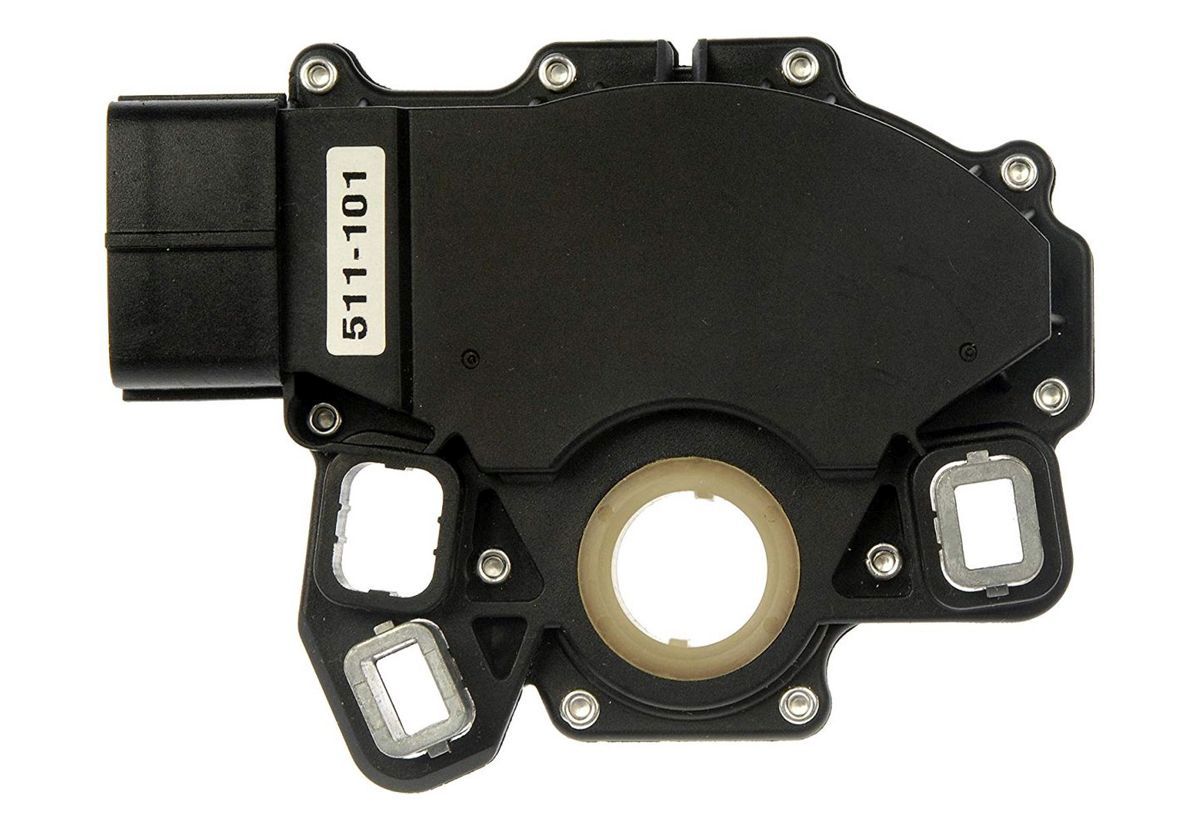
What Is a Transmission Position Sensor? Symptoms of Failure
A transmission position sensor detects the selected gear or transmission position and sends this information to the transmission control system. It is especially important in automatic and automated transmissions because the control unit uses its signal to determine whether the transmission is in Park, Reverse, Neutral, Drive, or another gear position.
A faulty sensor can cause incorrect gear recognition, starting problems, warning lights, or abnormal transmission behavior.
How Does a Transmission Position Sensor Work?
The sensor monitors the position of the transmission selector mechanism. Depending on the vehicle, it may be called a Transmission Range Sensor (TRS), Transmission Position Sensor, or Neutral Safety Switch.
Its signal is used by the transmission control module and engine control module for several functions, including:
-
Identifying the selected gear
-
Allowing the engine to start only in the correct positions
-
Controlling automatic gear changes
-
Activating the reverse lights
-
Managing certain safety and torque-control functions
-
Communicating the transmission position to other control modules
Some vehicles use a mechanical switch, while others use electronic position sensing.
Symptoms of a Faulty Transmission Position Sensor
A failing position sensor can produce several different symptoms depending on the type of transmission and the nature of the fault.
Incorrect gear indication
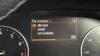
The dashboard may display a gear that does not match the position selected by the driver. For example, the transmission may be in Reverse while the instrument cluster indicates Neutral.
Engine will not start
If the sensor cannot correctly identify Park or Neutral, the vehicle may prevent the starter from operating. In some cases, moving the selector slightly may allow the engine to start.
Starting in the wrong position
A more serious fault can cause incorrect gear-position recognition. This should be treated as a safety issue because the vehicle may behave differently from what the driver expects.
Transmission enters limp mode
The transmission control module may detect an implausible position signal and activate a failsafe mode. The transmission may remain in one gear or shift very harshly.
Harsh or delayed gear changes
Incorrect position information can affect transmission control strategy. This may result in delayed engagement, harsh shifting, or unexpected gear changes.
Reverse lights do not work correctly
Because the transmission position signal can also be used to control the reverse lights, a faulty sensor or its wiring may prevent the lights from operating when Reverse is selected.
Warning light appears
A transmission warning, check-engine light, or other warning message may appear when the control module detects an abnormal position signal.
What Causes Transmission Position Sensor Failure?
The sensor itself is not always the problem. Common causes include:
-
Internal sensor wear
-
Damaged electrical contacts
-
Corrosion in the connector
-
Broken or damaged wiring
-
Poor adjustment of the selector mechanism
-
Water or oil contamination
-
Mechanical wear in the transmission linkage
-
Loose mounting
-
Problems with the transmission control module
-
Incorrect sensor installation
On some vehicles, the sensor is integrated into a larger transmission selector assembly, making diagnosis more important before replacing parts.
How Is the Problem Diagnosed?
Diagnosis should begin with a diagnostic scanner. The technician should check whether the position reported by the control module matches the actual selector position.
Live data is particularly useful. The selector can be moved through P, R, N, D, and other positions while observing the sensor signal.
The wiring and connector should also be inspected. A sensor may appear faulty on the scanner when the actual problem is a damaged wire, poor connection, or incorrect adjustment.
If the sensor is mechanically adjustable, its position should be checked according to the vehicle manufacturer's specifications.
Can You Drive With a Faulty Position Sensor?
It depends on the symptoms. If the transmission is shifting normally but the sensor occasionally produces an incorrect signal, the vehicle may continue to operate temporarily. However, driving should not be considered safe if the vehicle has difficulty identifying gears, starts unexpectedly, refuses to start, or enters limp mode.
A transmission position sensor is directly related to gear selection and vehicle safety, so the fault should be diagnosed rather than ignored.
Sensor Replacement Is Not Always the Solution
Replacing the transmission position sensor without testing the wiring, selector mechanism, and live data can lead to unnecessary expense. A correct diagnosis should determine whether the problem is the sensor itself, its adjustment, the electrical circuit, or another transmission component.
When the sensor is replaced, correct positioning and calibration are also important on many modern vehicles.