TR
TR EN
EN

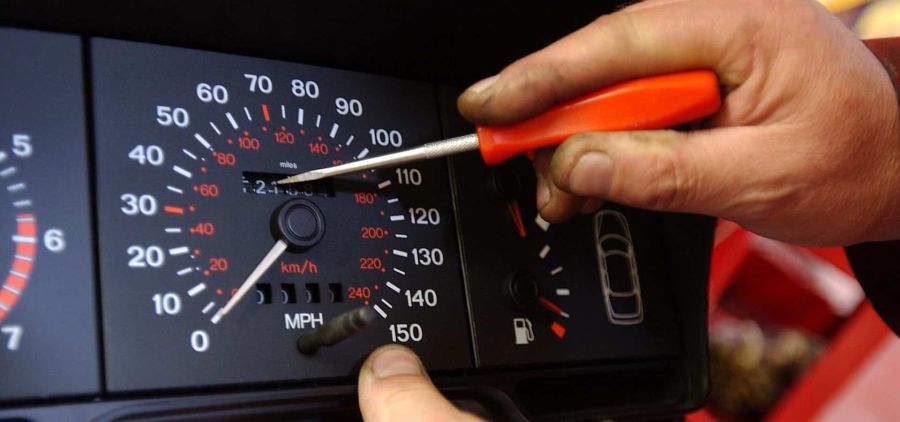
How Can You Tell if a Car's Mileage Has Been Rolled Back?
When buying a used car, one of the most important things to verify is the vehicle's actual mileage. Seeing 120,000 miles or kilometers on the instrument cluster does not necessarily mean that the vehicle has actually covered that distance.
Mileage rollback can make a heavily used vehicle appear much less used than it really is. Detecting it is not always easy, especially on modern vehicles where mileage information can be stored in multiple electronic systems. For this reason, you should not rely on a single clue. The vehicle's history, electronic data, mechanical condition and signs of wear should all be considered together.
Start With the Vehicle's History
One of the strongest ways to check mileage is to compare mileage records from different points in the vehicle's history.
Previous service visits, maintenance records, inspection records, warranty work and other documented events may contain mileage information.
For example, imagine the records show:
4 years ago: 112,000 km
2 years ago: 148,000 km
Today: 96,000 km
This would be a major warning sign.
Mileage should normally increase over time. If an older record shows a higher mileage than the number currently displayed on the dashboard, the vehicle requires further investigation.
Check Service and Maintenance Records
Service records can provide valuable clues about a vehicle's actual mileage.
Oil changes, brake work, timing belt replacement, clutch replacement, transmission service and scheduled maintenance may have been recorded along with the vehicle's mileage.
For example, if a maintenance invoice shows 165,000 km but the dashboard currently shows 128,000 km, there is a strong reason to suspect that the mileage has been altered.
Ideally, don't rely on just one service record. Compare as many records from different dates as possible.
Compare Inspection Records
Vehicle inspection records can also be useful when checking mileage.
Arrange the available records chronologically and look at how the mileage changed over time.
For example:
2020 → 95,000 km
2022 → 137,000 km
2024 → 178,000 km
2026 → 126,000 km
A pattern like this requires a clear explanation.
The availability and format of inspection mileage records vary between countries, so the records available for the vehicle should be evaluated according to the local system.
Look Closely at the Steering Wheel
The steering wheel can provide useful physical clues about how much a vehicle has been used.
A heavily used steering wheel may show:
-
Shiny or polished leather
-
Peeling or worn surfaces
-
Worn stitching
-
Thinning of the outer material
-
Heavily worn buttons
For example, if a vehicle claims to have only 80,000 km but the steering wheel looks like it has been used for several hundred thousand kilometers, the vehicle deserves closer inspection.
However, steering-wheel wear depends on the driver's habits, hand moisture, use of steering-wheel covers and the quality of the material. It should therefore be treated as supporting evidence rather than proof.
Check the Pedals
The brake, clutch and accelerator pedals can also reveal how heavily a vehicle has been used.
Severe wear on the pedal surfaces can suggest extensive use, particularly when combined with wear in other areas of the interior.
However, pedal rubbers are inexpensive and relatively easy to replace. A new pedal cover does not prove anything by itself.
If the pedal rubbers look new while the steering wheel, gear selector and driver's seat show heavy wear, the vehicle should be examined more carefully.
Inspect the Gear Selector
On manual vehicles, the gear knob and gear-shift boot can provide additional clues.
A heavily polished gear knob, worn lettering or damaged shift boot may not be consistent with a genuinely low-mileage vehicle.
Automatic vehicles can also be inspected around the gear selector, selector buttons and surrounding trim.
Remember that these components can also be replaced, so they should never be used as the only evidence.
Examine the Driver's Seat
The driver's seat can be one of the most revealing parts of a vehicle's interior.
Look for:
-
Collapsed side bolsters
-
Worn leather or fabric
-
Deformed seat foam
-
Damaged stitching
-
Heavy wear on the outer edge of the seat
The area used when getting into and out of the vehicle is particularly important.
A vehicle showing very low mileage but having a severely worn driver's seat should raise questions about its history.
Check the Seat Belt and Door Handles
The driver's seat belt can become worn after being used thousands of times.
Look for fraying, surface wear, discoloration or other signs of extensive use.
The driver's interior door handle, window switches and central locking buttons can also show significant wear over time.
Individually, these details may mean very little. When several of them point toward heavy use, however, they become much more useful.
Inspect Interior Buttons and Controls
Steering-wheel buttons, climate controls, multimedia controls and power-window switches can provide additional clues.
A vehicle claiming to have very low mileage but showing extensive wear on its interior controls deserves further investigation.
Comparing the interior with another vehicle of the same model and similar age can also help you determine whether the level of wear seems normal.
Scan the Vehicle's Electronic Control Units
Modern vehicles may store mileage-related information in more than just the instrument cluster.
Depending on the vehicle, information may be available in systems such as:
-
Engine control module
-
Transmission control module
-
ABS module
-
Body control module
-
Instrument cluster
-
Other electronic control units
A proper diagnostic scan may reveal inconsistencies between different modules.
However, there is an important point to remember: not every vehicle stores mileage information in the same way.
Therefore, claims such as “We connected a diagnostic scanner and found the exact original mileage” should not automatically be trusted. The information available depends on the vehicle's electronic architecture and the diagnostic equipment being used.
Check Stored Fault Information
Fault records can sometimes provide useful mileage-related clues.
On some vehicles, when a fault occurs, the control system may store information such as the mileage at which the event happened or the engine operating hours.
For example, if the dashboard shows 90,000 km but an older fault record contains a significantly higher mileage, this discrepancy should be investigated.
Not every diagnostic trouble code contains this information, however, so the usefulness of this method varies between vehicles.
Engine Operating Hours Can Provide Another Clue
Some modern vehicles store total engine operating hours electronically.
This information does not provide the exact mileage by itself, but it can help establish whether the displayed mileage seems reasonable.
For example, a vehicle showing extremely low mileage but having an unusually high number of engine operating hours may deserve closer examination.
Heavy traffic, long periods of idling and commercial use can all increase engine operating hours, so this information must be interpreted carefully.
Look at the Tires
The tires can provide additional information about a vehicle's history.
Check their production dates, tread wear and overall condition.
If a vehicle is claimed to have extremely low mileage but has gone through several sets of tires, it may be worth asking why.
However, tire replacement does not prove mileage rollback. Tires can wear prematurely because of incorrect alignment, aggressive driving, poor road conditions or age.
Therefore, tire condition should be considered supporting evidence rather than definitive proof.
Inspect the Brakes and Mechanical Components
Brake discs, clutch components, suspension parts, steering components and other mechanical parts can also provide clues about how extensively the vehicle has been used.
For example, a vehicle advertised with very low mileage but showing significant wear on several mechanical components deserves further investigation.
However, mechanical wear varies greatly depending on driving style, road conditions, climate and maintenance. A component being replaced does not automatically mean that the mileage has been altered.
Don't Focus Only on Paint and Accident Damage
When buying a used vehicle, many buyers concentrate on paintwork, replaced panels and accident damage.
These checks are important, but mileage verification requires a broader inspection.
If you suspect mileage rollback, consider having the following checked:
-
Diagnostic system and electronic control units
-
Service and maintenance history
-
Engine operating information
-
Interior wear
-
Engine condition
-
Transmission condition
-
Brake system
-
Suspension components
The more independent pieces of information you can compare, the easier it becomes to identify inconsistencies.
Be Careful With “Low Mileage” Claims
Low mileage can significantly increase the appeal and value of a used vehicle.
However, low mileage does not automatically mean that the vehicle is in better condition.
A low-mileage vehicle used almost exclusively for short trips and heavy city driving can sometimes experience more severe wear in certain components than a higher-mileage vehicle that has been regularly driven on longer journeys.
Mileage is important, but how the vehicle was used is important too.
What Are the Biggest Warning Signs?
A vehicle deserves closer inspection when several of the following conditions appear together:
-
Current mileage does not match historical records
-
Electronic systems contain inconsistent mileage-related information
-
Interior wear seems excessive for the displayed mileage
-
Steering wheel, pedals or gear selector show heavy wear
-
Driver's seat is significantly worn
-
Previous records contain unexplained mileage changes
-
The seller cannot provide convincing maintenance history
-
The vehicle's mechanical condition does not seem consistent with the claimed mileage
None of these signs should automatically be treated as conclusive on its own. The goal is to identify inconsistencies and then investigate them.
The Best Way to Detect Mileage Rollback
There is no single component or diagnostic scan that can reliably expose mileage manipulation on every vehicle.
The most effective approach is to compare the vehicle's historical records, electronic information, mechanical condition and physical wear.
The displayed mileage should make sense when compared with the vehicle's service history, interior condition, mechanical components and electronic records.
When buying a used vehicle, don't simply look at the number on the instrument cluster. A genuine mileage figure should tell a consistent story across the entire vehicle.
The more pieces of evidence that agree with each other, the more confidence you can have in the vehicle's claimed mileage.