TR
TR EN
EN

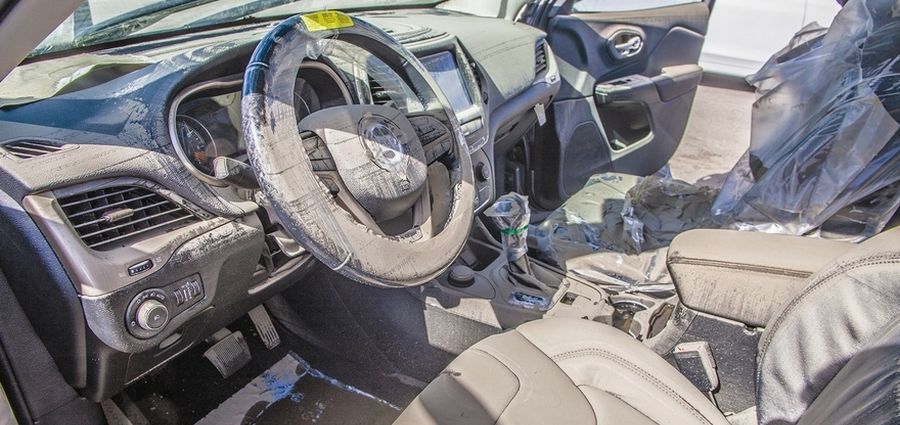
Can You Buy a Flood-Damaged Car? Signs of Flood Damage
Buying a used car always requires some investigation, but a vehicle that has been exposed to floodwater deserves extra caution. Flood damage is not always obvious from the outside. A car can look clean, start normally, and even drive reasonably well while hidden corrosion and electrical problems are developing underneath the carpets, inside connectors, wiring harnesses, control modules, and other components.
This is why a flood-damaged car can become one of the riskiest types of used vehicles to purchase.
A car that has been properly repaired after limited water exposure is not necessarily worthless. However, the depth of the water, the type of water, how long the vehicle remained submerged, which components were affected, and the quality of the repair all make a major difference.
What Is a Flood-Damaged Car?
A flood-damaged car is a vehicle that has been exposed to water at a level or in a manner capable of damaging its mechanical, electrical, electronic, interior, or structural components.
The severity can vary considerably.
Water that reaches only the lower part of the cabin may damage carpets, seat wiring, connectors, and electronic modules located near the floor. Water that rises into the dashboard can reach major control units and wiring harnesses. A vehicle that has been deeply submerged may suffer damage to the engine, transmission, fuel system, airbags, and other critical systems.
Saltwater flooding is particularly problematic because salt accelerates corrosion and can continue causing electrical problems long after the vehicle has been dried.
Can a Flood-Damaged Car Look Completely Normal?
Yes.
This is one of the biggest dangers when buying a flood-damaged vehicle.
A professional-looking repair can hide many signs of previous water exposure. The interior may have been cleaned, carpets replaced, seats changed, and damaged electronic components replaced.
The car may then start and drive normally during a short test drive.
The problem is that water damage can be progressive. Corrosion inside an electrical connector, for example, may not immediately cause a fault. Months later, resistance can increase or a connection can become intermittent, causing warning lights, communication errors, starting problems, or unexpected electrical failures.
Therefore, a clean appearance does not prove that a car has never been flooded.
The Most Common Signs of Flood Damage
There is rarely one single sign that proves a vehicle has been flooded. Instead, buyers should look for a combination of clues.
Musty or unusual interior smell
A persistent damp, moldy, or musty smell can be an important warning sign.
Some sellers use strong air fresheners or cleaning products to hide the smell. If the vehicle smells unusually perfumed, it is worth investigating why.
Dampness under the carpets
Lift the carpets or inspect areas that are normally difficult to see.
Check the carpeting, insulation, floor panels, and areas beneath the seats. Water can remain trapped in insulation materials for a surprisingly long time.
Water stains
Look for unusual stains on:
-
Carpets
-
Seat rails
-
Door panels
-
Headliner
-
Trunk lining
-
Spare-wheel well
-
Interior plastics
-
Seat belts
Water lines or discoloration can be particularly suspicious.
Rust in unusual places
Some surface rust is normal on an older vehicle, but corrosion in normally protected areas can be a warning sign.
Pay particular attention to seat rails, bolts under the seats, electrical connectors, brackets, hinges, and areas underneath the dashboard.
Check the Seat Belts
Seat belts can provide useful clues.
Pull the seat belts out completely and inspect the webbing for discoloration, staining, unusual dirt, or water marks.
Also check the lower mounting points and belt mechanisms for corrosion.
A flood-damaged vehicle may have had its interior cleaned extensively, but small metal components associated with the seat-belt system can still reveal previous water exposure.
Inspect Under the Seats
The area beneath the seats is one of the places buyers should examine carefully.
Modern vehicles often have wiring, connectors, sensors, airbag components, and sometimes electronic modules underneath or near the seats.
Look for:
-
Green or white corrosion on connectors
-
Rust on metal brackets
-
Mud or dirt deposits
-
Water stains
-
Damaged wiring insulation
-
Unusual replacement wiring
-
Signs that the carpet has been removed
A vehicle that has clearly had its interior dismantled deserves additional investigation.
Check the Spare-Wheel Well
The trunk and spare-wheel compartment are often overlooked.
Open the trunk, remove the floor covering, and inspect the spare-wheel well.
Look for standing-water marks, mud, rust, moisture, corrosion, or an unusual amount of dirt.
This area can retain evidence of flooding even when the visible trunk carpet has been cleaned or replaced.
Look at Electrical Connectors
Modern cars contain a large number of electrical connectors throughout the vehicle.
Water intrusion can leave behind corrosion that is not immediately visible.
When possible, inspect accessible connectors for:
-
Green corrosion
-
White oxidation
-
Discoloration
-
Water residue
-
Damaged seals
-
Signs of cleaning
-
Non-factory wiring repairs
A particularly important warning sign is corrosion inside a connector rather than simply on an exposed metal surface.
Check the Fuse Boxes
Fuse boxes should also be inspected carefully.
Look for corrosion, oxidation, water marks, and contamination around the terminals.
A fuse box that appears unusually clean compared with the surrounding components may also deserve closer inspection, especially if there are other signs that the vehicle has been extensively cleaned.
Look Under the Dashboard
The underside of the dashboard can reveal evidence that is difficult to hide.
Inspect the wiring harnesses, connectors, brackets, insulation, and accessible control modules.
If there are signs of mud, dried sediment, corrosion, or water lines, investigate further.
The exact location of electronic modules varies considerably between vehicles, so knowing where the major control units are located can make a professional inspection much more effective.
Check the Engine Bay
Floodwater can enter the engine compartment and leave behind contamination or corrosion.
Inspect:
-
Electrical connectors
-
Alternator
-
Starter motor
-
Wiring
-
Sensors
-
Engine control components
-
Fuse boxes
-
Transmission wiring
-
Metal brackets
A dirty engine bay is not automatically evidence of flooding. However, unusual mud deposits in protected areas or corrosion on electrical components can be significant when combined with other clues.
Check the Engine Oil
Engine oil can provide another useful clue, although it is not a definitive flood test.
Check the oil level and condition.
If water has entered the engine, the oil may become unusually cloudy or develop a milky appearance. However, this is not always present, particularly if the water never entered the engine or the oil was changed after the flooding.
Therefore, normal-looking engine oil does not eliminate the possibility of flood damage.
Check the Transmission Fluid
The same principle applies to automatic and manual transmissions.
Water contamination can cause serious problems inside a transmission, especially if the vehicle was submerged deeply.
Depending on the vehicle and transmission design, inspect the fluid condition according to the manufacturer's recommended procedure.
A professional inspection is preferable because many modern transmissions do not have a conventional dipstick.
Inspect the Air Filter
The air-intake system can sometimes reveal evidence of water ingestion.
Check the air filter and airbox for:
-
Mud
-
Water stains
-
Dirt deposits
-
Debris
-
Unusual contamination
A heavily contaminated airbox can be suspicious, particularly if the vehicle has been exposed to significant standing water.
Check the Headlights and Taillights
Moisture inside lighting assemblies can be another clue.
Inspect the headlights, taillights, fog lights, and other exterior lamps for:
-
Condensation
-
Water marks
-
Mud residue
-
Corrosion
-
Damaged seals
Some condensation can occur normally, so this should not be treated as proof of flood damage by itself.
Scan the Car for Diagnostic Trouble Codes
A professional diagnostic scan is extremely important when buying a suspicious used car.
Modern vehicles contain multiple electronic control modules that communicate over the vehicle network.
Flood damage can cause problems in systems such as:
-
Engine control
-
Transmission control
-
Airbags
-
ABS
-
Body control
-
Instrument cluster
-
Parking sensors
-
Cameras
-
Infotainment
-
Steering systems
-
HVAC
A scan may reveal communication errors, sensor faults, airbag faults, or historical problems that are not visible during a normal test drive.
However, a clean diagnostic scan does not prove that the vehicle has never been flooded.
Look for Inconsistent Electrical Problems
Intermittent electrical faults are particularly suspicious in a vehicle with possible water damage.
Examples include:
-
Random warning lights
-
Windows operating intermittently
-
Central locking problems
-
Interior lights behaving strangely
-
Airbag warnings
-
Parking sensor failures
-
Infotainment resets
-
Battery discharge
-
Starting problems
-
Unexplained communication errors
-
Multiple unrelated fault codes
A single electrical problem does not automatically mean flood damage, but several unrelated electrical issues can justify a much deeper inspection.
Check for Fresh or Unusual Wiring Repairs
Flood-damaged cars sometimes require extensive electrical repairs.
Inspect the wiring for non-factory splices, crimp connectors, electrical tape, replacement terminals, or sections of harness that do not match the surrounding factory wiring.
A repaired wiring harness is not necessarily a problem. The question is why it was repaired and whether the repair was performed correctly.
Poorly repaired wiring can create problems months or years later.
Check the Car's History
Vehicle history can be extremely valuable.
Depending on the country and available records, investigate whether the vehicle has previously been classified as:
-
Flood damaged
-
Water damaged
-
Salvage
-
Total loss
-
Insurance write-off
-
Rebuilt
-
Reconstructed
Be careful with vehicles that have moved between regions or countries.
A car may have received a different title or registration status after being transported from one jurisdiction to another. A clean-looking registration document therefore should not automatically be interpreted as proof that the vehicle has never suffered serious water damage.
Can a Flood-Damaged Car Be Repaired Properly?
Yes, in some cases.
The key question is how much water entered the vehicle and what was affected.
A vehicle exposed to shallow water may require relatively limited repairs. A deeply submerged vehicle can be a completely different situation.
Professional restoration may involve replacing:
-
Wiring harnesses
-
Electronic control modules
-
Airbag components
-
Carpets and insulation
-
Seat components
-
Sensors
-
Connectors
-
Interior trim
-
Fluids
-
Bearings
-
Lighting assemblies
In severe cases, the cost of properly restoring the vehicle can become extremely high.
Why Flood Damage Can Appear Months Later
One of the biggest problems with flood-damaged cars is delayed failure.
Water does not necessarily destroy an electronic component immediately.
Instead, moisture can remain inside connectors and wiring. Over time, corrosion develops. Electrical resistance changes, terminals lose contact quality, and communication between control modules becomes unreliable.
This can result in faults that appear weeks or months after the vehicle was supposedly repaired.
For this reason, a short test drive is not enough to evaluate a suspicious vehicle.
Is Saltwater Flood Damage Worse?
Generally, yes.
Saltwater is particularly destructive because dissolved salts increase electrical conductivity and accelerate corrosion.
A vehicle exposed to saltwater can develop corrosion in electrical connectors, wiring, metal components, sensors, and electronic modules.
Even if the vehicle is thoroughly cleaned, corrosion that has already started inside connectors or components may continue to cause problems.
A deeply submerged saltwater vehicle should therefore be treated with extreme caution.
Can Flood Damage Affect the Airbag System?
Yes, and this is one of the most serious concerns.
Airbag control modules, sensors, wiring, and connectors can be affected by water.
The absence of an airbag warning light does not automatically prove that the system is safe.
If there is any suspicion of flood damage, the restraint system should be inspected using professional diagnostic equipment and physical inspection methods.
This is not an area where a buyer should rely solely on a seller's statement that everything works normally.
Can Flood Damage Affect the Brakes and ABS?
Yes.
Water can affect ABS sensors, electrical connectors, wheel-speed sensors, brake components, and related wiring.
In severe cases, prolonged exposure to water can also cause corrosion in mechanical brake components.
Any vehicle suspected of significant flooding should have its braking and ABS systems professionally inspected before being driven regularly.
Can Flood Damage Damage the Fuel System?
Depending on the depth of the flooding, water can reach components of the fuel system.
The fuel tank, fuel pump, electrical connections, injectors, and related components may be affected.
Water contamination in fuel can cause poor running, difficult starting, misfires, corrosion, and fuel-system problems.
Should You Buy a Flood-Damaged Car?
In most cases, buying a flood-damaged car is a high-risk decision, especially when the extent of the damage is unknown.
A flood-damaged vehicle may be worth considering only when several important conditions are satisfied:
-
The exact flooding history is known.
-
The depth and type of water exposure are documented.
-
The vehicle was repaired professionally.
-
Damaged electronic and safety components were properly replaced.
-
The wiring has been inspected.
-
The vehicle passes a comprehensive diagnostic scan.
-
The mechanical systems have been inspected.
-
The purchase price reflects the remaining risk.
-
You understand that future electrical problems may still occur.
If the seller cannot explain the vehicle's history or refuses an independent inspection, walking away is usually the safer decision.
What Makes a Flood-Damaged Car Especially Risky?
The biggest warning signs are not necessarily the most dramatic ones.
A car with obvious mud inside the cabin is easy to identify.
A car that has been professionally cleaned, has a new carpet, replacement seats, repaired wiring, and a fresh interior can be much harder to recognize.
That is why multiple small inconsistencies are often more important than one obvious defect.
For example, if a car has a clean interior but rust underneath the seats, corrosion inside connectors, unusual electrical faults, fresh wiring repairs, and evidence of water lines in the trunk, those clues together create a much stronger case for possible flood exposure.
Professional Inspection Is Worth the Money
If you are seriously considering a vehicle with possible flood damage, have it inspected independently.
A proper inspection should go beyond paint thickness and a basic mechanical check.
The inspector should examine the interior, under-carriage, electrical system, connectors, control modules, diagnostic history, engine, transmission, fluids, and areas where water could have accumulated.
For suspicious vehicles, paying for a more comprehensive inspection before purchasing can save considerably more money later.
The Bottom Line
A flood-damaged car can sometimes be restored, but that does not mean every repaired flood vehicle is a good purchase.
The biggest danger is hidden damage. Water can enter places that are difficult to inspect and can create electrical and corrosion problems that appear long after the vehicle has been cleaned and sold.
Musty smells, water stains, corrosion under the seats, damaged wiring, contaminated fluids, moisture in lights, unusual electrical faults, and suspicious diagnostic codes should all be taken seriously.
If the vehicle's flood history is unclear, the repair quality cannot be verified, or the seller refuses an independent inspection, the safest choice is usually to walk away.
A cheap purchase price is not necessarily a bargain when the car may later require expensive electrical, electronic, mechanical, or safety-system repairs.