TR
TR EN
EN

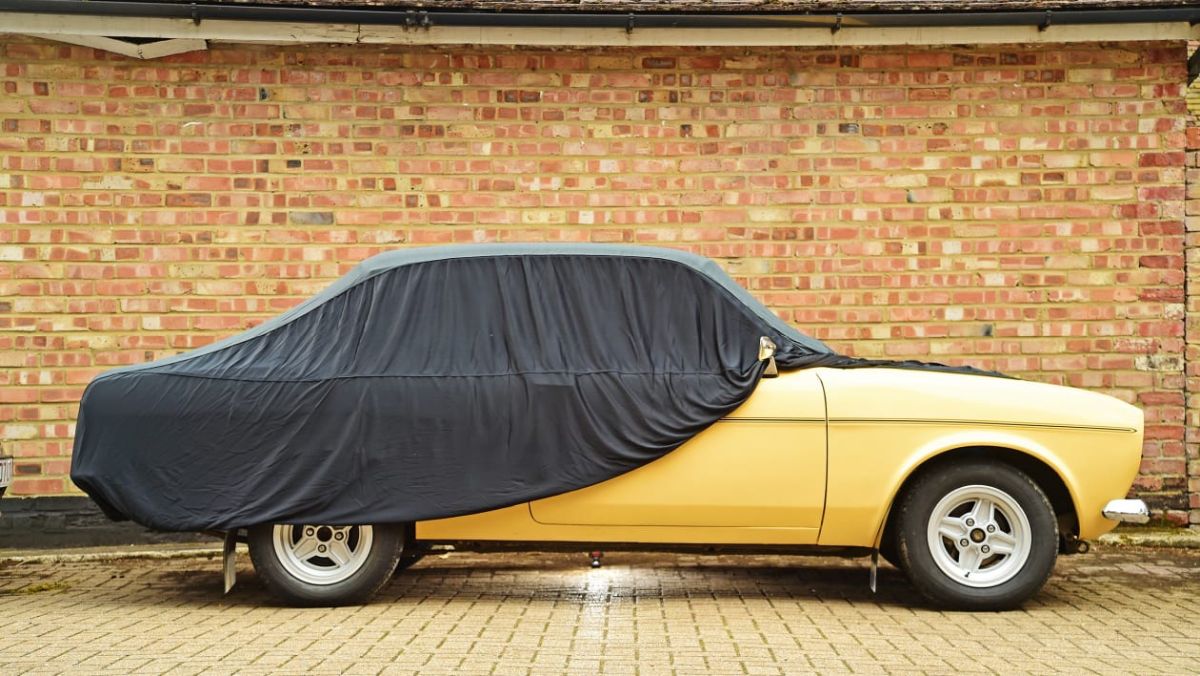
What Are the Benefits and Drawbacks of Using a Car Cover?
A car cover may seem like a simple accessory, but it can play an important role in protecting a vehicle from environmental conditions. Sunlight, rain, snow, dust, bird droppings, tree sap, and airborne pollutants can gradually affect a car's paint, glass, interior, and exterior trim.
However, a car cover is not automatically beneficial in every situation. The wrong cover, improper installation, or using a cover on a dirty or wet vehicle can actually cause damage. Fine dust trapped between the cover and the paint can create scratches, while poor ventilation can encourage moisture buildup.
For this reason, choosing the right type of car cover and using it correctly is just as important as using one in the first place.
What Is a Car Cover?
A car cover is a protective fabric or synthetic material designed to cover the exterior of a vehicle when it is parked.
Car covers are available in different types depending on where and how the vehicle is stored. Some are designed primarily for indoor use, while others are made to withstand sunlight, rain, snow, wind, and other outdoor conditions.
The material can range from lightweight breathable fabrics to multilayer waterproof or water-resistant materials.
The best cover depends on the environment in which the vehicle is normally parked.
What Are the Benefits of a Car Cover?
A properly selected and correctly used car cover can provide several advantages.
Protection from sunlight
UV radiation is one of the major environmental factors affecting a vehicle over time.
Long-term exposure to sunlight can contribute to:
-
Paint fading
-
Clear-coat deterioration
-
Plastic trim fading
-
Rubber deterioration
-
Interior discoloration
A good outdoor car cover can reduce direct exposure to sunlight and help slow down these effects.
This can be particularly useful for vehicles that spend most of the day parked outdoors.
Protection Against Dust and Dirt
A parked vehicle can accumulate dust even when it is not being driven.
Dust and airborne particles can settle on the paint, windows, mirrors, and other exterior surfaces.
A car cover acts as a physical barrier, reducing the amount of dirt that reaches the vehicle.
This can make the car easier to keep clean, although the cover itself will also need to be cleaned periodically.
Protection from Bird Droppings
Bird droppings can be surprisingly harmful to automotive paint.
Because they can contain acidic and abrasive compounds, leaving bird droppings on the paint for extended periods can cause staining or damage to the clear coat.
A car cover can prevent the droppings from directly contacting the paint.
This is especially useful when a vehicle is parked beneath trees or in areas where birds are common.
Protection from Tree Sap
Tree sap can stick strongly to automotive paint and become difficult to remove after prolonged exposure.
Some types of sap can also contain substances that stain or attack the clear coat.
A car cover can prevent sap from reaching the paint in the first place.
However, if the vehicle is parked directly under trees, the cover itself may become heavily contaminated and should be cleaned properly.
Protection from Snow and Ice
In colder climates, a suitable outdoor cover can help protect the vehicle from snow and ice.
Instead of removing a thick layer of snow directly from the paint and glass, the owner can remove the cover and take much of the accumulated snow with it.
A cover can also reduce the amount of ice that forms directly on some exterior surfaces.
However, the cover must be designed for winter use. A lightweight indoor cover is not suitable for heavy snow or strong winds.
Protection from Light Rain and Environmental Contamination
Depending on the material, an outdoor car cover can help reduce exposure to rain and airborne contaminants.
Rain itself is not necessarily highly damaging, but rainwater can carry dust and pollutants onto the vehicle. When the water evaporates, it can leave mineral deposits and water spots.
A properly designed cover can reduce direct exposure to these contaminants.
Protection for a Vehicle That Is Rarely Used
Car covers can be particularly useful for vehicles that spend long periods parked.
A classic car, collector vehicle, second car, convertible, or seasonal vehicle may remain stationary for weeks or months.
In such cases, a suitable cover can provide an additional layer of protection against sunlight, dust, bird droppings, and other environmental contamination.
Does a Car Cover Protect the Paint?
Yes, but only when it is used correctly.
A good-quality cover can protect paint from UV exposure, bird droppings, tree sap, dust, and other environmental contaminants.
However, a cover does not automatically protect paint simply because it is placed over the vehicle.
The inside surface of the cover should be clean and relatively soft. If the cover traps abrasive dust against the paint, wind movement can turn that dust into a source of scratches.
This is one of the most important disadvantages to understand.
What Are the Disadvantages of a Car Cover?
Car covers also have potential disadvantages.
They can scratch the paint
This is probably the biggest concern.
If the vehicle is dirty and the cover is placed directly over the paint, dirt particles can become trapped between the fabric and the body.
When the cover moves because of wind, these particles can rub against the paint.
Over time, this can create:
-
Fine scratches
-
Swirl marks
-
Micro-scratches
-
Loss of paint gloss
A dirty car and a dirty cover are therefore a bad combination.
Wind Can Make the Problem Worse
Wind is another important factor.
A loose car cover can move continuously against the vehicle. If dust or sand is trapped underneath, the movement can act almost like very fine sandpaper.
This is why outdoor covers should have a secure fit and appropriate fastening points.
A cover that constantly flaps in strong wind may cause more harm than leaving the vehicle uncovered.
Moisture Can Become Trapped
Water resistance and breathability are not the same thing.
A completely non-breathable cover can trap moisture between the cover and the vehicle.
This can happen after:
-
Rain
-
Washing the car
-
Condensation
-
Snow
-
High humidity
If moisture remains trapped for long periods, it can contribute to unpleasant odors, mold in some materials, and corrosion in vulnerable areas.
A good outdoor cover should therefore allow moisture vapor to escape while still providing protection from external weather.
A Cover Should Not Be Used on a Wet Car
Putting a cover over a wet vehicle can create an unfavorable environment underneath it.
Even if the cover itself is designed for outdoor use, covering a vehicle immediately after washing can slow down drying.
This is particularly important when the car will remain covered for an extended period.
Whenever possible, the vehicle should be dry before a cover is installed.
A Cover Does Not Replace Washing
Some owners use a car cover because they want to avoid washing the vehicle frequently.
However, a cover does not eliminate the need for cleaning.
Dust can still accumulate on the vehicle and the cover itself can become dirty.
The cover should be removed carefully, cleaned according to the manufacturer's instructions, and allowed to dry properly before being stored or reused.
The Cover Itself Can Become Dirty
A car cover eventually collects dust, pollen, bird droppings, tree sap, and other contaminants.
If it is placed back on the vehicle without cleaning, those contaminants can come into direct contact with the paint.
This creates the exact problem the cover was supposed to prevent.
For this reason, the condition of the cover is just as important as the condition of the car.
Indoor and Outdoor Car Covers Are Different
Not every car cover is suitable for every environment.
Indoor covers
Indoor covers are generally lightweight and designed mainly to keep dust off the vehicle.
They are useful in garages and storage facilities where there is little exposure to rain, snow, or strong wind.
Because they are usually lightweight and breathable, they can be easier to handle.
Outdoor covers
Outdoor covers need to deal with much harsher conditions.
They may need to provide protection against:
-
UV radiation
-
Rain
-
Wind
-
Snow
-
Dust
-
Bird droppings
-
Tree sap
They are generally more durable and often use multiple layers of material.
Using an indoor cover outdoors can result in poor protection and premature deterioration of the cover.
Waterproof or Breathable: Which Is Better?
A common mistake is assuming that a completely waterproof cover is always better.
For long-term vehicle protection, breathability is also important.
A good outdoor cover should ideally prevent external water from easily reaching the vehicle while allowing moisture vapor from underneath to escape.
This helps reduce condensation and moisture accumulation.
The best solution is therefore usually not simply “the most waterproof cover,” but a cover designed specifically for outdoor automotive use.
Should a Car Cover Be Tight or Loose?
A car cover should fit the vehicle properly.
A cover that is excessively loose can flap in the wind and rub against the paint.
A cover that is too tight can be difficult to install and may put unnecessary stress on seams and attachment points.
A fitted cover designed for the specific size and shape of the vehicle is generally preferable.
Some covers also include straps, elastic edges, or other fastening systems to keep them securely in place.
Can a Car Cover Damage Ceramic Coating or Wax?
A properly maintained cover generally should not damage a properly applied ceramic coating or wax.
However, the same contamination problem still applies.
If dust or dirt becomes trapped between the cover and the vehicle, movement can create scratches or abrasion on the surface.
A ceramic coating does not make the paint immune to physical damage.
The safest approach is to keep both the vehicle and the inner surface of the cover clean.
Can a Car Cover Damage the Clear Coat?
A cover does not normally damage clear coat by itself.
Problems arise when the cover is dirty, abrasive, poorly fitted, or repeatedly moves against contaminated paint.
Clear coat is relatively thin, so repeated mechanical abrasion can eventually reduce its gloss or create visible marks.
A high-quality, clean, properly fitted cover minimizes this risk.
Should You Use a Car Cover Every Day?
That depends on where the vehicle is parked.
If the car is parked outdoors in direct sunlight every day, a high-quality outdoor cover can be useful.
However, covering and uncovering a vehicle every day can also create opportunities for scratches if the car or cover is dirty.
For a vehicle parked in a secure garage, a cover may provide little additional benefit beyond dust protection.
The decision should therefore be based on the parking environment rather than simply assuming that a cover is always necessary.
How to Use a Car Cover Correctly
There are several simple rules that can significantly reduce the risks.
Clean the car before covering it
The cleaner the paint, the lower the risk of trapping abrasive dirt underneath the cover.
Use the correct type of cover
Choose an indoor cover for indoor storage and an outdoor cover for outdoor parking.
Make sure the cover is clean
A dirty cover can scratch paint just as easily as a dirty vehicle can.
Do not cover a wet vehicle for long periods
Allow the vehicle to dry before installing the cover.
Secure the cover properly
Use the manufacturer's straps or fastening system so that the cover does not flap excessively in the wind.
Remove the cover carefully
Avoid dragging the cover across the paint unnecessarily.
Clean the cover periodically
Follow the manufacturer's cleaning instructions and make sure the cover is completely dry before storing it.
Is a Car Cover Better Than Parking Under a Tree?
Not necessarily.
A tree may provide shade and reduce direct sunlight, but it can expose the vehicle to:
-
Bird droppings
-
Tree sap
-
Falling branches
-
Leaves
-
Pollen
-
Moisture
A properly fitted outdoor car cover can provide better overall protection in some circumstances.
However, parking under a tree and using a cover can also be problematic if the cover becomes contaminated or moves excessively in the wind.
A covered parking area or garage remains the best solution when available.
Is a Car Cover Worth Buying?
For a vehicle that is regularly parked outdoors, a good-quality car cover can be worthwhile.
It can reduce exposure to sunlight, dust, bird droppings, tree sap, snow, and other environmental factors.
For a vehicle stored indoors, the benefits are more limited but a lightweight breathable cover can still be useful for keeping dust away.
The key is not simply buying a cover. It is choosing the correct material, ensuring a proper fit, and using it correctly.
Final Thoughts
A car cover can be an effective way to protect a vehicle, particularly when it spends long periods outdoors. It can reduce exposure to UV rays, dirt, bird droppings, tree sap, snow, and other environmental contaminants.
But a poorly chosen or poorly maintained cover can create its own problems. Dust trapped underneath, excessive wind movement, poor breathability, and covering a wet or dirty vehicle can lead to scratches, moisture accumulation, and other unwanted effects.
In short, a good car cover protects the vehicle, while a dirty, poorly fitted, or unsuitable cover can damage it. The quality of the cover and the way it is used are therefore just as important as the protection it provides.