TR
TR EN
EN

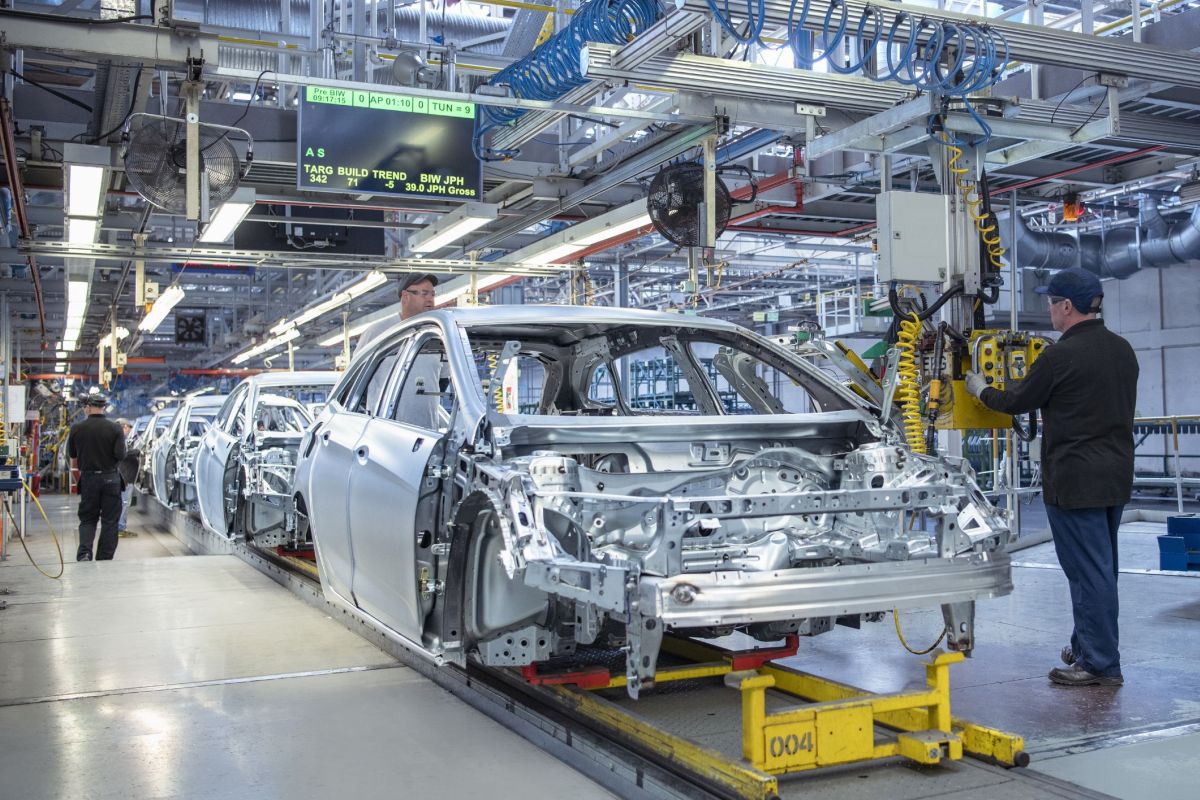
10 Automotive Technologies from the Past to the Present
Older drivers remember a time when automobiles lacked features that are now considered standard, such as seat belts and power steering. Modern vehicles are equipped with advanced powertrain technologies and sophisticated safety systems. All of these developments are the result of decades of research, engineering, and innovation. Let’s take a look at 10 technologies that have played a major role in making vehicles safer, more reliable, and more comfortable than ever before.
Electric Starter Motor
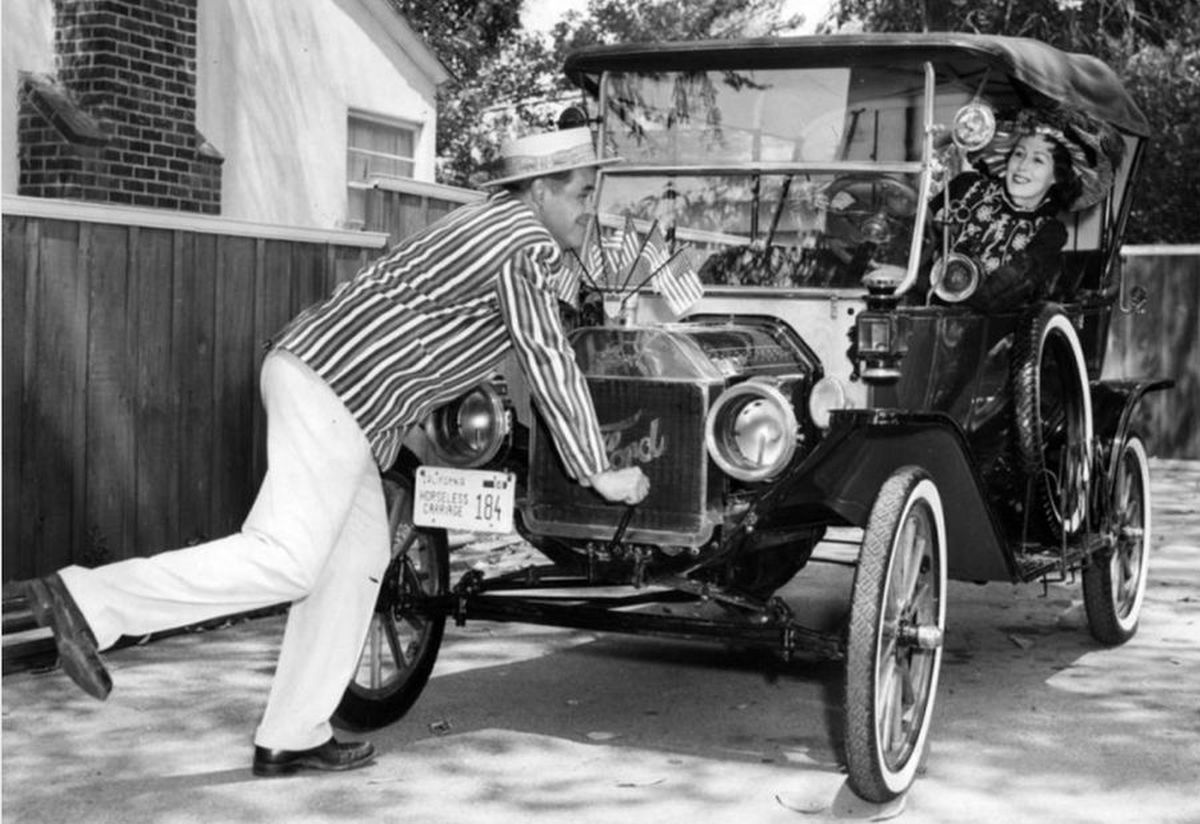
Modern vehicles use starter systems that can include features such as push-button starting and remote start. In the early days of the automobile, however, drivers had to manually turn a hand crank to start the engine.
Hand cranks were not only inconvenient but also extremely dangerous because they could kick back violently. In the early 1900s, they were one of the leading causes of automotive-related injuries, many of which were fatal.
When the electric starter motor was introduced in 1912 as an alternative to the hand crank, it was met with great enthusiasm. Drivers could now start their cars simply by turning a key.
The invention of the starter motor allowed people to start their cars without the serious risk of injury associated with hand cranking. Furthermore, because many women did not have enough physical strength to operate a hand crank, the introduction of the electric starter also helped make it easier for more women to drive cars independently.
Automatic Transmission and Torque Converter
All internal combustion engines use a transmission to manipulate the rotational force produced by the engine and transfer that force to the drive wheels. In the early days of automobiles, all vehicles were equipped with manual transmissions in which drivers had to change gears themselves.
General Motors developed the world's first mass-produced automatic transmission. Called Hydra-Matic, it appeared in 1940. Like modern transmissions, Hydra-Matic used hydraulic fluid and planetary gear sets to change gears. The unit also relied on a fluid coupling device, similar to a modern torque converter, to replace the clutch used in manual transmissions and prevent the engine from stalling.
Shortly afterward, the Buick Dynaflow (1947–1963) introduced the first true torque converter in a production transmission. The torque converter prevents the engine from stalling when the vehicle is stopped and multiplies engine torque during acceleration to increase pulling power.
During the 1990s, automatic transmissions began to take on their modern form through computerization. Solenoids were introduced to control fluid flow, while automatic transmissions also began offering various additional operating modes.
Today, automatic transmissions with increasingly high numbers of gear ratios continue to be developed. Six-speed automatic transmissions appeared in BMW vehicles in 2002, seven-speed units in Mercedes-Benz vehicles in 2003, and eight-speed transmissions in Toyota vehicles in 2007. Today, nine- and ten-speed automatic transmissions are also used in vehicles on the road.
In 2020, 98.7% of new vehicles sold in the United States were equipped with automatic transmissions.
Seat Belts
The earliest versions of seat belts date back to the 1800s, but the modern three-point seat belt was first introduced in the Volvo PV544 and entered production in 1959. Volvo engineer Nils Bohlin developed the three-point seat belt design in the late 1950s.
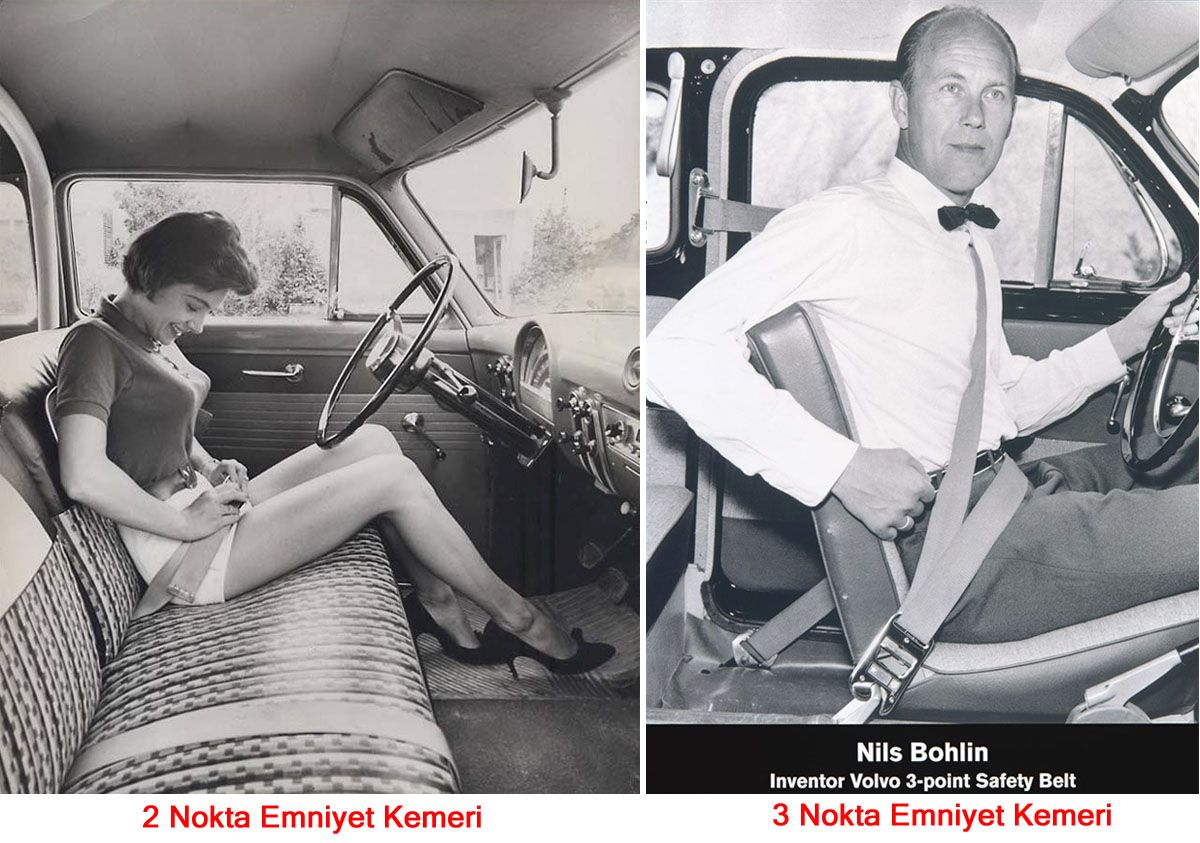
During the 1930s, American doctors began putting public pressure on automakers to install seat belts in vehicles. Most consumers believed that seat belts could cause internal injuries and that passengers might become trapped inside the vehicle during a crash. As a result, automakers continued producing vehicles without seat belts during the first half of the 20th century.
However, the automotive industry's attitude toward seat belts began to change in 1965 following Ralph Nader's critical book Unsafe at Any Speed. In 1968, a federal law went into effect requiring all new cars sold in the United States to be equipped with three-point seat belts.
Today, many countries around the world require occupants to wear seat belts while traveling in a vehicle. This has been an important development because seat belts have saved millions of lives over the years.
Power Steering
During the first half of the 20th century, vehicles used manual steering systems that required the driver to apply considerable force to turn the front wheels. However, things became much easier when power steering was introduced on the 1951 Chrysler Imperial.
For generations, the Imperial was a popular choice for luxury transportation among senior executives, government officials, members of royal families, and various celebrities.
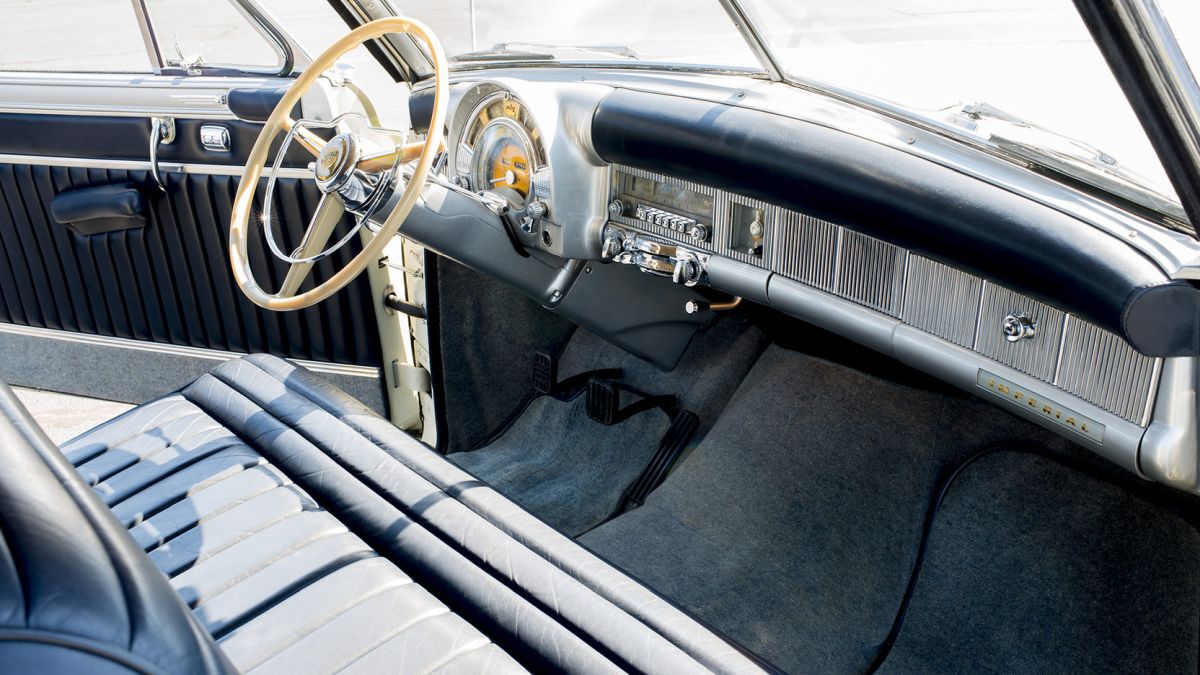
Power steering systems are now found in virtually all modern vehicles, helping the driver turn the front wheels with less effort.
Hydraulic power steering increases the force applied by the driver to the vehicle's mechanical steering gear, making the steering wheel easier to turn.
Most vehicles use either hydraulic power steering or electric power steering (EPS). An EPS system uses an electric motor to assist the steering mechanism and provide steering assistance. Hydraulic power steering systems, on the other hand, use an engine-driven pump and hydraulic fluid to provide the same function.
Hydraulic Braking System
Until the 1960s, most cars were equipped with manual braking systems. Stopping a vehicle with these systems required significant effort, and drivers had to rely heavily on the strength of their leg muscles.
Hydraulic brakes were introduced to make vehicles easier to stop and improve braking performance. When the driver presses the brake pedal, the system transfers force to the master cylinder, reducing the effort required from the driver and significantly increasing the vehicle's braking capability.
Most systems use a vacuum-assisted brake booster, although hydraulic systems known as hydro-boost are also available.
Air Conditioning
Turning on the air conditioner on a hot day and feeling cold air come through the dashboard vents may seem completely ordinary in modern vehicles. Air conditioning is now standard equipment in almost all new cars. However, vehicles built in the past did not have integrated air-conditioning systems.
Instead, some vehicles were fitted with enormous evaporative coolers mounted externally on the car windows.
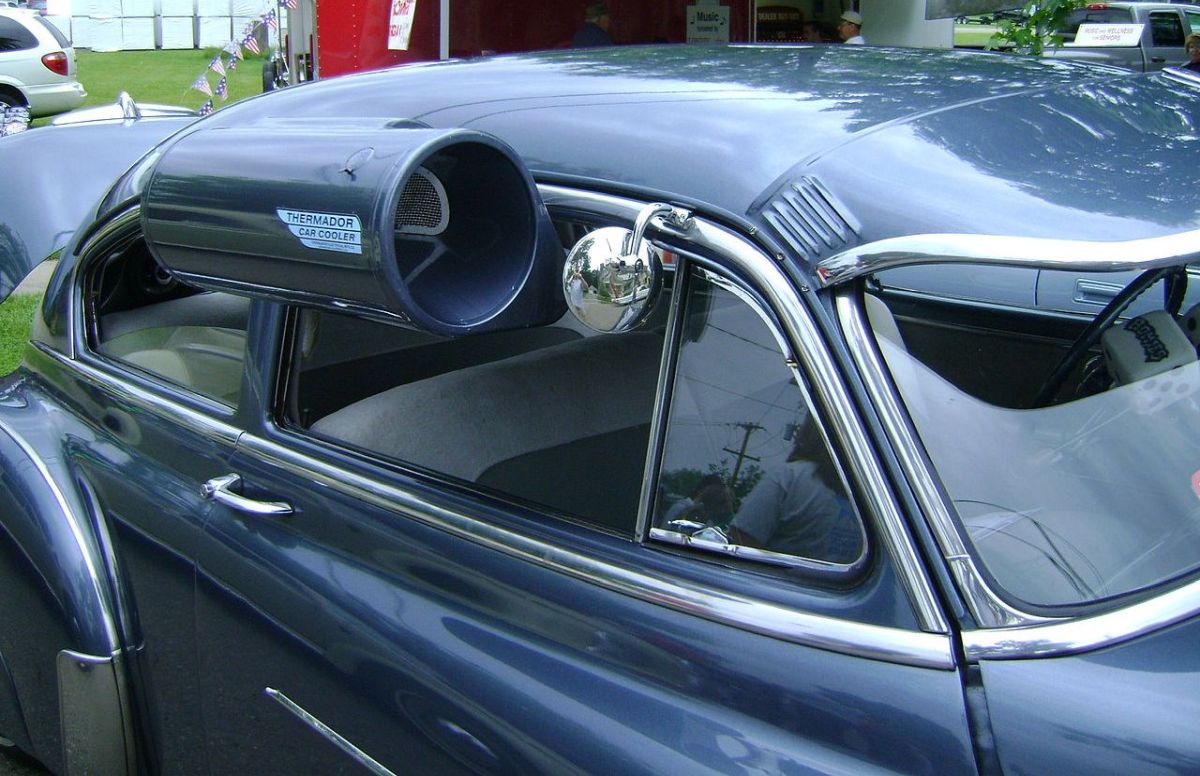
Air conditioning did not become a common option in automobiles until the 1950s. Earlier vehicles often relied on external cooling systems to reduce cabin temperatures. These aftermarket systems were popular from the 1930s through the 1960s.
Although evaporative cooling was one of the earliest ways to reduce the temperature inside a vehicle, it only worked effectively in areas with low humidity. It also gave the car an appearance somewhat similar to having a large vacuum cleaner attached to its side.
For much of automotive history, air conditioning was either something imagined by science-fiction writers or considered an extremely luxurious feature. When we look at some of the earliest vehicles, which did not even have fully enclosed cabins, we can see that umbrellas and canopies were used to protect drivers and passengers from the sun.
Around 1919, ventilated cushions were used to circulate air and reduce sweating, helping drivers and passengers stay more comfortable. These cushions, known as Kool Kooshions, are still sold today. By the 1920s, small electric fans were also being used. These fans did not actually cool the air; they simply created a breeze and helped sweat evaporate.
Modern automotive air conditioning is the result of roughly a century of invention and continuous improvement.
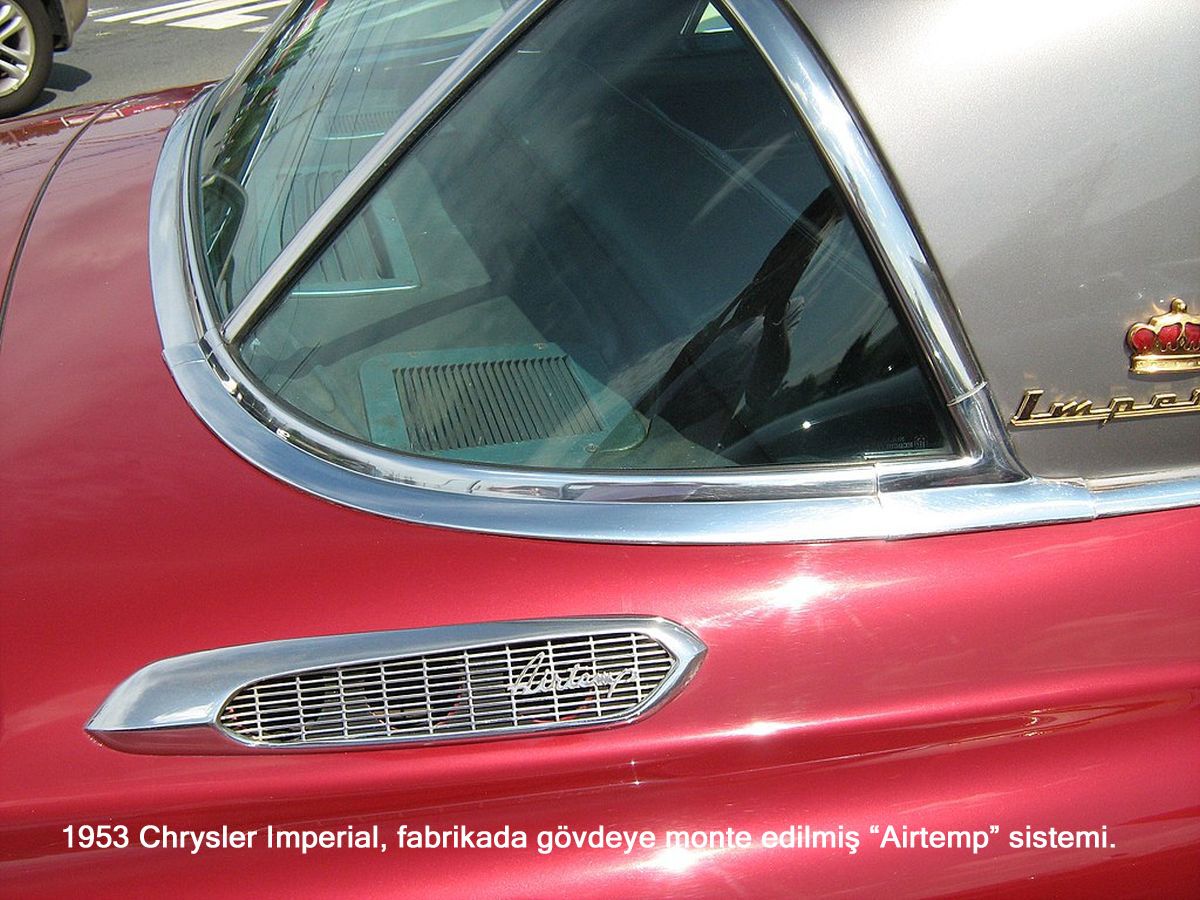
In 1939, Packard Motor Car Company became the first automaker to offer air conditioning as an option. The cooling system was located in the trunk rather than the dashboard. To turn the system on or off, the drive belt had to be manually connected to or disconnected from the A/C compressor.
The system was offered as an option for approximately $274. Considering that the average American annual income at the time was around $1,368, this was an enormous amount of money. In today's terms, it would be comparable to spending around $10,000.
There was no thermostat, and the A/C compressor operated whenever the engine was running. This could eventually cause the system to freeze. As a result, the driver had to stop the car, remove the belt from the compressor, continue driving for a while, stop again, reinstall the belt, and then enjoy another period of cool air.
The system was also located in the trunk, and because the cold air entered the cabin from behind the passengers, airflow to the front occupants was not particularly effective.
With the outbreak of World War II, automakers could no longer focus heavily on developing automotive air-conditioning systems. In 1954, Pontiac and Nash made an interesting attempt to improve the system by moving the air-conditioning components to the dashboard. However, they still had not found a practical solution to the cumbersome installation and removal process.
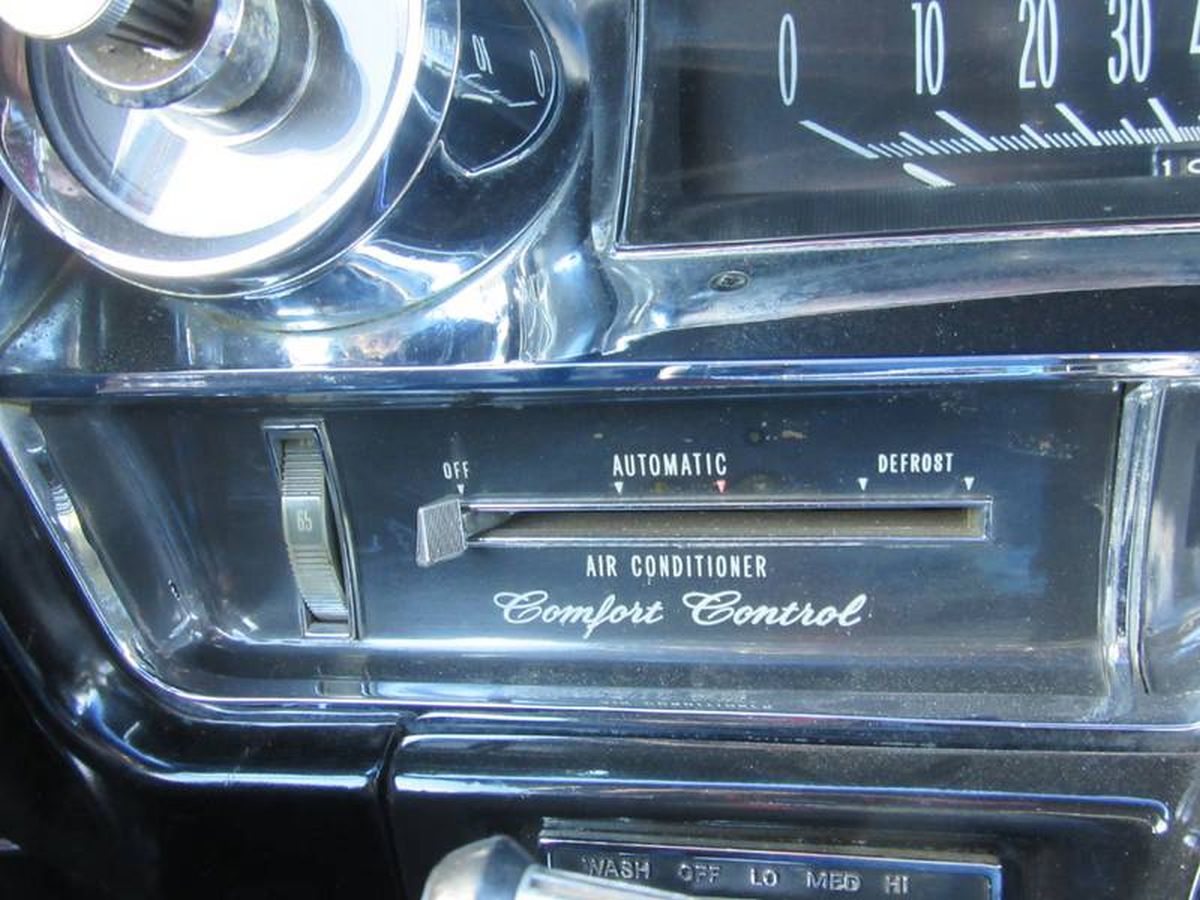
In 1964, Cadillac introduced Comfort Control. This vehicle was the first to feature adjustable temperature control. In 1968, the AMC Ambassador became the first automobile to offer air conditioning as standard equipment.
Electronic Ignition System
Gasoline-powered vehicles rely on an ignition system to ignite the air-fuel mixture inside the engine and generate the high voltage needed by the spark plugs. Before the mid-1970s, almost all applications used a mechanical distributor to control ignition timing.
Distributor-based ignition systems generally required considerable maintenance and could be unreliable. By the late 1970s, electronic ignition systems were introduced.
These systems used an electronic triggering device to send information to an electronic module, which determined when the spark plugs should fire.
Electronic ignition provided much more precise ignition timing, significantly improving vehicle reliability and fuel economy. This technology also paved the way for the advanced computer-controlled engine management systems used in modern vehicles.
Electronic Fuel Injection
Before fuel injection became widespread, vehicles were equipped with a mechanical fuel-delivery device known as a carburetor. Carburetors relied on intake manifold vacuum, atmospheric pressure, and airflow to draw fuel from a reservoir and deliver it to the engine.
Anyone who has driven an older vehicle knows that carburetors did not always perform well under certain conditions and tended to cause engines to stall when cold. In addition, carburetors required frequent adjustment to maintain optimum performance.
By the 1980s, automakers had recognized the limitations of carburetors and began equipping new vehicles with electronic fuel injection systems.
Electronic fuel injection uses a control module that receives information from various sensors to determine when and how much fuel the engine needs. The control module then operates the fuel injectors to deliver the appropriate amount of fuel.
Fuel injection made modern vehicles more reliable while providing better performance and improved fuel economy.
Airbags
American automakers began experimenting with airbags in vehicles during the 1970s, but the technology did not become widespread until the 1990s.
In 1998, a federal requirement in the United States mandated that all new vehicles sold in the country be equipped with both driver and front-passenger airbags.
Airbags are generally referred to as a supplemental restraint system because their purpose is to support the vehicle's seat belt system.
A typical airbag system consists of two or more nylon bags folded into separate compartments. When a collision of sufficient severity occurs, the system rapidly generates gas to inflate the airbags, allowing them to deploy and help protect occupants from serious injuries.
Researchers estimate that airbags reduce the risk of death in head-on collisions by approximately 30%.
Computer-Controlled Engine Management Systems
Most automakers began equipping their vehicles with computer-controlled engine management systems during the 1980s. The technology uses sensors and an onboard computer to minimize vehicle emissions while improving drivability and reliability.
Without computer-controlled engine management systems, many of the advanced features found in today's vehicles would not be possible.
The engine management system plays a role in everything from fuel-saving technologies such as cylinder deactivation and variable valve timing to advanced functions such as adaptive cruise control.
Automotive technology has changed dramatically over the years, and the industry continues to develop at an increasingly rapid pace. The future promises numerous innovations, from autonomous driving systems to electric powertrains, that will continue to shape the automotive industry and the world as a whole.