TR
TR EN
EN

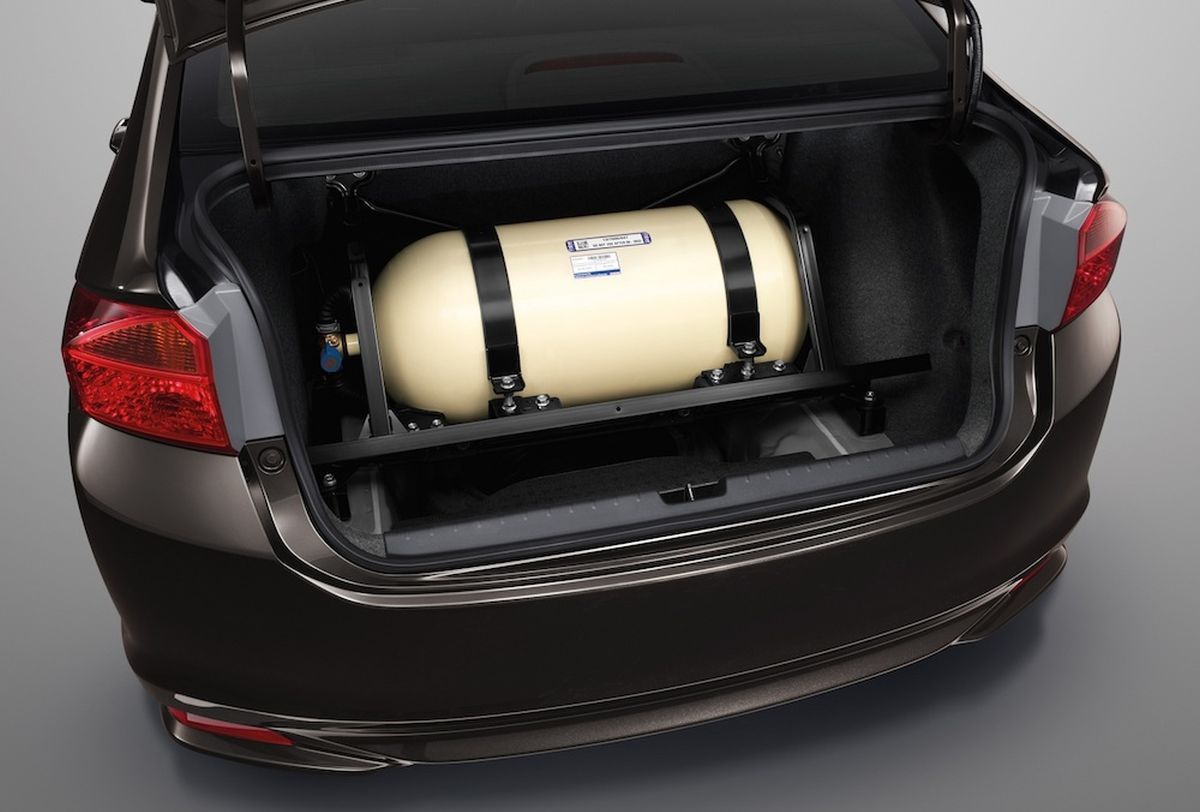
What Is CNG? What Are the Advantages of CNG Fuel?
CNG is one of the alternative fuels used in vehicles, particularly in buses, commercial vehicles, trucks, fleet vehicles, and some passenger cars. Unlike gasoline and diesel, CNG is not stored as a liquid. It is natural gas compressed under high pressure and stored in specially designed tanks.
CNG stands for Compressed Natural Gas. Its main component is methane (CH₄), and it can be used as a vehicle fuel when stored and supplied through a suitable fuel system.
CNG is often confused with LPG because both are gaseous fuels. However, they are chemically and technically different. LPG mainly consists of propane and butane, while CNG primarily consists of methane. Their storage pressures, tanks, fuel systems, and operating characteristics are also different.
How Is CNG Produced?
CNG starts with natural gas. After the natural gas is processed to meet the required fuel specifications, it is compressed to a very high pressure.
The compression significantly reduces the volume of the gas, allowing a useful amount of fuel to be stored in specially designed high-pressure tanks installed in the vehicle.
CNG should not be confused with LNG, or Liquefied Natural Gas. LNG is natural gas that has been cooled to extremely low temperatures so that it becomes a liquid. CNG, on the other hand, remains a gas and is stored by compressing it under high pressure.
How Does a CNG Vehicle Work?
A CNG vehicle stores fuel in high-pressure tanks. The gas passes through the fuel system and is reduced to the appropriate pressure before being delivered to the engine.
The CNG is then mixed with air and supplied to the engine through specially designed injectors or a suitable gas-fuel system.
The engine control unit regulates the amount of fuel according to engine speed, load, throttle position, air intake and other sensor inputs.
The basic combustion process is similar to that of a gasoline engine, especially in spark-ignition applications. However, the fuel system, injectors, pressure regulators, tanks and engine calibration are specifically designed or adapted for natural gas.
What Is the Difference Between CNG and LPG?
Although both CNG and LPG are gaseous fuels, they are not the same fuel.
CNG is primarily methane.
LPG is primarily propane and butane.
Another major difference is the way they are stored. CNG is stored as a compressed gas at very high pressure, while LPG can be stored as a liquid under pressure.
Because of this difference, CNG tanks and LPG tanks are designed differently. Their regulators, valves, injectors, fuel lines and safety systems are also different.
For this reason, a CNG system cannot simply be replaced with an ordinary LPG system. A vehicle needs the appropriate components and calibration for the fuel it is designed to use.
What Are the Advantages of CNG Fuel?
CNG has several advantages, particularly for vehicles that travel long distances every day.
Lower emissions
One of the main reasons CNG attracts attention is its potential to reduce certain exhaust emissions compared with conventional fuels.
Because natural gas is primarily methane and has a relatively simple chemical structure, properly designed CNG engines can produce lower levels of some pollutants and particulate matter.
This is one reason CNG has been used in city buses, municipal vehicles, commercial fleets and other vehicles operating intensively in urban areas.
Potentially lower fuel costs
CNG can provide a fuel-cost advantage in markets where natural gas is competitively priced.
This can be especially important for vehicles that accumulate high annual mileage. A small difference in fuel cost per kilometer can become significant when a vehicle travels tens of thousands of kilometers each year.
However, the actual financial benefit depends on local CNG prices, vehicle consumption, the availability of filling stations and the cost of the CNG system.
High octane rating
Natural gas has a high octane rating, which can be beneficial in spark-ignition engines.
When an engine is specifically designed or properly calibrated for CNG, its high octane characteristics can be used to improve combustion efficiency and allow the engine to operate with characteristics that would not necessarily be possible with lower-octane fuels.
This advantage is particularly relevant to engines specifically engineered for natural gas.
Cleaner combustion characteristics
CNG enters the engine as a gas, allowing it to mix with incoming air in a different way from liquid fuels.
With appropriate engine calibration, this can produce a relatively homogeneous air-fuel mixture and contribute to clean combustion.
However, this does not mean that CNG engines are completely free from deposits, wear or maintenance problems. Engine design, lubrication, ignition components and maintenance remain important.
Useful for high-mileage vehicles
CNG can be particularly attractive for vehicles that operate continuously, such as city buses, delivery vehicles, taxis, garbage trucks and fleet vehicles.
For these applications, fuel economy and operating cost are often more important than the limitations associated with CNG storage.
What Are the Disadvantages of CNG?
CNG also has several disadvantages that should be considered before choosing it.
High-pressure storage
The biggest technical difference is that CNG must be stored under very high pressure.
This requires specially engineered tanks that can safely withstand the pressure throughout their approved service life. The tanks, valves, fittings and fuel lines must all meet the appropriate safety requirements.
Larger storage requirements
Because CNG remains a gas, storing a useful amount of energy requires relatively large high-pressure tanks.
This can affect vehicle packaging. In passenger cars, the tanks may reduce available trunk space or increase vehicle weight.
Commercial vehicles and buses can generally accommodate these tanks more easily because they have more available space.
Limited refueling infrastructure
CNG's biggest practical limitation in some regions is the availability of filling stations.
Gasoline and diesel stations are usually much more widespread, while CNG stations may be concentrated in particular areas.
Before purchasing a CNG vehicle, it is therefore important to check whether CNG stations are available along the routes where the vehicle will normally operate.
Is CNG a Safe Fuel?
CNG can be safely used when the vehicle and fuel system are properly designed, installed and maintained.
One important characteristic of methane is that it is lighter than air. If a leak occurs in an adequately ventilated area, the gas tends to rise rather than collect near the ground like heavier-than-air gases.
However, this does not mean that CNG is harmless.
CNG is stored at very high pressure, so damaged tanks, valves, fuel lines or connections can create serious safety risks. The fuel system should therefore only be inspected or repaired by properly qualified personnel.
If a CNG vehicle has a suspected gas leak, physical damage to the tank or an unusual fuel-system smell or sound, it should be inspected before continued use.
How Is a CNG Vehicle Maintained?
CNG vehicle maintenance involves more than simply changing engine oil and filters.
The CNG fuel system should be inspected regularly. Important components include:
-
High-pressure tanks
-
Pressure regulators
-
CNG injectors
-
Valves
-
Fuel lines
-
Connections
-
Pressure sensors
-
Safety devices
The condition and service life of the tanks are particularly important. Any signs of physical damage, corrosion or impact should be investigated.
The ignition system is also important in CNG engines. Spark plugs and ignition coils need to be in good condition because a weak ignition system can cause misfires and poor engine performance.
Can a CNG Vehicle Also Run on Gasoline?
That depends on the vehicle.
Some CNG vehicles are designed to operate exclusively on natural gas, while others use a bi-fuel system that allows the vehicle to operate on both CNG and gasoline.
Bi-fuel vehicles have an important advantage because the driver can switch to gasoline when CNG is unavailable.
Factory-built CNG vehicles and vehicles converted to CNG can have very different fuel-system designs. Therefore, whether a vehicle can use both fuels must always be determined from the manufacturer's specifications or the actual conversion system.
Why Is CNG Popular in Commercial Vehicles?
CNG is particularly attractive for commercial vehicles because these vehicles often travel much greater distances than ordinary passenger cars.
A city bus, delivery vehicle or fleet vehicle can accumulate a very high annual mileage. As a result, even a modest reduction in fuel cost per kilometer can produce significant savings over time.
CNG can also be attractive for urban fleets because of its potential emissions advantages.
This explains why CNG has been used in applications such as city buses, municipal fleets, waste collection vehicles and commercial transportation.
Is CNG Consumption Different From Gasoline and Diesel?
Yes.
CNG has a different energy density from liquid fuels, so its consumption is often expressed differently.
CNG consumption is commonly measured in kilograms per 100 kilometers (kg/100 km) rather than liters per 100 kilometers.
This is because CNG is stored and measured as a compressed gas, and comparing its consumption directly with gasoline or diesel using only liters can be misleading.
When comparing fuels, the energy content, vehicle efficiency and actual cost per kilometer should all be considered.
Is CNG Suitable for Every Vehicle?
No.
A vehicle must be designed or properly converted to operate on CNG.
A CNG conversion requires the correct high-pressure tanks, pressure regulators, injectors, fuel lines, valves, sensors and engine calibration. The conversion must also comply with applicable technical and safety requirements.
CNG conversion should therefore not be treated as a simple fuel-system modification.
The engine type, ECU calibration, available installation space, tank capacity, vehicle weight and local regulations all need to be considered.
Is Using CNG Worth It?
CNG can be a very practical alternative for vehicles that travel long distances and have convenient access to CNG refueling stations.
Its main advantages include potentially lower operating costs, high octane characteristics and the potential for lower emissions compared with some conventional fuels.
On the other hand, high-pressure storage, limited refueling infrastructure in some areas, additional fuel-system components and specific maintenance requirements can make CNG less convenient for some passenger cars.
Ultimately, the value of CNG depends not only on the fuel itself but also on the vehicle, engine, annual mileage, fuel prices and availability of CNG stations. For high-mileage commercial and fleet vehicles, these factors can make CNG a particularly useful alternative to gasoline and diesel.