TR
TR EN
EN

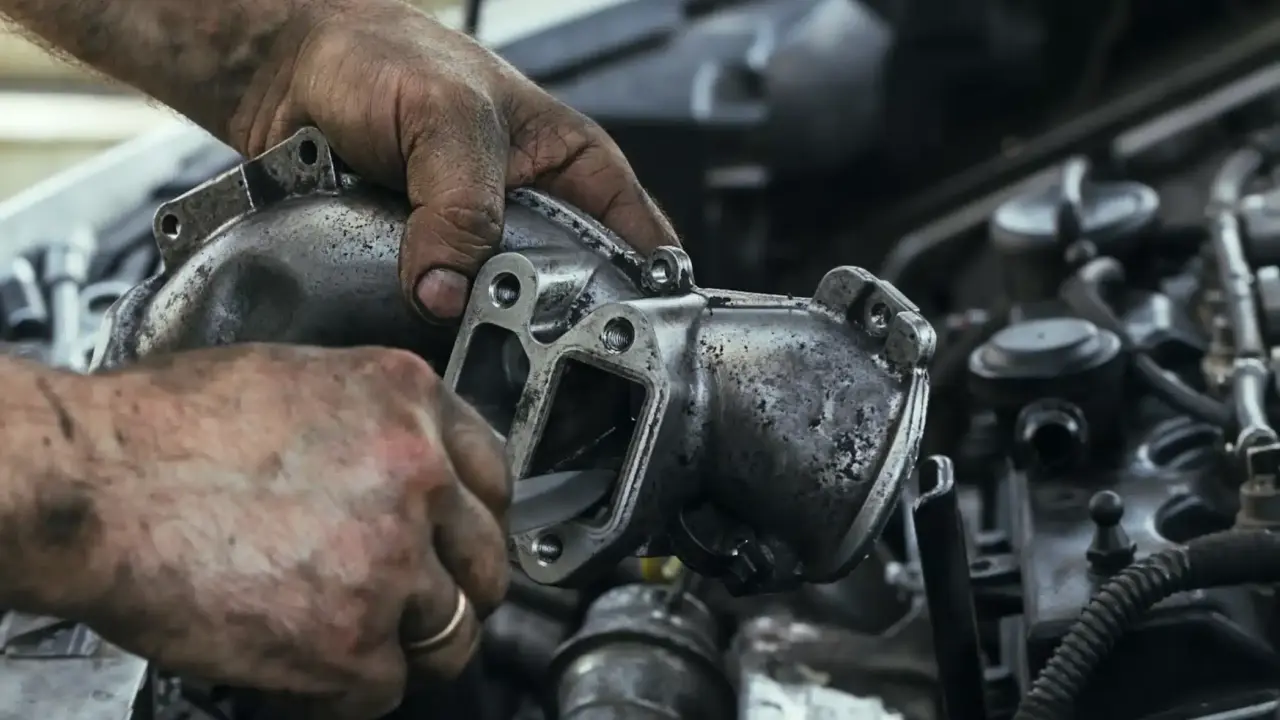
EGR Cooler Failure Symptoms: Causes, Diagnosis, and Repair Solutions
For owners of diesel vehicles and commercial trucks, the EGR (Exhaust Gas Recirculation) cooler is a critical component that helps improve engine efficiency and control harmful emissions. However, like any engine component exposed to extreme temperatures and continuous operation, the EGR cooler can eventually fail.
A malfunctioning EGR cooler can cause serious engine problems, including coolant loss, overheating, white exhaust smoke, turbocharger damage, and even severe internal engine damage if ignored.
Recognizing the early warning signs of EGR cooler failure is essential to prevent expensive repairs and protect engine reliability.
What Is an EGR Cooler and What Does It Do?
The EGR cooler is a component designed to reduce the temperature of exhaust gases before they are returned to the engine intake system.
In diesel engines, a portion of the exhaust gases is redirected back into the combustion chamber through the EGR system. This reduces combustion temperatures and helps lower nitrogen oxide (NOx) emissions.
The EGR cooler uses the engine's coolant system to reduce exhaust gas temperatures before these gases enter the intake system again.
A properly functioning EGR cooler helps:
-
Reduce NOx emissions.
-
Improve emission system performance.
-
Maintain proper combustion temperatures.
-
Support compliance with modern emission regulations.
Common Causes of EGR Cooler Failure
EGR coolers operate under extreme conditions, including high exhaust temperatures and constant thermal cycling. Over time, several problems can cause failure.
Common causes include:
-
Thermal stress caused by repeated heating and cooling cycles.
-
Internal cracks in the cooler passages.
-
Corrosion caused by contaminated coolant.
-
Low coolant levels.
-
Poor-quality or incorrect coolant.
-
Carbon buildup restricting exhaust flow.
-
Manufacturing defects.
-
Excessive exhaust temperatures.
When the EGR cooler develops internal damage, coolant may leak into the exhaust system or intake system, creating serious engine problems.
White Exhaust Smoke
One of the most common symptoms of EGR cooler failure is white smoke coming from the exhaust.
When the internal passages of the EGR cooler crack, engine coolant can enter the exhaust gas stream. As the coolant reaches high temperatures, it turns into steam and exits through the exhaust as thick white smoke.
You may notice:
-
White smoke after the engine warms up.
-
Increased smoke during acceleration.
-
A sweet coolant smell from the exhaust.
Unlike normal condensation during cold starts, persistent white smoke usually indicates a coolant-related problem.
Unexplained Coolant Loss
A failing EGR cooler can allow coolant to escape into the exhaust system without producing an obvious external leak.
Common signs include:
-
Coolant level dropping regularly.
-
Frequent need to refill the coolant reservoir.
-
No visible leaks under the vehicle.
-
Low coolant warning messages.
If coolant loss occurs without an external leak, the EGR cooler should be inspected.
Engine Overheating
A damaged EGR cooler can contribute to engine overheating.
If the cooling system cannot properly manage temperatures, the engine may operate hotter than normal.
Possible signs include:
-
Temperature gauge rising above normal.
-
Cooling fan running excessively.
-
Reduced engine performance.
-
Overheating warnings.
Continued overheating can damage major engine components, including the cylinder head and head gasket.
Excessive Pressure in the Cooling System
An internal EGR cooler failure can allow exhaust gases to enter the engine cooling system.
This can create abnormal pressure inside the cooling system.
Symptoms may include:
-
Hard coolant hoses shortly after startup.
-
Coolant being pushed out of the expansion tank.
-
Rapid pressure buildup.
-
Coolant overflow.
Excessive cooling system pressure can eventually lead to additional failures.
Check Engine Light and EGR-Related Fault Codes
A failed EGR cooler can trigger the engine warning light because exhaust temperature and EGR flow values become abnormal.
Common diagnostic trouble codes related to EGR problems include:
-
P0401 – Insufficient EGR Flow
-
P0402 – Excessive EGR Flow
-
P0404 – EGR Circuit Range/Performance
-
P2457 – EGR Cooling System Performance
These codes do not always mean the cooler itself has failed, but they provide important diagnostic information when combined with other symptoms.
Turbocharger Problems
EGR cooler failure can indirectly affect turbocharger operation.
Excessive exhaust temperatures, incorrect exhaust flow, or coolant contamination can increase stress on the turbocharger.
Possible symptoms include:
-
Reduced acceleration.
-
Loss of engine power.
-
Poor throttle response.
-
Turbocharger noise.
-
Increased exhaust smoke.
If turbocharger problems appear together with coolant loss and white smoke, the EGR cooler should be investigated.
Reduced Engine Performance and Poor Acceleration
A faulty EGR cooler can affect overall engine operation.
Drivers may experience:
-
Reduced power.
-
Poor acceleration.
-
Lower torque output.
-
Uneven engine operation.
-
Increased fuel consumption.
Incorrect exhaust gas temperatures can disturb the engine management system and reduce combustion efficiency.
How to Diagnose an EGR Cooler Failure
Proper diagnosis is important because EGR cooler symptoms can sometimes resemble other engine problems, such as a blown head gasket.
Several diagnostic steps can be performed.
Check Diagnostic Trouble Codes
The first step is scanning the vehicle's ECU for stored fault codes.
A professional diagnostic tool can identify problems related to:
-
EGR flow.
-
Exhaust temperature sensors.
-
Cooling system performance.
-
Emission control components.
Inspect Coolant Level and Condition
Check:
-
Coolant reservoir level.
-
Signs of external leaks.
-
Coolant color and contamination.
-
Cooling system pressure.
A continuous coolant loss without visible leakage is a strong indicator of an internal coolant leak.
Perform a Cooling System Pressure Test
A professional pressure test can help determine whether the EGR cooler is leaking internally.
If the cooler fails the pressure test, replacement is usually required.
Inspect Exhaust Smoke
The appearance and behavior of exhaust smoke can provide useful clues.
Persistent white smoke, especially after the engine reaches operating temperature, strongly suggests coolant entering the exhaust system.
EGR Cooler Cleaning or Replacement: Which Is Better?
Some vehicle owners consider cleaning the EGR cooler instead of replacing it.
However, cleaning is only effective when the problem is caused by carbon buildup.
Cleaning may help if:
-
Exhaust passages are restricted.
-
Carbon deposits reduce flow.
-
The cooler is structurally intact.
Replacement is required when:
-
Internal cracks exist.
-
Coolant leaks internally.
-
The cooler has corrosion damage.
-
The component fails pressure testing.
A damaged EGR cooler cannot be permanently repaired through cleaning.
Is It Safe to Drive With a Faulty EGR Cooler?
Continuing to drive with a failed EGR cooler can be extremely risky.
Potential consequences include:
-
Severe coolant loss.
-
Engine overheating.
-
Turbocharger damage.
-
Cylinder damage.
-
Hydrolock condition.
-
Complete engine failure.
If coolant enters the cylinders, the engine may experience hydrolock. Because liquids cannot be compressed like air, this can cause severe mechanical damage, including bent connecting rods or complete engine failure.
For this reason, a suspected EGR cooler failure should be repaired as soon as possible.
EGR Cooler Failure vs Blown Head Gasket: How to Tell the Difference
EGR cooler failure and head gasket failure can produce similar symptoms, especially white exhaust smoke and coolant loss.
However, there are some important differences.
Engine Oil Condition
A failed head gasket often allows coolant to mix with engine oil.
Signs include:
-
Milky or cream-colored oil.
-
Thick residue under the oil cap.
-
Increased oil level caused by coolant contamination.
An EGR cooler failure usually does not change the engine oil condition.
Exhaust Smoke Characteristics
With EGR cooler failure:
-
White smoke may be lighter.
-
Smoke may appear mainly during certain driving conditions.
With a blown head gasket:
-
Smoke is often thicker.
-
Continuous smoke is common.
-
Engine operation may become unstable.
Engine Temperature Behavior
A head gasket failure can cause rapid overheating.
An EGR cooler problem may cause slower temperature increases or coolant pressure issues over time.
Coolant and Oil Inspection
Any mixing of oil and coolant strongly suggests a more serious internal engine problem, such as head gasket failure.
Because both problems can cause major engine damage, professional diagnosis is recommended.
Final Thoughts
An EGR cooler failure is a serious issue that should not be ignored. Symptoms such as white exhaust smoke, unexplained coolant loss, overheating, reduced engine performance, and EGR-related fault codes should be investigated immediately.
Early diagnosis can prevent expensive damage to the engine, turbocharger, and emission systems.
If an EGR cooler is damaged internally, replacement is usually the safest and most reliable solution. Regular cooling system maintenance, correct coolant usage, and timely inspections can help extend EGR cooler life and maintain proper engine performance.