TR
TR EN
EN

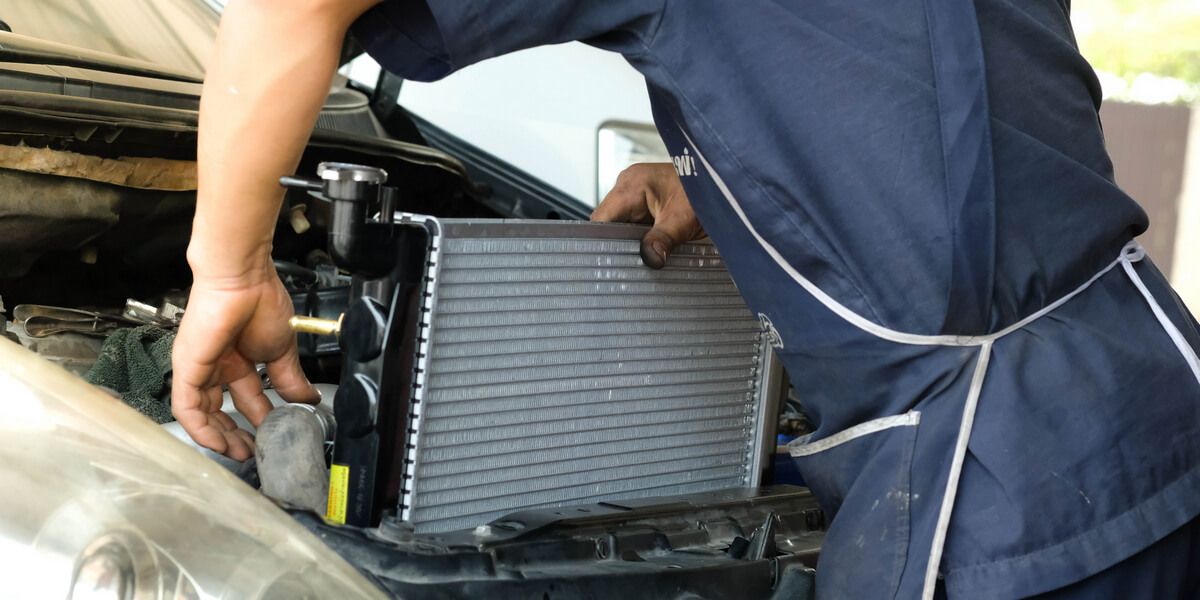
What Are the Symptoms of a Clogged Radiator?
An engine produces heat while it is running. The purpose of the radiator is to cool the engine and prevent it from overheating. A car engine uses coolant to absorb heat. The coolant is cooled inside the radiator and then sent back to the engine. This circulation continues as long as the engine is running.
When the radiator becomes clogged, does not operate efficiently, or fails for any reason, the engine may not receive adequate cooling. This can cause the vehicle to overheat and, if the problem is not corrected quickly, may result in permanent internal engine damage.
A radiator can become clogged internally or externally, or it can fail completely. The most common symptoms of a clogged radiator include the following.
1- Rising Temperature Gauge / Engine Overheating
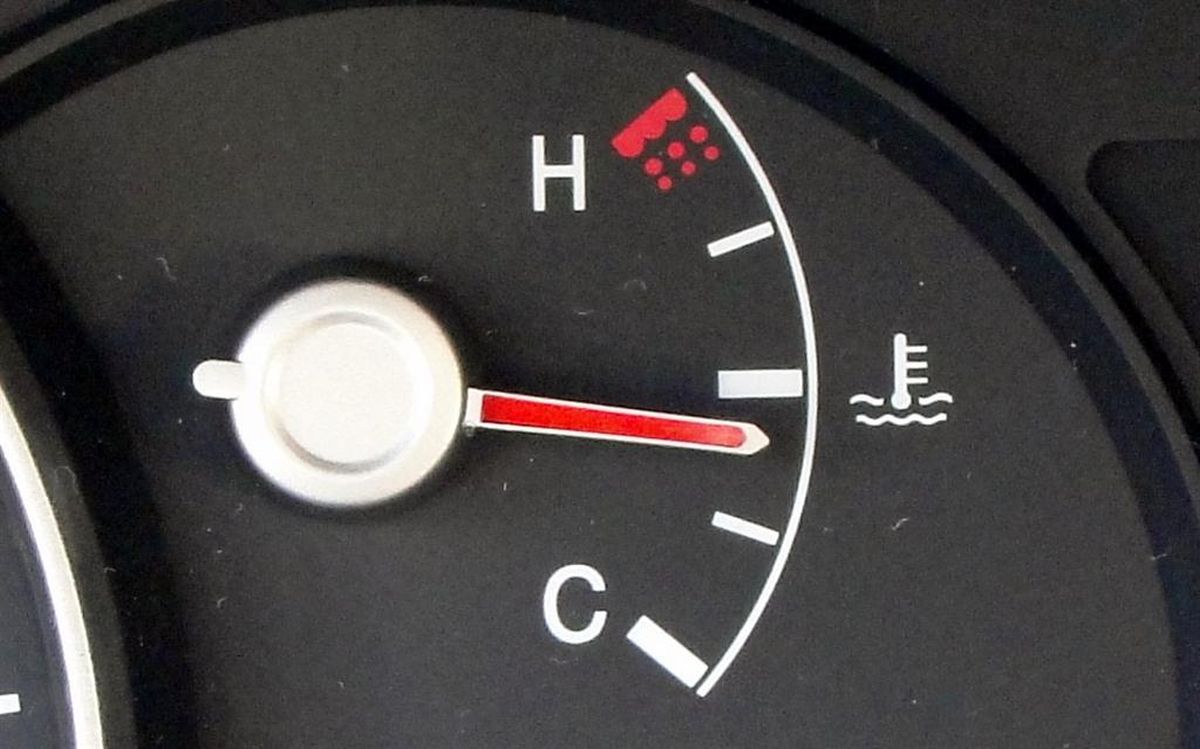
One of the most common symptoms of a clogged radiator is engine overheating. When the engine overheats, the needle on the temperature gauge on the dashboard moves toward the red zone. Some newer vehicles use a digital temperature display and will warn the driver when the engine temperature becomes excessively high.
For most vehicles, the normal engine operating temperature is approximately 90°C (195°F) to 104°C (220°F). Especially during hot summer weather when the air conditioning is running continuously, the temperature may move slightly outside this range without necessarily indicating a problem.
However, if the engine is consistently overheating and the temperature gauge continues to rise, you may be dealing with a clogged or restricted radiator.
Internal radiator restriction can commonly result from corrosion caused by rust, deposits that accumulate inside the radiator over time, or contaminants that restrict coolant circulation through the radiator.
2- Coolant Leaks
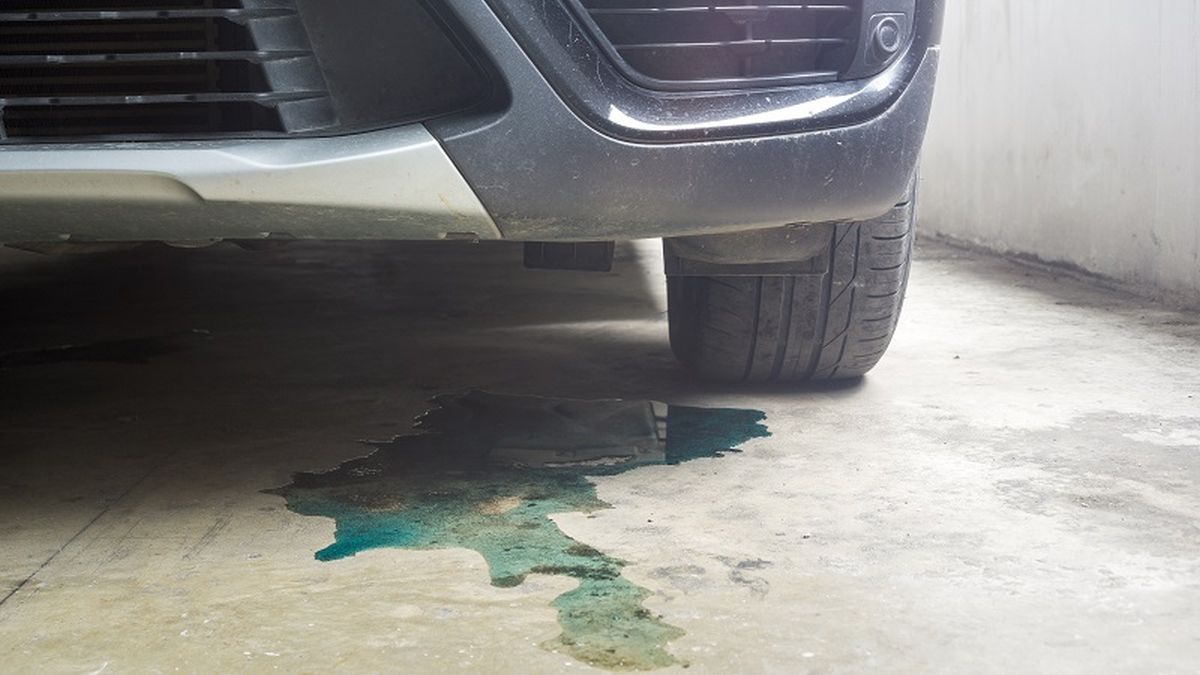
If a radiator becomes clogged and severely corroded, small holes or cracks can develop in the radiator housing or tubes. When this happens, you may notice small drops or puddles of coolant on the garage floor or underneath the vehicle.
Internal radiator corrosion is often associated with poor-quality coolant or the use of tap water instead of the appropriate coolant mixture. If the cooling system is not properly flushed and maintained, corrosion and deposits can gradually increase and begin damaging the radiator core.
Even a small coolant leak can eventually leave the engine operating with an insufficient amount of coolant. If the leak is not detected and repaired early, or the lost coolant is not properly replaced, the engine can overheat and potentially suffer expensive internal damage.
3- Contaminated Coolant
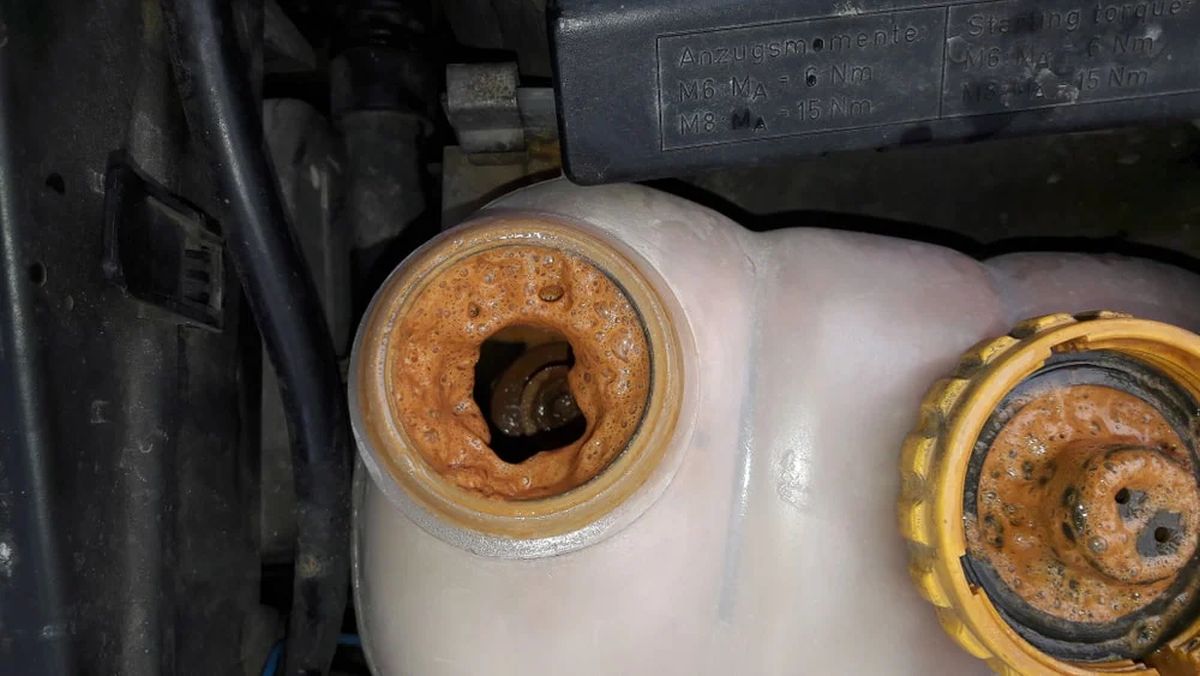
Coolant is commonly available in colors such as green, blue, pink, red, yellow, or orange. Properly maintained coolant should generally appear clean and free from excessive contamination, allowing it to circulate properly through the passages inside the engine and radiator.
Over time, coolant can become contaminated by internal deposits, corrosion products, and other debris. When this happens, the coolant may develop a rusty, dirty, or oily appearance.
One of the easiest places to check the condition of the coolant is the radiator expansion tank, also commonly called the coolant reservoir.
Contaminated coolant can contribute to deposits and restrictions within the cooling system. As these deposits accumulate, coolant flow can become restricted, reducing radiator efficiency and potentially causing the engine to overheat.
If the coolant is heavily contaminated, the cooling system should be properly flushed and the coolant replaced with the correct specification.
It is also worth noting that some vehicles have a transmission cooler integrated into the radiator. If the internal barrier separating the transmission fluid from the engine coolant develops a leak, the two fluids can mix. This can create a serious problem affecting both the cooling system and the transmission.
4- Clogged Radiator Fins
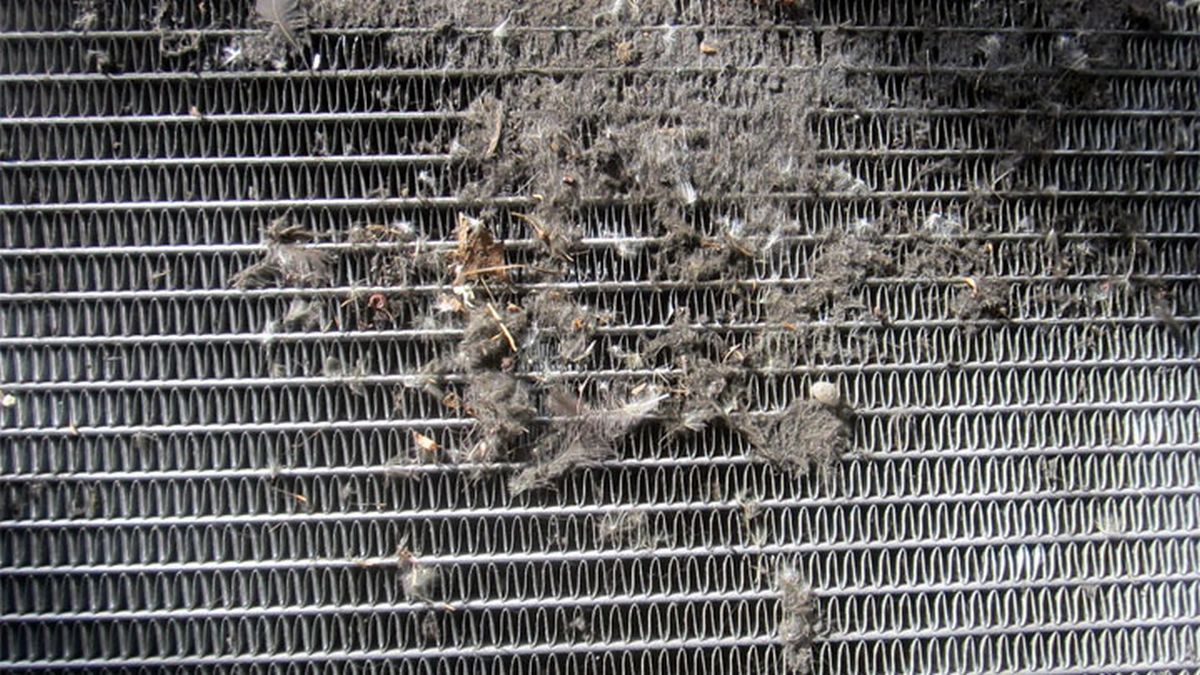
Radiators are designed to provide maximum heat dissipation. To achieve this, the radiator core contains many thin tubes and fins. Hot coolant flows through the tubes while air passes across the fins.
While driving, air flows through the radiator naturally, and the cooling fan provides additional airflow when necessary. This airflow removes heat from the radiator and lowers the coolant temperature before the coolant returns to the engine.
If the radiator tubes and fins become blocked by dirt, insects, leaves, mud, or other debris, airflow can be restricted. As a result, the radiator cannot release heat efficiently, allowing coolant temperature to increase.
Debris blocking the front of the radiator can often be removed carefully using a garden hose with a spray nozzle. Depending on the vehicle, it may be necessary to remove one or more plastic covers to gain proper access to the radiator.
Care should be taken during cleaning because excessive water pressure can damage the delicate radiator fins.
5- Bent or Damaged Radiator Fins
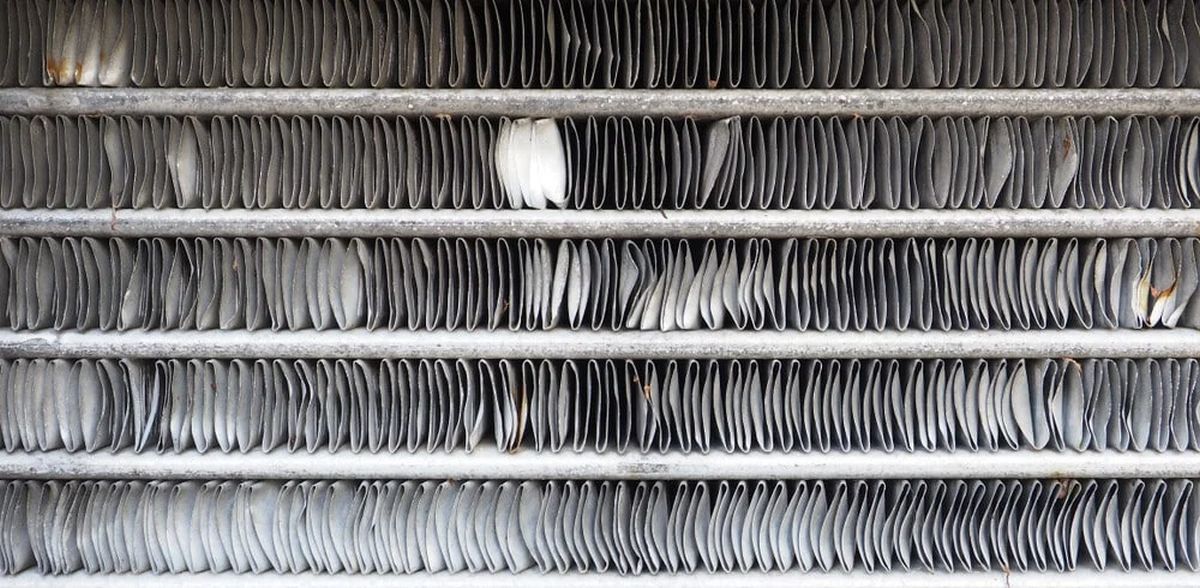
Foreign objects hitting the front of the radiator can also bend or damage the fins. These fins are relatively delicate, and even small stones or road debris can damage them while driving.
Bent or crushed fins restrict airflow through the radiator and reduce its ability to transfer heat.
Damage can also occur during radiator installation or while cleaning the fins.
Using a high-pressure washer directly against the radiator can easily bend the delicate fins. If a large enough portion of the radiator fins becomes damaged, airflow can be significantly reduced and the engine may begin to overheat.
When cleaning a radiator, a normal garden hose with moderate water pressure is generally safer than a high-pressure washer.
6- Heater System Does Not Produce Enough Heat

A car's heating system depends on hot engine coolant flowing through the heater core, as well as the proper operation of the blower motor.
If the cooling system is restricted or there is a coolant circulation problem, the heater core may not receive an adequate supply of hot coolant. As a result, the vehicle's interior may not heat properly.
A faulty thermostat is often responsible for poor heater performance, but a radiator or cooling-system restriction can also contribute to the problem.
Other possible causes include:
-
Low coolant level
-
Air trapped inside the cooling system
-
Clogged heater core
-
Faulty water pump
-
Thermostat problems
-
Cooling-system leaks
Therefore, poor cabin heating should not automatically be attributed to a clogged radiator.
7- Cold Lower Radiator Hose
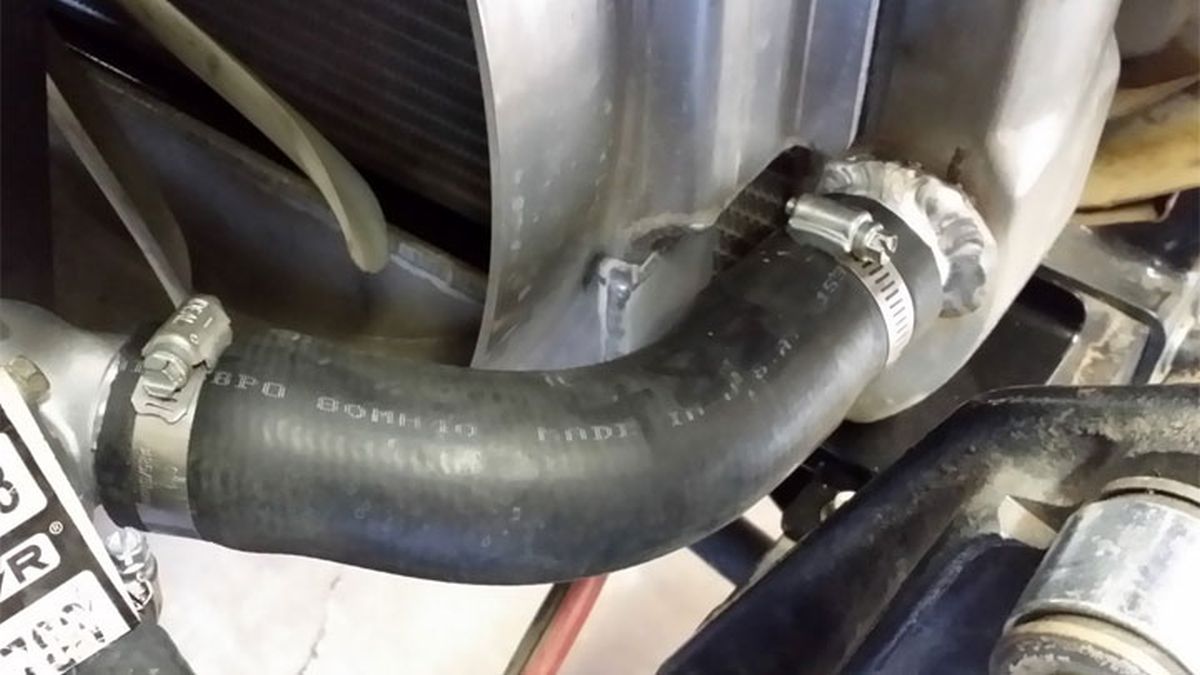
The upper radiator hose carries hot coolant from the engine to the radiator so that the coolant can be cooled.
The upper hose generally connects the upper part of the radiator to the engine or thermostat housing.
The lower radiator hose connects the lower part of the radiator to the water pump. The water pump draws cooled coolant from the radiator and circulates it back through the engine block and cylinder head.
If the radiator and cooling system are operating normally, it is expected for the upper radiator hose to be significantly hotter than the lower hose once the engine has reached normal operating temperature.
The lower hose should normally be cooler because the coolant has passed through the radiator and released some of its heat.
However, if the lower radiator hose remains unusually cold while the engine is overheating, this can indicate that coolant is not circulating properly.
Possible causes include:
-
Restricted radiator flow
-
Thermostat problems
-
Water pump failure
-
Air trapped in the cooling system
-
Low coolant level
-
Other coolant circulation problems
A cold lower radiator hose by itself does not prove that the radiator is clogged. The thermostat and water pump should also be checked before the radiator is diagnosed as the cause.
Final Thoughts
A clogged or restricted radiator can significantly reduce the cooling system's ability to remove heat from the engine. The most noticeable symptoms include a rising temperature gauge, engine overheating, coolant problems, contaminated coolant, blocked or damaged radiator fins, poor heater performance, and abnormal coolant temperature differences between the radiator hoses.
However, these symptoms can also be caused by other cooling-system problems such as a faulty thermostat, water pump failure, low coolant level, trapped air, cooling fan failure, or a head gasket problem.
For this reason, a radiator should not be replaced simply because the engine is overheating. The entire cooling system should be inspected and tested to identify the actual cause of the problem.