TR
TR EN
EN

LPG Switch Problems: Causes, Symptoms, and Solutions
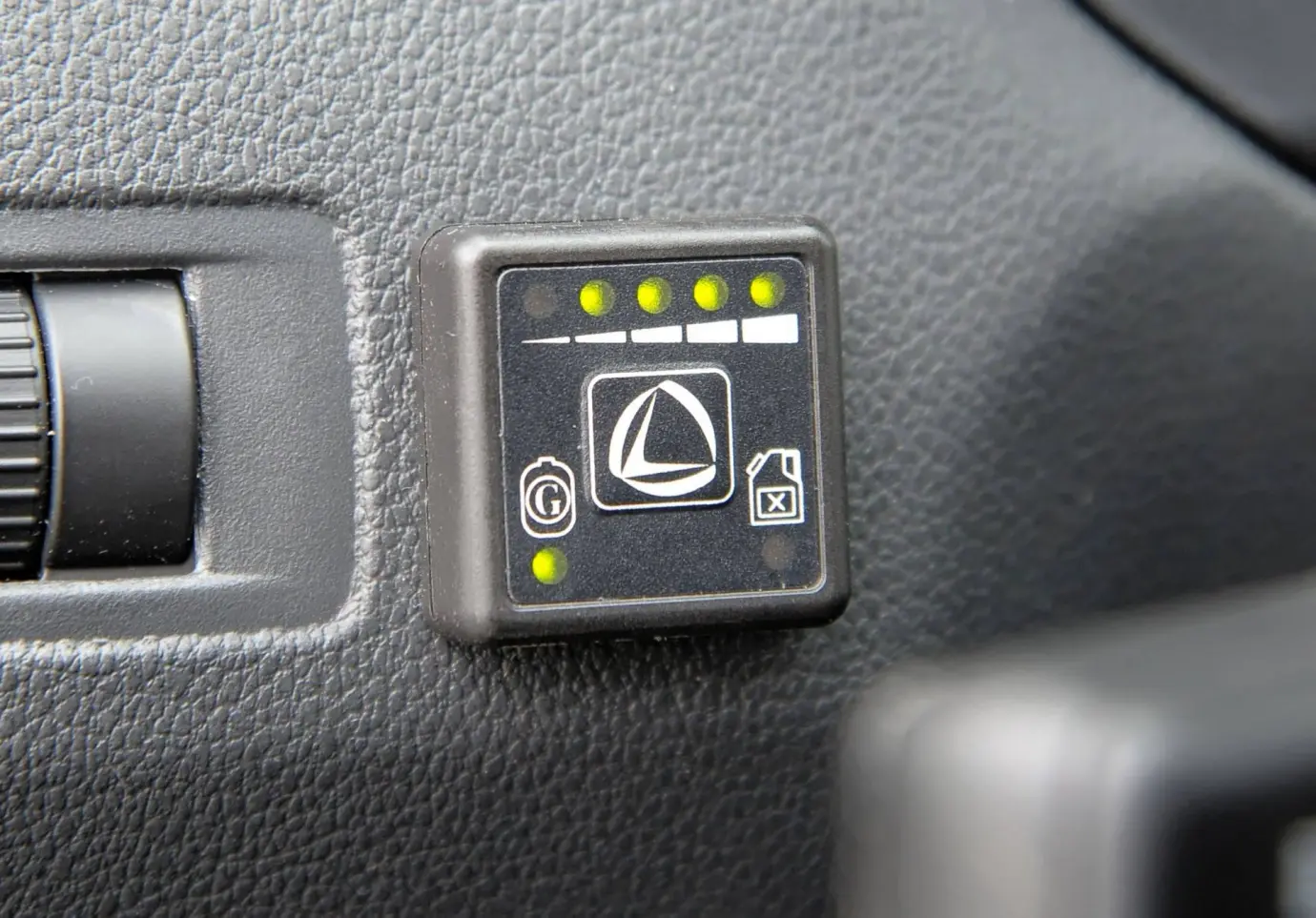
LPG switch problems are among the electrical faults that can make an LPG-converted vehicle difficult to operate correctly. The LPG switch, also known as an LPG selector switch or LPG changeover switch, allows the driver to interact with the vehicle's LPG system and provides information about the current fuel mode, LPG level, and system status.
When the LPG switch develops a fault, the vehicle may refuse to switch from gasoline to LPG, the indicator lights may stop working, the button may become unresponsive, or the system may unexpectedly return to gasoline operation. In some cases, however, the switch itself is not defective. Wiring problems, poor electrical connections, power supply faults, grounding issues, or a malfunctioning LPG ECU can create almost identical symptoms.
For this reason, diagnosing an LPG switch problem requires more than simply replacing the button on the dashboard. The switch, wiring, LPG ECU, electrical supply, and the rest of the LPG system may need to be checked together.
This article explains what an LPG switch does, why LPG switches fail, the symptoms of a faulty LPG switch, how the problem can be diagnosed, and which repairs can permanently solve the issue.
What Is an LPG Switch?
An LPG switch is the control interface installed inside the vehicle that allows the driver to monitor and, depending on the LPG system, control the vehicle's fuel mode.
It is usually installed somewhere on the dashboard where the driver can easily see and operate it.
Depending on the manufacturer and LPG conversion system, it may be called:
-
LPG switch
-
LPG selector switch
-
LPG changeover switch
-
LPG fuel selector
-
LPG control switch
Although the component looks relatively simple, it is connected to the electronic control system of the LPG installation.
The switch normally communicates with the LPG ECU, which is responsible for managing the LPG system.
The LPG ECU determines when and how the engine should operate on LPG. The switch provides the driver with an interface for requesting or monitoring certain functions.
The switch is not simply an on/off button
One of the most common misconceptions about an LPG switch is that pressing it directly opens the LPG fuel system.
In modern LPG systems, the switch usually sends a command or signal to the LPG ECU. The ECU then decides whether the requested changeover can safely occur.
For example, the engine may start on gasoline and automatically switch to LPG once the coolant reaches the required temperature.
If the LPG pressure is too low, a sensor reports an abnormal value, or the ECU detects another fault, the system may refuse to switch to LPG even when the driver presses the button.
Therefore, an LPG switch problem and an LPG system problem are not necessarily the same thing.
What Does an LPG Switch Do?
The exact functions depend on the LPG system, but an LPG switch commonly performs several tasks.
Fuel mode selection
The switch can allow the driver to request gasoline or LPG operation.
Some systems operate completely automatically, while others allow greater manual control.
LPG system status indication
The LEDs on the switch can indicate whether the vehicle is operating on gasoline or LPG.
They may also show that the system is preparing to switch between fuels.
LPG level indication
Many LPG switches contain several LEDs that provide an approximate indication of the LPG level in the tank.
The number of illuminated LEDs generally changes according to the signal received from the LPG level sensor.
The accuracy of this indication depends on the LPG tank's level sensor, calibration, and the LPG ECU.
Fault indication
Some LPG switches use flashing LEDs or audible warnings to alert the driver to an LPG system fault.
The exact meaning of these signals varies between manufacturers.
A flashing LED therefore does not automatically mean that the switch itself is defective.
Why Do LPG Switches Fail?
There are several possible causes of LPG switch problems.
Sometimes the switch has genuinely failed. In other cases, the switch is only showing the symptoms of a problem elsewhere in the electrical or LPG system.
Internal electronic failure
The electronic components inside the switch can fail because of age, heat, voltage fluctuations, or manufacturing defects.
When an internal component fails, the button may stop responding or the LEDs may no longer operate correctly.
In severe cases, the entire switch can become completely inactive.
Worn button mechanism
The physical button may be pressed thousands of times during the life of the vehicle.
Over time, the internal switch mechanism can wear out.
A worn button may require excessive pressure, respond inconsistently, or fail to register the driver's command.
Damaged wiring
LPG installations often involve additional wiring routed through the engine compartment and passenger compartment.
If the wiring between the LPG switch and ECU becomes damaged, communication can be interrupted.
Potential causes include:
-
Vibration
-
Heat
-
Incorrect previous repairs
-
Poor-quality cable connections
-
Physical damage
-
Aging insulation
-
Improper installation
A partially broken wire can be particularly difficult to diagnose because it may work under certain conditions and fail under others.
Loose connector
A connector that is not properly seated can interrupt the electrical connection.
The problem may become more noticeable when driving over rough roads because vibration can temporarily change the contact between the terminals.
Corrosion or oxidation
Moisture can cause corrosion on electrical terminals.
Corroded contacts can increase resistance or completely interrupt the circuit.
This may result in a switch that works intermittently or displays unusual LED behavior.
Fuse problem
Depending on the LPG installation, the LPG system may have its own fuse or share a protected electrical circuit.
If the fuse fails, the LPG switch may become completely inactive.
A blown fuse should not simply be replaced repeatedly without investigating why it failed.
If the new fuse blows again, there may be a short circuit or another electrical problem.
Poor ground connection
A reliable ground connection is essential for electronic LPG components.
A weak or corroded ground can cause:
-
Flickering LEDs
-
Intermittent operation
-
Incorrect indications
-
Unresponsive buttons
-
Communication problems
Ground faults can sometimes be mistaken for a defective LPG switch.
LPG ECU malfunction
The LPG switch communicates with the LPG control system.
If the LPG ECU has a power, communication, software, or internal hardware problem, the switch may appear to be faulty even though it is functioning correctly.
This is why the ECU should be considered during diagnosis.
Symptoms of LPG Switch Problems
A faulty LPG switch can produce different symptoms depending on the type of failure.
The LPG Switch Does Not Light Up
One of the most obvious signs is that none of the LEDs on the switch illuminate.
This can happen when:
-
The switch has failed.
-
The switch has no power.
-
The ground is faulty.
-
A fuse has blown.
-
The wiring is damaged.
-
The LPG ECU is not powered.
-
A connector is disconnected.
If the switch suddenly becomes completely dark, checking the electrical supply should be one of the first diagnostic steps.
The LPG Button Does Not Respond
Another common symptom is an LPG button that does not react when pressed.
The vehicle may remain in gasoline mode even after repeated attempts to select LPG.
However, this does not automatically prove that the button is defective.
The LPG ECU may deliberately prevent the vehicle from switching to LPG because of low pressure, an engine temperature problem, a sensor fault, or another detected issue.
The Vehicle Will Not Switch to LPG
A vehicle that starts and runs normally on gasoline but refuses to switch to LPG can have several possible causes.
The LPG switch is only one possibility.
Other causes include:
-
LPG pressure problems
-
Faulty LPG pressure sensor
-
LPG solenoid valve problems
-
LPG ECU malfunction
-
Incorrect coolant temperature information
-
Wiring faults
-
LPG filter restriction
-
Low LPG fuel level
-
LPG injector problems
If the switch lights and appears to function normally, the problem may be elsewhere in the LPG system.
The Vehicle Switches to LPG and Immediately Returns to Gasoline
This symptom is particularly important because it can indicate that the LPG ECU has detected a problem after attempting the changeover.
For example, if LPG pressure falls below the expected level, the ECU may switch the engine back to gasoline.
The same behavior can occur because of a faulty pressure sensor, insufficient LPG flow, solenoid valve problems, or other system faults.
In this situation, replacing the dashboard switch may accomplish nothing.
LPG Switch LEDs Flash
Flashing LEDs are often interpreted as a switch failure, but that assumption can be incorrect.
Many LPG systems intentionally use flashing LEDs to communicate system status.
The flashing pattern may indicate:
-
Changeover is in progress.
-
LPG temperature is not yet sufficient.
-
LPG pressure is abnormal.
-
The LPG tank is empty.
-
A system fault has been detected.
-
The ECU has disabled LPG operation.
The correct interpretation depends on the LPG system manufacturer.
LPG Fuel Level Indication Is Incorrect
The LEDs on the LPG switch may show an incorrect fuel level.
For example, the display may indicate that the tank is full when it is actually nearly empty, or the number of illuminated LEDs may change unpredictably.
In many cases, the LPG switch is not responsible.
The problem may be related to the LPG tank level sensor, its wiring, calibration, or the LPG ECU.
This is an important distinction because replacing the switch will not repair a defective level sensor.
The LPG Switch Works Intermittently
An intermittent problem can be more difficult to diagnose than a complete failure.
The switch may work normally in the morning but stop responding after the vehicle has been driven for some time.
Alternatively, the switch may work again after the dashboard is touched or the vehicle is restarted.
This behavior can indicate:
-
Loose connectors
-
Broken wiring
-
Poor solder joints
-
Internal switch failure
-
Voltage instability
-
Grounding problems
Heat-related intermittent failures are particularly worth investigating because electronic components and electrical connections can behave differently as temperature changes.
How Are LPG Switch Problems Diagnosed?
A proper diagnosis should begin by determining whether the problem is actually caused by the switch.
Check the electrical supply
The technician should verify that the LPG switch is receiving the correct electrical supply.
If the required voltage is missing, the fault must be traced through the electrical circuit.
Check the ground
The ground connection should also be tested rather than simply inspected visually.
A connection can look acceptable but still have excessive resistance under load.
Inspect the connector
The switch connector should be checked for corrosion, loose terminals, damaged pins, and poor contact.
Inspect the wiring
The wiring between the switch and LPG ECU should be checked for cuts, breaks, incorrect repairs, and damaged insulation.
Intermittent faults may require testing while moving the wiring harness or monitoring the electrical signal.
Scan the LPG ECU
A dedicated LPG diagnostic interface can provide useful information about the system.
Depending on the LPG system, diagnostic equipment may show:
-
Stored fault codes
-
LPG pressure
-
Gas temperature
-
Engine temperature
-
Fuel mode
-
Injector operation
-
Changeover status
-
Sensor readings
This information can help determine whether the switch is actually responsible.
Solutions for LPG Switch Problems
The appropriate repair depends on the cause.
Replace the LPG switch
If the switch itself has an internal failure, replacing it is normally the most straightforward solution.
The replacement switch must be compatible with the LPG ECU and the specific LPG system.
Installing an incompatible switch can result in incorrect LED operation or communication problems.
Repair damaged wiring
If the wiring is damaged, it should be repaired correctly using suitable automotive electrical repair methods.
Poor-quality repairs can create intermittent problems that are even harder to diagnose later.
Repair or replace the connector
A loose or damaged connector may need to be repaired or replaced.
If the terminals have lost their correct contact tension, cleaning them may not be sufficient.
Repair the power supply
If the switch is not receiving the required power, the relevant fuse, wiring, relay, or ECU supply circuit should be investigated.
The cause of a blown fuse should always be identified rather than repeatedly replacing the fuse.
Repair the ground connection
A damaged or corroded ground should be cleaned, repaired, or replaced as appropriate.
A stable ground is particularly important for electronic LPG components.
Diagnose the LPG ECU
If the switch has proper power, ground, wiring, and signal integrity but still does not communicate correctly, the LPG ECU may require further diagnosis.
Depending on the fault, software configuration, calibration, communication, or ECU hardware may need attention.
Should You Replace the LPG Switch Immediately?
No.
Replacing the switch immediately is not always the best approach.
Suppose the driver reports that the LPG button does not switch the vehicle to LPG. Before replacing the switch, a technician should determine whether the ECU is actually receiving the button command.
If the ECU receives the command but refuses to activate LPG, the switch may be perfectly healthy.
Likewise, if the switch has no power, replacing it will not solve the problem.
A logical diagnostic sequence can prevent unnecessary parts replacement.
LPG Switch Problems vs. LPG System Problems
It is useful to distinguish between a problem with the switch and a problem with the LPG system.
If the switch has no illumination, no response, and no electrical supply, the electrical circuit should be investigated.
If the switch illuminates normally but the vehicle refuses to switch to LPG, the LPG ECU and fuel system should also be checked.
If the switch operates correctly but the vehicle switches back to gasoline during acceleration, LPG pressure, fuel flow, sensors, solenoid valves, filters, and ECU protection strategies may be more relevant than the switch itself.
This distinction can save both time and repair costs.
Can You Drive With a Faulty LPG Switch?
It depends on the nature of the problem.
If the switch's indicator lights have failed but the LPG system itself is operating correctly, the vehicle may still be able to operate.
However, if the fault is accompanied by unexpected fuel switching, engine stalling, LPG pressure problems, a fuel smell, or suspected LPG leakage, the vehicle should be inspected as soon as possible.
An LPG fuel system should never be bypassed or modified simply to keep the vehicle running.
If LPG leakage is suspected, avoid using the vehicle until the system has been inspected by a qualified LPG technician.
How to Prevent LPG Switch Problems
The LPG switch itself usually requires little routine maintenance, but the surrounding electrical system should be kept in good condition.
Several practices can reduce the risk of electrical problems.
Keep electrical connections protected
Connectors should be properly secured and protected from moisture.
Use proper LPG system components
When replacing a switch, ECU, connector, or wiring component, the replacement should be compatible with the installed LPG system.
Maintain the LPG system
Regular LPG maintenance can prevent secondary problems that may appear to be switch-related.
Filters, pressure, sensors, injectors, solenoid valves, and electrical connections should be checked according to the LPG system manufacturer's recommendations.
Do not ignore intermittent faults
An LPG switch that occasionally stops working may eventually fail completely.
Intermittent operation can also be an early warning of a wiring or connector problem.
Diagnosing the problem early can prevent a more serious failure later.
Final Thoughts on LPG Switch Failure
LPG switch problems can range from a simple defective button to a much more complicated electrical or LPG control-system fault.
A switch that does not illuminate, a button that does not respond, flashing LEDs, incorrect fuel-level indications, or a vehicle that refuses to switch to LPG can all be related to the LPG switch. However, the same symptoms can also be produced by wiring faults, poor grounds, blown fuses, damaged connectors, LPG ECU problems, pressure issues, sensors, or other LPG components.
For this reason, the best solution is not to replace the switch based solely on the symptoms.
The electrical supply, ground, wiring, connectors, switch signal, LPG ECU, and relevant fuel-system parameters should be checked systematically.
A correctly diagnosed LPG switch problem is usually straightforward to repair. The key is identifying whether the fault is actually inside the switch or whether the switch is simply reporting a problem somewhere else in the LPG system.