TR
TR EN
EN

What Is Hydrolock? What Causes Engine Hydrolock?
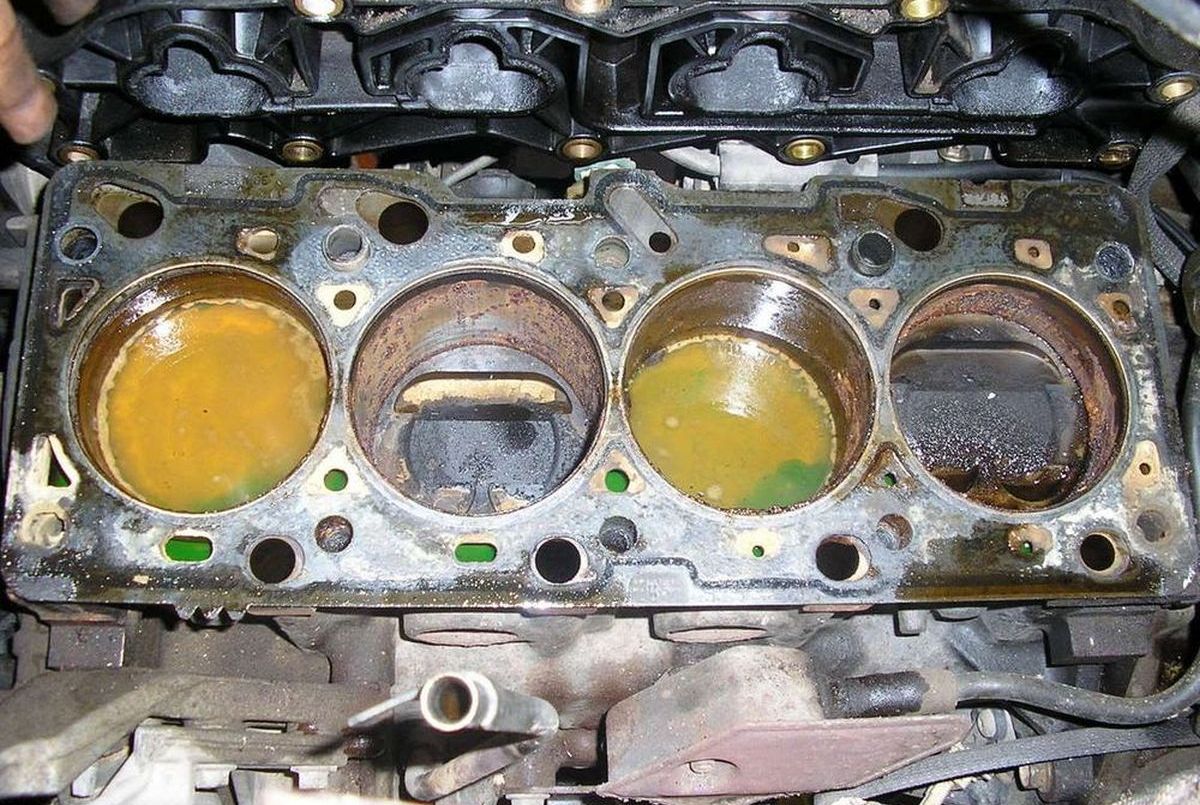
Engine hydrolock, also called hydraulic lock, is a serious mechanical condition that occurs when a significant amount of liquid enters a cylinder and prevents the piston from completing its normal compression stroke.
Unlike air, liquid is practically incompressible under the conditions found inside an engine. When the piston moves upward and encounters a cylinder filled with liquid, the piston cannot compress the liquid in the same way it compresses the air-fuel mixture.
The result can range from a sudden engine stall to severe internal engine damage, including bent connecting rods, damaged pistons, crankshaft problems, and even a completely seized engine.
Hydrolock is most commonly associated with water entering the engine, but other liquids can also cause hydraulic lock.
How Does Engine Hydrolock Happen?
During normal operation, a piston moves up and down inside the cylinder.
During the compression stroke, the piston moves upward while compressing the air-fuel mixture. Air can be compressed, allowing the piston to reach the top of the cylinder.
Liquid behaves very differently.
If water, coolant, fuel, or another significant amount of liquid enters the combustion chamber, the piston may attempt to compress something that cannot be compressed sufficiently.
The connecting rod is then placed under an enormous load.
Depending on the engine speed and amount of liquid, the connecting rod can bend or break.
In severe cases, the sudden resistance can damage several internal components at once.
Water Ingestion Is the Most Common Cause
One of the best-known causes of hydrolock is water entering the engine through the air intake.
This can happen when a vehicle is driven through deep standing water or flooding.
The engine's air intake system is designed to draw in air. If the intake opening becomes submerged, the engine can draw water into the intake tract.
The water can travel through:
-
Air intake ducts
-
Air filter housing
-
Intake piping
-
Throttle body
-
Intake manifold
-
Intake valves
-
Combustion chambers
If enough water reaches one or more cylinders, hydrolock can occur.
This is why driving through deep floodwater can be much more dangerous for an engine than simply getting the exterior of the vehicle wet.
Driving Through Floodwater
A vehicle does not necessarily need to be completely submerged for hydrolock to occur.
If water reaches the air intake at the right height, the engine may ingest it.
The risk depends on several factors:
-
Water depth
-
Vehicle ride height
-
Location of the air intake
-
Vehicle speed
-
Shape of the intake system
-
Water movement
-
Engine speed
-
Duration of exposure
Driving quickly through deep water can actually increase the amount of water splashed toward the intake.
Even a relatively short encounter with deep standing water can therefore cause serious engine damage.
Can Coolant Cause Hydrolock?
Yes.
Coolant can enter a cylinder when there is a serious internal cooling-system or engine sealing problem.
Possible causes include:
-
Head gasket failure
-
Cracked cylinder head
-
Cracked engine block
-
Damaged cylinder liner
-
Certain intake manifold gasket failures
-
Other internal coolant leakage paths
If a large quantity of coolant enters a cylinder while the engine is running, hydrolock can occur.
Coolant entering a cylinder while the engine is switched off can also create a dangerous situation. If enough coolant accumulates in the cylinder before the next startup, the piston may encounter the liquid when the starter turns the engine.
Can Excess Fuel Cause Hydrolock?
Yes, although this situation is often described as fuel flooding rather than water hydrolock.
A severely leaking fuel injector can allow a large quantity of gasoline or diesel fuel to enter a cylinder while the engine is switched off.
If enough liquid accumulates, the piston may encounter the fuel during cranking.
This can cause hydraulic lock and potentially bend a connecting rod.
Fuel accumulation can also cause another serious problem: fuel can wash the cylinder walls and contaminate the engine oil.
Therefore, an engine that has experienced severe injector leakage should not simply be started repeatedly without diagnosis.
Can a Diesel Engine Hydrolock?
Yes.
Diesel engines are not immune to hydrolock.
In fact, their high compression ratios mean that the consequences of liquid entering a cylinder can be particularly severe.
Water ingestion is especially dangerous because diesel engines can ingest large quantities of air under certain operating conditions.
Diesel engines can also experience hydrolock from coolant or excessive fuel entering the combustion chamber.
What Happens Inside the Engine During Hydrolock?
The sequence is relatively simple:
-
Liquid enters the cylinder.
-
The piston begins its compression stroke.
-
The piston approaches top dead center.
-
The liquid cannot be compressed sufficiently.
-
Cylinder pressure rises extremely quickly.
-
The connecting rod and crankshaft experience abnormal loads.
-
The engine may stop suddenly or suffer internal damage.
If the engine is running at high RPM, the damage can be particularly severe because the piston and connecting rod are moving with considerable momentum.
Why Can a Connecting Rod Bend?
The connecting rod transfers force between the piston and crankshaft.
Under normal conditions, the piston can move toward the top of the cylinder because the air-fuel mixture is compressed.
During hydrolock, the liquid prevents the piston from completing the stroke.
The crankshaft is still attempting to rotate, however.
This creates an extremely high compressive load on the connecting rod.
A connecting rod can deform or bend under this abnormal force.
A bent connecting rod may not always cause the engine to seize immediately. In some cases, the engine may continue running but develop severe symptoms afterward.
What Happens If the Connecting Rod Breaks?
A connecting rod that breaks can cause catastrophic engine damage.
The broken rod can move violently inside the engine and may damage:
-
Cylinder walls
-
Pistons
-
Crankshaft
-
Engine block
-
Oil pan
-
Other connecting rods
-
Internal oil passages
In extreme cases, the connecting rod can break through the engine block.
This type of damage can make the engine economically impractical to repair.
What Are the Symptoms of Engine Hydrolock?
Symptoms depend on how much liquid entered the cylinder and whether the engine was running at the time.
Possible symptoms include:
-
Engine suddenly stops
-
Starter cannot turn the engine
-
Engine cranks very slowly
-
Starter produces a heavy clicking or struggling sound
-
Engine cranks unevenly
-
Severe vibration before shutdown
-
Water or coolant found in the intake system
-
Coolant level suddenly drops
-
Unexplained coolant consumption
-
Excessive fuel in a cylinder
-
Bent connecting rod
-
Low compression in one cylinder
-
Engine knocking after the event
-
Oil contaminated with fuel or coolant
A completely locked engine is the most obvious scenario, but hydrolock does not always leave the engine permanently seized.
Can an Engine Still Crank After Hydrolock?
Yes.
Hydrolock does not always mean that the engine is permanently locked.
If only a relatively small amount of liquid entered the cylinder, the engine may stop temporarily and later turn again after the liquid is removed.
However, the engine may still have suffered internal damage.
For example, a connecting rod can bend without completely stopping the crankshaft.
The engine may then restart but exhibit:
-
Low compression
-
Uneven running
-
Excessive vibration
-
Unusual engine noise
-
Reduced power
-
Increased oil consumption
Therefore, the fact that an engine can still crank does not prove that it escaped damage.
What Does Hydrolock Sound Like?
There is no single sound that identifies hydrolock.
If liquid enters a cylinder while the engine is running, the engine may stop abruptly.
If the starter is then used, it may produce a heavy clicking or struggling sound because it cannot rotate the crankshaft normally.
In some cases, the starter may turn the engine partially and then stop suddenly.
However, a similar symptom can be caused by other problems, such as a seized engine, starter failure, mechanical timing failure, or a severely damaged internal component.
Proper diagnosis is therefore necessary.
Can Hydrolock Cause a Seized Engine?
Yes.
A severe hydrolock event can cause the engine to become mechanically locked.
This can happen when:
-
A large quantity of liquid enters the cylinder
-
A connecting rod breaks
-
Internal components deform
-
A piston becomes damaged
-
The crankshaft is damaged
-
Mechanical components become jammed
However, "hydrolock" and "seized engine" are not exactly the same thing.
Hydrolock describes the condition caused by liquid preventing normal piston movement. Engine seizure is a broader term describing a condition where the engine cannot rotate because of mechanical interference or severe internal damage.
What Should You Do If You Suspect Hydrolock?
If the engine suddenly stalls after driving through deep water, do not repeatedly try to restart it.
Repeated cranking can increase the risk of internal damage if liquid is still present in the cylinders.
The safer approach is to stop the vehicle and have the intake and engine inspected.
Depending on the suspected cause, a technician may:
-
Inspect the air intake
-
Remove the air filter
-
Check for water inside the intake system
-
Inspect the throttle body
-
Check the intake manifold
-
Remove spark plugs on gasoline engines when appropriate
-
Inspect glow plugs or other access points on diesel engines when appropriate
-
Determine whether the cylinders contain liquid
-
Rotate the engine using an appropriate diagnostic procedure
-
Perform compression testing
-
Perform leak-down testing
-
Inspect engine oil for coolant or fuel contamination
-
Check the cooling system
-
Inspect the fuel injectors
-
Inspect internal components if damage is suspected
The exact procedure depends on the engine design and the suspected source of the liquid.
Why Should You Not Keep Cranking a Hydrolocked Engine?
The starter motor normally turns the crankshaft at relatively low speed, but that does not make repeated cranking harmless.
If a cylinder contains a significant amount of liquid, the piston can repeatedly encounter the same hydraulic resistance.
If a connecting rod has already been weakened or bent, additional cranking can worsen the damage.
There is also a separate risk when the liquid is fuel: repeated attempts to start the engine can increase fuel contamination of the engine oil.
Hydrolock After Heavy Rain or Flooding
After a flood, a vehicle may appear externally normal while the engine has suffered internal water ingestion.
Warning signs include:
-
The engine stalled while driving through water
-
The air filter is wet
-
Water is visible inside the intake
-
The engine will not crank normally
-
The starter suddenly stops the engine at one point in its rotation
-
Engine oil appears unusually cloudy after water contamination
-
The engine runs poorly after restarting
A wet air filter alone does not prove hydrolock, but it is an important reason to inspect the intake system before attempting repeated starts.
Can a Turbocharger Increase the Risk?
A turbocharged engine can also suffer hydrolock.
The turbocharger moves a large volume of air through the intake system. If the vehicle encounters water at the intake, the turbocharger can help move that water deeper into the intake tract.
This does not mean every turbocharged vehicle is more likely to hydrolock in every situation. The intake design and position of the air inlet are important factors.
Turbocharged vehicles can also have additional liquid-related problems involving intercoolers and intake plumbing.
Can Water in the Intercooler Cause Hydrolock?
In certain situations, yes.
If a significant amount of water enters or accumulates in the intake system of a turbocharged engine, it can potentially reach the cylinders.
An intercooler is designed to cool compressed intake air, not to store liquid.
After severe water ingestion, the entire intake system should be checked rather than assuming that the intercooler is unaffected.
Hydrolock vs. Water in the Engine Oil
Water contamination of engine oil is a different problem.
If water or coolant mixes with engine oil, the oil can lose some of its lubrication properties and may become cloudy or form a milky emulsion.
This does not necessarily mean hydrolock has occurred.
Hydrolock specifically involves liquid entering a cylinder in sufficient quantity to interfere with piston movement.
An engine can have contaminated oil without hydrolocking, and an engine can hydrolock from water entering through the intake without immediately producing a large amount of water in the engine oil.
Can Hydrolock Happen While the Engine Is Off?
Yes.
This is particularly possible when coolant or fuel leaks into a cylinder while the vehicle is parked.
For example, if an injector leaks continuously after the engine is switched off, fuel can accumulate in the combustion chamber.
Likewise, a serious internal coolant leak can allow coolant to enter a cylinder while the engine is parked.
The next time the starter turns the engine, the piston can encounter the accumulated liquid.
This is one reason an engine that suddenly develops a no-crank condition should not automatically be diagnosed as a bad starter.
How Is Hydrolock Diagnosed?
Diagnosis begins by determining whether a liquid entered the cylinders.
A technician may inspect the intake system and check the condition of the air filter.
If water, coolant, or fuel ingestion is suspected, the cylinders may need to be inspected through appropriate access points.
Compression testing can help identify a cylinder with abnormal sealing, while a leak-down test can provide additional information about piston, ring, valve, or head-gasket-related problems.
If a connecting rod is suspected to be bent, cylinder height measurements, piston position comparisons, borescope inspection, or engine disassembly may be required depending on the engine.
Does Every Flooded Car Have a Hydrolocked Engine?
No.
A vehicle can drive through water without hydrolocking.
The risk depends heavily on whether water actually reaches the air intake and how much enters the engine.
Water underneath the vehicle or inside the cabin does not automatically mean that the engine has ingested water.
However, if the vehicle stalled while driving through deep water, or the air intake became submerged, the engine should be inspected before repeated starting attempts.
Can Hydrolock Be Prevented?
The most effective prevention is avoiding conditions that allow large quantities of liquid to enter the intake or combustion chamber.
When approaching standing or floodwater, the safest option is generally to avoid entering it when the depth or condition of the road is uncertain.
Other preventive measures include:
-
Keeping the air intake system properly assembled
-
Replacing damaged intake ducts
-
Maintaining the air filter housing and seals
-
Repairing leaking fuel injectors
-
Addressing unexplained coolant loss
-
Repairing head-gasket or cylinder-head problems
-
Maintaining the cooling system
-
Avoiding repeated engine-start attempts after water ingestion
A properly designed intake system also helps reduce the risk of water ingestion, but no ordinary vehicle should be assumed to be immune to deep flooding.
Final Thoughts
Hydrolock is a serious engine condition caused by liquid entering a cylinder in sufficient quantity to prevent the piston from completing its normal movement.
Water ingestion during flooding is one of the best-known causes, but coolant and fuel can also produce hydraulic lock under the right conditions.
The most serious consequence is connecting-rod damage. A bent or broken connecting rod can lead to piston, crankshaft, cylinder-wall, and engine-block damage.
If an engine suddenly stops after driving through deep water, repeatedly turning the starter is not a good diagnostic strategy. The intake and cylinders should be inspected first.
Most importantly, hydrolock should not be confused with ordinary engine seizure. Hydrolock is a specific mechanism caused by liquid inside the cylinder, while engine seizure is a broader condition in which the engine cannot rotate because of mechanical damage or interference.