TR
TR EN
EN

What Is a Clutch Kit? When Should the Clutch Be Replaced?
The clutch is one of the most important components in a vehicle equipped with a manual transmission. It allows the engine to transfer power to the transmission smoothly and makes it possible to start the vehicle, stop without stalling the engine, and change gears.
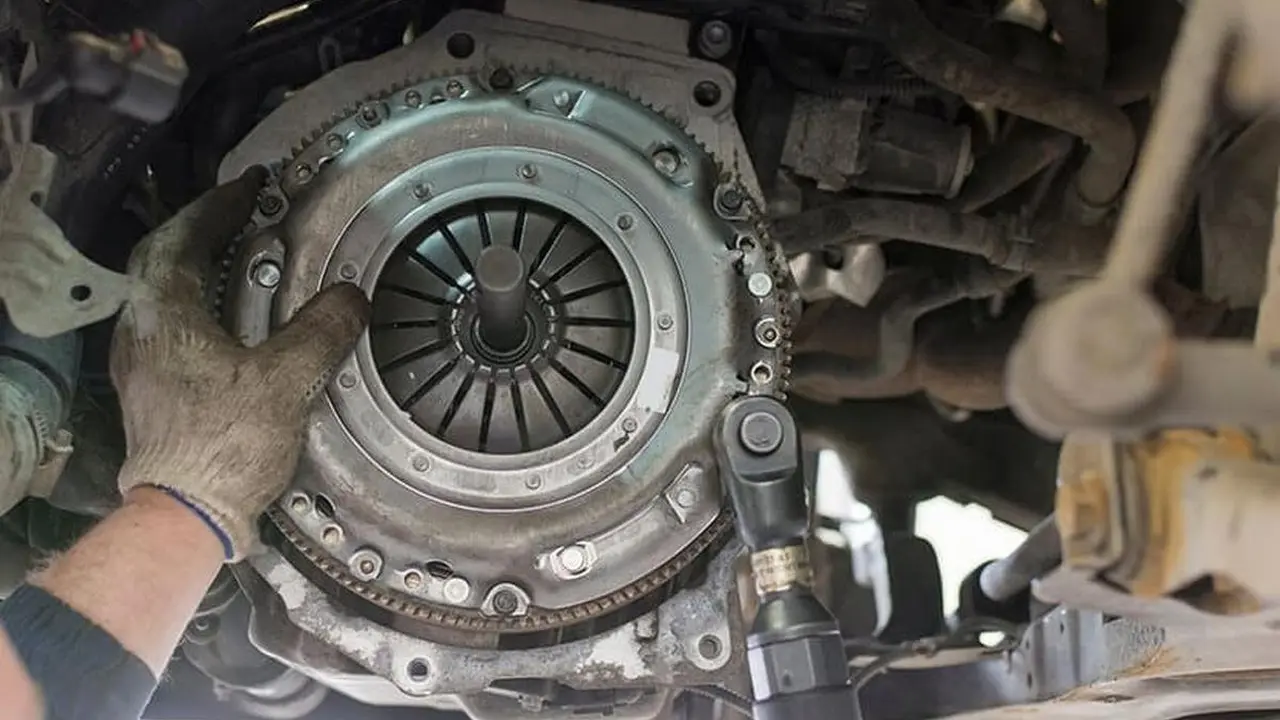
When people talk about replacing the clutch, they often use the term "clutch kit" or "clutch set." In many vehicles, this kit includes the clutch disc, pressure plate, and release bearing. Depending on the vehicle and clutch design, other components may also be replaced at the same time.
In Turkish, the term "baskı balata" is commonly used to describe the clutch assembly, although technically the pressure plate and clutch disc are two different components.
Understanding how these parts work together makes it much easier to recognize clutch wear and determine when replacement is actually necessary.
What Is a Clutch?
A clutch is a mechanical connection between the engine and the transmission.
The engine continues to rotate while it is running, but the vehicle cannot remain permanently connected to the transmission at the same speed. The clutch allows this connection to be temporarily interrupted.
When the clutch pedal is released, engine torque is transferred through the clutch assembly to the transmission.
When the pedal is pressed, the clutch separates the engine from the transmission, allowing the driver to change gears.
This simple principle is essential for the operation of a manual transmission.
What Does a Clutch Kit Consist Of?
A typical clutch kit consists of three main components:
-
Clutch disc
-
Pressure plate
-
Release bearing
Some vehicles use a hydraulic or mechanical release system, while others use more complex clutch mechanisms.
Certain applications may also involve components such as a dual-mass flywheel, pilot bearing, clutch fork, slave cylinder, or concentric slave cylinder.
These components are not necessarily included in every clutch kit, so the exact contents depend on the vehicle.
What Is the Clutch Disc?
The clutch disc is the friction component located between the flywheel and pressure plate.
It contains friction material that allows engine torque to be transferred to the transmission input shaft.
The disc also normally contains torsional springs or another damping mechanism. These components help reduce vibration and torque fluctuations between the engine and transmission.
Over time, the friction material wears down.
As the disc becomes thinner, its ability to transmit engine torque can eventually decrease.
This is one of the main reasons a clutch begins to slip.
What Is the Pressure Plate?
The pressure plate applies clamping force to the clutch disc.
When the clutch pedal is released, the pressure plate presses the clutch disc against the flywheel.
This creates enough friction to transmit engine torque.
When the clutch pedal is pressed, the release mechanism acts on the pressure plate and reduces the clamping force, allowing the clutch disc to separate from the flywheel.
A worn or damaged pressure plate can therefore cause problems even if the clutch disc itself still has some usable friction material.
What Is the Release Bearing?
The release bearing, also called the clutch release bearing or throw-out bearing, transfers the force from the clutch release mechanism to the pressure plate.
It operates whenever the clutch is disengaged.
A damaged release bearing can produce:
-
Whining noises
-
Rattling sounds
-
Grinding or rough bearing noise
-
Noise that changes when the clutch pedal is pressed or released
The exact noise pattern depends on the clutch design and the specific failure.
How Does the Clutch Work?
The operation can be understood in three basic stages.
Clutch pedal released
The pressure plate clamps the clutch disc against the flywheel.
Engine torque is transmitted through the clutch disc to the transmission.
Clutch pedal partially pressed
The clutch is transitioning between engagement and disengagement.
Some slipping can occur during this phase, which is normal when starting from a stop or during certain gear changes.
However, prolonged slipping generates significant heat and accelerates wear.
Clutch pedal fully pressed
The clutch disc is separated from the flywheel sufficiently to interrupt most engine torque transmission.
The transmission can then change gears without the engine driving the transmission input shaft in the normal engaged manner.
What Does a Worn Clutch Feel Like?
Clutch wear does not always appear as one obvious symptom.
A vehicle may initially show only slight changes in clutch engagement.
Common symptoms include:
-
Engine RPM rises without a corresponding increase in vehicle speed
-
Difficulty accelerating under heavy load
-
Clutch engagement occurs very high in the pedal travel
-
Burning smell after repeated clutch use
-
Judder when moving away
-
Difficulty selecting gears
-
Unusual clutch-related noises
-
Changes in clutch pedal feel
-
The vehicle struggles to transmit torque on hills
However, none of these symptoms alone proves that the clutch disc is worn out.
A hydraulic problem, release mechanism fault, flywheel problem, engine issue, transmission problem, or another component can produce similar symptoms.
The Most Important Sign: Clutch Slipping
One of the clearest signs of a worn clutch is clutch slip.
For example, imagine driving in a relatively high gear at low or medium engine speed and then applying substantial throttle.
If the engine RPM rises quickly but the vehicle does not accelerate proportionally, the clutch may be slipping.
The engine is producing torque, but the clutch is failing to transmit all of that torque to the transmission.
This becomes particularly noticeable under heavy load or during uphill acceleration.
Why Does a Clutch Slip?
A slipping clutch can have several causes.
The most obvious is worn friction material on the clutch disc.
However, other possibilities include:
-
Weak or damaged pressure plate
-
Oil contamination
-
Incorrect clutch installation
-
Flywheel problems
-
Excessive clutch temperature
-
Incorrect clutch adjustment on some systems
-
Hydraulic release mechanism problems
-
Incorrect or incompatible clutch components
Oil contamination is particularly important.
If engine oil or transmission fluid reaches the clutch friction surface, the disc may lose its ability to grip properly.
Simply replacing the clutch disc without finding the source of the contamination may result in another failure.
What Causes Premature Clutch Wear?
A clutch does not necessarily wear out at a fixed mileage.
Driving style has a major influence on clutch life.
Frequent causes of premature wear include:
Holding the vehicle with the clutch on an incline
Some drivers partially engage the clutch to prevent the vehicle from rolling backward.
This creates continuous friction and heat.
The brake or hill-start assistance system should be used instead of intentionally slipping the clutch for extended periods.
Resting your foot on the clutch pedal
Even light pressure can sometimes partially activate the release mechanism.
Depending on the vehicle, this may contribute to unnecessary clutch wear.
Holding the clutch at the engagement point
Keeping the clutch partially engaged while waiting in traffic or maneuvering can generate unnecessary heat.
Aggressive acceleration
Hard launches and repeated high-load acceleration can generate considerable clutch temperature and wear.
Heavy towing
Towing a heavy trailer places additional torque demands on the clutch.
Frequent stop-and-go driving
Urban traffic can require thousands of clutch engagement cycles over the life of the vehicle.
This does not automatically mean the clutch will fail early, but it can accelerate wear compared with steady highway driving.
How Many Kilometers Does a Clutch Last?
There is no universal clutch replacement mileage.
A clutch can last significantly different distances depending on:
-
Vehicle weight
-
Engine torque
-
Transmission design
-
Driving style
-
Traffic conditions
-
Towing
-
Terrain
-
Clutch quality
-
Driver experience
-
Previous repair quality
One vehicle may require a clutch replacement relatively early, while another may operate reliably for a much longer distance.
Therefore, replacing a clutch simply because the vehicle has reached a certain mileage is not always appropriate.
The condition of the clutch is more important than the odometer alone.
When Should the Clutch Be Replaced?
The clutch should generally be replaced when there is confirmed excessive wear, persistent slipping, significant damage, or another failure that makes continued operation unreliable.
Typical reasons for replacement include:
-
Confirmed clutch disc wear
-
Persistent clutch slipping
-
Severely damaged friction surfaces
-
Failed pressure plate
-
Damaged release bearing
-
Oil-contaminated friction material
-
Damaged clutch springs or hub
-
Severe clutch judder caused by damaged components
-
Heat damage or cracking
-
Problems discovered during transmission removal
The decision should be based on inspection and diagnosis rather than mileage alone.
What Is Clutch Judder?
Clutch judder occurs when clutch engagement is not smooth.
Instead of progressively transmitting torque, the clutch may grab and release repeatedly.
The driver may feel the vehicle shaking when pulling away.
Possible causes include:
-
Uneven clutch friction surface
-
Overheated clutch disc
-
Contaminated friction material
-
Flywheel surface problems
-
Pressure plate problems
-
Engine or transmission mount issues
-
Incorrect clutch installation
This is why replacing the clutch immediately is not always the correct first step.
If the engine or transmission mounts are damaged, installing a new clutch may not eliminate the vibration.
What Does a Burning Clutch Smell Mean?
A strong burning smell after heavy clutch use can indicate excessive clutch temperature.
This can happen after:
-
Repeated hill starts
-
Heavy towing
-
Aggressive launches
-
Long periods of clutch slipping
-
Getting stuck and repeatedly trying to move the vehicle
A single overheating event does not necessarily mean the clutch must immediately be replaced.
However, repeated overheating can damage the friction material and pressure plate.
If the smell is accompanied by clutch slipping, judder, or abnormal pedal behavior, the clutch should be inspected.
Does a High Clutch Engagement Point Mean the Clutch Is Worn?
A high engagement point can be associated with clutch wear, but it is not a definitive diagnosis.
Clutch pedal behavior varies significantly between vehicles.
Some vehicles naturally engage relatively high.
Furthermore, hydraulic clutch systems may compensate for changes in clutch wear, and problems with the release mechanism can alter pedal behavior.
Therefore, clutch engagement position should be considered together with other symptoms rather than used as the only reason for replacement.
Why Does the Clutch Pedal Become Hard?
A hard clutch pedal can have several causes.
Possible problems include:
-
Damaged pressure plate
-
Faulty release bearing
-
Clutch fork problems
-
Hydraulic system issues
-
Seized clutch cable on cable-operated systems
-
Binding release mechanism
-
Incorrectly installed components
A hard pedal does not automatically mean the clutch disc is worn.
The complete clutch release system needs to be inspected.
Why Is It Difficult to Change Gears?
Difficulty selecting gears can occur when the clutch does not fully disengage.
If the clutch continues transmitting some engine torque while the pedal is fully pressed, gear engagement may become difficult.
Possible causes include:
-
Air in a hydraulic clutch system
-
Low hydraulic fluid where applicable
-
Master cylinder problems
-
Slave cylinder problems
-
Clutch adjustment problems on applicable systems
-
Warped or damaged clutch disc
-
Pressure plate problems
-
Pilot bearing problems
-
Release mechanism faults
Transmission problems themselves can also cause difficult gear selection.
Therefore, difficult shifting should not automatically be interpreted as a worn clutch disc.
What Is the Difference Between Clutch Slipping and Clutch Not Disengaging?
These two problems are essentially opposite clutch behaviors.
With clutch slipping, the clutch is not able to hold engine torque properly when it should be fully engaged.
The engine RPM can rise without proportional vehicle acceleration.
With clutch drag, the clutch does not separate sufficiently when the pedal is pressed.
The engine and transmission remain partially connected, making gear selection difficult.
A clutch can therefore have a problem even if it is not slipping.
Should the Flywheel Be Replaced With the Clutch?
Not every clutch replacement requires a new flywheel.
However, the flywheel should be carefully inspected whenever the clutch is removed.
Depending on the vehicle, the flywheel may show:
-
Heat spots
-
Cracks
-
Scoring
-
Uneven friction surfaces
-
Excessive wear
-
Excessive runout
Some vehicles use a dual-mass flywheel (DMF), which has additional internal components designed to damp engine torsional vibrations.
A damaged dual-mass flywheel may need to be replaced along with the clutch.
Replacing a worn clutch while leaving a severely damaged flywheel in place can result in continued vibration, noise, or clutch engagement problems.
Should the Clutch Master and Slave Cylinders Be Replaced?
Not automatically.
If the hydraulic cylinders are functioning correctly and show no signs of leakage or abnormal operation, replacing them solely because the clutch is being replaced may not be necessary.
However, if a master cylinder, slave cylinder, or concentric slave cylinder is already leaking, sticking, or showing abnormal behavior, replacing it while the transmission is accessible can sometimes be practical.
The correct decision depends on the vehicle and the condition of the components.
Is the Clutch Kit Replaced as a Set?
In many cases, replacing the clutch components as a complete kit is preferable.
If the clutch disc is severely worn but the pressure plate and release bearing are reused, another component may fail later.
Because accessing these components often requires removing the transmission, labor can be substantial.
For this reason, many repairs replace the clutch disc, pressure plate, and release bearing together.
However, the exact repair strategy should follow the manufacturer's service recommendations and the actual condition of the components.
How Long Does a Clutch Replacement Take?
Clutch replacement time varies considerably.
The labor required depends on:
-
Vehicle design
-
Engine configuration
-
Transmission location
-
Front-wheel-drive or rear-wheel-drive layout
-
Access to the transmission
-
Whether the subframe must be removed
-
Whether additional components require replacement
Some vehicles can be serviced relatively quickly, while others require considerably more labor.
The replacement itself is therefore not a simple operation like changing brake pads.
What Happens If You Continue Driving With a Worn Clutch?
A mildly worn clutch may continue operating for some time, but continued driving can eventually turn a manageable repair into a more expensive one.
A slipping clutch generates heat.
Excessive heat can damage the clutch disc, pressure plate, and flywheel.
If the clutch begins slipping severely, the vehicle may eventually lose the ability to transfer engine torque effectively.
This can leave the vehicle unable to accelerate properly or even unable to move under certain conditions.
Can a Clutch Suddenly Fail?
Yes.
Although clutch wear is normally progressive, a clutch can appear to work normally and then develop a major problem relatively suddenly.
For example, a hydraulic failure can prevent the clutch from disengaging properly.
A pressure plate or release mechanism can also fail.
A clutch disc can become contaminated by an oil leak, causing a sudden change in performance.
Therefore, not every clutch failure develops gradually over thousands of kilometers.
Can a New Clutch Be Damaged Quickly?
Yes.
A new clutch can be damaged prematurely if it is installed incorrectly or subjected to severe operating conditions.
Possible causes include:
-
Incorrect installation
-
Incorrect clutch alignment
-
Contaminated friction surfaces
-
Improper flywheel preparation
-
Hydraulic problems
-
Oil leaks
-
Aggressive clutch use
-
Excessive clutch slipping
-
Incorrect parts
This is why the quality of the installation is just as important as the quality of the replacement parts.
What Should Be Checked During a Clutch Replacement?
A professional clutch replacement should involve more than simply installing a new clutch disc.
Depending on the vehicle, the technician should inspect:
-
Clutch disc
-
Pressure plate
-
Release bearing
-
Flywheel
-
Dual-mass flywheel if equipped
-
Rear main seal for leakage
-
Transmission input shaft area
-
Clutch fork and release mechanism
-
Master cylinder
-
Slave cylinder
-
Clutch hydraulic line
-
Pilot bearing where applicable
-
Engine and transmission mounts
The exact inspection list depends on the vehicle.
How Can You Make a Clutch Last Longer?
Good driving habits can significantly extend clutch life.
Avoid unnecessary clutch slipping.
When stopping for a longer period, avoid keeping the clutch pedal partially engaged.
Use the brake and hill-start system instead of balancing the vehicle on the clutch.
During normal driving, allow the clutch to engage smoothly without unnecessarily holding it at the engagement point.
Avoid repeated aggressive launches unless the vehicle and clutch are specifically designed for that type of use.
When towing, use appropriate techniques and avoid excessive clutch slip.
Final Thoughts
The "baskı balata," commonly referred to in English as the clutch or clutch kit, is responsible for controlling the transfer of engine torque to a manual transmission.
The clutch disc provides the friction surface, the pressure plate supplies clamping force, and the release bearing allows the clutch to disengage.
There is no universal mileage at which every clutch must be replaced.
The most important warning signs are clutch slipping, abnormal engagement, judder, burning smell, unusual noises, and difficulty disengaging the clutch. Even then, these symptoms do not automatically prove that the clutch disc itself has failed.
A proper diagnosis should distinguish clutch wear from problems involving the flywheel, hydraulic system, release mechanism, engine mounts, or transmission.
When replacement is necessary, replacing the clutch disc, pressure plate, and release bearing as a complete set is often the practical approach, while the flywheel and other related components should be inspected carefully.
The best time to replace a clutch is therefore not determined by the odometer alone. It is when inspection and symptoms show that the clutch can no longer reliably transfer or interrupt engine torque.