TR
TR EN
EN

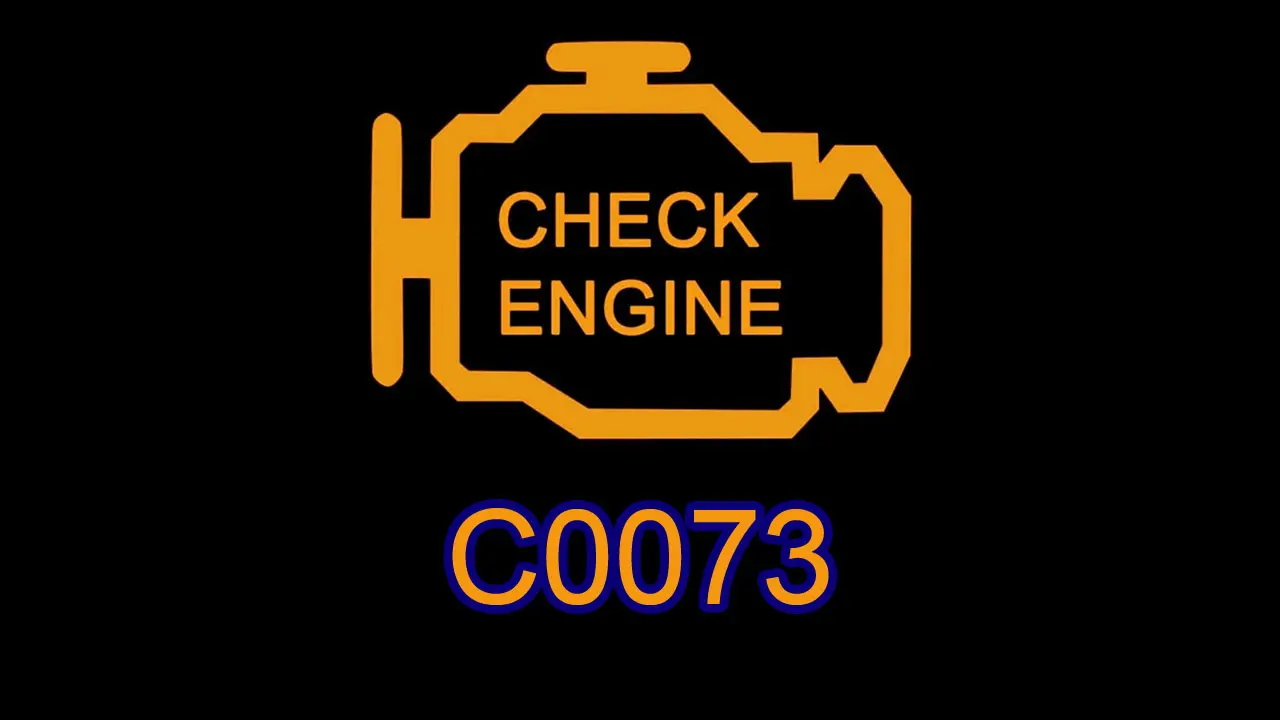
C0073 Abnormal Lateral G Sensor Output
C0073 Abnormal Lateral G Sensor Output is a diagnostic trouble code that indicates the vehicle's Electronic Stability Control (ESC), Vehicle Stability Control (VSC), or ABS control module has detected an abnormal signal from the lateral G sensor.
The lateral G sensor measures the side-to-side acceleration forces acting on the vehicle while cornering. This information is critical for stability control systems because it allows the control module to determine how the vehicle is actually moving compared to how the driver intends it to move.
When the control module detects that the lateral G sensor output is outside the expected operating range, implausible, intermittent, or inconsistent, it stores the C0073 fault code and may disable stability-related safety systems.
This fault is commonly caused by a faulty lateral G sensor, wiring problems, connector corrosion, calibration issues, impact damage, low battery voltage, or stability control module faults.
What Does C0073 Abnormal Lateral G Sensor Output Mean?
The lateral G sensor measures the sideways acceleration of the vehicle during turns and cornering maneuvers.
The stability control module compares information from:
-
Lateral G sensor
-
Steering angle sensor
-
Yaw rate sensor
-
Wheel speed sensors
-
Brake pressure sensors
Using this information, the system determines whether the vehicle is following the driver's intended path.
If the lateral G sensor reports values that are:
-
Too high
-
Too low
-
Unstable
-
Physically impossible
-
Inconsistent with other sensors
the control module stores C0073.
Possible causes include:
-
Faulty lateral G sensor
-
Calibration failure
-
Wiring damage
-
Connector issues
-
Vehicle impact damage
-
Control module problems
What Is a Lateral G Sensor?
The lateral G sensor is a vehicle dynamics sensor that measures sideways acceleration.
It is usually mounted near the vehicle's center of gravity, often:
-
Under the center console
-
Beneath the front seats
-
Inside the stability control module assembly
The sensor helps the vehicle determine:
-
Cornering force
-
Vehicle body movement
-
Stability control intervention timing
-
Traction control operation
Why Is the Lateral G Sensor Important?
The sensor is a critical component of modern safety systems, including:
-
Electronic Stability Control (ESC)
-
Vehicle Stability Control (VSC)
-
Electronic Stability Program (ESP)
-
Traction Control System (TCS)
-
Roll Stability Control (RSC)
Without accurate lateral acceleration data, these systems cannot properly determine whether the vehicle is sliding, understeering, or oversteering.
Symptoms of C0073
Symptoms vary depending on the severity of the fault.
ESC or Stability Control Warning Light
The most common symptom is the stability control warning light illuminating.
Possible indicators include:
-
ESC warning light
-
VSC warning light
-
ESP warning light
-
Stability control message
Traction Control Warning Light
The traction control system may become disabled.
ABS Warning Light
Some vehicles may also illuminate the ABS warning light.
Stability Control Disabled
The system may deactivate stability control functions to prevent incorrect interventions.
Reduced Traction Control Performance
Traction control assistance may no longer function correctly.
No Noticeable Driving Symptoms
Many drivers notice no immediate handling changes during normal driving.
However, electronic safety assistance may be unavailable during emergency maneuvers.
Common Causes of C0073
Several electrical, mechanical, and electronic problems can trigger this fault.
Faulty Lateral G Sensor
The sensor itself may fail due to:
-
Internal electronic failure
-
Signal drift
-
Physical damage
-
Aging components
Sensor Calibration Problems
The lateral G sensor may require calibration after:
-
Suspension repairs
-
Alignment procedures
-
Module replacement
-
Battery disconnection (on some vehicles)
Damaged Wiring
Electrical circuit problems may include:
-
Broken wires
-
Short circuits
-
Heat damage
-
Chafed insulation
Connector Problems
Electrical connectors may develop:
-
Corrosion
-
Loose terminals
-
Water intrusion
-
Bent pins
Accident or Impact Damage
Even minor collisions may affect:
-
Sensor alignment
-
Sensor mounting position
-
Vehicle dynamics calibration
Low Battery Voltage
Electronic stability systems require stable voltage.
Possible causes include:
-
Weak battery
-
Charging system faults
-
Poor grounding
Faulty Stability Control Module
The ESC or ABS control module may experience:
-
Internal electronic failure
-
Software errors
-
Communication faults
How Is C0073 Diagnosed?
Proper diagnosis requires checking the lateral G sensor and related stability control components.
Scan the Stability Control System
A professional diagnostic scanner should check:
-
Stored fault codes
-
Live sensor data
-
ESC module information
-
ABS module data
Additional codes often help identify related faults.
Monitor Live Sensor Data
Technicians compare:
-
Lateral acceleration values
-
Yaw rate values
-
Steering angle information
-
Wheel speed data
The values should be logical and consistent.
Inspect the Sensor
The lateral G sensor should be checked for:
-
Physical damage
-
Proper mounting
-
Signs of impact
Inspect Wiring and Connectors
Electrical inspection should include:
-
Wiring continuity
-
Connector condition
-
Corrosion
-
Voltage supply
-
Ground integrity
Check Sensor Calibration
Many vehicles require recalibration after repairs.
Technicians may perform:
-
Zero-point calibration
-
Sensor relearn procedure
-
Stability system initialization
How Is C0073 Fixed?
The repair depends on the actual cause.
Replace the Lateral G Sensor
If the sensor has failed internally, replacement is required.
Perform Sensor Calibration
Many cases are resolved by:
-
Recalibration
-
Zero-point reset
-
System relearn procedures
Repair Wiring Problems
Possible repairs include:
-
Repair damaged wires
-
Replace damaged wiring
-
Restore insulation
Repair Connector Problems
Repairs may include:
-
Cleaning corrosion
-
Repairing terminals
-
Replacing damaged connectors
Correct Mounting Issues
Improperly mounted sensors should be repositioned according to manufacturer specifications.
Repair Electrical Supply Problems
Battery, alternator, and grounding issues should be corrected.
Update or Replace Control Module
If necessary, technicians may:
-
Update software
-
Reprogram the module
-
Replace the control module
After repairs:
-
Clear diagnostic trouble codes.
-
Perform calibration procedures.
-
Verify sensor operation using live data.
-
Road test the vehicle.
-
Confirm that C0073 does not return.
Can You Drive With C0073?
The vehicle may remain drivable, but stability-related safety systems may be disabled.
Possible consequences include:
-
Reduced traction control
-
Reduced stability control
-
Less assistance during emergency maneuvers
-
Increased risk of skidding on slippery roads
Extra caution is recommended during:
-
Wet conditions
-
Snow
-
Ice
-
High-speed cornering
Is C0073 a Serious Code?
C0073 is generally considered a moderate to serious safety-related fault.
Although normal steering and braking may continue to function, stability control systems may no longer provide assistance during loss-of-control situations.
Because these systems play an important role in accident prevention, prompt diagnosis is recommended.
How to Prevent C0073
Regular maintenance can reduce the likelihood of lateral G sensor problems.
Maintain Battery and Charging System
Stable voltage helps ensure accurate sensor operation.
Protect Electrical Connections
Prevent:
-
Water intrusion
-
Corrosion
-
Connector damage
Perform Proper Calibration After Repairs
Always recalibrate the stability system after:
-
Suspension repairs
-
Alignment work
-
Sensor replacement
Repair Warning Lights Promptly
Early diagnosis often prevents more complex stability control problems.
Final Thoughts
C0073 Abnormal Lateral G Sensor Output indicates that the vehicle has detected an abnormal or implausible signal from the lateral acceleration sensor.
The most common causes include:
-
Faulty lateral G sensor
-
Calibration errors
-
Wiring problems
-
Connector faults
-
Impact damage
-
Low voltage conditions
-
Stability control module failures
A complete inspection of the lateral G sensor, wiring, connectors, calibration status, stability control system, and electrical supply is necessary to restore proper ESC operation and maintain vehicle safety.