TR
TR EN
EN

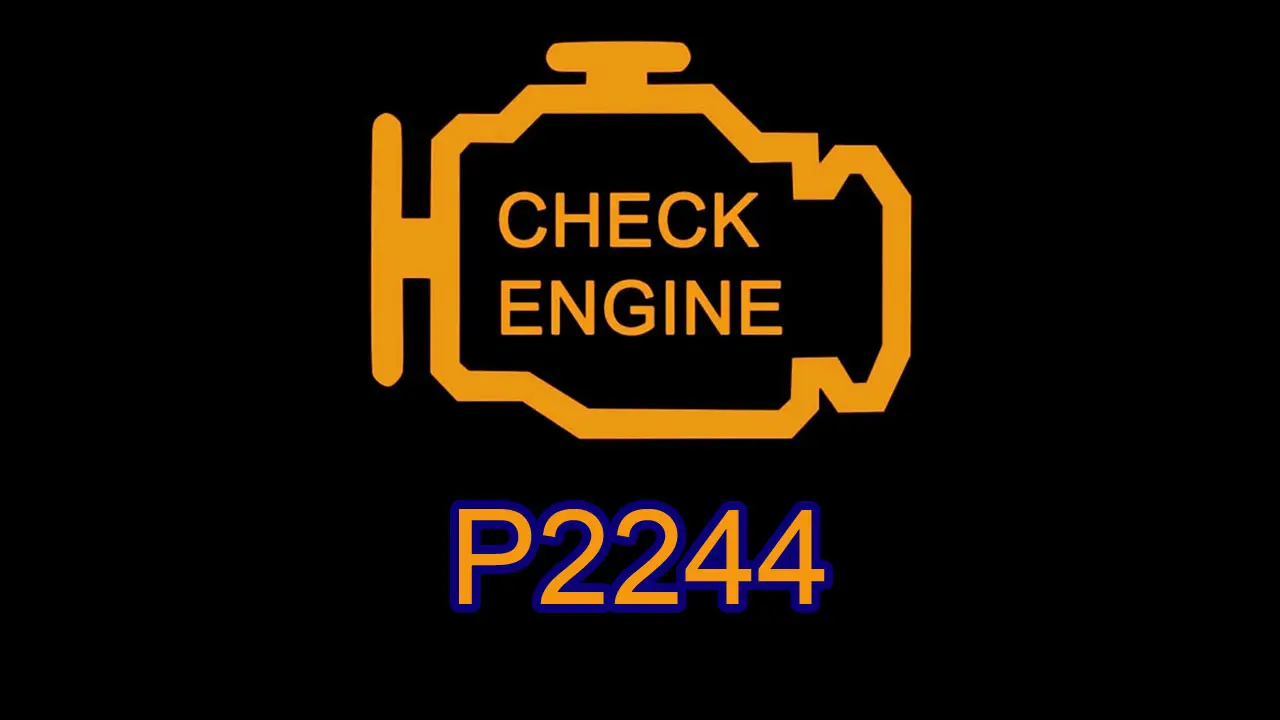
P2244 O2 Sensor Reference Voltage Performance (Bank 1 Sensor 1)
P2244 is a generic OBD-II diagnostic trouble code that indicates the Engine Control Module (ECM) has detected a performance problem in the Oxygen (O2) Sensor Reference Voltage Circuit for Bank 1 Sensor 1.
In simple terms, the ECM has determined that the reference voltage supplied to the upstream oxygen sensor on Bank 1 is unstable or operating outside the expected performance range. The circuit may not be completely open, shorted, or out of voltage limits, but its inconsistent operation prevents the oxygen sensor from accurately measuring the oxygen content in the exhaust gases.
Bank 1 Sensor 1 refers to the upstream oxygen sensor located before the catalytic converter on the side of the engine that contains cylinder number one.
Modern wideband oxygen sensors, also known as Air/Fuel Ratio (A/F) sensors, require a stable reference voltage to accurately calculate the air-fuel ratio. When the ECM detects irregular performance in this circuit, it stores diagnostic trouble code P2244 and usually illuminates the Check Engine Light.
What Does P2244 Mean?
Modern engine management systems rely on wideband oxygen sensors to optimize combustion efficiency.
Unlike traditional narrowband oxygen sensors, wideband sensors require several electrical circuits, including a dedicated reference voltage circuit that allows precise oxygen measurements.
The system typically includes:
-
Upstream oxygen sensor (Bank 1 Sensor 1)
-
Oxygen sensor heater
-
Reference voltage circuit
-
Signal circuit
-
Ground circuit
-
Wiring harness
-
Electrical connectors
-
Engine Control Module (ECM)
The ECM uses sensor information to:
-
Control fuel injection
-
Maintain the ideal air-fuel ratio
-
Improve fuel economy
-
Reduce exhaust emissions
-
Protect the catalytic converter
The code description contains several important meanings:
O2 Sensor
The upstream oxygen sensor continuously monitors oxygen concentration in the exhaust gases before they enter the catalytic converter.
Reference Voltage Circuit
This circuit supplies the stable voltage required for proper oxygen sensor operation.
Performance
The ECM has determined that the reference voltage circuit is not operating consistently within the expected parameters.
Possible causes include:
-
Intermittent wiring faults
-
Internal oxygen sensor degradation
-
Excessive circuit resistance
-
Loose electrical connections
-
ECM communication problems
Symptoms of P2244
The symptoms may vary depending on how unstable the reference voltage becomes.
Common symptoms include:
Check Engine Light
The Check Engine Light usually illuminates after the ECM detects the fault.
Poor fuel economy
Incorrect oxygen sensor readings may increase fuel consumption.
Rough idle
The engine may idle unevenly because fuel delivery is no longer accurately controlled.
Engine hesitation
The vehicle may hesitate during acceleration.
Reduced engine performance
Engine power may decrease due to improper fuel mixture adjustments.
Occasional hard starting
Some vehicles may require additional cranking before starting.
Failed emissions inspection
Incorrect air-fuel ratio control may cause excessive exhaust emissions.
Common Causes of P2244
Several issues can cause an O2 Sensor Reference Voltage Performance condition.
Faulty oxygen sensor
A worn or failing Bank 1 Sensor 1 oxygen sensor is one of the most common causes.
Possible failures include:
-
Internal electrical degradation
-
Sensor contamination
-
Heat damage
-
Aging components
Intermittent wiring faults
Damaged wiring may cause unstable reference voltage.
Possible causes include:
-
Chafed wiring
-
Loose wires
-
Heat-damaged insulation
-
Vibration-related damage
High electrical resistance
Excessive resistance within the circuit may affect reference voltage stability.
Possible causes include:
-
Corroded terminals
-
Damaged connectors
-
Oxidized wiring
Damaged wiring harness
The wiring harness may become damaged by:
-
Engine heat
-
Road debris
-
Rodent damage
-
Previous electrical repairs
Loose or corroded connectors
Poor electrical connections may cause intermittent voltage fluctuations.
Possible issues include:
-
Corrosion
-
Bent connector pins
-
Loose terminals
-
Moisture intrusion
Poor ground connection
An unstable ground may interfere with normal sensor operation.
Faulty ECM
Although uncommon, the ECM itself may incorrectly supply or interpret the reference voltage.
Possible causes include:
-
Software issues
-
Internal ECM failure
Vehicles Commonly Affected by P2244
P2244 may occur on many vehicles equipped with wideband oxygen sensors.
Common examples include:
-
Toyota
-
Lexus
-
Honda
-
Acura
-
Nissan
-
Infiniti
-
Ford
-
Chevrolet
-
GMC
-
BMW
-
Mercedes-Benz
-
Audi
-
Volkswagen
-
Subaru
-
Hyundai
-
Kia
The exact diagnostic procedure depends on the vehicle manufacturer.
How Is P2244 Diagnosed?
Proper diagnosis requires inspecting both the oxygen sensor and the reference voltage circuit.
Check for additional trouble codes
A professional scan tool should check for related trouble codes such as:
-
Air/Fuel Ratio Sensor codes
-
Oxygen sensor heater codes
-
Fuel trim codes
-
Catalyst efficiency codes
-
Misfire codes
Related codes often help identify the root cause.
Inspect the oxygen sensor
Technicians should inspect Bank 1 Sensor 1 for:
-
Physical damage
-
Heat damage
-
Contamination
-
Proper installation
Inspect wiring and connectors
The complete circuit should be inspected for:
-
Damaged wiring
-
Loose connectors
-
Corrosion
-
Heat damage
-
Signs of intermittent electrical contact
Measure reference voltage
Using a digital multimeter, technicians should verify that the reference voltage remains stable and within the manufacturer's specifications.
Monitor live sensor data
Using a professional scan tool, technicians should monitor:
-
Air-fuel ratio readings
-
Oxygen sensor voltage
-
Fuel trim values
-
Sensor response speed
Slow, unstable, or inconsistent readings often indicate a reference voltage performance problem.
Inspect the exhaust system
Inspect for exhaust leaks near the sensor that may interfere with accurate sensor readings.
How to Fix P2244
The proper repair depends on the source of the performance issue.
Common repairs include:
Replace the oxygen sensor
Replace Bank 1 Sensor 1 if testing confirms an internal sensor failure.
Repair damaged wiring
Electrical repairs may include:
-
Replacing damaged wires
-
Repairing intermittent connections
-
Restoring damaged insulation
Repair connector problems
Repairs may include:
-
Cleaning corroded terminals
-
Replacing damaged connectors
-
Securing loose electrical connections
Repair ground connections
Ground points should be cleaned and tightened if necessary.
Repair wiring harness damage
Damaged sections of the wiring harness should be repaired or replaced.
Repair ECM-related faults
Rarely, ECM software updates or replacement may be required.
After repairs:
-
Clear the diagnostic trouble code.
-
Start the engine.
-
Monitor live oxygen sensor data.
-
Perform a complete road test.
-
Confirm that the code does not return.
Can You Drive With P2244?
Driving with P2244 is generally possible for a short period, but it is not recommended.
Possible consequences include:
-
Poor fuel economy
-
Increased exhaust emissions
-
Reduced engine performance
-
Catalytic converter damage
-
Failed emissions inspection
Prompt diagnosis helps prevent additional engine and emissions system damage.
Is P2244 a Serious Code?
P2244 is generally considered a moderate diagnostic trouble code.
Although the vehicle may remain drivable, unstable reference voltage can prevent the oxygen sensor from accurately monitoring the air-fuel ratio.
Ignoring the issue may eventually result in:
-
Increased fuel consumption
-
Reduced engine performance
-
Higher exhaust emissions
-
Premature catalytic converter failure
Timely repairs help maintain engine efficiency and emissions compliance.
How to Prevent P2244
Routine maintenance can reduce the likelihood of oxygen sensor reference voltage circuit problems.
Recommended practices include:
-
Inspect oxygen sensor wiring during scheduled maintenance.
-
Repair damaged wiring immediately.
-
Keep electrical connectors clean and dry.
-
Repair exhaust leaks promptly.
-
Use high-quality replacement oxygen sensors.
-
Avoid improper aftermarket wiring modifications.
-
Investigate Check Engine Light warnings as soon as they appear.
Final Thoughts
P2244 O2 Sensor Reference Voltage Performance (Bank 1 Sensor 1) indicates that the ECM has detected abnormal performance in the reference voltage circuit of the upstream oxygen sensor on Bank 1.
The most common causes include a deteriorating oxygen sensor, intermittent wiring faults, damaged wiring harnesses, corroded electrical connectors, excessive circuit resistance, poor ground connections, or, in rare cases, an ECM malfunction.
A thorough inspection of the oxygen sensor, reference voltage circuit, wiring harness, connectors, ground connections, and exhaust system is essential to restore accurate air-fuel ratio monitoring, improve engine performance, reduce emissions, and ensure long-term reliability.