TR
TR EN
EN

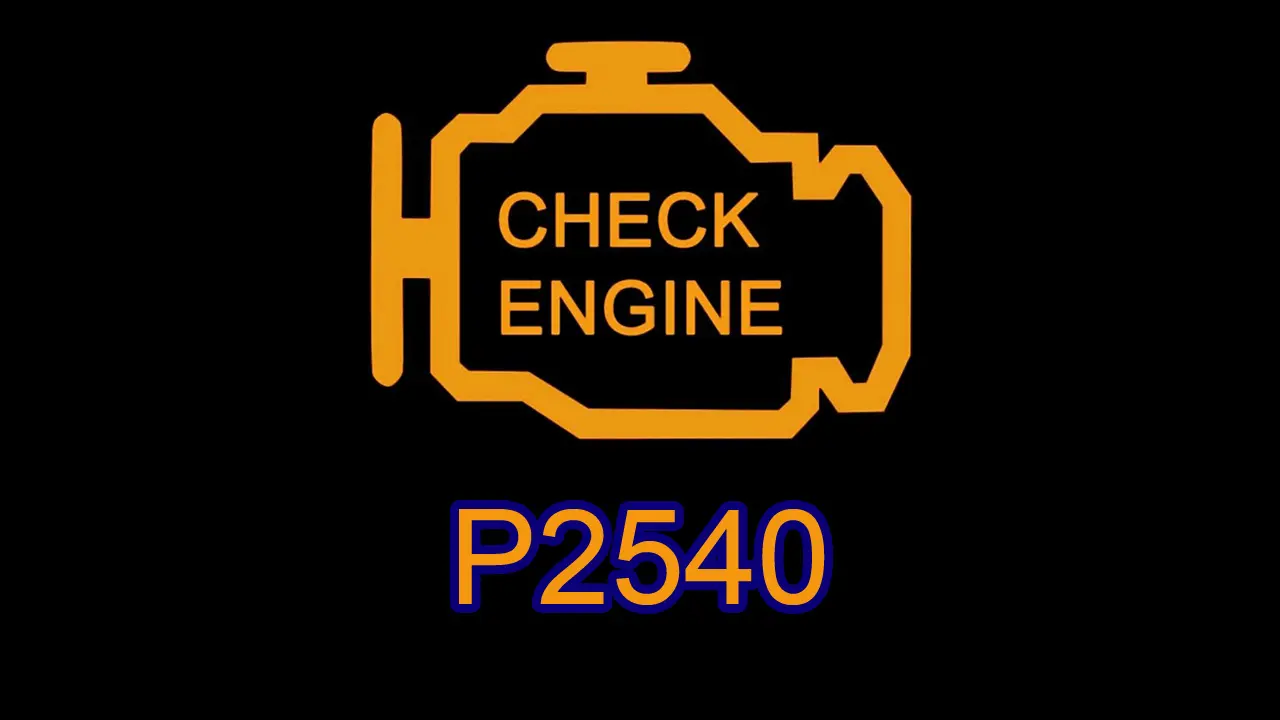
P2540 Low Pressure Fuel System Sensor Circuit Range/Performance
P2540 is a generic OBD-II diagnostic trouble code that indicates the Engine Control Module (ECM) or Powertrain Control Module (PCM) has detected a range or performance problem in the Low Pressure Fuel System Sensor Circuit.
In simple terms, the ECM is receiving a signal from the low-pressure fuel sensor, but the signal does not match the expected operating range or does not respond correctly compared with the actual fuel system conditions.
The low-pressure fuel system is responsible for delivering fuel from the fuel tank to the engine's fuel supply system. In many modern engines, especially Gasoline Direct Injection (GDI) and common rail diesel systems, the low-pressure fuel system supplies fuel to a high-pressure fuel pump, which then delivers fuel at much higher pressure to the injectors.
When the ECM detects that the low-pressure fuel sensor signal is incorrect, inconsistent, or outside expected parameters, it stores diagnostic trouble code P2540 and may illuminate the Check Engine Light.
What Does P2540 Mean?
The low-pressure fuel system contains several important components:
-
Fuel tank
-
Electric fuel pump
-
Fuel filter
-
Fuel supply lines
-
Low-pressure fuel pressure sensor
-
Fuel pump control module (on some vehicles)
-
High-pressure fuel pump (on direct injection engines)
The low-pressure fuel sensor measures the pressure between the fuel tank pump and the high-pressure fuel system.
The sensor sends a voltage signal to the ECM, which uses this information to:
-
Control fuel pump operation
-
Maintain correct fuel pressure
-
Adjust fuel delivery
-
Protect the high-pressure fuel system
-
Monitor fuel system performance
When the ECM detects that the sensor signal is outside the expected range or does not match the commanded fuel pressure, it sets code P2540.
Possible conditions include:
-
Fuel pressure is too high or too low.
-
Sensor readings do not match actual pressure.
-
Sensor signal changes incorrectly.
-
Pressure response is slower or faster than expected.
Common Symptoms of P2540
The symptoms depend on whether the fuel pressure problem affects normal engine operation.
Common symptoms include:
-
Check Engine Light illuminated
-
Difficulty starting the engine
-
Long crank time
-
Engine hesitation
-
Reduced engine power
-
Poor acceleration
-
Rough idle
-
Engine misfires
-
Engine stalling
-
Poor fuel economy
-
Limp mode activation
-
Fuel system warning messages
-
Unstable engine performance under load
Some vehicles may operate normally at light loads but experience problems during acceleration or high engine demand.
Common Causes of P2540
Several fuel system and electrical problems can trigger this diagnostic code.
Faulty low-pressure fuel sensor
The sensor may provide incorrect pressure information even though the circuit is electrically connected.
Fuel pressure outside normal range
The actual fuel pressure may not match the ECM's expected value due to fuel system problems.
Possible causes include:
-
Weak fuel pump
-
Excessive fuel pump output
-
Restricted fuel return system
-
Blocked fuel filter
-
Fuel pressure regulator problems
Fuel pump performance problems
A failing low-pressure fuel pump may not maintain stable fuel pressure.
Restricted fuel filter
A clogged filter can reduce fuel flow and create incorrect pressure readings.
Fuel line restrictions
Damaged or blocked fuel lines can affect pressure delivery.
Air entering the fuel system
Air leaks or fuel supply issues can create unstable fuel pressure readings.
Faulty fuel pressure sensor
The sensor may be inaccurate even if wiring is intact.
Damaged sensor wiring
The circuit may have:
-
Broken wires
-
High resistance
-
Corrosion
-
Short circuits
-
Heat damage
Loose or corroded connectors
Poor electrical connections can cause unstable sensor signals.
Faulty fuel pump control module
Some vehicles electronically control fuel pump speed and pressure.
Battery voltage problems
Low system voltage can affect fuel pump and sensor operation.
ECM software issue
Some manufacturers may release software updates to correct fuel pressure monitoring problems.
ECM malfunction
An internal ECM problem may incorrectly interpret the fuel pressure signal.
Vehicles Commonly Affected by P2540
P2540 can occur on many vehicles equipped with electronically controlled fuel pressure monitoring systems.
Commonly affected vehicles include:
-
Ford F-150 EcoBoost
-
Ford Explorer
-
Ford Mustang
-
Chevrolet Silverado
-
Chevrolet Equinox
-
GMC Sierra
-
Cadillac direct injection models
-
Volkswagen Golf
-
Volkswagen Passat
-
Audi A4
-
BMW 3 Series
-
Mercedes-Benz C-Class
-
Hyundai Sonata
-
Kia Optima
-
Nissan Altima
-
Nissan Rogue
-
Mazda Skyactiv models
-
Toyota direct injection models
Diesel vehicles with electronically controlled low-pressure fuel systems may also experience similar faults.
How Is P2540 Diagnosed?
Proper diagnosis requires checking both the fuel system operation and the sensor circuit.
Check for additional diagnostic trouble codes
Related fuel pump, fuel pressure, injector, or communication codes may help identify the problem.
Inspect the low-pressure fuel sensor
Technicians check:
-
Sensor condition
-
Physical damage
-
Proper installation
-
Pressure readings
Inspect wiring and connectors
The sensor circuit should be checked for:
-
Damaged wires
-
Corroded terminals
-
Loose connectors
-
High resistance
-
Short circuits
Check live scan data
A professional scan tool is used to compare:
-
Desired fuel pressure
-
Actual fuel pressure
-
Sensor voltage
-
Fuel pump command
-
ECM calculations
Measure sensor signals
Technicians verify:
-
Reference voltage
-
Sensor ground
-
Signal output
-
Circuit continuity
Perform fuel pressure testing
A mechanical fuel pressure test may be used to compare actual fuel pressure with sensor readings.
Inspect fuel pump operation
The low-pressure fuel pump should be tested for:
-
Correct pressure output
-
Stable operation
-
Proper electrical supply
How to Fix P2540
The correct repair depends on the cause of the problem.
Common repairs include:
-
Replacing a faulty low-pressure fuel sensor
-
Replacing a weak fuel pump
-
Repairing damaged fuel wiring
-
Replacing damaged wiring harness sections
-
Cleaning corroded connectors
-
Repairing poor electrical connections
-
Replacing a clogged fuel filter
-
Repairing restricted fuel lines
-
Replacing a faulty fuel pump control module
-
Repairing fuel pressure regulation problems
-
Updating ECM software when recommended
-
Replacing the ECM if internal failure is confirmed
After repairs are completed, the diagnostic code should be cleared and fuel pressure should be monitored during idle, acceleration, and load conditions.
Can You Drive With P2540?
Driving with P2540 is not recommended.
Although some vehicles may continue running, incorrect fuel pressure information can lead to:
-
Loss of engine power
-
Engine hesitation
-
Poor acceleration
-
Engine stalling
-
Difficulty restarting
A fuel pressure problem can become worse over time and may leave the vehicle unable to operate.
Is P2540 a Serious Code?
P2540 is generally considered a moderate to high severity diagnostic trouble code because it affects the fuel delivery system.
Ignoring the problem may result in:
-
Poor engine performance
-
Increased emissions
-
Fuel system damage
-
Engine misfires
-
Engine stalling
-
Complete no-start condition
Early diagnosis is recommended to prevent further fuel system problems.
How to Prevent P2540
Regular fuel system maintenance can reduce the possibility of this diagnostic code.
Recommended preventive maintenance includes:
-
Replace the fuel filter at recommended intervals.
-
Use clean, quality fuel.
-
Avoid running the vehicle with very low fuel levels frequently.
-
Maintain proper battery and charging system condition.
-
Inspect fuel system wiring during service.
-
Protect electrical connectors from moisture and corrosion.
-
Address fuel pump performance problems early.
-
Follow manufacturer maintenance recommendations.
Proper maintenance helps maintain stable fuel pressure, accurate sensor readings, and reliable engine operation.
Final Thoughts
P2540 Low Pressure Fuel System Sensor Circuit Range/Performance indicates that the ECM has detected an abnormal signal from the low-pressure fuel sensor or a mismatch between expected and actual fuel pressure.
The most common causes include a faulty fuel pressure sensor, weak fuel pump, restricted fuel filter, fuel supply problems, damaged wiring, poor electrical connections, fuel pump control module faults, or fuel pressure regulation issues.
Because modern fuel injection systems rely heavily on accurate fuel pressure information, this code should be diagnosed promptly. Correct repairs restore proper fuel delivery, improve engine performance, prevent stalling problems, and ensure reliable vehicle operation.