TR
TR EN
EN

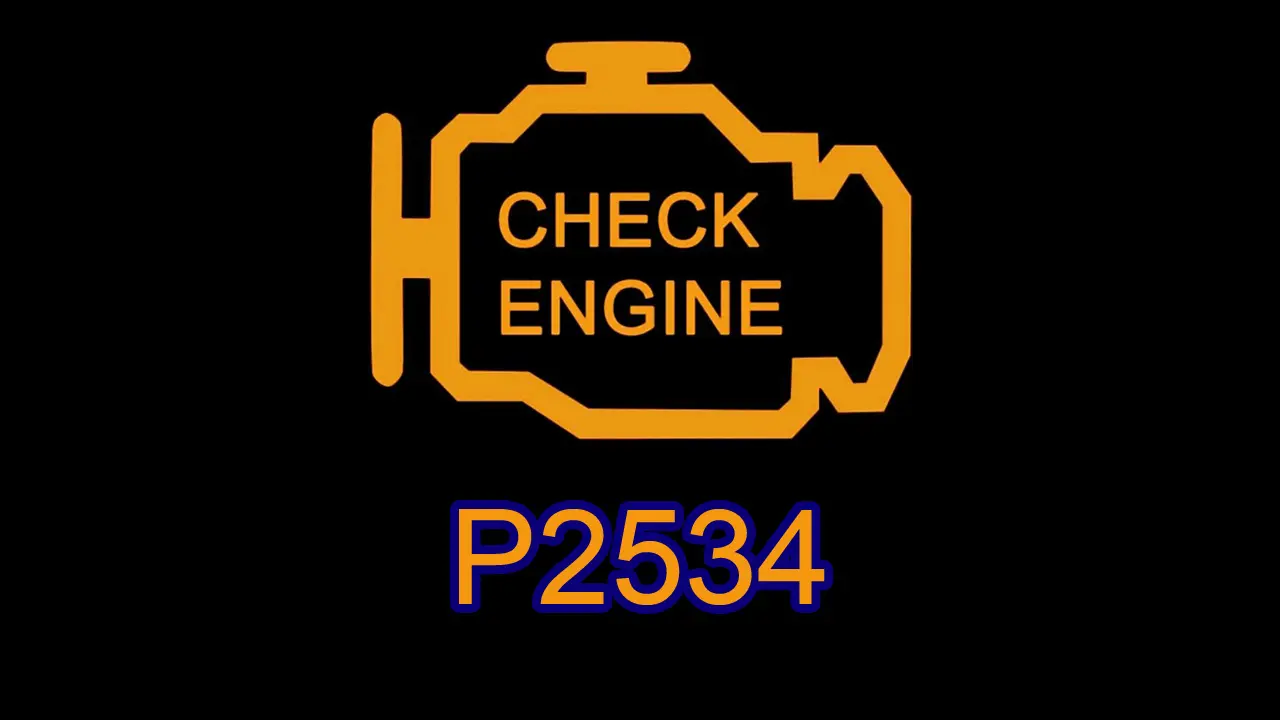
P2534 Ignition Switch Run/Start Position Circuit Low
P2534 is a generic OBD-II diagnostic trouble code that indicates the Engine Control Module (ECM) or Powertrain Control Module (PCM) has detected that the Ignition Switch Run/Start Position Circuit is operating with a voltage lower than the manufacturer-specified range. In simple terms, the ECM is receiving a weak or insufficient electrical signal from the ignition switch when it is in the RUN or START position.
The ignition switch plays a critical role in vehicle operation by supplying electrical power to the engine management system and signaling when the driver is attempting to start the engine. The RUN position powers systems such as the ECM, ignition coils, fuel injectors, fuel pump, transmission controller, dashboard instruments, and emission control components. The START position sends a request to engage the starter motor and initiate engine startup.
If the ECM detects that the voltage from the Run/Start Position Circuit is lower than expected, it stores diagnostic code P2534 and usually illuminates the Check Engine Light. Depending on the severity of the fault, the vehicle may experience intermittent electrical problems, difficulty starting, engine stalling, or a complete no-start condition.
What Does P2534 Mean?
The ignition switch normally operates through four positions:
-
OFF
-
ACCESSORY (ACC)
-
RUN (ON)
-
START
The ECM continuously monitors both the RUN and START circuits to verify that they receive stable voltage whenever the ignition switch is activated.
The ECM expects these signals to remain within a specified voltage range while also verifying:
-
Battery voltage
-
Ignition switch status
-
Immobilizer authorization
-
Transmission range status
-
Brake or clutch switch input
-
Communication with the Body Control Module (BCM)
If the voltage falls below the expected level, the ECM stores code P2534.
Unlike P2533, which indicates a general circuit malfunction, P2534 specifically identifies a low-voltage condition affecting the Run/Start Position Circuit.
Common Symptoms of P2534
Low ignition circuit voltage can interfere with both engine starting and normal vehicle operation.
Common symptoms include:
-
Check Engine Light illuminated
-
Engine cranks slowly or fails to crank
-
Intermittent no-start condition
-
Engine stalls while driving
-
Delayed engine starting
-
Dashboard warning lights flicker
-
Instrument cluster resets
-
Radio or infotainment system resets
-
Loss of electrical accessories
-
Push-button start system may not respond
-
Immobilizer warning light may illuminate
-
Additional ignition, charging system, or communication diagnostic trouble codes
In some vehicles, the only symptom may be an occasional starting problem.
Common Causes of P2534
Several electrical faults can reduce voltage in the Run/Start Position Circuit.
Faulty ignition switch
Internal contacts may become worn and create excessive electrical resistance.
Weak battery
Low battery voltage is one of the most common causes of this diagnostic code.
Poor battery connections
Loose or corroded battery terminals can reduce voltage supplied to the ignition circuit.
Damaged wiring
The ignition circuit wiring may develop:
-
Broken wires
-
Open circuits
-
Chafed insulation
-
Heat damage
-
Corrosion
Loose or corroded electrical connectors
Poor connections can reduce voltage reaching the ECM.
Faulty ignition relay
A defective relay may fail to supply full battery voltage.
Faulty starter relay
The starter relay may not properly transmit the START signal.
Blown fuse
A damaged fuse or fuse holder can create voltage loss.
Poor ground connection
A weak ground circuit can reduce overall ignition circuit voltage.
Charging system problems
A failing alternator or voltage regulator may prevent proper system voltage.
Faulty Body Control Module (BCM)
The BCM may fail to correctly transmit ignition switch signals.
Immobilizer system fault
Some immobilizer faults may interfere with ignition authorization.
Aftermarket electrical accessories
Improperly installed remote starters or alarm systems may interfere with ignition voltage.
ECM malfunction
Although uncommon, an internal ECM fault may incorrectly detect a low-voltage condition.
Vehicles Commonly Affected by P2534
P2534 can occur on nearly any OBD-II vehicle equipped with electronically monitored ignition systems.
Frequently affected vehicles include:
-
Ford F-150
-
Ford Explorer
-
Chevrolet Silverado
-
Chevrolet Malibu
-
GMC Sierra
-
Ram 1500
-
Jeep Grand Cherokee
-
Toyota Camry
-
Toyota Corolla
-
Honda Accord
-
Honda Civic
-
Nissan Altima
-
Nissan Rogue
-
Hyundai Elantra
-
Kia Sportage
-
BMW 3 Series
-
Mercedes-Benz C-Class
-
Audi A4
-
Volkswagen Golf
-
Subaru Forester
Vehicles equipped with push-button start systems may also experience this diagnostic code if the electronic ignition circuit receives insufficient voltage.
How Is P2534 Diagnosed?
Accurate diagnosis requires testing the ignition switch and the entire electrical supply circuit.
Check for additional diagnostic trouble codes
Related BCM, charging system, immobilizer, communication, or starter circuit codes may provide important diagnostic information.
Inspect the ignition switch
Technicians verify that the switch supplies proper voltage in both the RUN and START positions.
Inspect wiring and connectors
The ignition circuit is inspected for:
-
Broken wires
-
Loose connectors
-
Corrosion
-
Heat damage
-
Moisture intrusion
Measure circuit voltage
A digital multimeter is used to verify:
-
Battery voltage
-
RUN circuit voltage
-
START circuit voltage
-
Voltage drop
-
Ground integrity
Inspect battery terminals
Battery cables should be checked for corrosion and secure connections.
Review live scan data
A professional scan tool allows technicians to monitor:
-
Ignition switch status
-
RUN signal
-
START request
-
ECM ignition input
-
BCM communication
-
Charging system voltage
Inspect fuses and relays
All ignition-related and starter-related fuses and relays should be tested.
Test the charging system
Alternator output should be verified under various engine loads.
How to Fix P2534
The proper repair depends on the underlying cause.
Common repairs include:
-
Replacing a faulty ignition switch
-
Repairing damaged wiring
-
Replacing damaged wiring harnesses
-
Cleaning corroded electrical connectors
-
Tightening loose electrical connections
-
Cleaning battery terminals
-
Replacing weak battery cables
-
Charging or replacing a weak battery
-
Replacing faulty ignition relays
-
Replacing faulty starter relays
-
Replacing blown fuses
-
Repairing poor ground connections
-
Repairing charging system faults
-
Replacing a faulty Body Control Module if necessary
-
Repairing immobilizer system faults
-
Removing improperly installed aftermarket electrical accessories
-
Updating ECM or BCM software if recommended by the manufacturer
-
Replacing the ECM if internal failure is confirmed
After repairs are completed, technicians should clear the diagnostic code and verify that stable voltage is present during both engine starting and normal engine operation.
Can You Drive With P2534?
Driving with P2534 is not recommended.
Although some vehicles may continue operating temporarily, low ignition voltage can eventually result in:
-
Unexpected engine stalling
-
Failure to restart
-
Electrical system instability
-
Loss of engine management functions
The vehicle should be inspected as soon as possible.
Is P2534 a Serious Code?
P2534 is generally considered a high severity diagnostic trouble code because it directly affects both engine starting and the electrical power supplied to the engine management system.
Ignoring the fault may result in:
-
Complete no-start condition
-
Engine shutdown while driving
-
Electrical system failures
-
Communication failures between control modules
-
Increased risk of being stranded
Prompt diagnosis is recommended to prevent further electrical damage.
How to Prevent P2534
Routine inspection of the ignition and electrical systems can significantly reduce the likelihood of this diagnostic code.
Recommended preventive maintenance includes:
-
Test battery condition regularly.
-
Keep battery terminals clean and secure.
-
Replace aging batteries before failure.
-
Inspect ignition wiring periodically.
-
Repair damaged wiring immediately.
-
Test alternator performance during scheduled maintenance.
-
Replace worn ignition switches before they fail.
-
Ensure aftermarket electrical accessories are installed correctly.
-
Inspect ignition and starter relays during routine service.
Proper maintenance helps maintain stable ignition voltage and reliable communication between the ignition switch, BCM, and ECM.
Final Thoughts
P2534 Ignition Switch Run/Start Position Circuit Low indicates that the ECM has detected a lower-than-normal voltage in the ignition switch Run/Start Position Circuit. The most common causes include a worn ignition switch, weak battery, poor battery connections, damaged wiring, loose or corroded connectors, faulty ignition or starter relays, blown fuses, charging system problems, Body Control Module faults, immobilizer issues, or improperly installed aftermarket electrical accessories. Although an internal ECM failure is possible, ignition circuit and power supply faults are far more common.
Because this diagnostic code directly affects both engine starting and normal engine operation, it should not be ignored. Prompt diagnosis and repair restore reliable engine starting, stable electrical power, proper communication between control modules, and dependable vehicle performance.