TR
TR EN
EN

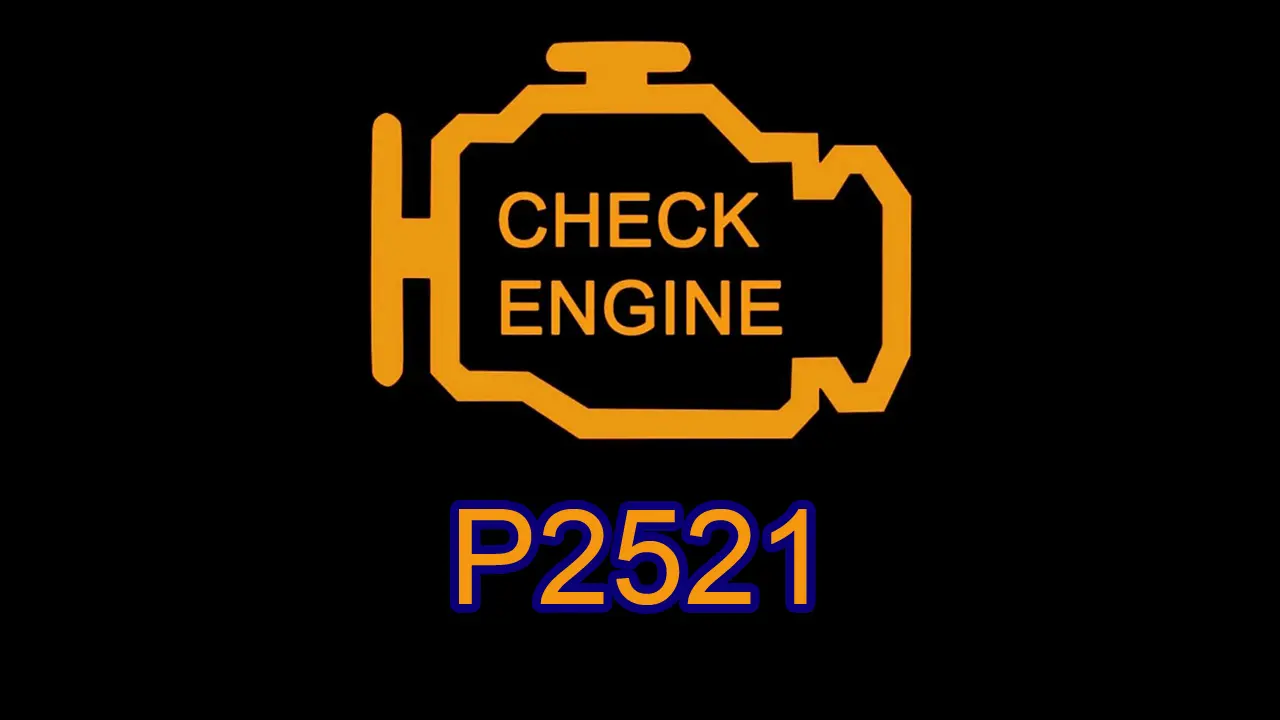
P2521 A/C Request "A" Circuit High
P2521 is a generic OBD-II diagnostic trouble code that indicates the Engine Control Module (ECM) or Powertrain Control Module (PCM) has detected that the Air Conditioning (A/C) Request "A" Circuit is operating with a voltage higher than the manufacturer-specified range. In simple terms, the ECM is receiving an abnormally high electrical signal from the A/C request circuit, even when the signal should be lower or inactive.
The A/C Request "A" Circuit allows the HVAC (Heating, Ventilation, and Air Conditioning) control system to communicate with the ECM whenever the driver requests air conditioning. After receiving this request, the ECM evaluates engine operating conditions such as coolant temperature, engine load, refrigerant pressure, battery voltage, and engine speed before deciding whether to activate the A/C compressor.
If the ECM detects an excessive voltage in the A/C request circuit, it stores diagnostic code P2521 and usually illuminates the Check Engine Light. Depending on the vehicle, the air conditioning system may stop working, operate continuously, or behave unpredictably.
What Does P2521 Mean?
In electronically controlled air conditioning systems, the HVAC control module or A/C switch sends an electrical request signal to the ECM.
Before engaging the compressor, the ECM verifies several operating conditions, including:
-
Engine coolant temperature
-
Refrigerant pressure
-
Engine load
-
Engine speed
-
Battery voltage
-
Throttle position
If the ECM determines that the request signal voltage is higher than the allowable operating range, it stores code P2521.
Unlike P2520, which indicates a low-voltage condition, P2521 specifically identifies an overvoltage condition in the A/C request circuit.
Common Symptoms of P2521
The symptoms primarily affect air conditioning operation.
Common symptoms include:
-
Check Engine Light illuminated
-
Air conditioning does not operate correctly
-
Warm air from the vents
-
Compressor fails to engage
-
Compressor remains engaged longer than expected
-
Intermittent A/C operation
-
Automatic climate control malfunctions
-
Cabin cooling becomes inconsistent
-
Additional HVAC or communication-related diagnostic trouble codes
Most vehicles continue to drive normally because the fault does not directly affect engine operation.
Common Causes of P2521
An abnormally high voltage in the request circuit is usually caused by electrical faults or control module issues.
Short to battery voltage
The request signal wire may be shorted directly to battery power.
Faulty A/C control switch
An internally failed switch may continuously send a high-voltage request signal.
Faulty HVAC control module
The climate control module may generate incorrect output voltage.
Damaged wiring
The wiring harness may develop:
-
Melted insulation
-
Pinched wires
-
Chafed wiring
-
Heat damage
-
Improper repairs
Loose or corroded electrical connectors
Poor electrical connections may create unstable or incorrect voltage signals.
Faulty Body Control Module (BCM)
Some vehicles route A/C request signals through the BCM before reaching the ECM.
Charging system overvoltage
A faulty alternator or voltage regulator may increase system voltage beyond normal operating limits.
CAN bus communication faults
Communication problems between electronic control modules may result in abnormal signal interpretation.
Improper aftermarket electrical installation
Incorrect installation of remote starters, alarm systems, or other accessories may interfere with the request circuit.
ECM malfunction
Although uncommon, an internal ECM fault may incorrectly interpret the circuit voltage.
Vehicles Commonly Affected by P2521
P2521 can occur on nearly any OBD-II vehicle equipped with electronically controlled air conditioning systems.
Frequently affected vehicles include:
-
Ford F-150
-
Ford Escape
-
Chevrolet Silverado
-
Chevrolet Malibu
-
GMC Sierra
-
Ram 1500
-
Jeep Grand Cherokee
-
Toyota Camry
-
Toyota Corolla
-
Honda Accord
-
Honda Civic
-
Nissan Altima
-
Nissan Rogue
-
Hyundai Elantra
-
Kia Sportage
-
BMW 3 Series
-
Mercedes-Benz C-Class
-
Audi A4
-
Volkswagen Golf
-
Subaru Outback
Vehicles equipped with automatic climate control systems often have more complex A/C request circuits and electronic communication networks.
How Is P2521 Diagnosed?
Proper diagnosis requires evaluating both the electrical circuit and the HVAC control system.
Check for additional diagnostic trouble codes
Related HVAC, compressor, refrigerant pressure, Body Control Module, charging system, or CAN communication codes can help identify the root cause.
Inspect wiring and connectors
Technicians inspect the request circuit for:
-
Melted insulation
-
Wiring shorts
-
Loose connectors
-
Corrosion
-
Heat damage
-
Moisture intrusion
Measure circuit voltage
A digital multimeter is used to verify:
-
Reference voltage
-
Signal voltage
-
Ground integrity
Test the A/C request signal
Using a professional scan tool, technicians verify whether the ECM receives the proper request signal when the A/C switch is operated.
Inspect HVAC controls
The A/C switch and climate control module should be tested for correct operation.
Inspect related fuses
All HVAC and ECM power supply fuses should be checked.
Review live scan data
Technicians monitor:
-
A/C request status
-
Compressor command
-
Refrigerant pressure
-
Battery voltage
-
HVAC operating mode
Inspect charging system
Battery voltage and alternator output should be tested to ensure the charging system is operating within specifications.
How to Fix P2521
The correct repair depends on the underlying cause.
Common repairs include:
-
Replacing a faulty A/C control switch
-
Replacing a faulty HVAC control module
-
Repairing wiring shorted to battery voltage
-
Replacing damaged wiring harnesses
-
Cleaning corroded electrical connectors
-
Repairing loose electrical connections
-
Repairing damaged ground circuits
-
Replacing blown or damaged fuses
-
Repairing charging system overvoltage
-
Repairing CAN bus communication faults
-
Replacing a faulty Body Control Module if necessary
-
Correcting improperly installed aftermarket electrical accessories
-
Updating ECM or HVAC software if recommended by the manufacturer
-
Replacing the ECM if internal failure is confirmed
After repairs are completed, the diagnostic code should be cleared and the A/C request signal should be verified during normal operation.
Can You Drive With P2521?
Yes. The vehicle usually remains safe to drive.
However, the air conditioning system may:
-
Fail to cool properly
-
Operate unpredictably
-
Disable compressor operation
-
Run longer than intended
Although the code rarely affects engine performance, the lack of reliable air conditioning can significantly reduce comfort during hot weather.
Is P2521 a Serious Code?
P2521 is generally considered a low to moderate severity diagnostic trouble code.
While it does not usually create immediate drivability concerns, ignoring the fault may lead to:
-
Complete loss of air conditioning
-
Unreliable climate control operation
-
Increased wear on A/C components
-
Additional electrical faults
-
Reduced passenger comfort
Timely diagnosis helps restore proper A/C system operation and prevents unnecessary electrical issues.
How to Prevent P2521
Routine maintenance of the vehicle's electrical and HVAC systems can reduce the likelihood of this diagnostic code.
Recommended preventive maintenance includes:
-
Inspect HVAC wiring regularly.
-
Keep electrical connectors clean and protected from moisture.
-
Repair damaged wiring immediately.
-
Replace worn A/C switches when necessary.
-
Test the battery and charging system periodically.
-
Repair charging system faults promptly.
-
Avoid improper installation of aftermarket electrical accessories.
-
Investigate intermittent A/C problems before they worsen.
Proper maintenance helps ensure stable communication between the HVAC control system and the ECM.
Final Thoughts
P2521 A/C Request "A" Circuit High indicates that the ECM has detected a higher-than-normal voltage in the air conditioning request circuit. The most common causes include a short to battery voltage, faulty A/C control switch, HVAC control module failure, damaged wiring, loose or corroded connectors, charging system overvoltage, Body Control Module faults, CAN bus communication issues, or improperly installed aftermarket electrical accessories. Although an internal ECM fault is possible, electrical circuit and control module problems are far more common.
While this diagnostic code typically does not affect engine performance, it can prevent the air conditioning system from functioning correctly or cause erratic compressor operation. Repairing the underlying electrical fault restores reliable communication between the HVAC controls and the ECM, ensuring proper compressor engagement, consistent cabin cooling, and dependable climate control performance.