TR
TR EN
EN

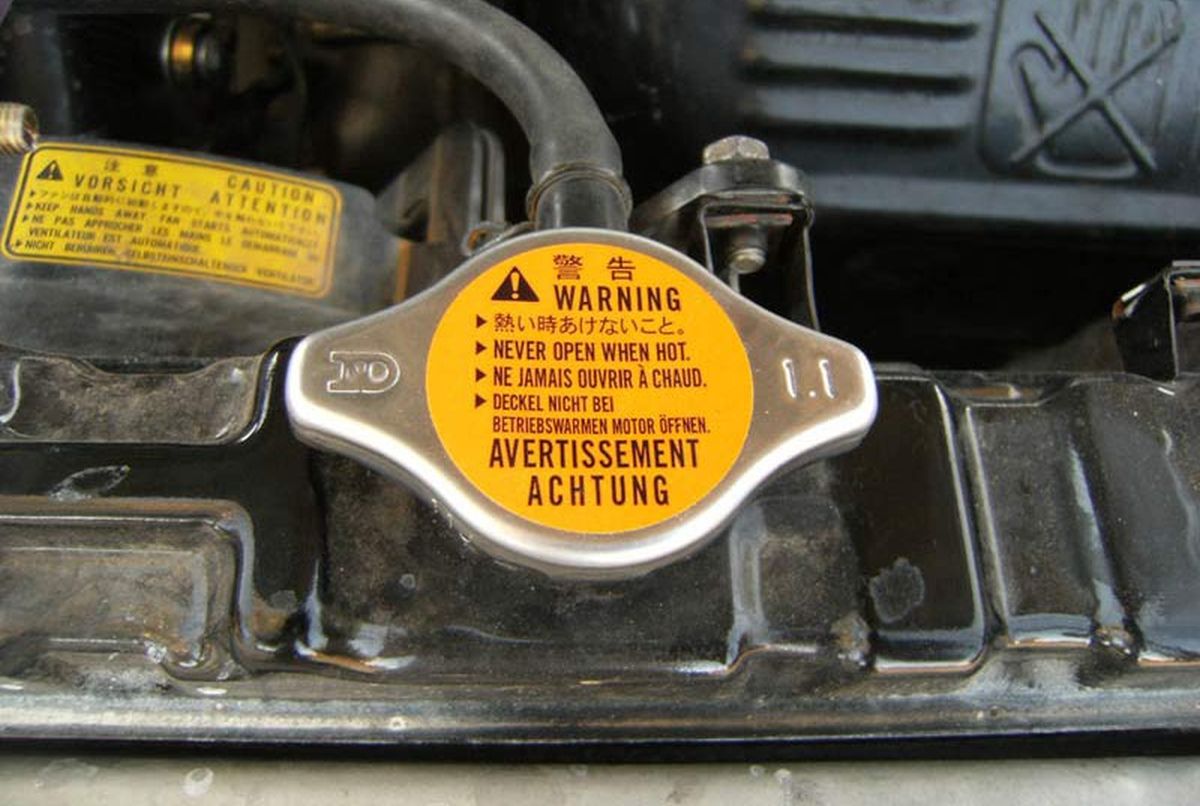
What Is a Radiator Cap? What Are the Symptoms of a Faulty Radiator Cap?
The radiator cap may look like a simple component, but it plays an important role in the engine cooling system. It does much more than simply close the radiator. The cap helps control cooling system pressure, regulates coolant movement between the radiator and expansion reservoir, and helps prevent coolant from boiling under normal operating conditions.
When the radiator cap becomes weak, damaged, or fails to maintain the correct pressure, the cooling system may not operate properly. This can lead to coolant loss, overheating, leaks, or repeated fluctuations in coolant level.
What Is a Radiator Cap?
A radiator cap is a pressure-controlled valve installed on the radiator or, depending on the vehicle design, on a pressurized coolant reservoir.
Its primary functions are to:
-
Maintain the specified cooling system pressure
-
Increase the boiling point of the coolant
-
Release excessive pressure when necessary
-
Allow coolant to return from the expansion reservoir as the engine cools
-
Prevent unnecessary coolant loss
The cap contains a spring-loaded pressure valve and, on conventional radiator systems, a vacuum valve.
Although the component is small, its correct operation is important for maintaining stable cooling system pressure.
How Does a Radiator Cap Work?

When the engine heats up, the coolant expands.
Because the cooling system is sealed, the expansion increases pressure inside the system. The radiator cap is designed to hold pressure up to a predetermined limit.
Once the pressure exceeds the cap's rated value, the pressure valve opens and allows coolant to move toward the expansion reservoir.
When the engine is switched off and begins to cool, the coolant contracts. This creates a lower pressure inside the cooling system.
The vacuum valve in the radiator cap can then allow coolant to flow back from the reservoir into the radiator.
This process helps keep the radiator and cooling system properly filled.
Why Does the Radiator Cap Need to Maintain Pressure?
Increasing cooling system pressure raises the boiling point of the coolant.
This is important because the engine operates at temperatures significantly above the normal boiling point of water.
A properly pressurized cooling system allows the coolant to remain liquid at higher temperatures.
If the radiator cap cannot maintain sufficient pressure, the coolant may boil earlier than it should.
This can cause:
-
Coolant vapor
-
Air pockets
-
Coolant loss
-
Reduced cooling efficiency
-
Engine overheating
Therefore, a faulty radiator cap can contribute to overheating even when the radiator, thermostat, and water pump are functioning correctly.
What Are the Symptoms of a Faulty Radiator Cap?
A faulty radiator cap can produce several symptoms. Some are easy to recognize, while others can be confused with problems elsewhere in the cooling system.
Common symptoms include:
-
Engine overheating
-
Coolant leakage
-
Coolant level repeatedly dropping
-
Coolant boiling or bubbling
-
Collapsed radiator hoses
-
Excessive cooling system pressure
-
Coolant overflowing into the reservoir
-
Coolant not returning from the reservoir
-
White or colored coolant residue around the cap
-
Temperature fluctuations
-
Frequent coolant loss without an obvious external leak
1. Engine Overheating
One of the most important symptoms of a faulty radiator cap is engine overheating.
If the cap cannot maintain the correct pressure, the boiling point of the coolant can decrease.
The coolant may begin to boil prematurely, reducing the cooling system's ability to transfer heat away from the engine.
The temperature gauge may rise above its normal position, particularly during:
-
Heavy traffic
-
Long climbs
-
High ambient temperatures
-
Extended highway driving
-
High engine loads
However, overheating has many possible causes, so the radiator cap should not automatically be blamed.
2. Coolant Leaks Around the Radiator Cap
If the radiator cap seal is damaged, hardened, cracked, or incorrectly fitted, coolant may escape around the cap.
You may notice:
-
Wetness around the radiator neck
-
Dried coolant residue
-
A coolant smell
-
Small coolant drops
-
Steam around the radiator area
A damaged rubber seal can prevent the cap from maintaining pressure properly.
3. Coolant Level Keeps Dropping
A faulty radiator cap can allow coolant to escape through the overflow system.
You may notice that the expansion reservoir repeatedly becomes low even though there is no obvious large leak.
Before assuming there is an internal engine problem, the radiator cap and entire cooling system should be inspected.
Other possible causes include:
-
Radiator leaks
-
Hose leaks
-
Water pump leakage
-
Heater core leakage
-
Head gasket problems
-
Cracked coolant reservoir
-
Air trapped in the cooling system
4. Coolant Boils or Overflows
If the radiator cap cannot maintain the required pressure, the coolant can reach its boiling point more easily.
You may see coolant bubbling or overflowing into the expansion reservoir.
However, never remove a radiator cap when the engine is hot.
A pressurized cooling system can release extremely hot coolant and steam, causing serious burns.
Always allow the engine to cool completely before opening the cooling system.
5. Radiator Hoses Become Extremely Hard
A cooling system that is operating normally becomes pressurized as the engine warms up.
However, if the pressure becomes abnormally high, the radiator hoses may become unusually hard.
A faulty radiator cap can contribute to abnormal pressure behavior.
That said, excessive pressure can also be caused by other problems, including combustion gases entering the cooling system due to a damaged head gasket.
Therefore, hard hoses alone do not prove that the radiator cap is faulty.
6. Radiator Hose Collapses
A collapsed radiator hose, particularly after the engine has cooled, can indicate a problem with the vacuum relief function of the radiator cap.
As coolant cools and contracts, a vacuum can form in the cooling system.
The vacuum valve in the cap should allow coolant to return from the expansion reservoir.
If this valve becomes stuck or blocked, the hose can collapse as the system cools.
7. Coolant Is Pushed Into the Expansion Reservoir
When engine temperature rises, expanding coolant is supposed to move into the expansion reservoir in a controlled manner.
If the radiator cap opens at the wrong pressure or does not function correctly, the coolant may be pushed into the reservoir too early or in excessive quantities.
The reservoir may appear unusually full while the radiator itself becomes low.
8. Coolant Does Not Return to the Radiator
The opposite problem can also occur.
When the engine cools, coolant should normally be drawn back from the expansion reservoir.
If the vacuum valve in the radiator cap is faulty, coolant may not return properly.
This can leave the radiator partially empty while the expansion reservoir still contains coolant.
Repeatedly adding coolant without investigating the reason for the level imbalance is not a proper solution.
9. Temperature Fluctuations
A defective radiator cap can sometimes contribute to unstable coolant pressure and temperature fluctuations.
The temperature gauge may move more than expected or the engine may alternate between normal and elevated temperatures.
However, fluctuating temperature can also be caused by:
-
A faulty thermostat
-
Air trapped in the cooling system
-
A failing water pump
-
A blocked radiator
-
Cooling fan problems
-
Low coolant level
A complete cooling system diagnosis is therefore necessary.
Can a Bad Radiator Cap Cause Coolant Loss?
Yes.
If the cap cannot maintain the specified pressure, coolant can escape through the overflow system or around the cap seal.
Over time, repeated coolant loss can lead to a low coolant level.
A low coolant level reduces the cooling system's ability to remove heat and can eventually result in engine overheating.
Can a Bad Radiator Cap Cause an Overheating Engine?
Yes, but it is only one possible cause.
A radiator cap that releases pressure too early can lower the coolant's boiling point.
Once coolant begins to boil, vapor pockets can form and cooling efficiency can decrease.
However, if an engine is overheating, the thermostat, water pump, radiator, cooling fan, coolant level, hoses, and head gasket should also be considered.
Can a Radiator Cap Cause Coolant to Leak?
Yes.
The radiator cap seals against the radiator neck and must maintain system pressure.
If the sealing surface or rubber gasket is damaged, coolant can escape.
A weak spring can also cause the cap to open at a pressure lower than its specified rating.
Can You Drive With a Faulty Radiator Cap?
It is not recommended to continue driving with a known faulty radiator cap.
A cooling system that cannot maintain the correct pressure may gradually lose coolant or allow the engine to overheat.
Continuing to drive an overheating engine can cause expensive damage, including:
-
Cylinder head distortion
-
Head gasket failure
-
Cracked components
-
Severe engine wear
-
In extreme cases, complete engine failure
A relatively inexpensive radiator cap can therefore become the cause of a much more expensive engine repair if the problem is ignored.
How Do You Check a Radiator Cap?
The most reliable method is to use a cooling system pressure tester designed for radiator caps.
The cap can be tested to determine whether it opens at approximately its specified pressure.
The cooling system itself can also be pressure-tested to identify leaks.
Visual inspection can also reveal obvious problems such as:
-
Damaged rubber seals
-
Cracks
-
Corrosion
-
Contamination
-
A damaged spring
-
Coolant residue
The correct pressure rating should always be confirmed from the vehicle manufacturer's specifications.
Can You Use Any Radiator Cap?
No.
Radiator caps have different pressure ratings and physical designs.
Installing a cap with the wrong pressure rating can cause cooling system problems.
A cap with too low a pressure rating may release coolant too early, while a cap with an excessively high rating can place additional stress on cooling system components.
Always use a radiator cap with the correct specification for the vehicle.
Radiator Cap vs. Expansion Tank Cap
Not every modern vehicle has a traditional radiator cap.
Some vehicles use a pressurized expansion tank instead.
In these systems, the coolant reservoir itself becomes part of the pressurized cooling circuit, and the cap performs many of the same pressure-control functions.
Therefore, when diagnosing a "radiator cap" problem, it is important to understand the specific cooling system design of the vehicle.
Final Thoughts
The radiator cap is a small but important part of the engine cooling system. Its job is not simply to close the radiator. It controls cooling system pressure, helps regulate coolant movement, and increases the boiling point of the coolant.
A faulty radiator cap can cause coolant loss, overheating, abnormal pressure, coolant overflow, collapsed hoses, and temperature fluctuations.
However, many cooling system problems produce similar symptoms. A radiator cap should therefore be tested rather than replaced based solely on one symptom.
If the engine is overheating or losing coolant, the problem should be investigated promptly. Never open a radiator cap while the engine is hot, because pressurized coolant and steam can cause severe burns.