TR
TR EN
EN

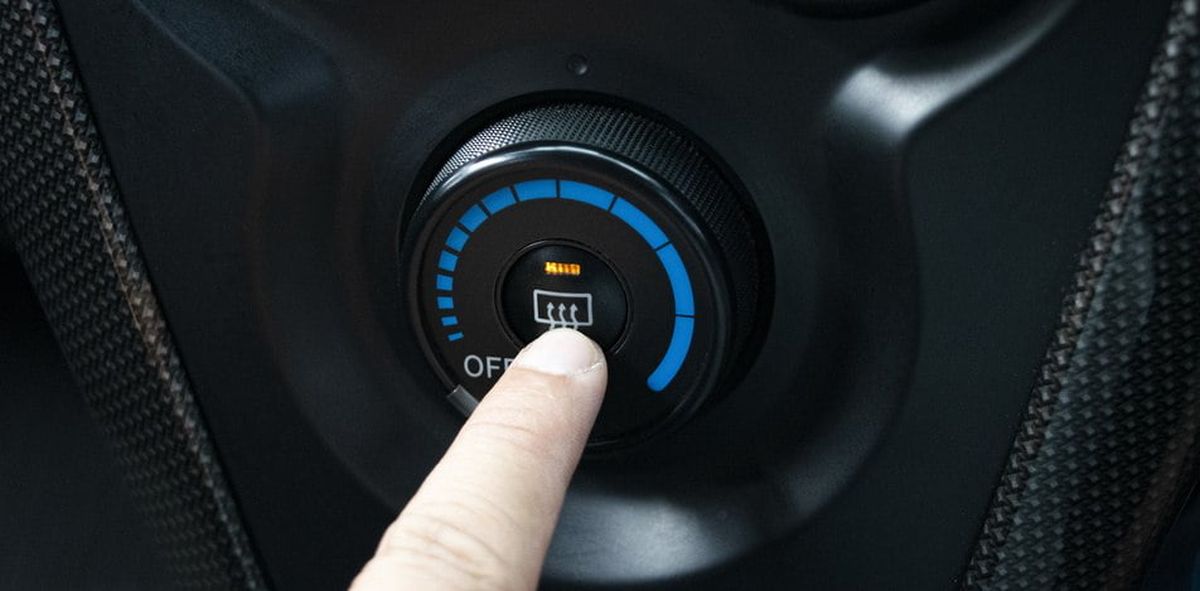
What Is a Car Defogger and Defroster? What Is a Rear Window Defogger?
The defogger and defroster system is one of the most useful visibility systems in a vehicle, especially during cold, rainy, or humid weather. Its main purpose is to remove condensation, fog, frost, and in some cases ice from the vehicle's windows so that the driver can maintain a clear view.
Although the terms defogger and defroster are often used together, they do not always refer to exactly the same operation.
A defogger removes moisture or condensation from the inside of the glass, while a defroster is primarily intended to clear frost or ice from the glass. Depending on the vehicle, these functions may use warm air from the HVAC system, electrical heating elements embedded in the glass, or a combination of both.
The most familiar electrically heated system is the rear window defogger, commonly called the rear window heater or rear window demister.
When activated, electrical current flows through thin conductive lines printed across the rear glass. These lines generate heat and gradually remove condensation, frost, or light ice from the window.
How Does the Car Defogger System Work?
There are generally two different methods used to clear vehicle windows.
1. HVAC-based defogging
The front windshield is normally cleared using the vehicle's heating and ventilation system. When the driver selects the windshield defrost/defog position, the HVAC system directs air toward the windshield.
Depending on the vehicle and operating conditions, the system may also activate the air-conditioning compressor. This is important because the A/C system can remove moisture from the air before it reaches the windshield.
The resulting airflow helps evaporate condensation from the inside surface of the glass.
2. Electrically heated glass
The rear window commonly uses electrical heating elements.
Thin conductive strips are embedded or printed onto the glass. When the driver presses the rear defogger button, the control circuit supplies electrical power to these strips.
Because the strips have electrical resistance, they generate heat.
The heat is transferred to the glass surface and helps remove moisture, frost, and light ice.
This is why you can normally see several horizontal lines running across the rear window of a vehicle.
What Are the Lines on the Rear Window?

The horizontal lines on the rear windshield are the heating elements of the rear window defogger.
They are not simply decorative lines.
Each conductive line forms part of an electrical heating circuit. When current passes through the circuit, resistance produces heat.
Some vehicles also have vertical bus bars at the sides of the rear glass. These bus bars distribute electrical current to the individual heating elements.
If one of the horizontal lines is damaged, the result may be a localized area of the window that does not clear properly.
If several lines are damaged, larger portions of the rear glass may remain fogged or frosted.
What Is a Rear Window Defogger?
A rear window defogger is an electrically heated system designed to improve rear visibility.
When activated, the system typically operates for a limited period. This prevents unnecessary electrical load and reduces the risk of overheating the glass or electrical components.
Depending on the vehicle, the system may switch off automatically after several minutes.
Some vehicles also integrate the rear defogger with the heated exterior mirrors. In such vehicles, pressing the rear defogger button may activate both the rear glass heating elements and mirror heaters.
What Are the Symptoms of a Rear Window Defogger Failure?
A defective rear defogger can produce several noticeable symptoms.
The rear window remains fogged
The most obvious symptom is that the rear glass does not clear after the defogger is switched on.
If the weather is cold or humid, condensation may remain on the window much longer than expected.
Only some heating lines work
You may notice that certain sections of the rear window become clear while other areas remain fogged.
This often indicates that one or more conductive heating lines are broken.
One section of the rear window does not heat
A damaged heating element can create a cold strip or section on the glass.
This is particularly easy to see when condensation covers the entire window.
The defogger indicator illuminates, but the glass does not heat
The dashboard button or indicator may work normally even though the heating elements receive no power.
This is important because an illuminated switch does not necessarily mean that the complete electrical circuit is functioning.
The defogger works intermittently
If the system works sometimes and fails at other times, possible causes include a loose connection, damaged wiring, poor grounding, a faulty relay, or a switch/control-module problem.
What Causes a Rear Window Defogger Failure?
There are several possible causes. The heating lines themselves are only one part of the system.
Broken heating element
This is one of the most common causes.
The conductive lines on the glass are relatively thin and can be damaged by scratching, scraping, or improper cleaning.
A broken line creates an open circuit in that particular heating element.
Damaged rear window defogger terminal
Electrical terminals are attached to both sides of the heated rear glass.
If a terminal becomes loose or separates from the glass, current may not reach the heating elements correctly.
This can disable the entire heating circuit.
Blown fuse
The rear defogger consumes a significant amount of electrical power, so the circuit is normally protected by a fuse.
If the fuse is blown, the heating elements will not receive power.
A blown fuse should not simply be replaced repeatedly. If the replacement fuse fails again, there may be a short circuit or another electrical fault that needs to be diagnosed.
Faulty relay
Many vehicles use a relay to switch the relatively high current required by the rear defogger.
A defective relay can prevent power from reaching the heating elements.
In some vehicles, the defogger is controlled directly by a body control module or another electronic control unit rather than a conventional standalone relay.
Faulty defogger switch
The dashboard switch or button can also fail.
If the switch does not send the correct command to the vehicle's control system, the rear defogger may not activate.
Wiring problems
Broken, corroded, or loose wiring can interrupt the circuit.
The wiring near the rear hatch or trunk area is particularly important on vehicles where the rear window is installed in a movable hatch. Repeated opening and closing can eventually fatigue wires in the flexible wiring harness.
Poor ground connection
A poor ground can prevent sufficient current from flowing through the heating circuit.
Corrosion at a ground connection can produce intermittent operation or complete failure.
Body control module or electronic control problem
Modern vehicles may control the rear defogger through a body control module or another electronic control unit.
A control-module fault, communication problem, software issue, or internal electrical failure can therefore prevent the defogger from operating.
Why Do Only Some Rear Window Heating Lines Work?
This situation usually points toward a damaged heating element rather than a complete system failure.
The conductive lines are electrically connected across the rear glass. If one line is scratched or broken, current cannot pass through that particular section.
For example, you may activate the defogger and observe that most of the window clears normally while one horizontal line remains covered with condensation.
This is a typical sign of a broken heating strip.
The glass itself does not necessarily need to be replaced immediately. Depending on the type and location of the damage, a specialized rear defogger repair kit can sometimes restore the conductive path.
Can a Broken Defogger Line Be Repaired?
In many cases, yes.
Small breaks in the conductive heating lines can sometimes be repaired using a conductive repair material specifically designed for rear window defogger elements.
The damaged area must first be identified and properly cleaned. The conductive material is then applied across the break according to the repair product's instructions.
However, the repair must restore electrical continuity without creating an unintended short circuit.
If the glass terminal has detached from the window, the repair is more complicated and may require a specialized conductive adhesive or professional repair.
If the glass itself is cracked or extensively damaged, repairing individual heating lines may not be an appropriate solution.
How Can You Test a Rear Window Defogger?
Diagnosis should begin with simple electrical and visual checks.
First, activate the rear defogger and check whether the indicator light operates.
Then inspect the rear glass carefully.
Look for:
-
Broken horizontal heating lines
-
Scratches across the conductive strips
-
Detached electrical terminals
-
Corrosion
-
Damaged wiring
-
Loose connectors
The fuse should then be checked.
If the fuse is good, the next step is to determine whether electrical voltage reaches the rear window defogger circuit when the system is switched on.
A multimeter can be used for electrical testing, but the exact testing points and expected voltage depend on the vehicle's wiring design.
How Do You Check Rear Defogger Heating Lines With a Multimeter?
A multimeter can help locate a broken heating element.
The basic principle is to check electrical continuity and voltage across the heating circuit.
A technician can measure the voltage at the rear glass terminals with the defogger activated. If the expected supply voltage is absent, the problem may be upstream in the fuse, relay, wiring, switch, or control module.
If power reaches the glass but an individual heating line does not function, the heating element itself may be damaged.
For precise testing, the vehicle manufacturer's wiring diagram and specifications should be used because rear defogger circuits differ considerably between models.
Why Does the Rear Defogger Turn Off by Itself?
Automatic shutoff is often normal.
Many vehicles intentionally operate the rear defogger for a limited period because the heating elements consume considerable electrical power.
The system may automatically switch off after several minutes.
However, if the defogger shuts off immediately after activation, repeatedly turns off unexpectedly, or cannot remain active even under normal conditions, an electrical or control-system fault may be present.
Battery voltage and charging-system condition can also be relevant on some vehicles because the control system may reduce or disable high electrical loads when system voltage is too low.
Can a Dirty Rear Window Cause Poor Defogging?
Yes, although dirt itself does not normally cause an electrical defogger failure.
A dirty glass surface can make condensation more difficult to remove and can make visibility worse even after the heating system has operated.
The rear glass should therefore be cleaned regularly using an appropriate glass cleaner and a soft cloth.
Extra care is necessary around the heating lines.
Avoid aggressive scraping or abrasive cleaning methods because they can damage the conductive strips.
What Happens If the Rear Defogger Heating Lines Are Scratched?
A scratch that crosses a conductive heating strip can interrupt electrical continuity.
The result may be a section of the rear window that no longer heats.
This is why objects should not be dragged across the inside of the rear glass.
Improper removal of stickers, labels, adhesive, or ice can also damage the heating elements.
A plastic scraper designed for automotive glass is safer than a sharp metal object, but care should still be taken around the conductive lines.
Front Windshield Defroster vs. Rear Window Defogger
The front and rear systems often work differently.
The front windshield defroster generally uses the HVAC system to direct heated and dehumidified air toward the windshield.
The rear window defogger usually uses electrical resistance heating elements built into the glass.
This difference is important when diagnosing a problem.
If the front windshield does not clear, the problem may involve the HVAC system, blower motor, air distribution doors, heater system, A/C dehumidification, cabin air filter, or other components.
If the rear window does not clear, the electrical heating circuit should be investigated.
Can a Defogger Problem Cause a Vehicle Inspection Failure?
This depends on the inspection regulations in the country and the specific vehicle.
A rear defogger is primarily a visibility and convenience system, but inspection requirements vary.
More importantly, poor window visibility can create a serious safety problem even if the vehicle remains mechanically operational.
The rear window should be kept clear enough for safe driving, particularly during rain, cold weather, and high humidity.
How Can You Prevent Rear Defogger Failure?
The heating elements are relatively simple, but they can be damaged by physical contact.
Good practices include:
-
Avoid scratching the heating lines.
-
Do not use sharp metal objects to remove ice.
-
Clean the rear glass gently.
-
Avoid aggressive scraping.
-
Inspect the electrical terminals if the system becomes intermittent.
-
Do not repeatedly replace a blown fuse without finding the cause.
-
Keep the battery and charging system in good condition.
-
Check the wiring harness around movable hatch or trunk areas when intermittent faults occur.
Final Thoughts
The car's defogger and defroster systems are essential for maintaining visibility in cold, rainy, and humid conditions.
The front windshield is generally cleared through the HVAC system, while the rear window commonly uses electrical resistance heating elements integrated into the glass.
When the rear defogger fails, the problem can be as simple as a broken heating line or blown fuse, but it can also involve wiring, connectors, terminals, a relay, the control switch, or an electronic control module.
If only one or two lines fail, inspect the glass carefully for broken conductive strips. If the entire rear window remains cold, diagnosis should move toward the fuse, power supply, ground, relay, wiring, and control system.
The most important point is not to assume that a non-working rear defogger automatically means the rear glass must be replaced. A proper electrical diagnosis can often identify a much smaller and repairable fault.