TR
TR EN
EN

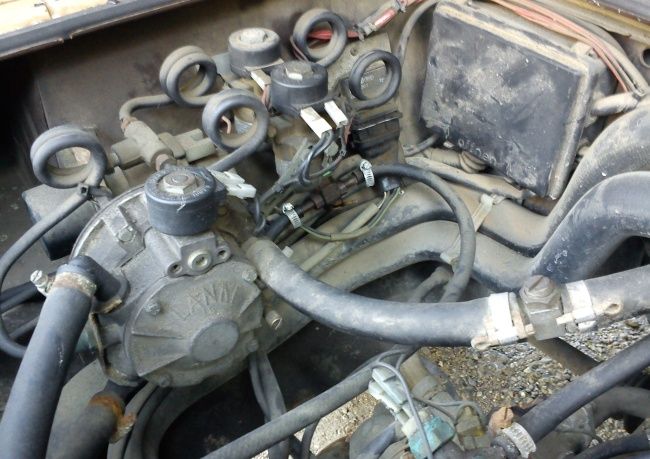
Why Does an LPG Regulator Freeze?
The LPG regulator, often called the LPG vaporizer or gas reducer, is one of the most important components in an LPG fuel system. Its job is to reduce LPG pressure and convert the fuel from its liquid state into a gas suitable for the engine.
During this process, LPG absorbs a significant amount of heat. The regulator normally receives this heat from the engine's coolant. If sufficient heat cannot reach the regulator, its temperature can drop dramatically and ice can form on or inside the regulator.
Regulator freezing is particularly common in cold weather, but it can also occur because of cooling-system problems, incorrect installation, insufficient coolant circulation, excessive LPG demand, or an undersized regulator.
How Does an LPG Regulator Normally Work?
LPG is stored in the tank as a pressurized liquid. When it reaches the regulator, its pressure is reduced.
As the pressure drops, LPG changes from liquid to vapor. This phase change requires energy, which is taken from the surrounding area.
Without an adequate heat supply, the regulator becomes extremely cold.
The normal process is:
Engine coolant → heats the regulator → LPG vaporizes → regulator maintains stable operating temperature
This is why the regulator is normally connected to the engine's coolant circuit.
Why Does the Regulator Freeze?
The basic reason is a lack of sufficient heat transfer to compensate for the cooling effect of LPG vaporization.
Several different problems can cause this situation.
The most common include:
-
Insufficient coolant level
-
Air trapped in the cooling system
-
Poor coolant circulation through the regulator
-
Incorrect regulator hose connections
-
Restricted or collapsed coolant hoses
-
Faulty thermostat
-
Water pump problems
-
Incorrect LPG changeover temperature
-
Excessive LPG demand
-
Regulator capacity that is too small for the engine
-
Installation problems
-
Extremely cold operating conditions
The regulator itself is not necessarily defective when freezing occurs.
Low Coolant Level Can Cause Regulator Freezing
A low coolant level can prevent enough coolant from reaching the regulator.
When the cooling system is low on coolant, circulation can become inadequate in certain parts of the system.
As a result, the engine may appear to operate normally while the LPG regulator remains too cold.
Possible causes of coolant loss include:
-
Radiator leaks
-
Hose leaks
-
Water pump leaks
-
Thermostat housing leaks
-
Expansion tank problems
-
Heater core leaks
-
Head gasket problems
-
Other cooling-system leaks
If the coolant level continues to fall, simply topping it up does not solve the underlying problem.
Air in the Cooling System
Air trapped in the cooling system is another important cause of LPG regulator freezing.
This can happen after:
-
LPG installation
-
Coolant replacement
-
Cooling-system repairs
-
Radiator replacement
-
Thermostat replacement
-
Hose replacement
-
Other work that opens the cooling system
If an air pocket forms around the regulator or its coolant circuit, hot coolant may not circulate properly.
The engine can reach normal operating temperature while the regulator remains much colder than it should be.
Incorrect Regulator Coolant Connections
The regulator must be connected to the engine cooling system in a way that provides sufficient coolant flow.
Incorrect hose routing can restrict circulation.
Problems can include:
-
Incorrect connection points
-
Poorly positioned hoses
-
Excessive hose length
-
Kinked hoses
-
Incorrect hose diameter
-
Restricted connections
-
Air pockets
If the regulator began freezing immediately after an LPG installation or cooling-system repair, the coolant circuit should be one of the first things inspected.
A Blocked or Restricted Coolant Hose
The coolant hoses supplying the regulator can become restricted.
A hose may be:
-
Kinked
-
Crushed
-
Internally damaged
-
Incorrectly routed
-
Partially blocked
-
Too small for the required flow
In such a situation, the engine cooling system may still appear to work normally while the regulator receives insufficient hot coolant.
Checking coolant temperature at both regulator connections can provide a useful diagnostic clue, although the exact testing procedure should be appropriate for the vehicle.
Can a Faulty Thermostat Cause Regulator Freezing?
Yes.
If the thermostat remains open, the engine may take much longer to reach normal operating temperature.
This is especially noticeable in cold weather.
If the engine remains too cool, the coolant reaching the LPG regulator may also be insufficiently warm.
This can increase the risk of regulator icing.
A thermostat problem may also produce other symptoms, such as:
-
Slow engine warm-up
-
Low coolant temperature
-
Poor cabin heating
-
Increased fuel consumption
-
LPG changeover problems
Water Pump Problems
The water pump is responsible for circulating coolant through the engine and cooling system.
If coolant circulation is insufficient, the LPG regulator may not receive enough heat.
A damaged or inefficient water pump can therefore contribute to regulator freezing.
Other cooling-system symptoms may also appear, especially if the circulation problem is severe.
The regulator should not be blamed before the overall cooling system has been evaluated.
Can Too Much LPG Demand Freeze the Regulator?
Yes.
The more LPG the engine consumes, the more fuel must pass through the regulator and vaporize.
Under high demand, the regulator has to provide a larger amount of vaporized LPG.
This can increase the amount of heat required.
Regulator freezing is therefore more likely during:
-
Full-throttle acceleration
-
High engine RPM
-
Heavy engine load
-
Long uphill driving
-
Turbocharged operation
-
High engine power output
-
High LPG consumption
A system may work perfectly during gentle driving but develop regulator icing under heavy load.
An Undersized Regulator Can Cause Freezing
LPG regulators are available in different capacities.
The regulator must be capable of vaporizing enough LPG for the engine's maximum fuel demand.
If the regulator is too small for the engine, it may struggle to maintain stable temperature and pressure under high load.
Symptoms may include:
-
LPG pressure dropping at high RPM
-
Loss of power
-
Hesitation
-
Misfire
-
Switching back to gasoline
-
Regulator icing
-
Unstable LPG operation
Therefore, regulator selection should be based on the engine's actual requirements rather than simply whether the regulator physically fits the vehicle.
Can LPG Filter Restrictions Contribute to the Problem?
A severely restricted LPG filter can affect fuel flow and pressure behavior.
It is not normally the primary cause of classic regulator icing, but it can contribute to abnormal LPG system operation.
If a vehicle has regulator freezing together with pressure problems, poor acceleration, or an overdue LPG filter service, the filter should also be inspected.
Low LPG Pressure and Regulator Freezing
As the regulator becomes excessively cold, its ability to vaporize LPG and maintain stable output pressure can be affected.
The LPG ECU may detect a pressure drop and, depending on the system, switch the vehicle back to gasoline as a protective strategy.
The driver may notice:
-
Sudden power loss
-
Hesitation
-
Misfire
-
Automatic switching to gasoline
-
Poor acceleration
-
LPG warning signals
This is why LPG pressure should be monitored during the conditions in which the problem occurs.
A pressure reading at idle may look normal even though pressure drops significantly under heavy load.
Does Regulator Freezing Always Mean Visible Ice?
No.
Severe icing can be visible on the outside of the regulator, but not every regulator temperature problem produces obvious external ice.
The internal temperature may fall enough to affect LPG vaporization and pressure control before the outside of the regulator becomes heavily covered in ice.
For this reason, visual inspection alone is not enough.
LPG regulator temperature and pressure should ideally be monitored through appropriate diagnostic equipment.
What Are the Symptoms of an LPG Regulator That Is Freezing?
Typical symptoms can include:
-
Engine stalls when switching to LPG
-
Difficult LPG changeover
-
Misfire shortly after switching to LPG
-
Hesitation during acceleration
-
Loss of power at high RPM
-
LPG pressure dropping
-
Automatic return to gasoline
-
Unstable LPG pressure
-
Visible ice formation on the regulator
-
Problems that occur mainly in cold weather
-
Problems that appear after prolonged high-load driving
The conditions under which the problem occurs are particularly important for diagnosis.
Why Does Regulator Freezing Often Happen in Cold Weather?
Cold weather reduces the temperature difference between the regulator and the surrounding environment.
At the same time, the engine and coolant take longer to reach operating temperature.
If the LPG system switches to LPG too early, the regulator may be asked to vaporize fuel before it has received enough heat from the cooling system.
This is why an excessively low LPG changeover temperature can contribute to icing.
The exact changeover temperature should be appropriate for the vehicle, LPG system, climate, and calibration.
Can LPG Changeover Temperature Cause Freezing?
Yes.
If the LPG ECU is configured to switch from gasoline to LPG while the regulator is still too cold, the regulator may not have sufficient heat available for stable vaporization.
This is especially problematic during winter.
However, simply increasing the changeover temperature is not always the complete solution.
If the regulator still freezes at a normal operating temperature, there may be a coolant circulation problem, insufficient regulator capacity, excessive LPG demand, or another underlying fault.
Does Regulator Freezing Mean the Regulator Is Defective?
Not necessarily.
A perfectly functional regulator can freeze if it does not receive enough heat.
For example, the actual cause could be:
-
Low coolant level
-
Air in the cooling system
-
Poor hose routing
-
Restricted coolant flow
-
Incorrect installation
-
Low engine coolant temperature
-
Excessive LPG demand
-
Undersized regulator
Replacing the regulator without finding the reason for the freezing may therefore fail to solve the problem.
Can a Regulator Freeze Because of Incorrect Installation?
Yes.
Incorrect installation is particularly important when freezing begins immediately after an LPG conversion or after work has been performed on the cooling system.
The regulator should be installed so that:
-
Coolant can circulate properly
-
Hoses are not kinked
-
Air can be removed from the system
-
The regulator is appropriately positioned
-
LPG lines are correctly routed
-
The regulator has sufficient capacity for the engine
The exact coolant connection method varies between vehicles and LPG systems, so the installation should follow the manufacturer's technical requirements.
Can a Frozen Regulator Damage the Engine?
Regulator freezing does not automatically mean that the engine will be damaged.
However, if the regulator cannot maintain stable LPG pressure and fuel delivery becomes abnormal, the engine may operate with an inappropriate air-fuel mixture.
A persistent lean condition under high load can increase combustion and thermal stress.
Misfires can also increase exhaust and catalytic-converter temperatures.
If the vehicle repeatedly loses power, misfires, or switches between LPG and gasoline because of a regulator problem, continued operation without diagnosis is not advisable.
How Is LPG Regulator Freezing Diagnosed?
A proper diagnosis should not begin by replacing the regulator.
The following should be checked:
-
Coolant level
-
Coolant condition
-
Cooling-system air
-
Regulator coolant hose routing
-
Coolant circulation
-
Thermostat operation
-
Water pump condition
-
Regulator temperature
-
LPG pressure
-
LPG pressure under load
-
LPG filter condition
-
Regulator capacity
-
LPG injector demand
-
LPG changeover temperature
-
LPG ECU live data
-
Calibration
The most useful information often comes from comparing regulator temperature and LPG pressure under the exact conditions in which the freezing occurs.
What Should Be Done When the Regulator Freezes?
If visible icing occurs, the LPG system should not simply be forced to continue operating under high load.
The underlying cause should be identified first.
A sensible diagnostic sequence is:
Check coolant level → check for air → check coolant circulation → inspect regulator hoses → verify regulator temperature → check LPG pressure → evaluate regulator capacity → check calibration
If the cooling system has been opened recently, bleeding the cooling system correctly and verifying coolant circulation through the regulator should receive particular attention.
The Most Important Point About LPG Regulator Freezing
The basic principle is simple:
LPG vaporization absorbs heat → the regulator becomes colder → the cooling system must supply enough heat → insufficient heat can cause icing and unstable LPG operation.
Therefore, the first question should not be "Is the LPG regulator broken?"
The better question is:
"Why is the regulator unable to maintain enough heat while LPG is vaporizing?"
In many cases, the answer is related to coolant circulation, air in the cooling system, incorrect hose routing, low coolant level, insufficient regulator capacity, or excessive LPG demand.
A properly selected regulator, adequate coolant circulation, correct installation, appropriate changeover settings, and stable LPG pressure are all necessary for reliable LPG operation, particularly during cold weather and high engine load.