TR
TR EN
EN

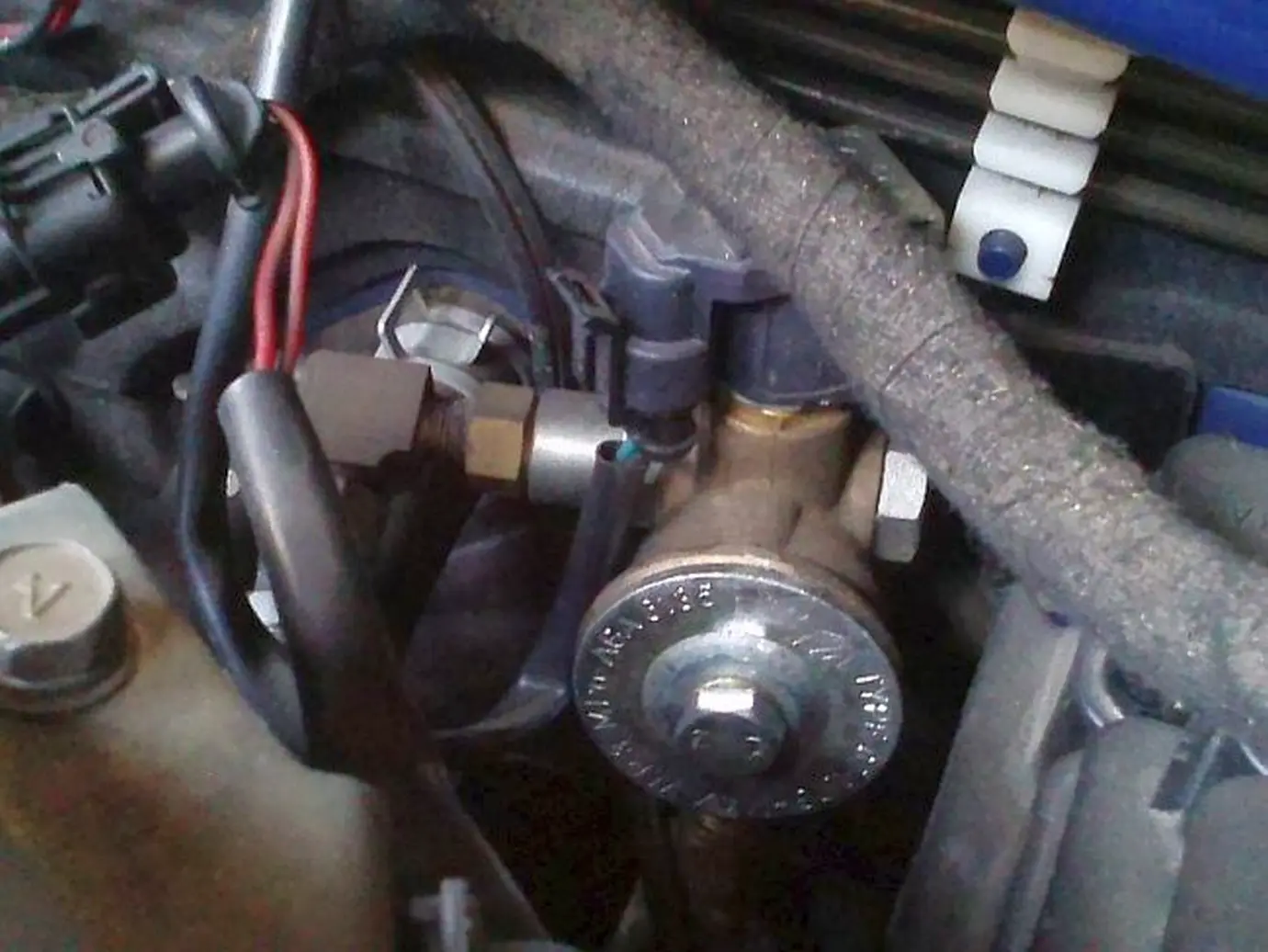
LPG Gas Shut-Off Solenoid Valve Problems: Causes, Symptoms, Diagnosis and Solutions
LPG-powered vehicles use several components to safely control the flow of liquefied petroleum gas from the tank to the engine. One of the most important safety components in this system is the LPG gas shut-off solenoid valve.
The valve controls whether LPG is allowed to flow through the fuel system. When the LPG system is operating normally, the valve opens under the appropriate electrical and operating conditions. When the engine is stopped, the ignition is switched off, or the LPG control system detects a condition that requires fuel shut-off, the valve closes and stops the gas supply.
Because it plays an important role in fuel control and safety, a malfunctioning LPG shut-off valve can cause problems ranging from difficulty switching from gasoline to LPG to complete inability to run the engine on LPG.
This article explains what an LPG gas shut-off solenoid valve does, why it fails, what symptoms it produces, how the fault can be diagnosed, and what can be done to repair the problem.
What Is an LPG Gas Shut-Off Solenoid Valve?
An LPG gas shut-off solenoid valve is an electrically controlled valve used to regulate the flow of LPG within an automotive LPG system.
The valve contains an electromagnetic solenoid. When the LPG control system supplies the appropriate electrical signal, the solenoid operates the valve and allows LPG to pass.
When the electrical signal is removed, the valve returns to its closed position and stops LPG flow.
This basic operating principle provides an important safety function.
If the engine stops unexpectedly, the LPG system should not continue supplying fuel indefinitely. Closing the shut-off valve helps prevent uncontrolled LPG flow when the engine is no longer running.
Where Is the LPG Gas Shut-Off Valve Located?
The exact configuration depends on the LPG system and vehicle.
In many LPG installations, shut-off solenoid valves are associated with:
-
The LPG tank
-
The LPG multivalve
-
The vaporizer/reducer
-
The LPG fuel line
Some systems use more than one electrically controlled shut-off point.
The valve near the tank controls LPG leaving the tank, while another valve may control LPG entering the vaporizer or reducer.
Therefore, when diagnosing an LPG shut-off valve problem, it is important to identify exactly which valve is being referred to.
How Does the LPG Shut-Off Solenoid Valve Work?
The operation can be simplified into several stages.
When the vehicle starts on gasoline, the LPG system normally keeps the LPG valves closed.
Once the engine reaches the required operating conditions, the LPG ECU may command the system to switch to LPG.
The relevant solenoid valve receives electrical power and opens.
LPG can then flow toward the vaporizer/reducer and eventually to the injectors.
When the engine is switched off, the LPG ECU removes the electrical command. The valve closes and stops the gas flow.
This means that the valve must perform reliably every time the LPG system switches between operating states.
LPG Gas Shut-Off Valve Failure Causes
There are several reasons why an LPG shut-off solenoid valve may stop operating correctly.
Electrical Coil Failure
The solenoid contains an electromagnetic coil.
If the coil becomes open-circuit, short-circuited, or internally damaged, the valve may no longer respond correctly to the electrical command.
A defective coil can prevent the valve from opening at all.
In some cases, the valve may work intermittently as the coil heats up.
Wiring Problems
The valve itself may be perfectly functional while the wiring supplying it is damaged.
Common wiring problems include:
-
Broken wires
-
Corroded terminals
-
Loose connectors
-
Poor electrical grounds
-
Damaged insulation
-
Short circuits
-
Incorrect previous repairs
LPG systems are often installed as aftermarket equipment, so wiring quality and previous modifications should be considered during diagnosis.
Faulty Fuse or Relay
The LPG solenoid valve requires an electrical supply.
A blown fuse, defective relay, or power supply problem can prevent the valve from opening.
This can sometimes make a healthy valve appear to be defective.
Dirty or Contaminated Valve
LPG systems can accumulate contaminants and oily residues over time.
Depending on the system design and fuel quality, contamination may interfere with the valve mechanism.
A contaminated valve may become slow to open or may stick partially open or closed.
Mechanical Sticking
The internal valve mechanism can become stuck because of contamination, wear, corrosion, or mechanical damage.
A mechanically stuck valve may produce intermittent symptoms.
For example, the valve may work when cold but fail after repeated operation.
LPG System Filter Problems
A severely contaminated LPG filter can restrict gas flow and create symptoms that resemble a shut-off valve problem.
This is particularly important because replacing the solenoid valve without checking the filters may fail to solve the underlying problem.
Incorrect LPG System Pressure
Incorrect pressure from the LPG vaporizer/reducer can also cause problems that may initially be blamed on the gas shut-off valve.
A defective reducer, blocked filter, or pressure regulation problem can prevent normal LPG operation.
LPG ECU or Control Signal Problems
The LPG control unit determines when the solenoid valves should open and close.
If the LPG ECU does not send the correct command, the valve may remain closed even though the valve itself is functional.
Possible causes include:
-
LPG ECU failure
-
Incorrect programming
-
Sensor input problems
-
Damaged ECU wiring
-
Incorrect installation
-
Communication problems
Therefore, checking the valve alone is not enough.
LPG Gas Shut-Off Valve Failure Symptoms
A defective LPG shut-off valve can produce several different symptoms depending on whether it is stuck closed, opening intermittently, or failing to close properly.
Engine Will Not Switch to LPG
One of the most common symptoms is that the vehicle starts normally on gasoline but never switches to LPG.
The LPG indicator may show that the system is ready, but the engine continues operating on gasoline.
If the solenoid valve does not open, LPG cannot reach the rest of the fuel system.
Engine Switches to LPG and Immediately Stalls
If the LPG system commands the valve to open but insufficient gas reaches the engine, the engine may switch to LPG and then stall.
The vehicle may return to gasoline operation automatically if the LPG ECU detects the failure.
LPG System Automatically Returns to Gasoline
Modern LPG systems often have protective strategies that switch the engine back to gasoline when a fuel-pressure or gas-supply problem is detected.
A faulty shut-off valve can therefore appear as an automatic LPG-to-gasoline transition.
Loss of Power on LPG
A valve that does not open fully can restrict LPG flow.
The engine may run normally at idle but struggle under acceleration or high load.
Typical complaints include:
-
Poor acceleration
-
Hesitation
-
Reduced engine power
-
Misfires under load
-
Difficulty climbing hills
However, these symptoms can also be caused by injectors, filters, pressure problems, ignition components, or incorrect LPG calibration.
Difficult LPG Starting
Depending on the LPG system strategy, a valve problem can prevent sufficient gas from reaching the engine during LPG operation.
This can result in difficult starting or repeated attempts to switch to LPG.
Intermittent LPG Operation
An electrical connection or solenoid coil that is beginning to fail may cause intermittent operation.
The vehicle may work perfectly on one drive and fail to switch to LPG on another.
Heat and vibration can make intermittent electrical faults particularly difficult to diagnose.
LPG Solenoid Valve Clicking but Not Opening
A clicking sound from the solenoid can indicate that the electromagnetic coil is receiving a command.
However, clicking does not necessarily prove that the valve is functioning correctly.
The internal mechanism could still be:
-
Stuck
-
Contaminated
-
Damaged
-
Unable to open fully
Therefore, an audible click should not be considered definitive proof that the valve is healthy.
LPG Smell
A persistent LPG smell should always be treated seriously.
A shut-off valve that fails to close properly, a damaged seal, loose connection, or another LPG system fault may allow gas to escape.
If a strong LPG smell is detected, do not continue operating the vehicle normally. Move the vehicle to a safe, well-ventilated location if it is safe to do so and have the LPG system inspected by a qualified technician.
How to Diagnose an LPG Gas Shut-Off Valve
Correct diagnosis should begin with the electrical and control system rather than immediately replacing the valve.
Check the LPG System for Fault Codes
A compatible LPG diagnostic interface can be used to communicate with the LPG ECU.
Depending on the system, stored faults may relate to:
-
Solenoid valve control
-
Gas pressure
-
LPG temperature
-
Electrical supply
-
Sensor signals
-
LPG ECU communication
The exact diagnostic codes vary by LPG system manufacturer.
Check the Electrical Supply
The technician should verify whether the solenoid receives the correct electrical command when the LPG system attempts to switch to gas.
If there is no voltage at the valve, replacing the valve may not solve the problem.
The investigation should then move toward:
-
Fuse
-
Relay
-
Wiring
-
Connector
-
Ground
-
LPG ECU output
Test the Solenoid Coil
The electrical resistance of the solenoid coil can be measured according to the manufacturer's specifications.
An open circuit or an abnormal resistance reading may indicate a damaged coil.
The correct specification varies between valves, so a generic resistance value should not be assumed for every LPG system.
Check the Valve Mechanically
If the electrical supply and coil are correct, the mechanical operation of the valve should be examined.
A technician may inspect for contamination, sticking, damaged components, or other mechanical problems.
Check LPG Pressure
Fuel pressure should also be checked because low or unstable LPG pressure can produce symptoms similar to a valve malfunction.
The technician may need to inspect:
-
LPG tank supply
-
Shut-off valves
-
LPG filters
-
Vaporizer/reducer
-
Pressure sensor
-
Gas lines
-
LPG injectors
Check the LPG Filters
A restricted filter can reduce gas flow and create a false impression that the shut-off valve is not opening properly.
Filter condition should therefore be considered during diagnosis.
LPG Gas Shut-Off Valve Solutions
The appropriate solution depends on the actual cause of the problem.
Repair Damaged Wiring
If the valve is healthy but the electrical supply is interrupted, repairing the wiring or replacing a damaged connector may solve the problem.
Poor-quality electrical repairs should be avoided because the LPG system depends on reliable electrical control.
Replace a Defective Solenoid Coil
If the valve design allows the coil to be replaced separately and the mechanical valve body is still in good condition, replacing the solenoid coil may be possible.
However, the repair procedure depends on the specific LPG system.
Clean or Replace a Contaminated Valve
If contamination causes the valve to stick, cleaning may sometimes restore proper operation.
If the valve has significant wear or internal damage, replacement is generally the more reliable solution.
Replace the LPG Filter
If restricted gas flow is caused by a blocked filter, replacing the filter may restore normal LPG operation without replacing the solenoid valve.
This is why proper diagnosis is important.
Repair the LPG Vaporizer/Reducer
If the real problem is low or unstable gas pressure, the vaporizer/reducer may need servicing or replacement.
Replacing a functioning shut-off valve will not correct a pressure regulation problem.
Repair or Reprogram the LPG ECU
If the LPG ECU is not commanding the valve correctly, the technician may need to investigate the control unit, its programming, wiring, or sensor inputs.
Replace the Complete Valve Assembly
When the valve has internal mechanical damage, severe corrosion, or an electrical failure that cannot be economically repaired, replacement of the complete assembly may be appropriate.
The replacement component should be compatible with the LPG system and installed according to the manufacturer's specifications.
Can You Drive With a Faulty LPG Gas Shut-Off Valve?
It depends on the nature of the failure.
If the valve is stuck closed, the vehicle may simply be unable to operate on LPG and may continue running on gasoline.
However, if there is evidence that the valve is not shutting off correctly or there is an LPG leak, the vehicle should not be treated as safe to drive until the system has been inspected.
LPG is a flammable fuel, so suspected leaks require immediate attention.
Is a Faulty LPG Shut-Off Valve Dangerous?
It can be.
The shut-off valve is part of the LPG system's fuel-control and safety architecture. A malfunction that prevents proper fuel shut-off or causes leakage should never be ignored.
The safest approach is to have the vehicle inspected by a technician experienced with automotive LPG systems.
Do not attempt to bypass the shut-off valve or permanently wire it open. Such modifications can remove an important safety function from the fuel system.
How to Prevent LPG Shut-Off Valve Problems
Regular LPG system maintenance can reduce the likelihood of solenoid valve problems.
Useful preventive measures include:
-
Replace LPG filters at the recommended intervals.
-
Inspect LPG electrical connectors.
-
Check for damaged wiring.
-
Monitor LPG pressure.
-
Use a qualified LPG service center.
-
Investigate intermittent switching problems early.
-
Do not ignore LPG smells.
-
Keep the LPG system properly calibrated.
The condition of the LPG tank, multivalve, vaporizer, injectors, hoses, and electrical system should also be considered during routine servicing.
LPG Gas Shut-Off Valve vs. LPG Injector
These components perform completely different jobs.
The LPG shut-off solenoid valve controls whether LPG is allowed to flow through the system.
The LPG injector meters LPG into the engine according to commands from the LPG control system.
A faulty injector can cause:
-
Misfires
-
Rough running
-
Uneven idle
-
Poor acceleration
-
Increased fuel consumption
A faulty shut-off valve, on the other hand, can prevent LPG from reaching the engine in the first place.
Understanding this difference helps avoid replacing the wrong component.
Frequently Asked Questions
What does an LPG gas shut-off solenoid valve do?
It electrically controls LPG flow and closes the fuel supply when LPG operation is not required or when the system needs to shut off the gas.
Why won't my car switch from gasoline to LPG?
A defective shut-off valve is one possibility, but the cause could also be LPG pressure, temperature sensors, filters, injectors, wiring, ECU control, or system calibration.
Can a clicking LPG solenoid still be faulty?
Yes. The clicking sound only indicates that the solenoid is being actuated. The internal valve may still be stuck or unable to open correctly.
Can a blocked LPG filter cause similar symptoms?
Yes. A restricted filter can reduce gas flow and cause symptoms that resemble a shut-off valve problem.
Should I bypass a faulty LPG shut-off valve?
No. The shut-off valve is an important safety component. Bypassing it can create a dangerous fuel-control condition.
Conclusion
The LPG gas shut-off solenoid valve is a relatively small component, but it performs an important function in an automotive LPG system. By controlling the gas supply, it allows the LPG ECU to regulate fuel flow and shut off LPG when required.
A failed valve can cause symptoms such as failure to switch from gasoline to LPG, stalling immediately after switching, loss of power, intermittent LPG operation, or automatic return to gasoline.
However, these symptoms do not automatically prove that the shut-off valve itself is defective. Electrical wiring, fuses, relays, LPG filters, pressure problems, the vaporizer/reducer, sensors, and the LPG ECU can produce similar symptoms.
For this reason, proper diagnosis should include both electrical testing and LPG pressure/fuel-system checks before replacing components.
Most importantly, any suspected LPG leak or failure of the fuel shut-off system should be treated as a safety issue. LPG system repairs should be performed by a qualified technician using components and procedures appropriate for the specific LPG installation.