TR
TR EN
EN

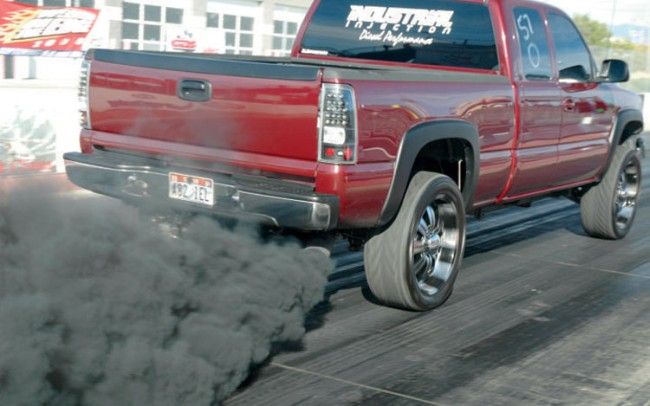
Why Does Black Smoke Come From the Exhaust?
Black smoke from the exhaust usually indicates that the engine is receiving too much fuel, not enough air, or both. When the air-fuel balance becomes excessively rich, the fuel cannot burn completely and more soot is produced.
Black smoke is particularly common on diesel engines, especially under heavy acceleration, but it can also occur on gasoline engines.
However, black smoke does not automatically mean that a particular component has failed. The air filter, turbocharger, intercooler, MAF sensor, MAP sensor, injectors, fuel pressure system, EGR system, and engine control system may all need to be considered.
What Does Black Exhaust Smoke Mean?
Exhaust smoke color can provide useful information about combustion.
Black or very dark gray smoke is generally associated with:
-
Excessive fuel
-
Insufficient air
-
Incomplete combustion
-
Injector problems
-
Turbocharger or boost problems
-
Air intake restrictions
-
Excessive soot formation
If black smoke appears mainly during hard acceleration, the engine may be struggling to maintain the correct air-fuel balance under high load.

Black Smoke From a Diesel Engine
Diesel engines are more likely to produce black smoke because they operate with changing air-fuel conditions and rely heavily on adequate air supply under load.
When the engine receives more fuel but does not receive enough air to burn it properly, soot production increases.
Common causes include:
-
Dirty or restricted air filter
-
Turbocharger boost problems
-
Intercooler leaks
-
Split boost hoses
-
MAF sensor problems
-
MAP sensor problems
-
EGR system faults
-
Injector problems
-
Fuel pressure problems
-
Turbocharger control problems
-
Excessive intake-system carbon buildup
If a diesel vehicle suddenly begins producing heavy black smoke, the intake and boost system should be checked before expensive components are replaced.
Black Smoke From a Gasoline Engine
Visible black exhaust smoke is generally not considered normal on a modern gasoline engine.
If it occurs, the engine may be receiving too much fuel or the ECU may be receiving incorrect information about the amount of air entering the engine.
Possible causes include:
-
Faulty fuel injector
-
MAF sensor problem
-
MAP sensor problem
-
Engine coolant temperature sensor fault
-
Restricted air filter
-
Excessive fuel pressure
-
Fuel pressure regulator problem
-
Oxygen sensor problem
-
EVAP purge system fault
-
Engine control system problem
On older carbureted engines, an incorrect carburetor adjustment, a faulty float, or a choke that remains partially closed can also produce black smoke.
Can a Dirty Air Filter Cause Black Smoke?
Yes.
The engine needs an adequate supply of air for proper combustion. If the air filter becomes severely restricted, airflow can be reduced, particularly when the engine is under load.
Possible symptoms include:
-
Black exhaust smoke
-
Reduced engine power
-
Poor acceleration
-
Increased fuel consumption
-
Poor turbocharged engine performance
Checking the air filter is one of the simplest steps in diagnosing black smoke.
However, a clean air filter does not automatically prove that the entire intake system is functioning correctly. The air intake, MAF sensor, turbo hoses, intercooler, and intake passages may also need to be inspected.
Can a Turbocharger Problem Cause Black Smoke?
Yes.
A turbocharger supplies additional air to the engine, particularly when the engine is under load. If the turbocharger cannot produce the required boost, the engine may receive less air than expected.
This can result in an overly rich combustion condition and increased soot production, especially on diesel engines.
Possible turbo-related causes include:
-
Turbocharger malfunction
-
Wastegate problems
-
Variable geometry turbo mechanism problems
-
Electronic turbo actuator faults
-
Vacuum control problems
-
Boost control valve problems
-
Damaged turbo hoses
-
MAP sensor problems
A turbocharger should not automatically be replaced simply because black smoke is present.
The requested or target boost pressure should be compared with the actual boost pressure, ideally using suitable diagnostic equipment.
Intercooler or Turbo Hose Leaks
A leak in the pressurized air system can cause significant black smoke.
For example, if an intercooler hose is cracked, the turbocharger may still be producing boost, but some of that compressed air escapes before reaching the engine.
This can cause:
-
Black smoke
-
Loss of turbo boost
-
Poor acceleration
-
Reduced engine power
-
Hissing or air-leak noises
-
Oil residue around a leaking boost connection
If black smoke appears during hard acceleration together with a noticeable loss of power, the turbo and intercooler plumbing should be inspected carefully.
Can a Faulty MAF Sensor Cause Black Smoke?
The MAF sensor measures the amount of air entering the engine.
If it provides incorrect information, the ECU may calculate the fuel quantity incorrectly.
A faulty or contaminated MAF sensor can contribute to:
-
Black smoke
-
Increased fuel consumption
-
Poor acceleration
-
Reduced engine performance
-
Rough running
-
Check engine light
However, a MAF-related fault code does not automatically prove that the sensor itself needs to be replaced.
The sensor's live data, wiring, connector, power supply, and engine operating conditions should be checked before replacement.
Can a MAP Sensor Cause Black Smoke?
The MAP sensor measures pressure in the intake system and provides important information about engine load.
This information becomes particularly important on turbocharged engines.
If the MAP sensor reports an incorrect pressure value, the ECU may calculate the air quantity and fuel requirement incorrectly.
Possible symptoms include:
-
Black smoke
-
Reduced engine power
-
Incorrect boost control
-
Poor acceleration
-
Check engine light
-
Increased fuel consumption
The MAP sensor should be evaluated using actual pressure readings and live data rather than simply replacing it based on a suspected fault.
Can Faulty Fuel Injectors Cause Black Smoke?
Yes.
An injector that delivers too much fuel or has a poor spray pattern can cause incomplete combustion and increased soot production.
This is particularly important on diesel engines.
Injector-related problems can include:
-
Excessive fuel delivery
-
Poor atomization
-
Injector leakage
-
Incorrect injection quantity
-
Incorrect injection timing
Other symptoms may include:
-
Rough engine operation
-
Increased fuel consumption
-
Poor acceleration
-
Difficult starting
-
Engine knocking
-
Uneven cylinder operation
On modern diesel engines, injector correction values, return-flow tests, rail pressure data, and other appropriate tests can help determine whether an injector is actually faulty.
Can an EGR Problem Cause Black Smoke?
The EGR system recirculates a controlled amount of exhaust gas back into the intake system to help reduce NOx emissions.
If EGR operation becomes abnormal, it can affect the engine's airflow and combustion conditions.
For example, an EGR valve that remains open when it should not can contribute to:
-
Reduced engine power
-
Poor acceleration
-
Rough running
-
Increased smoke
-
Intake-system contamination
However, EGR should not automatically be blamed whenever black smoke appears.
The EGR command, actual position, airflow data, and overall intake condition should be evaluated.
Can Excessive Fuel Pressure Cause Black Smoke?
Fuel pressure and fuel quantity must remain within the operating range specified by the engine manufacturer.
If fuel pressure is abnormally high or the injectors deliver more fuel than required, combustion can become excessively rich.
Possible causes include:
-
Fuel pressure regulator problems
-
Fuel pressure sensor faults
-
High-pressure fuel pump problems
-
Fuel control valve faults
-
Injector control problems
-
Fuel system regulation issues
On common-rail diesel engines, comparing commanded rail pressure with actual rail pressure can provide valuable diagnostic information.
Can an Oxygen Sensor Cause Black Smoke?
On gasoline engines, oxygen sensors provide the ECU with information about oxygen content in the exhaust.
The ECU uses this information to adjust fuel delivery during operating conditions where closed-loop fuel control is active.
If an oxygen sensor provides incorrect information, fuel corrections can become inaccurate.
However, the oxygen sensor should not automatically be considered the cause of black smoke.
Other problems can produce similar fuel-trim symptoms, including:
-
MAF sensor errors
-
MAP sensor errors
-
Fuel pressure problems
-
Faulty injectors
-
Intake system problems
-
Exhaust leaks
-
Engine coolant temperature sensor problems
Fuel trims and oxygen sensor data should therefore be evaluated together.
Black Smoke When the Engine Is Cold
Engine management systems can change fueling during cold starts and warm-up.
A brief change in exhaust appearance during cold operation is not necessarily the same as continuous heavy black smoke.
If dense black smoke continues after the engine reaches operating temperature, the fuel and air systems should be investigated.
Particular attention should be given to:
-
Fuel injection
-
Airflow measurement
-
Turbocharger operation
-
Intake restrictions
-
Engine temperature sensors
-
Engine control strategy
Black Smoke During Acceleration
Black smoke that appears primarily during acceleration is especially common on diesel engines.
A small amount of transient smoke can occur under certain conditions on some older diesel engines, but heavy or persistent smoke should not be considered normal.
If black smoke appears when the accelerator is pressed deeply, the following should be considered:
-
Turbo boost
-
Intercooler hoses
-
Air filter
-
MAF sensor
-
MAP sensor
-
Fuel pressure
-
Injector operation
-
EGR operation
-
Turbo control
If the vehicle also loses power during acceleration, a boost leak or turbo control problem becomes particularly important to investigate.
Black Smoke and Increased Fuel Consumption
If black smoke appears together with a noticeable increase in fuel consumption, the engine may be using more fuel than necessary or failing to burn the fuel efficiently.
Possible causes include:
-
Faulty injectors
-
MAF sensor problems
-
MAP sensor problems
-
Excessive fuel pressure
-
Air intake restriction
-
Turbocharger problems
-
EGR faults
-
Oxygen sensor problems
-
Engine temperature sensor faults
Increased fuel consumption alone does not prove that the mixture is too rich, but when combined with black smoke it becomes an important diagnostic clue.
Can Black Smoke Damage the Catalytic Converter or DPF?
Yes.
Continued operation with an excessively rich combustion condition can place additional stress on the exhaust after-treatment system.
On gasoline engines, excessive unburned fuel can enter the catalytic converter and cause excessive temperatures, potentially damaging the catalyst.
On diesel engines, excessive soot production can cause the DPF to fill more quickly.
This is why treating only the smoke without correcting the underlying engine problem is not a proper repair.
Replacing or cleaning a DPF or catalytic converter without fixing the source of excessive soot or fuel can result in the problem returning.
Can a DPF Problem Cause Black Smoke?
A properly functioning modern DPF is designed to trap a large portion of diesel particulate matter.
Therefore, heavy visible black smoke from the tailpipe of a DPF-equipped diesel can indicate a problem that deserves investigation.
Possible causes include:
-
Damaged DPF
-
DPF removal or modification
-
Exhaust leaks
-
Engine producing excessive soot
-
Incorrect regeneration strategy
-
Injection problems
-
Turbo or boost problems
-
Sensor faults
A DPF warning should not simply be cleared without determining why the filter is becoming overloaded.
What Should Be Checked When a Car Produces Black Smoke?
A systematic diagnostic approach is more effective than replacing parts based on symptoms.
The following areas may need to be inspected:
-
Air filter
-
Air intake system
-
Turbocharger hoses
-
Intercooler
-
MAF sensor
-
MAP sensor
-
EGR system
-
Fuel pressure
-
Injectors
-
Turbocharger boost
-
Turbo control system
-
Oxygen sensors
-
Engine coolant temperature sensor
-
ECU live data
The actual operating values should be compared with the values expected for the engine.
For example, on a turbocharged engine, simply confirming that the turbocharger produces some boost is not enough. Requested boost and actual boost should be compared under the conditions where the smoke occurs.
Diagnosing Black Smoke With an OBD Scanner
An OBD scanner can provide useful information when black smoke is accompanied by a check engine light or stored fault codes.
Possible codes may relate to:
-
MAF
-
MAP
-
EGR
-
Fuel pressure
-
Turbo boost
-
Injector control
-
Oxygen sensors
-
Engine temperature
-
Emissions systems
However, an OBD fault code does not automatically identify the component that needs replacement.
For example, a MAF-related code could be caused by:
-
The sensor itself
-
Contaminated sensing elements
-
Damaged wiring
-
A poor connector
-
Power or ground problems
-
An intake system issue
-
Another engine problem affecting airflow
The fault code should therefore be combined with live data and physical inspection.
Common Mistakes When Diagnosing Black Smoke
Several mistakes can make a black smoke problem more expensive to repair.
Common examples include:
-
Replacing injectors without testing them
-
Replacing the turbocharger without measuring boost
-
Replacing MAF or MAP sensors without checking live data
-
Ignoring intercooler and boost hose leaks
-
Blaming the EGR system without testing its operation
-
Replacing the DPF instead of repairing the cause of excessive soot
-
Adding or changing fuel-system components without checking fuel pressure
-
Ignoring wiring and electrical connections
-
Clearing fault codes without fixing the underlying problem
-
Treating black smoke as purely an exhaust problem
The correct diagnosis should identify why the engine is producing excessive soot in the first place.
How Can Black Exhaust Smoke Be Prevented?
Preventing black smoke mainly involves maintaining the engine's air, fuel, and emissions systems correctly.
Useful practices include:
-
Replace the air filter at the recommended interval.
-
Inspect turbocharger and intercooler hoses.
-
Repair boost leaks promptly.
-
Maintain the fuel system properly.
-
Use fuel that meets the vehicle manufacturer's specifications.
-
Do not ignore the check engine light.
-
Test injectors when symptoms indicate a possible problem.
-
Monitor turbocharger performance.
-
Keep the intake and EGR system in proper condition.
-
Follow the manufacturer's maintenance schedule.
-
Address DPF warnings rather than repeatedly clearing them.
-
Avoid unnecessary modifications to emissions and engine-control systems.
When Is Black Smoke a Serious Problem?
A brief, light change in exhaust appearance under certain operating conditions is different from heavy, continuous black smoke.
The vehicle should be diagnosed promptly if black smoke is accompanied by:
-
Significant loss of power
-
Rapid increase in fuel consumption
-
Check engine light
-
Turbocharger problems
-
Rough running
-
Difficult starting
-
DPF warning
-
Strong fuel smell
-
Excessive soot accumulation
-
Poor acceleration
Continued operation with an unresolved combustion or boost problem can eventually damage expensive components such as the turbocharger, DPF, catalytic converter, injectors, or even the engine itself.
Finding the Real Cause of Black Exhaust Smoke
Black exhaust smoke is usually a sign that the engine's air and fuel balance is not correct. The problem may involve insufficient air, excessive fuel, poor fuel atomization, incorrect sensor information, turbocharger problems, or a combination of several issues.
On diesel engines, the turbocharger, intercooler, intake system, EGR, injectors, and fuel-pressure system deserve particular attention. On gasoline engines, fuel injection, airflow measurement, fuel pressure, oxygen sensor data, and engine-control parameters should be evaluated.
The most reliable approach is to determine exactly when the smoke appears, scan for relevant fault codes, examine live data, and then perform targeted mechanical and electrical tests.
This avoids unnecessary replacement of expensive injectors, turbochargers, sensors, DPFs, or catalytic converters and makes it much easier to identify the actual source of the problem.