TR
TR EN
EN

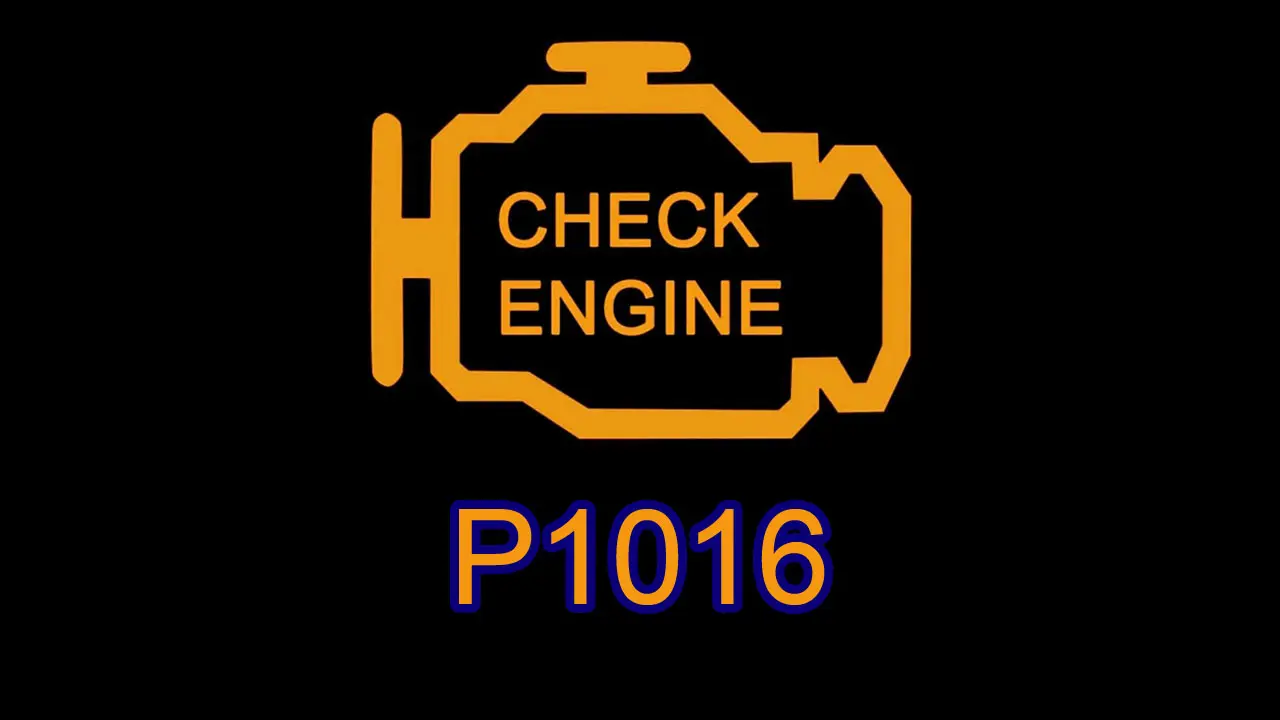
P1016 Reductant Control Module Sensor Serial Communication Circuit High Voltage
P1016 Reductant Control Module Sensor Serial Communication Circuit High Voltage is a diagnostic trouble code that indicates the Engine Control Module (ECM) has detected an abnormally high voltage condition in the communication circuit between the reductant control module and its sensor system.
The reductant system is part of modern diesel emission control technology, especially vehicles equipped with Selective Catalytic Reduction (SCR) systems. This system uses Diesel Exhaust Fluid (DEF/AdBlue) to reduce nitrogen oxide (NOx) emissions.
The reductant control module manages components such as:
-
DEF pump
-
DEF heater system
-
Reductant tank sensors
-
Fluid level and quality sensors
-
SCR dosing system
When the ECM detects that the communication signal voltage is higher than the expected range, it stores the P1016 fault code and may activate the Check Engine Light or emission system warning.
This fault is commonly related to wiring problems, communication circuit faults, sensor issues, connector problems, or a malfunctioning reductant control module.
What Does P1016 Reductant Control Module Sensor Serial Communication Circuit High Voltage Mean?
Modern diesel vehicles use electronic communication networks to allow different control modules to exchange information.
The reductant control module communicates with sensors inside the DEF system and sends information to the ECM.
The ECM monitors:
-
Communication voltage levels
-
Sensor data transmission
-
Reductant system status
-
DEF system operation
When P1016 occurs, the ECM detects that the communication circuit voltage is higher than the programmed limit.
Possible causes include:
-
Communication wire shorted to battery voltage
-
Damaged wiring harness
-
Faulty reductant sensor
-
Connector corrosion
-
Reductant control module failure
-
Network communication problems
A high voltage communication fault may prevent the ECM from receiving accurate DEF system information.
What Is the Reductant Control Module?
The reductant control module is an electronic controller responsible for managing the SCR emission reduction system.
Its functions include:
-
Monitoring DEF level
-
Controlling DEF injection
-
Operating DEF heating systems
-
Communicating with the ECM
-
Monitoring reductant quality
The module works together with:
-
DEF tank assembly
-
Reductant pump
-
Temperature sensors
-
Level sensors
-
NOx sensors
-
SCR catalyst system
If communication between these components fails, the vehicle may not properly control emissions.
What Does the Reductant Sensor System Do?
The reductant sensor system monitors DEF conditions inside the tank.
It can measure:
-
DEF fluid level
-
DEF temperature
-
DEF quality
-
System operating conditions
The ECM uses this information to determine how much DEF should be injected into the exhaust system.
Incorrect sensor communication can affect SCR operation.
Symptoms of P1016
Symptoms may vary depending on the vehicle and severity of the communication problem.
Check Engine Light
The most common symptom is the Check Engine Light being activated.
SCR System Warning
The vehicle may display warnings related to:
-
DEF system
-
AdBlue system
-
Emissions system
-
Exhaust aftertreatment
Reduced Engine Power
Some diesel vehicles may enter a reduced performance mode.
Possible symptoms:
-
Limited acceleration
-
Reduced engine output
-
Poor throttle response
DEF System Malfunction Message
The dashboard may show messages such as:
-
Check DEF system
-
Emission system fault
-
AdBlue fault
Incorrect DEF Level Reading
The vehicle may display:
-
Incorrect DEF level
-
Empty DEF warning
-
Missing DEF information
Emission Control Problems
A faulty reductant communication system may prevent proper NOx reduction.
Common Causes of P1016
Several electrical and communication problems can trigger this fault code.
Short Circuit to Battery Voltage
A common cause is the communication wire receiving unwanted positive voltage.
Possible reasons:
-
Damaged wiring insulation
-
Harness rubbing against metal components
-
Incorrect electrical repairs
-
Water damage
This causes the communication signal voltage to rise above normal levels.
Damaged Wiring Harness
The reductant system wiring is exposed to harsh conditions.
Possible wiring problems:
-
Broken wires
-
Melted insulation
-
Corrosion
-
Heat damage
-
Physical damage
Connector Problems
Electrical connectors can affect communication signals.
Common issues include:
-
Corroded terminals
-
Loose pins
-
Water contamination
-
Poor electrical contact
-
Damaged connectors
Faulty Reductant Sensor
The DEF tank sensor assembly may develop internal faults.
Possible failures:
-
Incorrect communication output
-
Internal electronic failure
-
Sensor signal errors
Faulty Reductant Control Module
The control module itself may fail.
Possible causes:
-
Internal circuit failure
-
Software problems
-
Electrical damage
-
Communication errors
CAN Bus Communication Problems
Many modern vehicles use CAN communication networks.
Problems may include:
-
Network voltage issues
-
Communication interruptions
-
Faulty modules affecting the network
Battery or Charging System Problems
Incorrect vehicle voltage can affect electronic communication.
Possible causes:
-
Weak battery
-
Alternator problems
-
Poor electrical connections
How Is P1016 Diagnosed?
Proper diagnosis requires checking the entire reductant communication system.
Check for Additional Fault Codes
A diagnostic scan should check related codes involving:
-
DEF system
-
SCR system
-
NOx sensors
-
CAN communication
-
Reductant control module
Additional codes can help locate the problem.
Inspect Wiring and Connectors
The wiring should be checked for:
-
Short circuits
-
Damaged insulation
-
Corrosion
-
Loose connections
-
Water intrusion
Check Communication Voltage
Technicians should measure:
-
Communication circuit voltage
-
Battery voltage supply
-
Ground connections
A high voltage reading may confirm a short-to-positive condition.
Inspect the Reductant Control Module
The module should be checked for:
-
Proper power supply
-
Ground quality
-
Communication activity
-
Physical damage
Check DEF Tank Sensor Operation
The sensor assembly should be tested for:
-
Correct communication
-
Accurate readings
-
Electrical integrity
Test CAN Communication
A professional scan tool can verify:
-
Module communication
-
Network activity
-
Communication errors
How Is P1016 Fixed?
The correct repair depends on the actual cause of the high voltage communication fault.
Repair Damaged Wiring
Possible repairs:
-
Repair broken wires
-
Replace damaged wiring sections
-
Restore insulation
-
Correct harness routing
Repair Electrical Connectors
Possible repairs:
-
Clean corrosion
-
Repair connector terminals
-
Replace damaged connectors
-
Ensure proper connections
Replace Faulty Reductant Sensor
If the DEF sensor assembly is defective, replacement may be required.
Replace Reductant Control Module
If the module cannot communicate correctly, replacement or programming may be necessary.
Repair CAN Communication Problems
Network issues may require:
-
Repairing communication wiring
-
Correcting module faults
-
Restoring proper voltage levels
Correct Battery and Charging Problems
Electrical supply issues should be repaired to ensure stable module operation.
After repairs:
-
Clear the fault code.
-
Check DEF system communication.
-
Perform system tests.
-
Confirm SCR operation.
-
Verify that the fault does not return.
Can You Drive With P1016?
A vehicle with P1016 may continue driving, but the problem should not be ignored.
Possible consequences include:
-
Increased emissions
-
DEF system malfunction
-
Reduced engine performance
-
SCR system shutdown
-
Possible emissions-related restrictions
Some vehicles may eventually limit performance if the emission system cannot operate correctly.
Is P1016 a Serious Code?
P1016 is considered a moderate to serious emission system fault.
The vehicle may still operate, but the reductant system may not function properly.
Ignoring the problem can lead to:
-
Failed emissions compliance
-
DEF system warnings
-
Reduced engine performance
-
Additional SCR system faults
How to Prevent P1016
Regular maintenance can help prevent reductant communication problems.
Protect Electrical Connections
Keep DEF system connectors protected from:
-
Moisture
-
Corrosion
-
Dirt contamination
Inspect Wiring Regularly
Check wiring for:
-
Heat damage
-
Wear
-
Broken insulation
Maintain Battery Condition
Stable electrical voltage helps protect electronic control modules.
Use Correct DEF Fluid
Using approved DEF helps protect the reductant system components.
Address Warning Lights Early
Early diagnosis can prevent larger emission system failures.
Final Thoughts
P1016 Reductant Control Module Sensor Serial Communication Circuit High Voltage indicates that the ECM has detected excessive voltage in the communication circuit of the reductant control system.
The most common causes include:
-
Shorted communication wiring
-
Damaged connectors
-
Faulty DEF sensors
-
Reductant control module failure
-
CAN communication problems
-
Electrical supply issues
A complete inspection of the reductant control module, DEF sensors, wiring harness, connectors, and communication network is required to restore proper SCR system operation and maintain correct emissions control.