TR
TR EN
EN

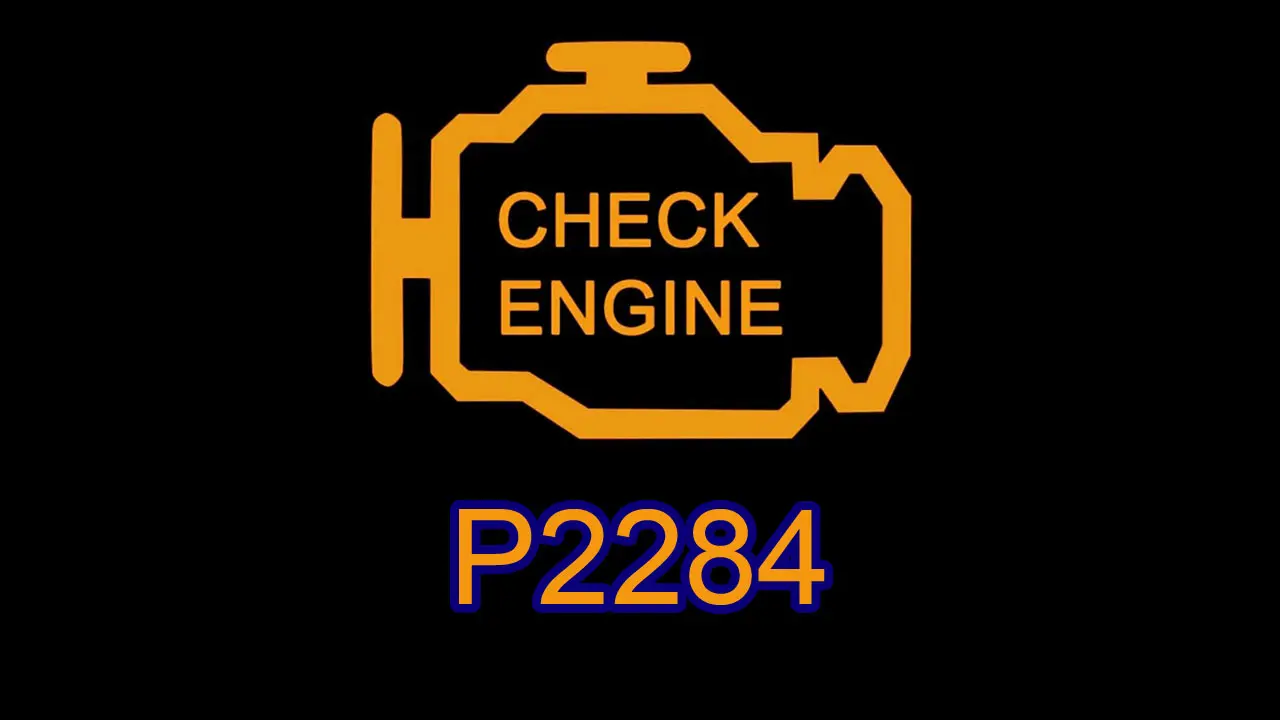
P2284 Injector Control Pressure Sensor Circuit Range/Performance
P2284 is a generic OBD-II diagnostic trouble code that indicates the Engine Control Module (ECM) has detected a range or performance problem in the Injector Control Pressure (ICP) Sensor Circuit.
In simple terms, the ECM is receiving a signal from the injector control pressure sensor that does not match the expected operating range or does not respond correctly under certain engine conditions.
This code is most commonly associated with diesel engines equipped with Hydraulic Electronic Unit Injector (HEUI) systems, where high-pressure engine oil is used to control fuel injector operation.
The Injector Control Pressure sensor provides critical information about hydraulic pressure to the ECM. If the sensor signal is inaccurate, slow to respond, or outside the expected range, the ECM cannot properly control injector operation.
When the ECM detects this condition, it stores diagnostic trouble code P2284 and may illuminate the Check Engine Light.
What Does P2284 Mean?
To understand P2284, it is important to understand how the Injector Control Pressure (ICP) system works.
Some diesel engines use high-pressure engine oil to operate fuel injectors. The ICP sensor measures this hydraulic pressure and sends a voltage signal to the ECM.
The system includes:
-
Injector Control Pressure (ICP) sensor
-
Injection Pressure Regulator (IPR) valve
-
High-pressure oil pump
-
Hydraulic injectors
-
Engine Control Module (ECM)
-
Wiring harness and connectors
During normal operation:
-
The high-pressure oil pump generates pressure.
-
The ICP sensor measures the pressure level.
-
The ECM compares actual pressure with the requested pressure.
-
The ECM controls the IPR valve to adjust pressure.
-
The injectors operate according to the required pressure.
The term in the code has several meanings:
Injector Control Pressure Sensor
This sensor measures the hydraulic pressure used for injector control.
Circuit
The circuit includes:
-
Sensor power supply
-
Ground circuit
-
Signal wire
-
ECM communication line
Range/Performance
The signal is present, but it is not behaving as expected.
Possible situations include:
-
Signal voltage outside the normal range
-
Slow sensor response
-
Pressure reading does not match engine conditions
-
Sensor performance does not meet ECM expectations
Symptoms of P2284
Symptoms of P2284 can vary depending on the cause and severity of the problem.
Common symptoms include:
Check Engine Light
The Check Engine Light will usually illuminate when the ECM detects an ICP sensor performance problem.
Hard starting
Incorrect injector pressure information may affect engine startup.
Possible symptoms include:
-
Longer cranking time
-
Difficult cold starts
-
Difficult hot starts
Engine power loss
The vehicle may experience:
-
Reduced acceleration
-
Poor throttle response
-
Limited engine performance
Rough idle
Incorrect injector pressure readings can cause:
-
Engine vibration
-
Uneven idle
-
Poor combustion
Engine hesitation
The engine may hesitate during acceleration due to incorrect fuel injection control.
Engine stalling
In severe cases, incorrect pressure information may cause unstable operation or stalling.
Poor fuel economy
Improper injector control can reduce combustion efficiency.
Reduced power mode
Some vehicles may activate a protection strategy to prevent engine damage.
Common Causes of P2284
Several problems can cause an Injector Control Pressure Sensor Circuit Range/Performance fault.
Faulty Injector Control Pressure (ICP) sensor
A failing ICP sensor is one of the most common causes of P2284.
Possible sensor problems include:
-
Incorrect pressure readings
-
Slow response
-
Internal electrical failure
-
Heat-related failure
-
Contamination
The sensor may still produce a signal, but the information may be inaccurate.
Damaged ICP sensor wiring
The wiring harness may cause incorrect sensor performance.
Possible issues include:
-
High resistance
-
Damaged insulation
-
Broken wires
-
Intermittent connections
-
Heat damage
Poor electrical connections
Connector problems can affect sensor accuracy.
Possible causes include:
-
Corroded terminals
-
Loose connector pins
-
Oil contamination
-
Water intrusion
-
Damaged connectors
Faulty Injection Pressure Regulator (IPR) valve
Although P2284 relates to the sensor circuit, incorrect pressure control can cause the sensor reading to appear outside expected performance.
Possible IPR problems include:
-
Valve sticking
-
Incorrect pressure regulation
-
Slow response
-
Internal leakage
High-pressure oil system problems
The ICP sensor depends on accurate hydraulic pressure information.
Possible problems include:
-
High-pressure oil leaks
-
Weak high-pressure oil pump
-
Restricted oil passages
-
Unstable pressure conditions
Incorrect engine oil condition
Because the system uses engine oil for injector control, oil problems can affect pressure performance.
Possible causes include:
-
Incorrect oil viscosity
-
Dirty oil
-
Contaminated oil
-
Poor maintenance
ECM problems
A rare cause is an ECM issue affecting sensor interpretation.
Possible problems include:
-
Software faults
-
Internal ECM failure
-
Damaged ECM connections
Vehicles Commonly Affected by P2284
P2284 is most commonly found on diesel engines using hydraulic electronic injection systems.
Common examples include:
-
Ford Super Duty trucks with Power Stroke diesel engines
-
Ford E-Series diesel models
-
International diesel engines
-
Commercial diesel vehicles using HEUI technology
This code is especially associated with certain Ford Power Stroke diesel engines that use Injector Control Pressure sensors.
The exact diagnosis depends on the engine manufacturer and system design.
How Is P2284 Diagnosed?
Proper diagnosis requires checking the ICP sensor, electrical circuit, hydraulic pressure system, and injector control components.
Check for additional trouble codes
A professional scan tool should check for related codes such as:
-
ICP sensor circuit codes
-
IPR valve codes
-
Injector pressure codes
-
Engine performance codes
Additional codes may help identify the source of the problem.
Inspect the ICP sensor
Technicians should check:
-
Sensor condition
-
Connector condition
-
Oil contamination
-
Proper electrical operation
Inspect wiring and connectors
The complete circuit should be checked for:
-
Damaged wires
-
High resistance
-
Corrosion
-
Loose connections
-
Heat damage
Monitor live ICP sensor data
A scan tool should monitor:
-
ICP sensor voltage
-
Actual injector control pressure
-
Requested injector control pressure
The sensor reading should change smoothly according to engine conditions.
Test the IPR valve
The Injection Pressure Regulator valve should be checked for:
-
Correct electrical operation
-
Proper pressure control
-
Mechanical movement
Test the high-pressure oil system
Technicians may inspect:
-
Pressure stability
-
Oil leaks
-
Pump operation
-
Hydraulic system condition
How to Fix P2284
The correct repair depends on the actual cause of the range/performance problem.
Common repairs include:
Replacing the faulty ICP sensor
If the sensor does not provide accurate pressure information, replacement may be required.
Repairing wiring problems
Electrical repairs may include:
-
Fixing damaged wires
-
Repairing high-resistance connections
-
Replacing damaged connectors
Cleaning or replacing connectors
Corroded or damaged connectors should be repaired.
Replacing the IPR valve
If pressure control problems affect sensor performance, the valve may need replacement.
Repairing high-pressure oil system faults
Leaks, pump problems, or hydraulic system issues should be corrected.
Correcting engine oil problems
Repairs may include:
-
Changing contaminated oil
-
Using the correct oil specification
-
Maintaining proper oil level
Repairing ECM-related problems
In rare cases, ECM software updates or replacement may be necessary.
After repairs:
-
Clear the diagnostic trouble code.
-
Start the engine.
-
Monitor ICP sensor readings.
-
Check injector pressure operation.
-
Perform a road test.
-
Confirm the code does not return.
Can You Drive With P2284?
Driving with P2284 is not recommended for long periods.
Possible risks include:
-
Engine performance problems
-
Hard starting
-
Engine stalling
-
Poor fuel injection control
-
Reduced engine reliability
The vehicle may continue operating, but inaccurate injector pressure information can cause additional problems over time.
Is P2284 a Serious Code?
P2284 is generally considered a moderate to serious diagnostic trouble code, especially on diesel engines.
The injector control pressure system is essential for correct fuel injection operation.
Ignoring this code may lead to:
-
Starting problems
-
Reduced engine power
-
Increased fuel consumption
-
Poor engine performance
-
Injector system stress
Proper diagnosis is recommended to prevent further issues.
How to Prevent P2284
Regular maintenance can help prevent injector control pressure sensor problems.
Recommended practices include:
-
Maintain correct engine oil level.
-
Use manufacturer-approved engine oil.
-
Change oil at recommended intervals.
-
Inspect ICP sensor wiring regularly.
-
Keep electrical connectors clean and dry.
-
Repair oil leaks quickly.
-
Maintain the high-pressure oil system.
-
Address Check Engine Light warnings early.
Final Thoughts
P2284 Injector Control Pressure Sensor Circuit Range/Performance indicates that the ECM has detected an abnormal performance condition from the Injector Control Pressure sensor circuit.
The most common causes include a faulty ICP sensor, wiring problems, connector faults, IPR valve issues, high-pressure oil system problems, incorrect oil condition, or ECM-related faults.
Because injector control pressure directly affects diesel engine operation, P2284 should be diagnosed and repaired properly to maintain reliable starting, smooth performance, and efficient fuel injection control.