TR
TR EN
EN

Why Does the Glow Plug Warning Light Come On?
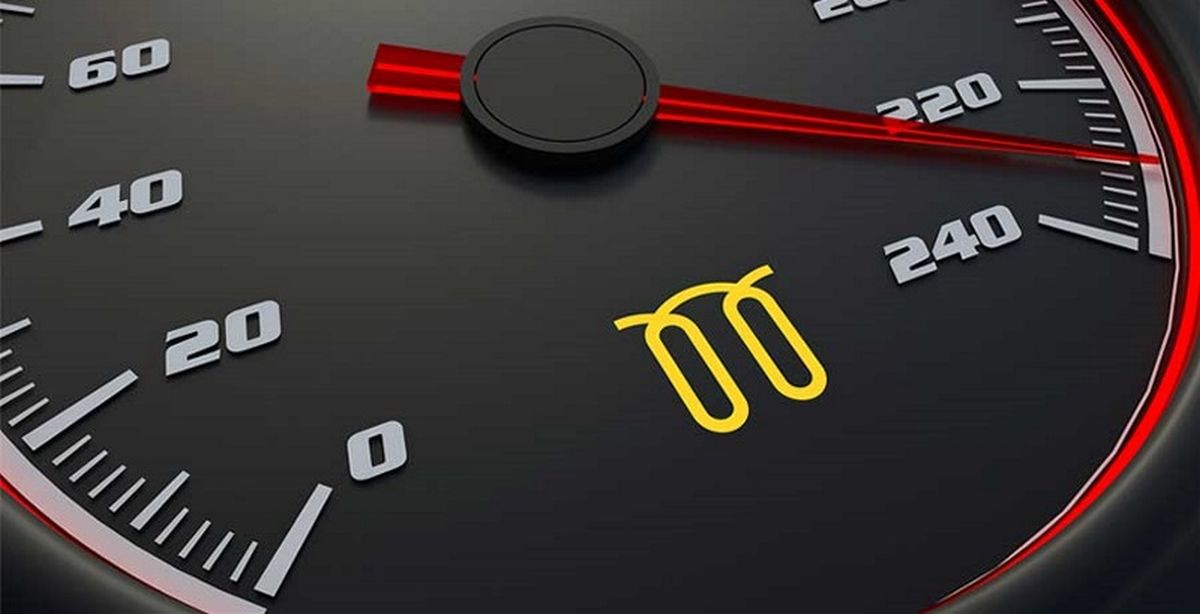
The glow plug warning light is one of the most recognizable warning lights on a diesel vehicle. It is usually displayed as a yellow or amber symbol that looks like a glowing coil.
When the ignition is switched on, this light normally comes on for a short period. This is part of the normal diesel engine starting process. The glow plugs heat the combustion chamber to help the engine start, particularly when the engine is cold.
However, if the glow plug warning light stays on after the engine starts, flashes while driving, or suddenly comes on during operation, it may indicate a fault.
Importantly, a glow plug warning light does not always mean that the glow plugs themselves are defective. On many modern diesel vehicles, this warning light can also be used to indicate faults in the engine management, fuel injection, emissions, or other related systems.
What Is the Glow Plug System?
Diesel engines do not normally use spark plugs to ignite the air-fuel mixture.
Instead, diesel combustion occurs because the air inside the cylinder becomes extremely hot when it is compressed.
When the engine is cold, however, the temperature created by compression may not be sufficient for reliable combustion.
Glow plugs help solve this problem.
A glow plug is an electrically heated component installed in the cylinder head. When activated, its tip becomes extremely hot.
The heat generated by the glow plug helps improve combustion during cold starting and the initial warm-up period.
Why Does the Glow Plug Warning Light Come On When Starting?
When the ignition is switched on, the engine control system checks the engine temperature and determines whether glow plug operation is required.
The glow plug warning light then illuminates to indicate that the system is performing its preheating process.
The amount of time the light remains on can vary depending on:
-
Engine coolant temperature
-
Outside temperature
-
Battery voltage
-
Engine design
-
Glow plug type
-
Engine control software
In warm weather, the light may only stay on for a very short time.
In cold weather, it may remain illuminated longer.
If the light goes out before starting the engine, this is normally considered a normal operating condition.
Why Does the Glow Plug Warning Light Stay On?
If the warning light remains illuminated after the engine has started, there may be a problem with the glow plug system or another engine-management component.
Possible causes include:
-
Defective glow plug
-
Glow plug control module failure
-
Glow plug relay failure
-
Damaged wiring
-
Blown fuse
-
Poor electrical connection
-
Battery problem
-
Charging system problem
-
Engine coolant temperature sensor fault
-
Fuel injection problem
-
EGR system fault
-
DPF problem
-
Turbocharger control problem
-
Engine management fault
The exact meaning depends on the vehicle manufacturer and engine management system.
Why Does the Glow Plug Warning Light Flash?
A flashing glow plug warning light should generally not be ignored.
On many diesel vehicles, a flashing glow plug symbol can indicate that the ECU has detected a fault in the engine management system.
The fault may have nothing to do with the glow plugs themselves.
Depending on the vehicle, the warning may be associated with:
-
Fuel injection
-
EGR
-
DPF
-
Turbocharger control
-
Throttle control
-
Accelerator pedal sensor
-
Brake pedal switch
-
Emissions system
-
Engine management system
For this reason, replacing the glow plugs simply because the warning light is flashing can result in unnecessary expense.
An OBD diagnostic scan should be performed to determine which system has actually stored the fault.
1. Defective Glow Plug
One or more defective glow plugs are among the possible causes of the warning light.
Glow plugs operate under high temperatures and can wear out over time.
A failed glow plug may cause:
-
Difficult cold starting
-
Longer cranking time
-
Rough running after startup
-
Engine vibration
-
White or gray smoke
-
Increased emissions
-
Glow plug warning light
The engine may still start normally in warm weather because glow plugs are less important when the engine is already relatively warm.
2. Glow Plug Control Module Failure
Many modern diesel engines use a dedicated glow plug control module.
This module controls the electrical current supplied to the glow plugs and determines when they should operate.
If the control module fails, the glow plugs may not receive the correct voltage or current.
Possible symptoms include:
-
Glow plug warning light
-
Difficult cold starting
-
Longer preheating time
-
Rough cold running
-
Diagnostic trouble codes
The control module should be tested before assuming that all glow plugs are defective.
3. Glow Plug Relay Failure
Some diesel engines use a glow plug relay instead of, or together with, a more sophisticated control module.
A faulty relay may fail to supply power to the glow plugs or may operate intermittently.
Possible symptoms include:
-
Glow plug warning light
-
Difficult starting
-
Extended cranking
-
Poor cold-start performance
-
Incorrect glow plug voltage
The relay and its control circuit should be tested according to the manufacturer's specifications.
4. Damaged Glow Plug Wiring
Glow plugs require a reliable electrical supply.
A damaged wire, loose connector, corroded terminal, or poor electrical connection can prevent one or more glow plugs from operating correctly.
Possible wiring problems include:
-
Broken wire
-
Corroded connector
-
Loose terminal
-
Damaged insulation
-
Poor ground
-
Short circuit
-
Open circuit
Electrical testing is important because the glow plug itself may be perfectly functional while the wiring prevents it from operating.
5. Blown Glow Plug Fuse
The glow plug system can draw a significant amount of electrical current.
A blown fuse can therefore interrupt power to the glow plug system.
However, simply installing another fuse is not always the correct repair.
If the fuse has blown because of a short circuit or another electrical problem, the replacement fuse may fail again.
The cause of the blown fuse should be identified before the vehicle is returned to normal operation.
6. Weak Battery
Glow plugs require substantial electrical power, especially during cold starting.
A weak battery can reduce the available voltage during the preheating process.
A weak battery may cause:
-
Slow engine cranking
-
Difficult cold starting
-
Electrical warnings
-
Poor glow plug operation
-
Multiple fault codes
The battery should therefore be tested when glow plug problems occur together with starting or electrical problems.
7. Alternator or Charging System Problem
The alternator is responsible for maintaining the vehicle's electrical supply while the engine is running and replenishing the battery.
If the charging system is not working correctly, the vehicle may experience electrical problems that affect glow plug operation.
Possible causes include:
-
Faulty alternator
-
Voltage regulator problem
-
Damaged charging cable
-
Poor ground connection
-
Loose battery terminal
Battery voltage and charging voltage should be checked before replacing glow plug components.
8. Engine Coolant Temperature Sensor Failure
The ECU uses engine coolant temperature information to determine how much preheating is necessary.
If the temperature sensor sends incorrect information, the ECU may miscalculate the required glow plug operating time.
For example, if a cold engine is incorrectly reported as warm, the ECU may reduce the preheating time.
This can lead to:
-
Difficult cold starting
-
Rough startup
-
Increased smoke
-
Glow plug-related fault codes
The temperature sensor's live data should be compared with the actual engine temperature during diagnosis.
9. Fuel Injector Problems
A diesel engine requires accurate fuel injection for proper combustion.
If an injector is clogged, leaking, or otherwise malfunctioning, the engine may have difficulty starting or running smoothly.
Possible symptoms include:
-
Hard starting
-
Rough idle
-
Misfire
-
Engine vibration
-
Excessive smoke
-
Increased fuel consumption
-
Reduced engine performance
These symptoms can sometimes be mistaken for a glow plug problem.
If the glow plug warning light is accompanied by significant engine performance problems, the fuel injection system should also be checked.
10. EGR Valve Problems
The Exhaust Gas Recirculation (EGR) system is used to reduce certain emissions by recirculating a controlled amount of exhaust gas back into the engine.
If the EGR valve becomes stuck, contaminated, or fails to respond correctly to ECU commands, engine operation may be affected.
On some diesel vehicles, an EGR-related fault can cause the glow plug warning light to illuminate or flash.
Therefore, a glow plug warning does not automatically indicate a defective glow plug.
11. DPF Problems
Modern diesel vehicles are often equipped with a Diesel Particulate Filter (DPF).
The DPF captures soot from the exhaust gases and periodically needs to regenerate to remove the accumulated particles.
If regeneration is unsuccessful or the DPF becomes excessively loaded, the vehicle may trigger warning lights.
Possible symptoms include:
-
Reduced engine power
-
Increased fuel consumption
-
Frequent regeneration
-
DPF warning
-
Glow plug warning
-
Check engine light
-
Limp mode
A diagnostic scan should be performed if several warning lights appear at the same time.
12. Turbocharger Control Problems
A flashing glow plug warning light on some diesel vehicles can be related to a turbocharger or boost-control fault.
Possible causes include:
-
Boost pressure sensor fault
-
Vacuum leak
-
Turbocharger actuator problem
-
Variable geometry mechanism sticking
-
Vacuum solenoid failure
-
Damaged intercooler hose
-
Boost leak
If the glow plug warning light appears together with a noticeable loss of power, the turbocharger control system should be investigated.
13. Accelerator Pedal or Brake Switch Problems
On some vehicles, the glow plug warning light can also be used to indicate problems with accelerator or brake pedal signals.
The ECU monitors these inputs as part of the engine and vehicle control systems.
A problem with the:
-
Accelerator pedal position sensor
-
Brake pedal switch
-
Wiring
-
Electrical connector
may trigger a warning.
This is one reason why scanning the vehicle for diagnostic trouble codes is so important.
What Are the Symptoms of a Glow Plug Fault?
A glow plug or glow plug system fault can produce several different symptoms.
Common symptoms include:
-
Glow plug warning light stays on
-
Glow plug warning light flashes
-
Difficult cold starting
-
Longer engine cranking
-
Rough running after a cold start
-
Engine vibration
-
White or gray exhaust smoke
-
Increased fuel consumption
-
Increased emissions
-
Reduced cold-start performance
-
Engine management fault codes
Not every vehicle will experience all of these symptoms.
Can You Drive With the Glow Plug Warning Light On?
If the glow plug light briefly illuminates after switching on the ignition and then goes out, this is normally part of the vehicle's regular operation.
If the light remains on or starts flashing while driving, the vehicle should be diagnosed.
Particular attention should be paid if the warning light is accompanied by:
-
Loss of engine power
-
Limp mode
-
Excessive smoke
-
Difficult starting
-
Severe engine vibration
-
DPF warning
-
Check engine light
In these circumstances, continuing to drive without identifying the cause may allow the underlying problem to become more serious.
Can a Diesel Engine Start With Bad Glow Plugs?
Yes.
A diesel engine can sometimes start even when one or more glow plugs are defective.
This is especially common when the outside temperature is relatively high.
However, starting performance can deteriorate significantly in cold weather.
As more glow plugs fail, the engine may require longer cranking before starting and may run roughly for several seconds after startup.
White or gray smoke can also appear during the first moments of operation.
How Are Glow Plugs Tested?
Glow plugs can be tested electrically, but the correct testing procedure depends on the specific glow plug and engine.
A technician may check:
-
Glow plug resistance
-
Voltage supply
-
Current draw
-
Control signal
-
Wiring continuity
-
Control module operation
A simple resistance test is not always enough to determine whether a modern glow plug is operating correctly.
The manufacturer's specifications should always be used.
How Is the Glow Plug Warning Light Diagnosed?
The first step should generally be an OBD diagnostic scan.
The diagnostic system may reveal fault codes related to:
-
Glow plug circuits
-
Glow plug control module
-
Engine temperature sensor
-
Fuel injection
-
EGR
-
DPF
-
Turbocharger control
-
Accelerator pedal
-
Other engine-management systems
Live data can provide additional information.
For example, coolant temperature, battery voltage, and other engine parameters can help determine whether the glow plug system is operating under the correct conditions.
Should All Glow Plugs Be Replaced at the Same Time?
Not necessarily.
If testing confirms that only one glow plug has failed, replacing that component may be sufficient.
However, glow plugs usually operate under similar conditions and may have similar levels of wear.
If one glow plug fails on a high-mileage vehicle, it is sensible to test the remaining glow plugs before deciding whether to replace them as a complete set.
The correct approach depends on the engine, mileage, condition of the existing glow plugs, and manufacturer's recommendations.
Can Glow Plug Problems Increase Fuel Consumption?
Yes, particularly during cold operation.
Proper glow plug operation helps the diesel engine achieve stable combustion during and immediately after starting.
If the glow plug system is not functioning correctly, combustion may be less efficient during the warm-up period.
This can contribute to:
-
Increased fuel consumption
-
More smoke
-
Higher emissions
-
Rough running
The effect is generally more noticeable in cold weather and during short trips.
What Does the Glow Plug Warning Light Mean on Modern Diesel Vehicles?
On older diesel vehicles, the glow plug warning light was primarily associated with the preheating system.
On many modern diesel vehicles, however, the same warning symbol can have a broader meaning.
The ECU may use the glow plug symbol to alert the driver to an engine-management or emissions-related fault.
Therefore, a flashing glow plug warning light should not automatically be interpreted as a glow plug failure.
The stored diagnostic trouble codes provide much more useful information about the actual problem.
How Can Glow Plug Problems Be Prevented?
Glow plugs are wear components, so they will eventually need to be replaced.
However, regular vehicle maintenance can help prevent related problems.
The following practices are useful:
-
Keep the battery in good condition.
-
Check the charging system regularly.
-
Use the correct glow plugs for the engine.
-
Maintain the recommended engine oil and fuel specifications.
-
Do not ignore repeated cold-start problems.
-
Repair electrical faults promptly.
-
Keep battery and engine electrical connections clean and secure.
-
Follow the manufacturer's maintenance schedule.
Using the wrong type of glow plug can also cause problems because modern glow plugs can differ in voltage, heating speed, operating temperature, and control characteristics.
Final Thoughts
The glow plug warning light normally illuminates briefly when the ignition is switched on in a diesel vehicle. This indicates that the vehicle is performing its preheating process or preparing the engine for starting.
If the light goes out after a short period, this is generally normal.
However, if the glow plug warning light stays on, flashes, or comes on while driving, the vehicle should be diagnosed.
A defective glow plug is only one possible cause. Problems with the glow plug control module, relay, fuse, wiring, battery, charging system, coolant temperature sensor, fuel injectors, EGR, DPF, turbocharger control, accelerator pedal sensor, or other engine-management components can also trigger the warning.
For this reason, replacing the glow plugs immediately is not always the correct solution.
The most important point is that the glow plug warning light is a warning indicator, not a diagnosis. An OBD scan, combined with live-data analysis and electrical testing, can help determine whether the problem is actually in the glow plug system or somewhere else in the diesel engine management system.