TR
TR EN
EN

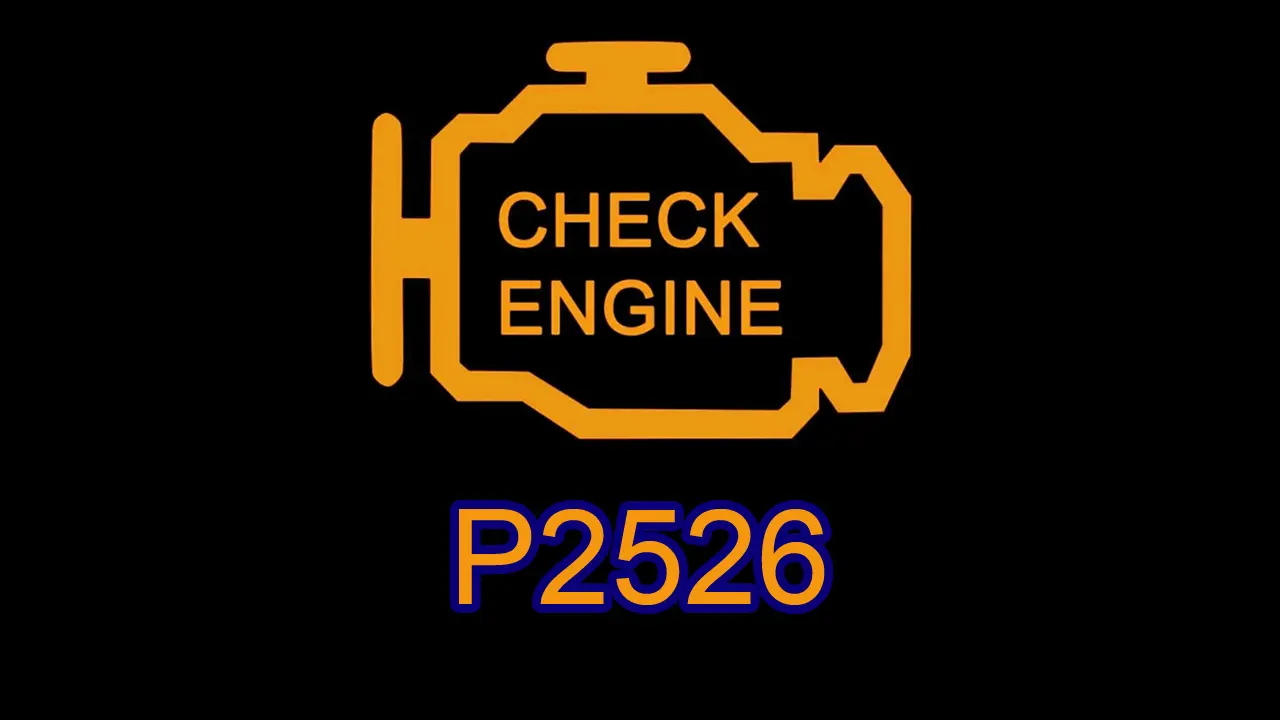
P2526 Vacuum Reservoir Pressure Sensor Circuit Range/Performance
P2526 is a generic OBD-II diagnostic trouble code that indicates the Engine Control Module (ECM) or Powertrain Control Module (PCM) has detected that the Vacuum Reservoir Pressure Sensor Circuit is operating outside its expected performance or signal range. This means the sensor is sending readings that are inconsistent, implausible, or do not match the actual vacuum conditions within the vacuum reservoir.
The vacuum reservoir stores vacuum generated by the engine or an auxiliary vacuum pump and supplies a stable vacuum source for various systems, including the brake booster, turbocharger actuators, Exhaust Gas Recirculation (EGR) system, intake manifold controls, emission control components, and HVAC vacuum actuators. The vacuum reservoir pressure sensor continuously measures the vacuum level and reports this information to the ECM so it can properly manage these systems.
When the ECM detects that the sensor signal does not correspond with expected operating conditions, it stores diagnostic code P2526 and usually illuminates the Check Engine Light.
What Does P2526 Mean?
The vacuum reservoir pressure sensor provides continuous feedback about the amount of stored vacuum available for vehicle systems.
The ECM compares the sensor signal with other operating data, including:
-
Engine load
-
Engine speed
-
Intake manifold pressure
-
Turbocharger boost pressure
-
Vacuum pump operation
-
Brake booster demand
If the reported vacuum level changes too slowly, changes unexpectedly, remains fixed, or differs significantly from calculated values, the ECM determines that the sensor or the vacuum system is operating outside its normal performance range and stores code P2526.
Unlike P2525, which indicates a general circuit malfunction, P2526 specifically identifies a range or performance problem, meaning the sensor circuit is functional but producing implausible or inaccurate information.
Common Symptoms of P2526
The symptoms vary depending on which vehicle systems rely on the vacuum reservoir.
Common symptoms include:
-
Check Engine Light illuminated
-
Reduced engine performance
-
Poor turbocharger response
-
Reduced engine power
-
Delayed acceleration
-
Rough idle
-
Increased fuel consumption
-
Hard brake pedal or reduced brake assist
-
HVAC air distribution problems
-
Cruise control malfunction on some vehicles
-
Additional vacuum system or turbocharger-related diagnostic trouble codes
Some vehicles may only display the Check Engine Light with no noticeable drivability problems.
Common Causes of P2526
A range or performance fault may result from either sensor problems or actual vacuum system issues.
Faulty vacuum reservoir pressure sensor
An aging or internally damaged sensor may provide inaccurate pressure readings.
Vacuum leak
Leaks in hoses, fittings, or seals may prevent the vacuum reservoir from maintaining the expected vacuum level.
Cracked vacuum reservoir
A damaged reservoir may leak vacuum under certain operating conditions.
Faulty vacuum pump
A weak or failing vacuum pump may not generate sufficient vacuum.
Damaged vacuum hoses
Vacuum hoses may become:
-
Cracked
-
Split
-
Brittle
-
Collapsed
-
Disconnected
Restricted vacuum lines
Internal blockages can slow vacuum response and affect sensor readings.
Faulty vacuum control solenoid
A malfunctioning solenoid may prevent proper vacuum regulation.
Loose or corroded electrical connectors
Poor electrical connections may distort the sensor signal.
Damaged wiring
The wiring harness may develop:
-
Broken wires
-
Chafed insulation
-
Heat damage
-
Corrosion
ECM software issues
Some manufacturers have released software updates that improve vacuum system monitoring.
ECM malfunction
Although uncommon, an internal ECM fault may incorrectly interpret the sensor data.
Vehicles Commonly Affected by P2526
P2526 may occur on many OBD-II vehicles equipped with electronically monitored vacuum systems.
Frequently affected vehicles include:
-
Ford F-250 Super Duty
-
Ford Transit
-
Chevrolet Silverado Duramax
-
GMC Sierra Duramax
-
Ram 2500 Cummins
-
Jeep Grand Cherokee EcoDiesel
-
Mercedes-Benz Sprinter
-
Mercedes-Benz E-Class Diesel
-
BMW X5 Diesel
-
BMW 5 Series Diesel
-
Audi A6 TDI
-
Volkswagen Passat TDI
-
Volkswagen Touareg TDI
-
Land Rover Discovery
-
Range Rover Sport
-
Volvo XC90
-
Peugeot 508 BlueHDi
-
Citroën C5 Aircross
-
Opel Insignia
-
Fiat Ducato
This diagnostic code is more frequently encountered on diesel-powered vehicles, where vacuum pumps are used to provide vacuum for braking and emission control systems.
How Is P2526 Diagnosed?
Accurate diagnosis requires checking both the electrical circuit and the mechanical vacuum system.
Check for additional diagnostic trouble codes
Related turbocharger, brake booster, EGR, vacuum pump, or boost control codes may help narrow the diagnosis.
Inspect wiring and connectors
Technicians inspect the sensor circuit for:
-
Broken wires
-
Loose connectors
-
Corrosion
-
Heat damage
-
Moisture intrusion
Inspect vacuum hoses
All hoses should be checked for:
-
Cracks
-
Loose fittings
-
Oil contamination
-
Collapsed sections
-
Vacuum leaks
Review live scan data
A professional scan tool allows technicians to compare:
-
Vacuum reservoir pressure
-
Engine vacuum
-
Turbocharger operation
-
Brake booster demand
-
Vacuum pump performance
Measure sensor voltage
A digital multimeter is used to verify:
-
Reference voltage
-
Signal voltage
-
Ground integrity
Perform a vacuum retention test
A handheld vacuum pump and gauge are used to verify that the reservoir can maintain vacuum according to manufacturer specifications.
Inspect the vacuum reservoir
The reservoir should be examined for:
-
Cracks
-
Damaged fittings
-
Physical damage
-
Internal leakage
How to Fix P2526
The correct repair depends on the underlying cause.
Common repairs include:
-
Replacing a faulty vacuum reservoir pressure sensor
-
Repairing vacuum leaks
-
Replacing cracked vacuum hoses
-
Replacing a damaged vacuum reservoir
-
Repairing damaged wiring
-
Replacing damaged wiring harnesses
-
Cleaning corroded electrical connectors
-
Repairing loose electrical connections
-
Replacing a faulty vacuum pump
-
Replacing a faulty vacuum control solenoid
-
Clearing blocked vacuum lines
-
Updating ECM software if recommended by the manufacturer
-
Replacing the ECM if internal failure is confirmed
After repairs are completed, technicians should clear the diagnostic code and verify normal vacuum readings under different engine operating conditions.
Can You Drive With P2526?
Yes, in most cases, the vehicle can still be driven.
However, depending on the severity of the vacuum problem, you may experience:
-
Reduced turbocharger performance
-
Poor acceleration
-
Harder brake pedal
-
Reduced brake assist
-
HVAC airflow control problems
-
Increased fuel consumption
If brake assist becomes noticeably reduced or engine performance deteriorates significantly, the vehicle should be inspected immediately.
Is P2526 a Serious Code?
P2526 is generally considered a moderately serious diagnostic trouble code.
Ignoring the fault may result in:
-
Progressive vacuum system failure
-
Reduced turbocharger efficiency
-
Increased emissions
-
Poor fuel economy
-
Reduced brake assist
-
Additional engine management faults
Early diagnosis helps prevent more extensive vacuum system damage and ensures safe vehicle operation.
How to Prevent P2526
Routine maintenance of the vacuum and electrical systems can significantly reduce the likelihood of this diagnostic code.
Recommended preventive maintenance includes:
-
Inspect vacuum hoses regularly for signs of aging or damage.
-
Replace brittle or cracked hoses before they fail.
-
Keep electrical connectors clean and protected from moisture.
-
Repair damaged wiring promptly.
-
Test vacuum pump performance during scheduled maintenance.
-
Inspect the vacuum reservoir for cracks or leaks.
-
Repair vacuum leaks as soon as they are detected.
-
Follow the manufacturer's recommended maintenance schedule for vacuum-operated components.
Regular preventive maintenance helps ensure accurate vacuum monitoring and reliable operation of all vacuum-dependent systems.
Final Thoughts
P2526 Vacuum Reservoir Pressure Sensor Circuit Range/Performance indicates that the ECM has detected that the vacuum reservoir pressure sensor is reporting values outside the expected operating range. The most common causes include a faulty pressure sensor, vacuum leaks, damaged vacuum hoses, cracked vacuum reservoirs, weak vacuum pumps, restricted vacuum lines, faulty vacuum control solenoids, damaged wiring, loose connectors, or outdated ECM software. Although an internal ECM failure is possible, mechanical vacuum system faults and sensor problems are far more common.
While the vehicle may remain drivable, this diagnostic code can reduce turbocharger performance, brake assist efficiency, HVAC operation, and overall engine performance if left unresolved. Prompt diagnosis and repair restore accurate vacuum monitoring, proper brake assistance, efficient turbocharger control, and reliable operation of all systems that depend on a stable vacuum supply.