TR
TR EN
EN

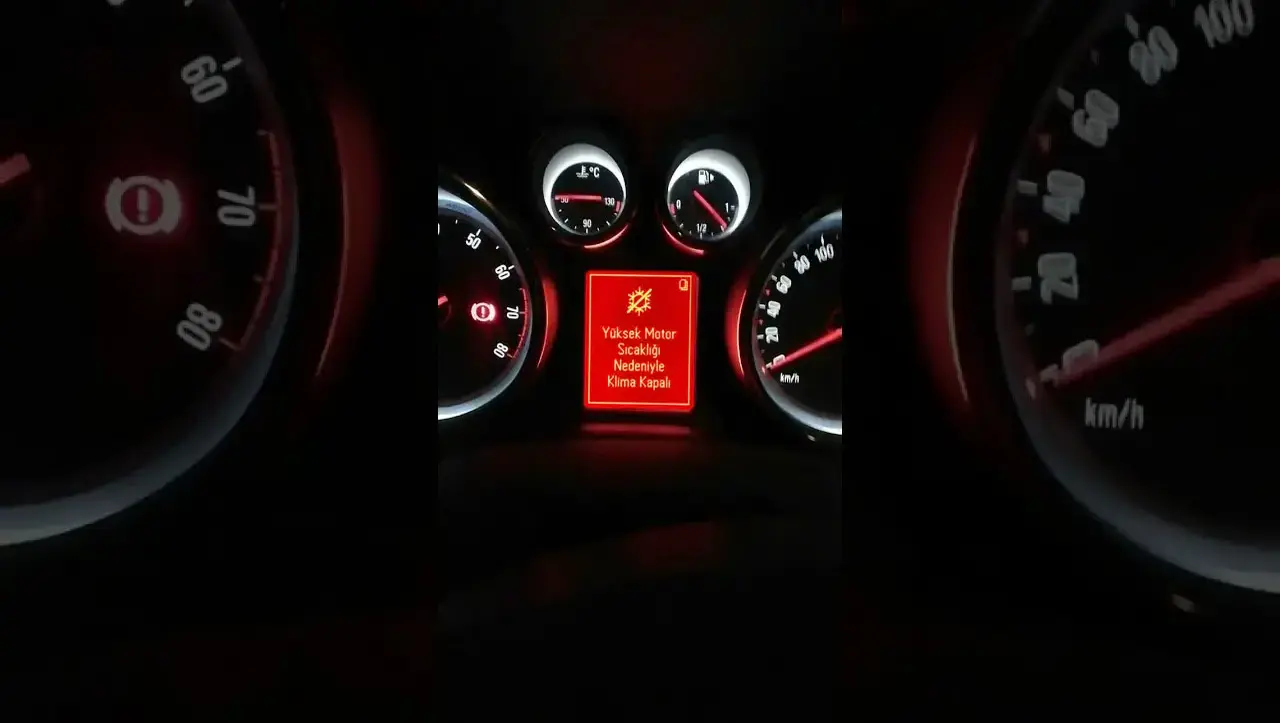
What Does “AC Off Due to High Engine Temperature” Mean?
Seeing the message “AC Off Due to High Engine Temperature” on your dashboard can be alarming, especially on a hot day when you need your air conditioning the most. Although it may seem like an air conditioning problem, this warning usually indicates that your engine is overheating or is close to overheating.
Modern vehicles are designed to protect the engine from severe damage. One of the ways they do this is by automatically turning off the air conditioning system to reduce the engine's workload and help it cool down.
In this guide, we'll explain what this warning means, why it appears, what causes it, and what you should do if you see it.
Why Does This Warning Appear?
Your vehicle's engine and air conditioning system are closely connected. The AC compressor is powered by the engine through a belt or an electric drive system, depending on the vehicle.
When the engine temperature rises beyond a safe limit, the engine control unit (ECU) may temporarily disable the air conditioning to:
-
Reduce engine load
-
Lower coolant temperature
-
Prevent further overheating
-
Protect critical engine components
In many vehicles, the air conditioner will automatically start working again once the engine temperature returns to a normal range.
What Causes High Engine Temperature?
Several issues can cause your engine to overheat.
Low Coolant Level
One of the most common reasons is low engine coolant.
Coolant absorbs heat from the engine and transfers it to the radiator, where it is released into the air. If the coolant level is too low, the engine cannot regulate its temperature properly.
Possible reasons include:
-
Coolant leaks
-
Evaporation over time
-
Poor maintenance
-
Damaged hoses or clamps
Always check the coolant level only after the engine has completely cooled.
Faulty Thermostat
The thermostat controls coolant flow between the engine and the radiator.
If it becomes stuck in the closed position:
-
Coolant cannot circulate properly.
-
Heat builds up rapidly.
-
Engine temperature rises quickly.
A failing thermostat is one of the most common causes of overheating.
Radiator Problems
The radiator is responsible for removing heat from the coolant.
Several issues may reduce its efficiency:
-
Dirt blocking airflow
-
Internal corrosion
-
Bent cooling fins
-
Coolant leaks
-
Clogged radiator passages
A blocked radiator cannot cool the engine effectively.
Cooling Fan Failure
When driving slowly or sitting in traffic, the radiator relies on electric cooling fans.
If the fan fails because of:
-
A faulty motor
-
A damaged relay
-
A blown fuse
-
Electrical wiring issues
engine temperatures can climb rapidly, especially during hot weather.
Water Pump Failure
The water pump circulates coolant throughout the cooling system.
If it fails:
-
Coolant circulation stops.
-
Heat builds up inside the engine.
-
Overheating occurs very quickly.
Common symptoms include coolant leaks, unusual noises, or overheating at all speeds.
Damaged Radiator Hoses
Old or damaged hoses may:
-
Leak coolant
-
Collapse internally
-
Restrict coolant flow
Even a small coolant leak can eventually trigger overheating.
Faulty Temperature Sensor
Sometimes the engine isn't actually overheating.
A defective coolant temperature sensor may send incorrect information to the ECU, causing the warning message to appear even when the engine temperature is normal.
Professional diagnostics can determine whether the sensor is faulty.
What Should You Do When This Warning Appears?
If you see "AC Off Due to High Engine Temperature", take the warning seriously.
Recommended steps:
-
Turn off the air conditioner immediately.
-
Reduce engine load by driving gently.
-
Watch the engine temperature gauge.
-
If the temperature continues rising, pull over safely.
-
Turn off the engine and allow it to cool completely.
-
Never remove the radiator cap while the engine is hot.
-
Check the coolant level after the engine cools.
-
If the warning remains, have the cooling system inspected by a qualified technician.
Ignoring an overheating engine can result in major mechanical damage.
Can You Continue Driving?
It depends on the engine temperature.
If:
-
the temperature gauge quickly returns to normal,
-
the warning disappears,
-
and there are no signs of coolant leaks,
you may be able to drive a short distance carefully to a repair facility.
However, if:
-
the temperature gauge enters the red zone,
-
steam comes from under the hood,
-
coolant is leaking,
-
or the warning remains active,
you should stop driving immediately.
Continuing to drive with an overheating engine can cause catastrophic engine failure.
What Damage Can Overheating Cause?
Repeated or severe overheating may damage several expensive engine components.
Potential consequences include:
-
Blown head gasket
-
Warped cylinder head
-
Cracked engine block
-
Damaged pistons
-
Engine bearing failure
-
Seized engine
These repairs can cost thousands of dollars and may even require complete engine replacement.
How to Prevent Engine Overheating
Routine maintenance significantly reduces the risk of overheating.
Good preventive practices include:
-
Check coolant levels regularly.
-
Replace coolant according to the manufacturer's schedule.
-
Inspect hoses for leaks or cracks.
-
Keep the radiator clean.
-
Make sure cooling fans operate correctly.
-
Replace worn thermostats promptly.
-
Repair coolant leaks as soon as they are discovered.
Preventive maintenance is almost always less expensive than repairing an overheated engine.
Frequently Asked Questions
Can low coolant cause the AC to turn off?
Yes. Low coolant is one of the most common reasons for engine overheating, which can automatically disable the air conditioning system.
Will the AC work again after the engine cools?
In many vehicles, yes. Once the engine returns to a safe operating temperature, the ECU usually allows the air conditioning to operate again. However, the underlying cooling system problem should still be repaired.
Is it safe to keep driving?
Only if the engine temperature quickly returns to normal and no other overheating symptoms are present. If the engine continues overheating, stop driving immediately.
Can a bad thermostat trigger this warning?
Yes. A thermostat stuck in the closed position prevents proper coolant circulation and is a common cause of engine overheating.
Final Thoughts
The "AC Off Due to High Engine Temperature" warning is not simply an air conditioning issue—it's your vehicle telling you that the engine is becoming dangerously hot.
Although the AC system is temporarily disabled to reduce engine load, the real problem lies within the cooling system. Low coolant, radiator issues, a failed thermostat, a faulty water pump, or cooling fan problems are among the most common causes.
Responding quickly to this warning can prevent severe engine damage and save you from costly repairs. If the warning appears repeatedly or the engine temperature continues to rise, have your vehicle inspected as soon as possible.