TR
TR EN
EN

DSG Transmission (Direct Shift Gearbox) Explained – How It Works, Pros and Cons
Automatic transmissions have evolved significantly over the past two decades, and one of the most well-known innovations is the DSG (Direct Shift Gearbox). Designed to combine the convenience of an automatic with the efficiency and responsiveness of a manual transmission, DSG technology is now used in millions of vehicles worldwide.
Its lightning-fast gear changes and improved fuel efficiency have made it a popular choice, especially in Volkswagen Group vehicles. However, like any transmission system, it has both strengths and weaknesses.
In this guide, we'll explain what a DSG transmission is, how it works, its different types, common advantages and disadvantages, and how to extend its lifespan.
What Is a DSG Transmission?
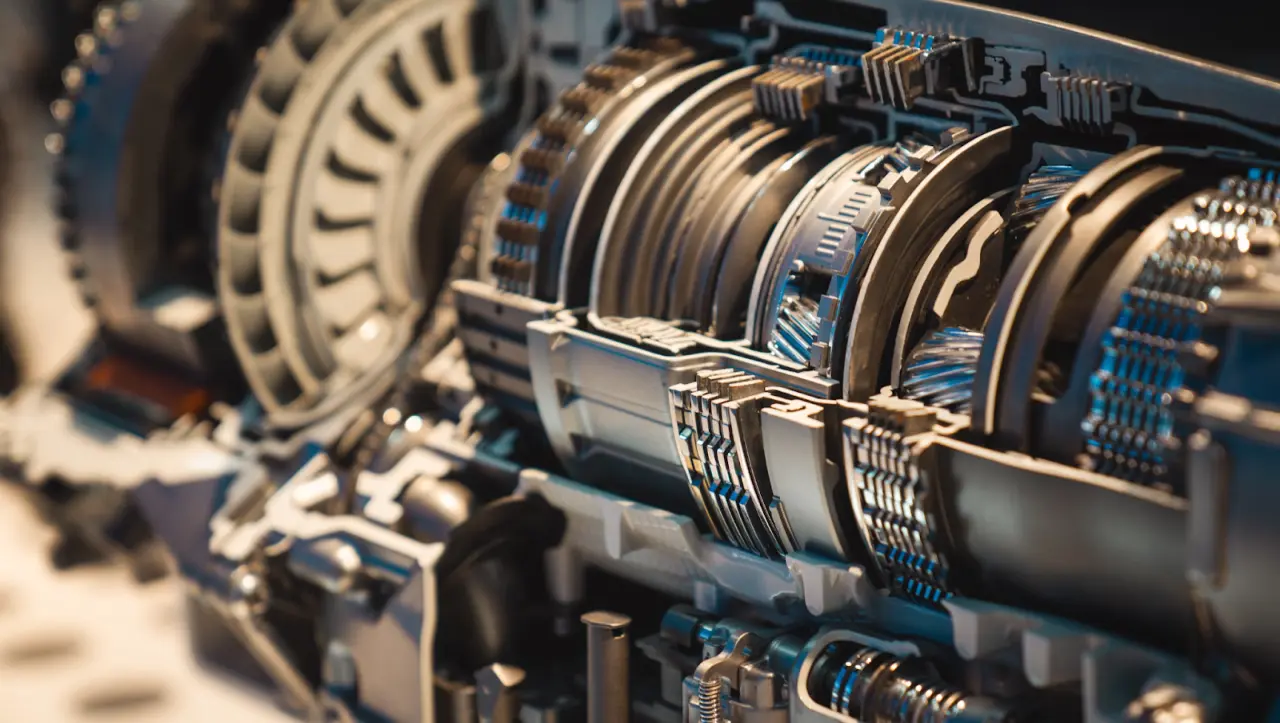
A DSG (Direct Shift Gearbox) is a dual-clutch automatic transmission. Unlike conventional automatic transmissions that use a torque converter, a DSG uses two separate clutches to pre-select the next gear before it is needed.
This design allows the transmission to shift gears extremely quickly while minimizing interruptions in power delivery.
Because of this, DSG transmissions offer:
-
Faster gear changes
-
Better acceleration
-
Improved fuel economy
-
A sportier driving experience
How Does a DSG Transmission Work?
The key feature of a DSG transmission is its dual-clutch design.
Instead of using one clutch, the system has two independent clutches:
-
One clutch controls the odd-numbered gears (1st, 3rd, 5th, 7th)
-
The other controls the even-numbered gears (2nd, 4th, 6th) and reverse
While one gear is actively transmitting power, the next gear is already engaged on the second shaft, waiting for the shift command.
For example:
-
The car is accelerating in 2nd gear
-
3rd gear is already pre-selected
-
When it's time to shift, one clutch disengages while the other engages almost instantly
The result is an exceptionally fast gear change with minimal loss of engine power.
Types of DSG Transmissions
Not all DSG transmissions are the same. There are two primary designs.
Dry-Clutch DSG
Dry-clutch systems are generally used in vehicles with lower engine torque.
Characteristics include:
-
Lighter weight
-
Better fuel economy
-
Lower manufacturing cost
-
Greater sensitivity to stop-and-go traffic
These transmissions typically require careful driving habits to maximize longevity.
Wet-Clutch DSG
Wet-clutch DSG transmissions use transmission oil to cool and lubricate the clutch packs.
Benefits include:
-
Better cooling
-
Higher torque capacity
-
Improved durability
-
Better performance under heavy loads
Wet-clutch systems are commonly found in more powerful vehicles and are generally considered more durable than dry-clutch versions.
Advantages of a DSG Transmission
DSG technology has become popular because it combines several important benefits.
Extremely Fast Gear Changes
Gear shifts occur in just milliseconds, providing smooth acceleration and improved performance.
This makes DSG transmissions particularly appealing for drivers who enjoy a responsive driving experience.
Improved Fuel Efficiency
Compared with many traditional automatic transmissions, DSG systems reduce energy losses during shifting.
This often results in:
-
Lower fuel consumption
-
Reduced emissions
-
Better highway efficiency
Sporty Driving Feel
Many DSG-equipped vehicles allow drivers to select manual mode using:
-
Paddle shifters
-
Gear selector
-
Sport driving mode
This provides more control without requiring a clutch pedal.
Continuous Power Delivery
Because the next gear is already prepared, acceleration feels more continuous than with many traditional automatics.
This is especially noticeable during rapid acceleration.
Disadvantages of a DSG Transmission
Despite its many advantages, DSG technology is not perfect.
Higher Mechanical Complexity
DSG systems contain numerous electronic and mechanical components, including:
-
Dual clutch assemblies
-
Hydraulic systems
-
Sensors
-
Mechatronic control units
This complexity can increase repair costs if problems occur.
Can Wear Faster in Heavy Traffic
Frequent stop-and-go driving places significant stress on the clutch system.
Drivers who spend long periods in urban traffic may experience:
-
Premature clutch wear
-
Shuddering during takeoff
-
Increased heat buildup
Repairs Can Be Expensive
Major DSG repairs often involve replacing components such as:
-
Clutch packs
-
Mechatronic units
-
Hydraulic assemblies
These repairs are generally more expensive than servicing conventional manual transmissions.
Common DSG Transmission Problems
Although many DSG transmissions provide years of reliable service, some common issues may develop over time.
Typical symptoms include:
-
Shuddering during acceleration
-
Rough gear changes
-
Delayed engagement
-
Gearbox warning lights
-
Transmission overheating
-
Hesitation when accelerating
-
Failure to select gears
Early diagnosis can often prevent more extensive damage.
What Causes DSG Transmission Problems?
Several factors contribute to DSG transmission wear.
The most common include:
-
Heavy stop-and-go traffic
-
Aggressive acceleration
-
Skipping scheduled maintenance
-
Overheating
-
Worn clutch packs
-
Mechatronic failures
-
Sensor malfunctions
-
Low or degraded transmission fluid (wet-clutch models)
How to Extend the Life of a DSG Transmission
Proper maintenance and driving habits can significantly improve DSG reliability.
Recommended practices include:
-
Follow the manufacturer's transmission service schedule.
-
Replace transmission fluid at the specified intervals (wet-clutch DSG models).
-
Avoid aggressive launches whenever possible.
-
Do not shift between Drive and Reverse until the vehicle has completely stopped.
-
Use the brake pedal rather than the accelerator to hold the vehicle on hills.
-
Avoid excessive creeping in heavy traffic.
-
Install software updates when recommended by the manufacturer.
-
Address warning lights immediately.
Which Vehicles Use DSG Transmissions?
DSG technology is widely used across the Volkswagen Group.
Common brands include:
-
Volkswagen
-
Audi
-
Škoda
-
SEAT
-
CUPRA
Other manufacturers also produce similar dual-clutch transmissions under different names, including:
-
Ford PowerShift
-
Porsche PDK
-
Mercedes-Benz DCT
-
Hyundai DCT
-
Kia DCT
-
BMW DCT (certain performance models)
Although they operate on similar principles, their designs and reliability can differ.
Is a DSG Transmission Reliable?
A DSG transmission can be highly reliable when:
-
It receives regular maintenance.
-
The correct transmission fluid is used where required.
-
The vehicle is driven appropriately.
-
Problems are addressed early.
Wet-clutch DSG transmissions generally have a stronger reputation for durability than dry-clutch versions, particularly in high-torque applications.
As with any transmission, reliability depends on maintenance, driving conditions, and the specific gearbox generation.
Should You Buy a Car with a DSG Transmission?
A DSG transmission can be an excellent choice if you value:
-
Quick acceleration
-
Smooth gear changes
-
Fuel efficiency
-
Sporty driving dynamics
However, buyers should also consider:
-
Maintenance history
-
Transmission type (wet or dry clutch)
-
Typical driving conditions
-
Potential repair costs after high mileage
For drivers who spend most of their time in heavy city traffic, a conventional torque-converter automatic may offer lower long-term maintenance demands.
Final Thoughts
The DSG transmission represents one of the most advanced automatic gearbox technologies available today. By combining dual-clutch engineering with intelligent electronic control, it delivers impressive performance, fast shifting, and excellent efficiency.
While it offers many advantages over traditional automatic transmissions, it also requires proper maintenance and sensible driving habits to achieve maximum longevity.
If you're considering buying a vehicle with a DSG transmission, understanding how it works—and how to care for it—will help you enjoy its performance while minimizing the risk of costly repairs.