TR
TR EN
EN

Why Does a Heavy-Duty Brake Chamber Fail? What Happens If It Fails?
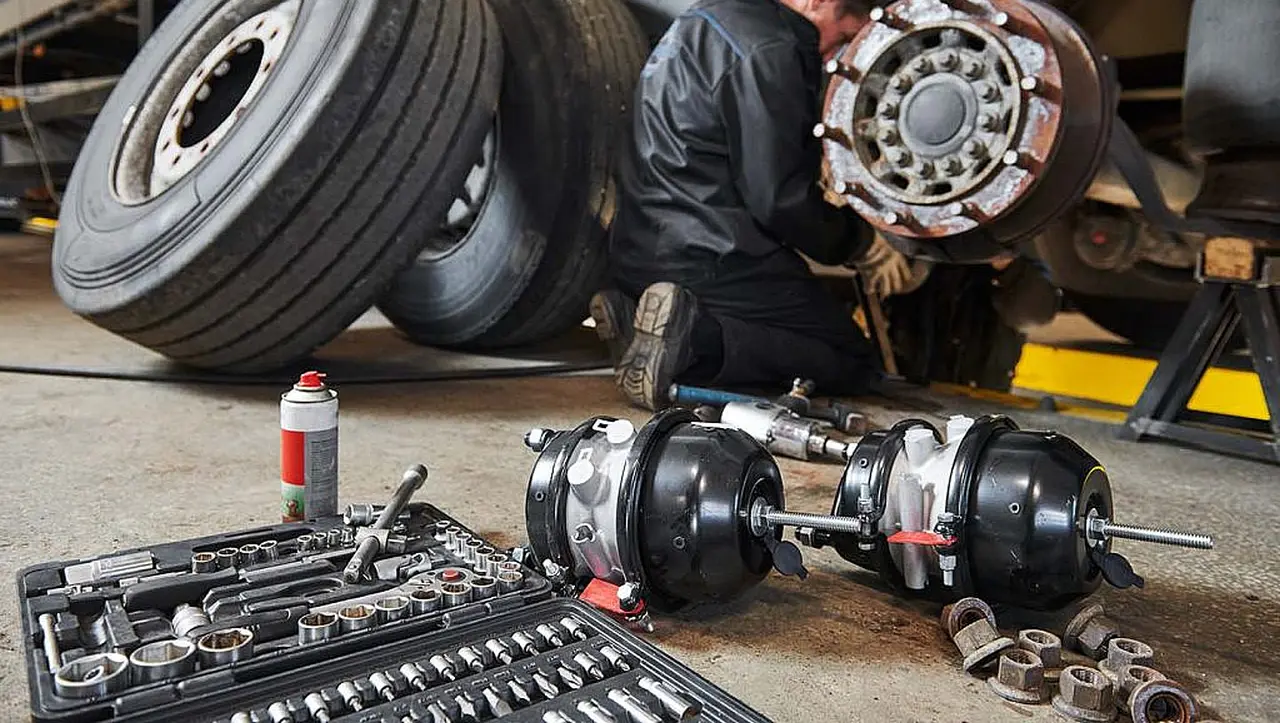
The brake chamber is one of the most critical components of the air brake system used in heavy-duty commercial vehicles such as semi-trucks, trucks, tractor units, and buses. It converts compressed air into mechanical braking force. If the brake chamber fails, braking performance can be significantly reduced, creating a serious safety risk. A ruptured brake chamber is a critical fault that should never be ignored.
So, why does a brake chamber fail, and what happens if it does?
What Is a Brake Chamber?
A brake chamber is:
-
A component used in an air brake system
-
Equipped with a flexible rubber diaphragm
Its function is to:
-
Convert compressed air into mechanical braking force
When the driver presses the brake pedal:
-
Compressed air enters the brake chamber
-
The diaphragm moves the brake mechanism to apply the brakes
Why Does a Brake Chamber Fail?
Over time, a brake chamber is exposed to:
-
Air pressure
-
Heat
-
Moisture
-
Heavy loads
These conditions can eventually lead to failure.
The most common causes include:
1. Aging and Diaphragm Deterioration
The diaphragm inside the brake chamber operates under constant air pressure.
Over time, it may:
-
Harden
-
Crack
-
Lose its flexibility
Eventually, the diaphragm may rupture.
2. Excessive Air Pressure
If the air brake system has:
-
A faulty valve
-
A malfunctioning pressure regulator
excessive air pressure can develop.
This may cause:
-
The brake chamber to over-expand
-
The diaphragm to tear
3. Water and Moisture in the Air System
Moisture that accumulates inside the air tanks can damage brake system components.
This is especially problematic because it can lead to:
-
Freezing during winter
-
Internal corrosion
Both of these conditions shorten the service life of the brake chamber.
4. Poor-Quality Replacement Parts
Low-quality or aftermarket brake chambers may:
-
Fail to withstand operating pressure
-
Crack or rupture much sooner than high-quality components
5. Continuous Heavy-Duty Operation
Vehicles that regularly carry heavy loads require the braking system to work harder.
As a result:
-
Brake chambers experience greater stress
-
Component wear accelerates
What Happens If a Brake Chamber Fails?
When a brake chamber fails, a major air leak develops within the air brake system.
This can result in:
-
Reduced braking performance
-
Rapid loss of air pressure
-
An illuminated brake warning light
Can the Vehicle Lose Braking Ability?
Yes.
If the air leak is severe:
-
Braking force may decrease significantly
In extreme cases:
-
The vehicle may not be able to stop safely
You May Hear Escaping Air
A failed brake chamber often produces:
-
A loud hissing sound caused by escaping compressed air
The noise is usually more noticeable:
-
While the brakes are being applied
Parking Brake Problems
In many heavy commercial vehicles:
-
The parking brake system is integrated with the brake chamber.
If the chamber fails:
-
The parking brake may not release
-
The vehicle may become immobilized
The Brake Pedal May Feel Different
A faulty brake chamber can cause:
-
A change in brake pedal feel
-
Delayed braking response
How Can You Tell If a Brake Chamber Has Failed?
Common warning signs include:
-
Continuous air leakage
-
Low air pressure
-
Brake warning light
-
Hissing air noise
-
Reduced braking performance
Can a Brake Chamber Be Repaired?
In most cases:
-
Complete replacement is recommended.
This is because the brake chamber is a critical safety component.
Temporary repairs may not provide reliable long-term performance.
Is Brake Chamber Replacement Difficult?
Yes.
Replacing a brake chamber on a heavy-duty commercial vehicle requires:
-
Professional tools
-
Proper safety procedures
Because the air brake system operates under high pressure, replacement should be carried out by a qualified technician or an authorized service center.
How Can Brake Chamber Failure Be Prevented?
Regular maintenance is essential.
The following inspections should be performed periodically:
-
Air tank draining
-
Air pressure checks
-
Air leak testing
-
Moisture control
Conclusion
The brake chamber is one of the most important components of an air brake system. Common causes of failure include:
-
Aging diaphragms
-
Excessive air pressure
-
Moisture contamination
-
Continuous heavy-duty operation
A failed brake chamber can lead to:
-
Air leaks
-
Reduced braking performance
-
Serious safety risks
For this reason, the entire air brake system should be inspected regularly, and any brake chamber problems should be repaired immediately to ensure safe vehicle operation.