TR
TR EN
EN

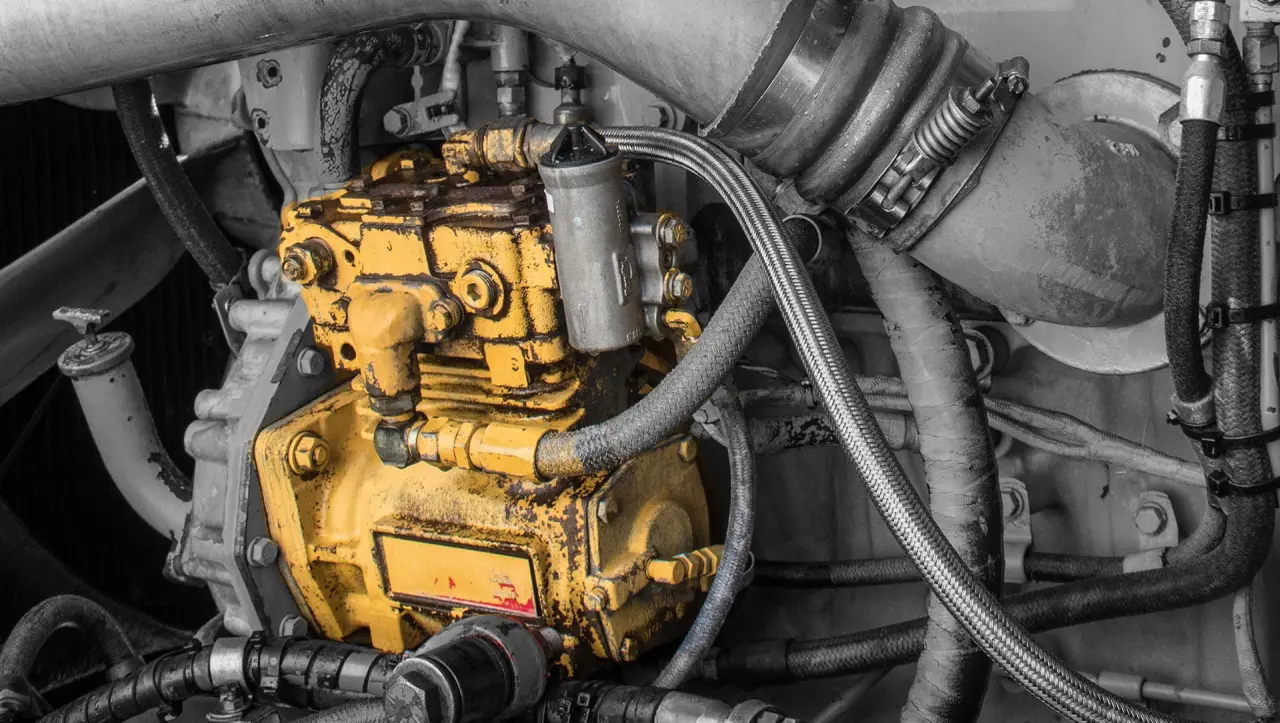
Air Compressor Failure Symptoms, Causes, and Solutions
The air compressor is one of the most important components of the air brake system in heavy commercial vehicles such as trucks, semi-trucks, tractor units, and buses. It generates the compressed air required for the braking system and other pneumatic components. When the air compressor fails, not only the braking system but also several other air-operated systems may malfunction. For this reason, air compressor failures are considered serious issues in heavy-duty vehicles.
So, what causes an air compressor to fail, what are the symptoms, and how can the problem be resolved?
What Does an Air Compressor Do?
The air compressor supplies compressed air to systems such as:
-
Air brake system
-
Air suspension
-
Air suspension bellows
-
Transmission system
-
Pneumatic door mechanisms
When the engine is running:
-
The compressor begins operating.
-
It fills the air reservoirs with compressed air.
Symptoms of an Air Compressor Failure
A faulty air compressor commonly shows the following symptoms:
-
Slow air pressure build-up
-
Constantly low air pressure
-
Brake warning light illuminated
-
Increased compressor noise
-
Continuous air pressure loss
-
Oil carryover
-
Failure to generate sufficient air pressure
Slow Air Pressure Build-Up
One of the most common symptoms is that the air tanks take much longer than normal to reach operating pressure.
If the vehicle is running but:
-
Air pressure rises very slowly,
the compressor may have lost efficiency.
What Causes an Air Compressor to Fail?
An air compressor can fail for several reasons.
1. Insufficient Lubrication
The compressor is a continuously operating mechanical component.
Poor lubrication may cause:
-
Internal wear
-
Piston damage
2. Overheating
Vehicles operating under heavy loads for extended periods may experience compressor overheating.
This can result in:
-
Damaged seals
-
Internal component wear
3. Continuous Operation Due to Air Leaks
If there is an air leak in the pneumatic system:
-
The compressor must run continuously.
This leads to:
-
Excessive wear
-
Reduced service life
4. Clogged Air Filter
A dirty air filter reduces compressor efficiency.
When the compressor cannot draw enough air:
-
Air pressure builds up more slowly.
5. Worn Compressor Piston Rings and Pistons
Over time:
-
Piston rings
-
Piston surfaces
may wear out.
As a result:
-
Air pressure output decreases.
6. Drive Belt Problems
Some compressor systems are belt-driven.
A loose or broken belt can:
-
Prevent the compressor from operating altogether.
Why Is the Air Compressor Passing Oil?
In some failure cases:
-
The compressor may send oil into the air tanks.
This can lead to:
-
Valve malfunctions
-
Problems within the braking system
Common causes include:
-
Worn piston rings
-
Damaged seals
Why Is the Air Compressor Making Noise?
If you hear:
-
Whistling
-
Knocking
-
Metal grinding noises
the following components should be inspected:
-
Bearings
-
Pistons
-
Internal bearing assemblies
Does an Air Compressor Failure Affect the Brakes?
Yes.
The air brake system relies entirely on the air pressure produced by the compressor.
Insufficient air pressure can:
-
Reduce braking performance
-
Trigger brake warning indicators
Can an Air Compressor Be Repaired?
Yes, in many cases.
A rebuild kit may be used to replace components such as:
-
Piston rings
-
Seals
-
Valves
-
Bearings
However, if the damage is extensive:
-
Complete compressor replacement may be necessary.
How Is an Air Compressor Maintained?
Regular maintenance is essential.
The following items should be inspected periodically:
-
Engine oil level
-
Air filter
-
Drive belt
-
Air leaks
-
Air tank drainage
Can Water in the Air Tank Damage the Compressor?
Yes.
Moisture accumulated in the pneumatic system can cause:
-
Corrosion
-
Internal wear
Therefore:
-
Air tanks should be drained regularly.
Conclusion
The air compressor is one of the most critical components in heavy commercial vehicles. Symptoms such as:
-
Slow air pressure build-up
-
Continuous air pressure loss
-
Brake warning lights
-
Unusual compressor noise
may indicate a compressor failure.
If the problem is not addressed promptly:
-
Brake system performance may decrease.
-
The vehicle may become a serious safety risk in traffic.
For this reason, the air compressor and the entire pneumatic system should be inspected and maintained regularly.