TR
TR EN
EN

What Is an EGR Valve? What Are the Symptoms of EGR Valve Failure?
The EGR valve is an important component of the exhaust emission control system used in many gasoline and diesel engines. EGR stands for Exhaust Gas Recirculation.
Its main purpose is to send a controlled amount of exhaust gas back into the engine's intake system. By replacing part of the fresh air with exhaust gas, the EGR system reduces combustion temperatures and helps decrease nitrogen oxide (NOx) emissions.
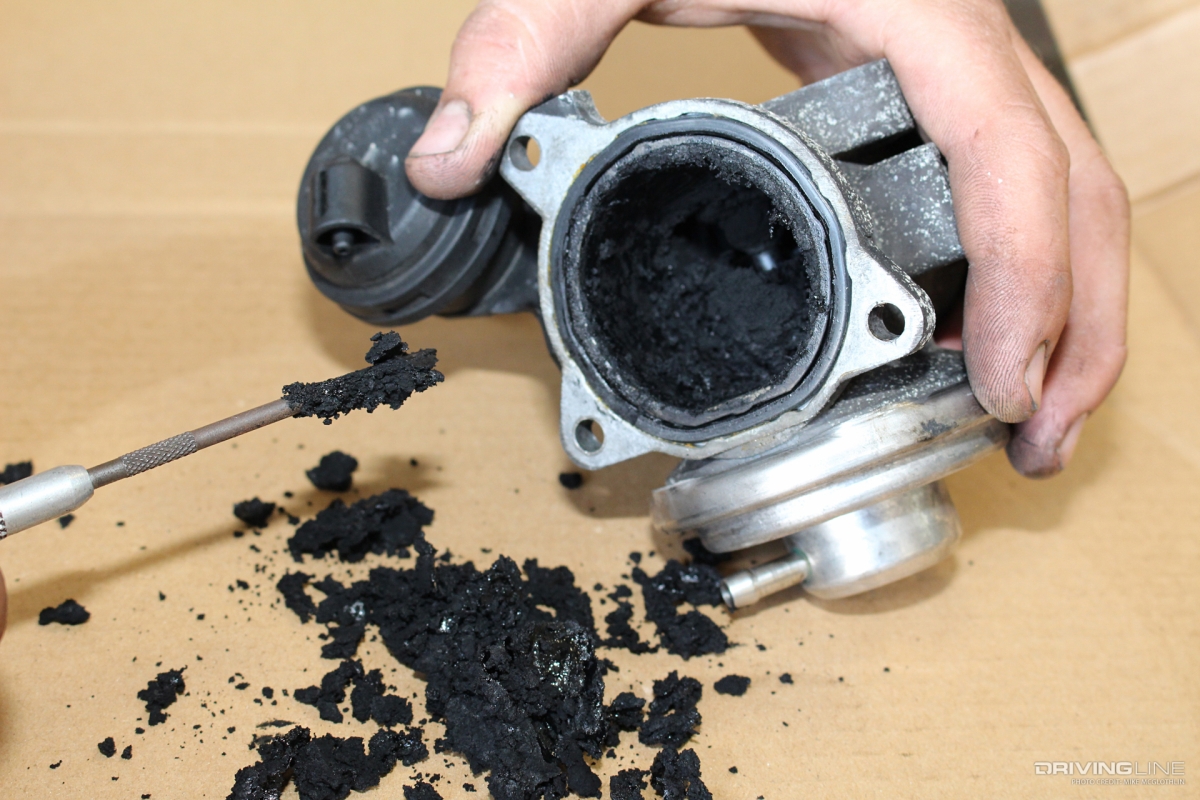
Over time, carbon deposits and soot can build up inside the EGR valve and its passages. The valve can become stuck open, stuck closed or respond incorrectly to ECU commands. When this happens, the engine may develop rough running, poor acceleration, increased fuel consumption and various warning lights.
What Does an EGR Valve Do?
During combustion, very high temperatures can cause nitrogen and oxygen in the combustion chamber to react and form nitrogen oxides.
The EGR system reduces this problem by routing a controlled amount of exhaust gas back into the intake.
Exhaust gas contains much less oxygen than fresh intake air. When a measured amount of exhaust gas enters the combustion chamber, it reduces the oxygen concentration and lowers peak combustion temperature.
This helps reduce NOx formation.
The EGR system therefore has an important role in balancing engine performance, fuel economy and emissions.
How Does the EGR Valve Work?
The EGR valve controls the amount of exhaust gas that is allowed to flow back into the intake system.
Depending on the engine, the valve may be:
-
Vacuum operated
-
Electrically controlled
-
Electronically controlled by the ECU
-
Integrated with an EGR cooler
-
Combined with position feedback sensors
Modern EGR systems are generally controlled electronically.
The ECU determines when the EGR valve should open and how much it should open based on information such as:
-
Engine speed
-
Engine load
-
Coolant temperature
-
Accelerator position
-
Intake air flow
-
Intake pressure
-
Exhaust conditions
The EGR valve is normally not required to remain open under every operating condition. The ECU adjusts its operation according to the engine's needs.
Where Is the EGR Valve Located?
The EGR valve is usually installed between the exhaust side of the engine and the intake system.
Its exact location varies considerably between engines.
It may be found:
-
Near the intake manifold
-
Near the exhaust manifold
-
Close to the turbocharger
-
On or near an EGR cooler
-
At the rear or side of the engine
-
Between the exhaust and intake systems
On some diesel engines, the EGR system can be relatively complex and may include an EGR cooler, bypass valve and several sensors.
What Are the Symptoms of EGR Valve Failure?
An EGR valve can fail mechanically or electrically. The symptoms depend on whether the valve is stuck open, stuck closed or responding incorrectly.
Rough or Unstable Idle
A rough idle is one of the common symptoms of an EGR valve that is stuck open.
At idle, the engine generally needs a carefully controlled amount of fresh air. If excessive exhaust gas enters the intake, combustion can become unstable.
The engine may:
-
Shake at idle
-
Run unevenly
-
Experience fluctuating RPM
-
Feel as though it may stall
-
Stall completely in severe cases
A rough idle can have many other causes, so the EGR valve should not be blamed without proper diagnosis.
Engine Stalling
If the EGR valve remains open when it should be closed, excessive exhaust gas can enter the engine during conditions where EGR flow is not appropriate.
This can make combustion unstable and may cause the engine to stall, particularly at idle or during deceleration.
Poor Acceleration
An EGR valve that does not operate correctly can affect engine response.
If the valve is stuck open, the engine may receive too much exhaust gas and not enough fresh air. This can result in:
-
Weak acceleration
-
Poor throttle response
-
Hesitation
-
Reduced engine power
On turbocharged diesel engines, EGR problems can also interfere with the balance between boost pressure and exhaust gas recirculation.
Reduced Engine Power
A severely contaminated or malfunctioning EGR system can cause noticeable power loss.
The ECU may detect that the commanded EGR position does not match the actual operating condition and may activate a protective strategy.
In some vehicles, this can result in reduced-power or limp mode operation.
Increased Fuel Consumption
A malfunctioning EGR system can affect the air-fuel balance and combustion process.
Depending on the type of failure, the vehicle may consume more fuel than normal.
However, increased fuel consumption can have many other causes, including faulty injectors, oxygen sensors, MAF sensors, thermostat problems and ignition issues.
Check Engine Light
A malfunctioning EGR valve can trigger the Check Engine Light.
The ECU may detect problems such as:
-
EGR flow too low
-
EGR flow too high
-
EGR position incorrect
-
EGR valve stuck
-
EGR circuit malfunction
-
EGR control problem
The exact diagnostic trouble code depends on the vehicle and engine management system.
Excessive Smoke From the Exhaust
An EGR problem can sometimes cause abnormal exhaust smoke, particularly on diesel engines.
A valve stuck open or a problem with the air-EGR balance can affect combustion and increase smoke production.
Black smoke may indicate excessive fuel or insufficient oxygen, while other types of smoke can have completely different causes.
Therefore, smoke color should be evaluated together with other symptoms.
Engine Hesitation
The engine may hesitate during acceleration if the EGR valve does not respond correctly.
For example, a valve that opens when it should remain closed can temporarily disrupt the air supply and combustion process.
The driver may feel:
-
Hesitation
-
Surging
-
Jerking
-
Delayed throttle response
EGR Valve Stuck Open
A stuck-open EGR valve is one of the more recognizable EGR problems.
Possible symptoms include:
-
Rough idle
-
Engine stalling
-
Poor acceleration
-
Hesitation
-
Reduced engine power
-
Difficult starting
-
Increased emissions
The exact symptoms depend on the engine and how the ECU manages EGR flow.
EGR Valve Stuck Closed
A stuck-closed EGR valve can produce a different set of symptoms.
Because exhaust gas is not being recirculated when required, combustion temperatures can increase and NOx emissions may rise.
The vehicle may also trigger an EGR-related fault code because the ECU detects insufficient EGR flow.
A stuck-closed valve may not always cause an obvious drivability problem, especially during normal driving.
Why Does an EGR Valve Fail?
The EGR system operates in a difficult environment because it is exposed to exhaust gases, high temperatures and, particularly on diesel engines, soot and carbon deposits.
Carbon and Soot Buildup
Carbon deposits are one of the most common causes of EGR problems.
Over time, soot and carbon can accumulate inside:
-
EGR valve
-
EGR passages
-
Intake manifold
-
EGR cooler
-
Related pipes
The deposits can restrict airflow or prevent the valve from moving freely.
Short-Distance Driving
Frequent short trips can contribute to deposit buildup, especially in diesel vehicles.
The engine may not reach optimal operating temperature for long enough, and the exhaust system may not operate under conditions that help reduce deposits.
Oil Vapor From the Crankcase Ventilation System
The intake system can contain oil vapor from the crankcase ventilation system.
When this oil vapor mixes with soot from the EGR system, sticky deposits can form inside the intake and EGR passages.
Over time, this buildup can restrict airflow and affect EGR operation.
Electrical Failure
Modern EGR valves can contain electric motors, position sensors and electronic control circuits.
An electrical failure can be caused by:
-
Damaged wiring
-
Corroded connectors
-
Failed position sensor
-
Internal motor failure
-
Short circuit
-
Open circuit
In these cases, cleaning the valve may not solve the problem.
EGR Cooler Problems
Some modern diesel engines use an EGR cooler to reduce the temperature of exhaust gas before it is recirculated into the intake.
A blocked, damaged or leaking EGR cooler can create additional problems.
Depending on the failure, the engine may experience coolant loss, abnormal smoke or EGR-related fault codes.
How Is an EGR Valve Diagnosed?
Proper diagnosis should begin with an OBD-II scan.
The ECU can provide fault codes that point toward an EGR flow or control problem.
However, an EGR fault code does not automatically mean that the valve itself must be replaced.
A technician may also inspect:
-
EGR valve movement
-
EGR position sensor data
-
Electrical wiring
-
Connectors
-
Vacuum lines on vacuum-operated systems
-
EGR passages
-
Intake manifold deposits
-
MAF sensor readings
-
Intake pressure
-
EGR cooler condition
On electronically controlled systems, commanded EGR position can be compared with actual position using live diagnostic data.
Can an EGR Valve Be Cleaned?
In many cases, an EGR valve can be cleaned if the main problem is carbon or soot buildup.
The valve may be removed and inspected for deposits.
If deposits are preventing the valve from moving correctly, cleaning may restore normal operation.
However, cleaning is not a solution for every EGR fault.
If the electric motor, position sensor or internal mechanism is damaged, the valve may need to be replaced.
The intake passages and other parts of the EGR system may also need cleaning if they are heavily restricted.
Does an EGR Delete Solve EGR Problems?
Removing or disabling the EGR system may appear to eliminate some EGR-related symptoms, but it is not a proper solution for a road vehicle.
An EGR system is part of the vehicle's emissions control system. Disabling it can increase NOx emissions and may cause emissions-related diagnostic faults.
Depending on local regulations, modifying or disabling emissions equipment may also make the vehicle illegal for road use or cause inspection problems.
The correct approach is to diagnose and repair the EGR system rather than simply disabling it.
Can You Drive With a Bad EGR Valve?
It depends on the severity of the fault.
A vehicle with a minor EGR problem may continue to run for some time, but driving with the problem unresolved can lead to worsening deposits, poor combustion and additional emissions-system problems.
If the engine has severe power loss, stalling, excessive smoke or enters limp mode, the vehicle should be inspected promptly.
Ignoring an EGR problem for a long period can also cause other components to become contaminated or stressed.
EGR Valve Replacement
If cleaning does not restore proper operation or the valve has an electrical or mechanical failure, replacement may be necessary.
During replacement, the technician should also inspect the associated EGR passages and connectors.
Simply installing a new valve without checking the rest of the system may not solve the problem if the intake or EGR passages are heavily restricted.
After replacement, the fault codes should be cleared and the EGR system should be tested to confirm that the valve responds correctly.
Some vehicles may also require an EGR adaptation or relearn procedure after installation.
How Can EGR Problems Be Prevented?
Regular maintenance can help reduce the risk of EGR-related problems.
Useful practices include:
-
Use the correct engine oil specification.
-
Change the engine oil and filter at the recommended intervals.
-
Avoid using low-quality fuel.
-
Allow the engine to reach normal operating temperature.
-
Avoid using a diesel vehicle exclusively for very short trips.
-
Investigate Check Engine Light warnings promptly.
-
Keep the intake and EGR system clean when required.
-
Follow the manufacturer's maintenance schedule.
EGR Valve Failure Should Not Be Diagnosed by Symptoms Alone
An EGR valve can cause several different symptoms, but most of these symptoms can also be caused by other engine problems.
Rough idle, poor acceleration, smoke, increased fuel consumption and loss of power can also be related to the MAF sensor, MAP sensor, injectors, turbocharger, intake leaks, ignition system or other components.
For this reason, an EGR valve should not automatically be replaced simply because the vehicle has poor performance or an EGR-related warning light.
The best approach is to read the stored fault codes, inspect the EGR system, check its electrical or vacuum control, evaluate live data and determine whether the valve is actually opening and closing as commanded.
A clean and properly functioning EGR system helps maintain the intended balance between engine performance and emissions, while a stuck or malfunctioning valve can create noticeable drivability problems and increased emissions.