TR
TR EN
EN

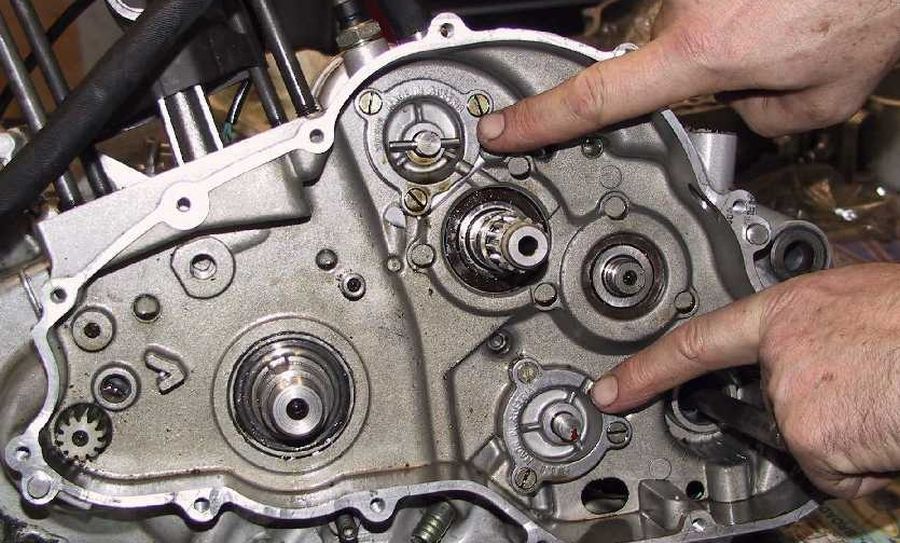
What Is an Oil Pump? What Are the Symptoms of Oil Pump Failure?
The oil pump is one of the most important components of an engine's lubrication system. Its main job is to circulate engine oil under pressure so that critical internal engine components receive the lubrication they need.
Without sufficient oil circulation and pressure, components such as crankshaft bearings, connecting rod bearings, camshafts and hydraulic valve components can suffer severe wear. In turbocharged engines, inadequate oil pressure can also damage the turbocharger.
An oil pump itself is generally a durable component, but it can wear out or become affected by problems elsewhere in the lubrication system. When oil pressure drops, the engine can be damaged very quickly.
What Does an Oil Pump Do?
The oil pump draws oil from the engine's oil pan through the oil pickup system and pushes it through the engine's lubrication passages.
The basic process is:
Oil pan → pickup tube and strainer → oil pump → oil filter → engine oil passages → lubricated components
Depending on the engine design, the oil may also pass through an oil cooler before reaching certain components.
The oil pump does not simply move oil around the engine. It must provide sufficient flow and pressure under different operating conditions, including:
-
Cold starts
-
Hot idle
-
High engine speed
-
Heavy engine load
-
Low engine speed
-
Cold and hot oil conditions
Where Is the Oil Pump Located?
The location depends on the engine design.
Many conventional engines have the oil pump mounted inside the lower part of the engine, close to the oil pan. Some pumps are driven directly by the crankshaft, while others are driven by a chain, gear or another mechanical mechanism.
Some modern engines use more sophisticated oil pump systems, including variable-displacement pumps. These can adjust oil flow according to engine speed and load to improve efficiency.
How Does an Oil Pump Work?
When the engine starts, the oil pump begins rotating.
It draws oil from the oil pan through the pickup tube. The pump then forces the oil into the engine's lubrication passages.
Oil is distributed to areas such as:
-
Crankshaft bearings
-
Connecting rod bearings
-
Camshaft bearings
-
Valve train components
-
Hydraulic lifters
-
Variable valve timing components
-
Turbocharger bearings
-
Other internally lubricated components
After passing through the engine, the oil eventually returns to the oil pan and the cycle continues.
What Are the Symptoms of Oil Pump Failure?
An oil pump problem does not always produce the same symptoms. The most important clue is usually a loss of oil pressure.
Low Oil Pressure Warning Light
The oil pressure warning light is one of the most important signs of a possible oil pump problem.
If the oil pressure drops below the expected level, the oil pressure switch or sensor can trigger the warning light.
The light may:
-
Stay on continuously
-
Come on at idle
-
Flicker intermittently
-
Appear when the engine is hot
-
Appear during braking or cornering
However, an illuminated oil pressure warning light does not automatically mean the oil pump has failed. Low oil level, worn bearings, a blocked pickup screen, an incorrect oil filter, excessive engine wear or a faulty pressure sensor can produce similar symptoms.
Oil Pressure Light Comes On at Hot Idle
This is a particularly important symptom.
The oil pressure may be acceptable when the engine is cold but fall too low when the engine reaches operating temperature.
Because hot engine oil becomes less viscous, a worn oil pump or excessive internal engine clearance can cause oil pressure to fall significantly at idle.
The warning light may then disappear when the engine speed increases.
This symptom should not be ignored.
Ticking or Knocking Noises From the Engine
Insufficient oil pressure can prevent certain engine components from receiving adequate lubrication.
Depending on which components are affected, the engine may develop:
-
Ticking sounds
-
Tapping noises
-
Rattling
-
Knocking
-
Increased mechanical noise
Hydraulic lifters may become noisy when they do not receive enough oil pressure.
More serious knocking can indicate inadequate lubrication of crankshaft or connecting rod bearings.
Engine Overheating
Engine oil does more than lubricate moving components. It also helps carry heat away from various internal engine parts.
If oil circulation is significantly reduced, friction and heat can increase.
In severe cases, inadequate oil circulation may contribute to excessive engine temperatures or localized overheating.
However, an overheating engine has many possible causes, so the oil pump should not be blamed without proper testing.
Increased Engine Wear
A weak or failing oil pump can gradually reduce lubrication quality.
The engine may continue to run for some time while internal wear increases.
Possible consequences include wear to:
-
Main bearings
-
Connecting rod bearings
-
Camshafts
-
Hydraulic lifters
-
Timing components
-
Turbocharger bearings
This is one reason why oil pressure problems should be addressed before obvious engine damage occurs.
Reduced Engine Performance
In some modern engines, insufficient oil pressure can affect systems that rely on engine oil pressure.
For example, variable valve timing systems may not operate correctly if the required oil pressure is unavailable.
This can lead to:
-
Poor acceleration
-
Reduced engine response
-
Rough running
-
Reduced fuel economy
-
Engine fault codes
Therefore, a lubrication problem can sometimes appear to be an electronic or variable valve timing problem.
Check Engine Light
Some modern engines monitor oil pressure electronically.
If the ECU detects a pressure value that does not correspond to expected operating conditions, it may store a diagnostic trouble code and illuminate the Check Engine Light.
The exact code depends on the vehicle and engine management system.
Oil Pump Failure Can Cause Turbocharger Problems
Turbocharged engines are particularly dependent on proper oil circulation.
The turbocharger shaft can rotate at extremely high speeds, and its bearings require an adequate supply of clean engine oil.
If oil pressure is too low, the turbocharger may develop:
-
Increased shaft play
-
Bearing wear
-
Unusual whining sounds
-
Oil leakage
-
Reduced boost pressure
-
Excessive exhaust smoke
A turbocharger problem can therefore sometimes be related to an underlying lubrication problem rather than the turbocharger itself.
What Causes an Oil Pump to Fail?
Oil pumps can fail for several different reasons.
Normal wear
The internal components of the pump can wear over time. As clearances increase, the pump may become less effective at maintaining the required pressure.
Low engine oil level
Driving with insufficient engine oil can create serious lubrication problems.
If the oil level becomes too low, the pump may not receive a sufficient supply of oil, especially during acceleration, braking or cornering.
Blocked oil pickup
The oil pickup tube and strainer can become restricted by sludge, deposits or debris.
A partially blocked pickup can prevent the pump from receiving enough oil.
Dirty or sludged engine oil
Long oil-change intervals or incorrect oil can contribute to sludge formation.
Severe sludge can restrict oil passages and interfere with the oil pump and pickup system.
Incorrect engine oil
Using oil with the wrong viscosity can affect lubrication and oil pressure.
The correct oil specification should always be based on the manufacturer's requirements rather than simply choosing a viscosity that appears suitable.
Damaged oil pump drive
The pump may be mechanically healthy but fail to operate correctly if its drive mechanism is damaged.
Depending on the engine, the pump may be driven by:
-
Chain
-
Gear
-
Shaft
-
Crankshaft mechanism
A failure in this drive system can result in a sudden loss of oil pressure.
Can a Bad Oil Pump Damage the Engine?
Yes. A serious oil pump problem can cause severe engine damage.
If the engine loses sufficient oil pressure, critical components may operate with inadequate lubrication.
Continued operation can result in:
-
Bearing damage
-
Crankshaft damage
-
Camshaft wear
-
Piston and cylinder damage
-
Timing component damage
-
Turbocharger failure
-
Complete engine seizure
In extreme cases, an engine can seize because of oil starvation.
How Is an Oil Pump Tested?
Replacing the oil pump immediately is not always the correct approach.
The first step is to determine whether the engine actually has low oil pressure.
The oil level should be checked first. The condition and specification of the engine oil should also be considered.
The most reliable way to confirm oil pressure is to use a mechanical oil pressure gauge.
A technician can connect the gauge to the engine's oil pressure port and measure pressure at different engine speeds and temperatures.
The measured values should then be compared with the manufacturer's specifications.
If the mechanical pressure is normal but the dashboard reports low oil pressure, the oil pressure sensor or switch and its wiring become possible suspects.
If the mechanical pressure is genuinely low, the technician should investigate the entire lubrication system rather than automatically replacing the pump.
Low Oil Pressure Does Not Always Mean a Bad Oil Pump
This is an important distinction.
Low oil pressure can be caused by:
-
Low engine oil level
-
Incorrect oil viscosity
-
Blocked oil pickup
-
Blocked oil passages
-
Incorrect oil filter
-
Worn engine bearings
-
Excessive internal engine clearance
-
Faulty oil pressure sensor
-
Damaged oil pump
-
Oil pump drive failure
For this reason, a low-pressure warning should be diagnosed systematically.
Is It Safe to Drive With Low Oil Pressure?
If the red oil pressure warning light remains on while the engine is running, continuing to drive is risky.
The safest approach is to stop the engine as soon as it is safe to do so and check the engine oil level.
If the oil level is normal but the warning remains on, the vehicle should be inspected rather than driven normally.
Driving even a short distance with genuinely low oil pressure can turn a relatively manageable lubrication problem into major engine damage.
Oil Pump Replacement
Oil pump replacement can be a relatively major repair depending on the engine design.
On some engines, the pump can be accessed after removing the oil pan. On others, considerably more disassembly may be necessary.
During the repair, it is important to inspect the rest of the lubrication system as well.
A proper repair may include checking:
-
Oil pickup tube
-
Pickup strainer
-
Oil pan
-
Oil passages
-
Oil filter
-
Oil pressure sensor
-
Pump drive mechanism
-
Internal engine clearances
Simply installing a new oil pump without finding why the original system lost pressure may not solve the underlying problem.
How Can Oil Pump Problems Be Prevented?
Regular engine maintenance is one of the best ways to protect the lubrication system.
Important practices include:
-
Use the correct engine oil specification.
-
Change the oil at the recommended intervals.
-
Replace the oil filter with a suitable-quality filter.
-
Check the oil level regularly.
-
Investigate oil leaks promptly.
-
Avoid driving with a low oil level.
-
Do not ignore an oil pressure warning.
-
Use the correct oil viscosity for the engine and operating conditions.
Final Check Before Replacing the Oil Pump
An oil pump is a critical part of the engine, but it should not automatically be blamed whenever the oil pressure warning light comes on.
The correct diagnostic process is to first verify the oil level and oil condition, inspect the lubrication system and measure actual oil pressure.
If the measured oil pressure is genuinely below specification, the technician should determine whether the cause is the oil pump, pickup system, engine wear or another lubrication problem.
If the actual oil pressure is normal, attention should instead turn toward the oil pressure sensor, switch, wiring or dashboard/ECU monitoring system.
A persistent oil pressure warning should always be treated seriously because the difference between a sensor problem and genuine oil starvation can mean the difference between a simple repair and major engine damage.