TR
TR EN
EN

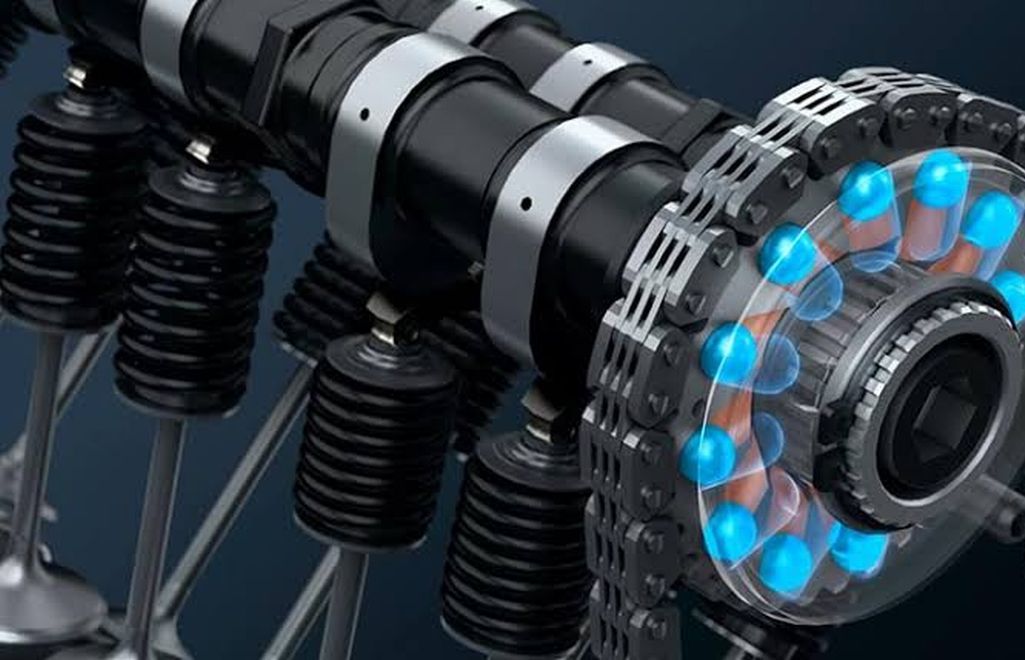
What Is Engine Timing? How Is Engine Timing Set?
Engine timing, commonly called timing alignment, refers to correctly synchronizing the crankshaft, camshaft, and in some engines the fuel injection system so that the engine's valves and pistons operate at the correct positions.
Timing is critical because the crankshaft controls piston movement while the camshaft controls the opening and closing of the valves. These components must remain synchronized throughout the engine's operating cycle.
If the timing is incorrectly set, the engine may run poorly, fail to start, lose power, or in interference engines, suffer serious internal damage.
What Does Engine Timing Mean?
A four-stroke engine completes its operating cycle through four stages:
-
Intake
-
Compression
-
Power
-
Exhaust
During these stages, the pistons move up and down while the camshaft opens and closes the intake and exhaust valves.
The crankshaft and camshaft must rotate in a precisely defined relationship.
In a typical four-stroke engine:
-
The crankshaft completes two rotations.
-
The camshaft completes one rotation.
This 2:1 relationship allows the valves to operate at the correct time relative to piston position.
Timing is therefore not simply about putting a belt or chain back into place. The engine must be positioned at the correct reference points before the timing components are installed and tensioned.
Timing Belt and Timing Chain
Depending on the engine design, the camshaft may be driven by a timing belt or a timing chain.
A timing belt is made from reinforced rubber and uses toothed engagement with the crankshaft and camshaft sprockets.
A timing chain uses metal links and sprockets.
Both systems perform the same basic job: maintaining synchronization between the crankshaft and camshaft.
Some engines also use additional components driven by the timing system, such as:
-
High-pressure fuel pumps
-
Balance shafts
-
Oil pumps
-
Additional camshafts
This means the exact timing procedure can vary significantly between engines.
Why Is Correct Timing So Important?
The valves and pistons operate extremely close to each other.
At the wrong timing position, a valve can remain open while a piston is moving upward. On an interference engine, this can cause the piston to contact the valve.
The consequences can include:
-
Bent valves
-
Damaged valve guides
-
Damaged pistons
-
Broken rocker arms or followers
-
Cylinder-head damage
-
Severe engine damage
Even a timing error that does not cause immediate mechanical contact can significantly affect engine operation.
What Happens When Engine Timing Is Incorrect?
The symptoms depend on how far the timing has shifted.
If the timing is slightly incorrect, the engine may still start and run but may have:
-
Reduced engine power
-
Poor throttle response
-
Rough idle
-
Increased fuel consumption
-
Difficult starting
-
Engine vibration
-
Poor acceleration
-
Check engine light
-
Emissions problems
If the timing is significantly incorrect, the engine may:
-
Fail to start
-
Backfire
-
Run extremely roughly
-
Stall immediately
-
Produce abnormal mechanical noises
If the timing belt or chain has completely lost synchronization, the engine may stop running altogether.
What Is TDC?
One of the most important concepts when setting engine timing is Top Dead Center (TDC).
TDC is the position where a piston reaches the highest point of its travel inside the cylinder.
For timing procedures, technicians normally use a specific cylinder—often cylinder number one—as the reference cylinder.
However, simply bringing the crankshaft to a visible TDC mark is not always sufficient. Some engines have multiple reference marks or require a specific crankshaft position.
The manufacturer's timing procedure should therefore be followed exactly.
How Is Engine Timing Set?
The general procedure is similar across many engines, but the exact marks, locking tools, torque specifications, and sequence are engine-specific.
A typical timing procedure involves the following steps.
1. Identify the Engine's Timing Procedure
Before removing anything, the exact engine code should be identified.
The technician needs to know:
-
Timing belt or chain configuration
-
Timing marks
-
Crankshaft reference position
-
Camshaft reference positions
-
Required locking tools
-
Tensioner procedure
-
Torque specifications
-
Whether special procedures are required for variable valve timing
This is particularly important with modern engines because timing marks and locking methods are not universal.
2. Disconnect the Battery When Appropriate
Depending on the vehicle and repair procedure, the battery may be disconnected before mechanical work begins.
This is not what establishes engine timing, but it can prevent unwanted electrical operation while components are being removed.
The manufacturer's service procedure should be followed.
3. Remove the Necessary Covers
The technician must gain access to the timing system.
Depending on the engine, this may require removing:
-
Engine covers
-
Auxiliary drive components
-
Timing covers
-
Engine mounts
-
Crankshaft pulley
-
Other components blocking access
Some engines require considerably more disassembly than others.
4. Rotate the Engine to the Correct Position
The crankshaft is manually rotated to the specified reference position.
This is normally done using the crankshaft pulley or an appropriate tool.
The engine should be rotated in the direction specified by the manufacturer.
The crankshaft should not be forced by turning the camshaft sprockets unless the service procedure specifically permits it.
5. Align the Crankshaft Timing Mark
The crankshaft is positioned according to the manufacturer's reference mark or locking position.
Depending on the engine, the reference may be located on:
-
Crankshaft pulley
-
Crankshaft sprocket
-
Flywheel
-
Transmission housing
-
Engine block
Some engines require a dedicated crankshaft locking pin rather than relying only on painted or visual marks.
6. Align the Camshaft Marks
The camshaft or camshafts are then positioned according to the specified timing marks.
A modern DOHC engine may have separate marks for:
-
Intake camshaft
-
Exhaust camshaft
Variable valve timing systems can make this step more complicated.
Some engines require camshaft locking tools to hold the camshafts in their exact positions.
7. Install the Timing Belt or Chain
Once the crankshaft and camshafts are correctly positioned, the timing belt or chain is installed.
The correct routing is essential.
The belt or chain must engage every required sprocket without changing the position of the crankshaft or camshaft.
The tension side of the belt is particularly important because incorrect slack can result in timing being different after the tensioner is released.
8. Set the Tensioner Correctly
The timing tensioner must be adjusted according to the manufacturer's procedure.
Depending on the design, it may be:
-
Manual
-
Hydraulic
-
Automatic
-
Spring-loaded
Incorrect tension can cause serious problems.
Too little tension can allow the belt or chain to jump.
Too much tension can accelerate wear on:
-
Belt
-
Chain
-
Bearings
-
Idler pulleys
-
Water pump
-
Tensioner
9. Rotate the Engine by Hand
This is one of the most important checks after timing installation.
The crankshaft is normally rotated manually through at least two complete crankshaft revolutions.
This allows the camshafts to complete one complete revolution and returns the engine to the reference position.
The technician then checks the timing marks again.
If the marks no longer align as specified, the timing procedure must be corrected before starting the engine.
10. Check the Timing Again
After manually rotating the engine, the crankshaft and camshaft positions are checked again.
This step is important because a belt or chain can move slightly during installation or tensioner activation.
A correct installation should leave the timing in the manufacturer's specified position.
What Are Timing Locking Tools?
Many modern engines use special tools to lock the crankshaft and camshaft in their correct positions.
These tools may include:
-
Crankshaft locking pins
-
Camshaft locking plates
-
Camshaft alignment tools
-
Flywheel locking tools
They are particularly useful because relying only on painted marks can introduce errors.
Special locking tools are often essential when replacing a timing belt or chain on engines where the factory procedure specifies them.
Is Setting Timing the Same on Every Engine?
No.
This is an important point.
There is no universal timing procedure that can safely be applied to every engine.
Some engines have:
-
One camshaft
-
Two camshafts
-
Four camshafts
-
Variable valve timing
-
Variable valve lift
-
Variable camshaft phasing
-
Timing chains with multiple guides
-
Multiple timing chains
-
Balance shafts
-
High-pressure fuel pumps driven by the timing system
Therefore, the exact engine code and manufacturer's service information are essential.
What Is Variable Valve Timing?
Modern engines often use variable valve timing systems to change camshaft timing while the engine is running.
Examples include systems using:
-
Camshaft phasers
-
Oil-control valves
-
Variable valve timing solenoids
This allows the engine control system to optimize valve timing according to engine speed, load, temperature, and other conditions.
As a result, a technician must distinguish between mechanical base timing and electronically controlled camshaft adjustment.
A mechanical timing error cannot normally be corrected simply by using a diagnostic scanner.
Can Engine Timing Be Set With a Diagnostic Scanner?
A diagnostic scanner can monitor camshaft and crankshaft synchronization, but it generally cannot replace the mechanical timing procedure.
A scanner may show:
-
Camshaft position
-
Crankshaft position
-
Synchronization status
-
Camshaft adjustment angle
-
Related fault codes
Codes such as P0016, P0017, P0018, or P0019 can indicate a camshaft/crankshaft correlation problem.
However, these codes do not automatically mean that the timing belt or chain is incorrectly installed.
Possible causes include:
-
Incorrect mechanical timing
-
Stretched timing chain
-
Faulty camshaft position sensor
-
Faulty crankshaft position sensor
-
Variable valve timing actuator problem
-
Oil-pressure problems
-
Wiring faults
-
Incorrect oil specification
-
Damaged timing components
How Can Incorrect Timing Be Diagnosed?
A technician may use several methods.
Visual inspection
Timing marks and component positions can be checked according to the manufacturer's procedure.
Scan-tool data
Camshaft and crankshaft synchronization values can provide important information.
Compression testing
Incorrect valve timing can cause low or uneven compression across cylinders.
Leak-down testing
A leak-down test can help determine whether valves, piston rings, or other components are responsible for compression loss.
Oscilloscope testing
An oscilloscope can compare crankshaft and camshaft sensor signals. This is particularly useful when diagnosing correlation problems on modern engines.
What Causes Engine Timing to Go Out of Alignment?
Timing does not normally change by itself in a healthy engine.
Common causes include:
-
Incorrect timing-belt installation
-
Incorrect timing-chain installation
-
Worn timing chain
-
Failed tensioner
-
Broken chain guide
-
Damaged timing belt
-
Excessive belt wear
-
Camshaft or crankshaft sprocket problems
-
Variable valve timing actuator failure
-
Incorrect repair procedures
A timing belt that has jumped one or more teeth can cause the engine to become badly out of synchronization.
Can a Timing Belt Jump a Tooth?
Yes.
A timing belt can jump one or more teeth if belt tension is incorrect or another component fails.
Possible causes include:
-
Weak tensioner
-
Worn belt
-
Damaged idler pulley
-
Water pump bearing failure
-
Oil contamination
-
Incorrect belt installation
-
Sudden mechanical resistance
A timing chain can also skip teeth under certain failure conditions.
If this happens on an interference engine, valve-to-piston contact may occur.
What Happens If Timing Is One Tooth Off?
A single-tooth timing error can produce noticeable changes in engine operation.
Depending on the engine, symptoms may include:
-
Difficult starting
-
Rough idle
-
Reduced power
-
Poor acceleration
-
Increased fuel consumption
-
Misfires
-
Check engine light
-
Camshaft/crankshaft correlation codes
The engine may still run, which can make this problem easy to overlook.
However, operating an engine with incorrect timing is not recommended.
What Happens If Timing Is Completely Wrong?
If the camshaft and crankshaft relationship is significantly incorrect, the engine may not start at all.
The starter may turn the engine, but combustion may not occur because the valves and ignition/injection events are no longer synchronized correctly.
On an interference engine, repeated attempts to start the engine can potentially worsen mechanical damage if valve-to-piston contact is occurring.
Does Timing Affect Ignition and Fuel Injection?
Yes, but this depends on the engine design.
On older engines, ignition timing could be mechanically adjusted using a distributor.
Modern engines generally do not have a mechanically adjustable ignition timing setting in the traditional sense.
Instead, the ECU determines ignition and injection timing using information from sensors such as:
-
Crankshaft position sensor
-
Camshaft position sensor
-
Engine coolant temperature sensor
-
Airflow or manifold pressure sensors
-
Throttle position
-
Knock sensor
-
Accelerator position
Mechanical camshaft timing still establishes the fundamental relationship between piston and valve operation.
Timing Adjustment on Older Engines
Older engines with distributors may have a separate ignition timing adjustment.
A timing light can be used to check the ignition timing against the manufacturer's specification.
This is different from setting the mechanical timing between the crankshaft and camshaft.
Modern engines generally calculate ignition timing electronically, so the procedure is different.
What Tools Are Needed?
The required tools depend on the engine, but timing work may require:
-
Socket set
-
Torque wrench
-
Crankshaft turning tool
-
Timing locking tools
-
Camshaft locking tools
-
Flywheel locking tool
-
Timing belt tension gauge where specified
-
Diagnostic scanner
-
Service information
Using the correct torque specifications is especially important for crankshaft pulleys, camshaft sprockets, tensioners, and other timing components.
Should You Set Engine Timing Yourself?
For an experienced technician with the correct service information and locking tools, timing work can be performed safely.
For someone without experience, however, this is not a good repair to approach by trial and error.
The most important reason is that a small mechanical error can cause major engine damage.
The exact procedure should always be based on the specific engine rather than a generic timing-mark method.
Timing Belt Replacement and Timing Adjustment
When a timing belt is replaced, the timing should be checked as part of the replacement procedure.
It is often sensible to replace related components at the same time, depending on the manufacturer's maintenance schedule and engine design.
These may include:
-
Timing belt
-
Tensioner
-
Idler pulleys
-
Water pump
-
Seals when necessary
Replacing only the belt while leaving severely worn tensioners or pulleys can create another failure.
Final Thoughts
Engine timing is the precise synchronization between the crankshaft and camshaft, with additional timing relationships involved in some engine designs.
Correct timing ensures that the valves open and close at the correct moments relative to piston movement. On modern engines, electronic systems also coordinate ignition, fuel injection, and variable valve timing around this mechanical foundation.
Setting timing is not simply a matter of lining up two marks. The correct procedure may require the engine to be positioned at a specific reference point, locking tools to be used, the tensioner to be set correctly, and the engine to be rotated manually before starting.
Because the procedure varies considerably between engines, the exact engine code and manufacturer service procedure should always be used when setting or checking engine timing.