TR
TR EN
EN

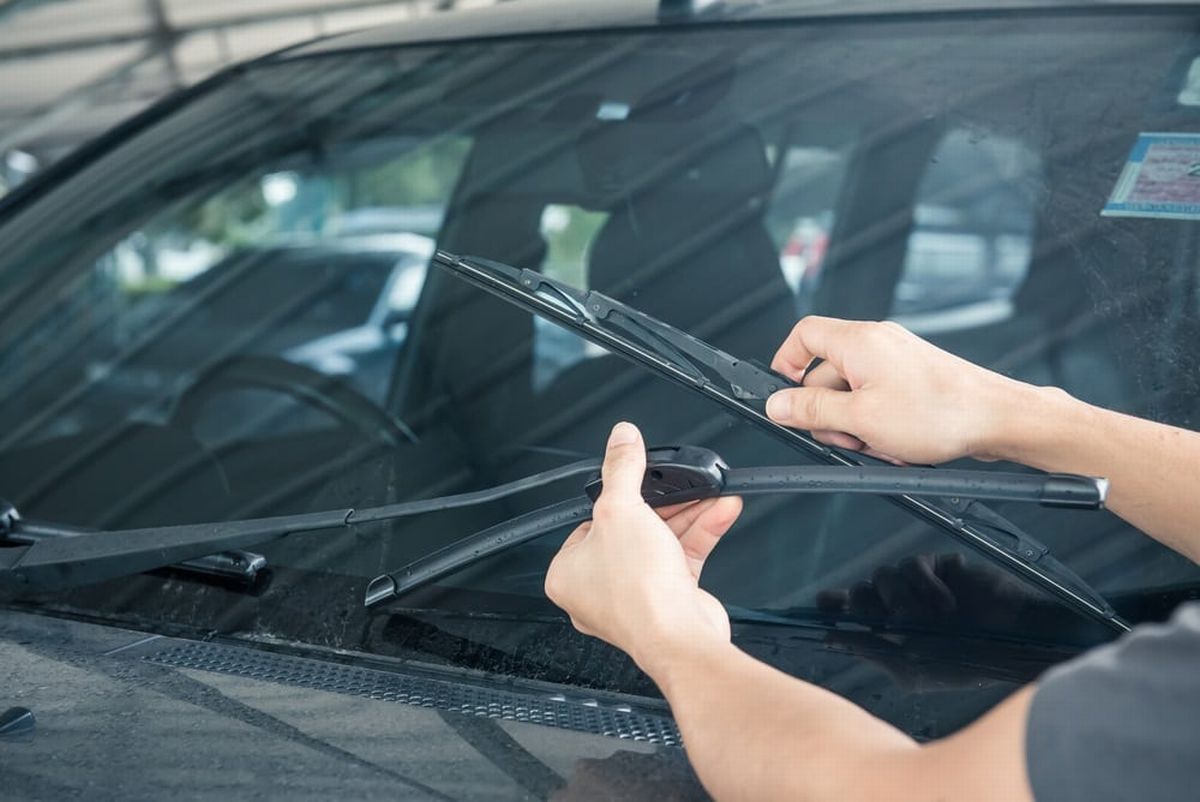
Information About Car Windshield Wipers
Windshield wipers are one of the simplest components on a vehicle, but they play a critical role in driving safety. Their main purpose is to remove rain, snow, water, dirt, dust, insects, and other contaminants from the windshield so the driver can maintain a clear view of the road.
A worn or damaged wiper may seem like a minor maintenance issue, but poor visibility during heavy rain can significantly increase driving risk. For this reason, windshield wipers should be inspected regularly and replaced when their performance begins to deteriorate.
What Are Windshield Wipers?
Windshield wipers are mechanical and rubber-based components designed to clean the windshield.
A typical wiper system consists of several parts:
-
Wiper blades
-
Rubber wiping elements
-
Wiper arms
-
Wiper motor
-
Linkage mechanism
-
Wiper switch or electronic control
-
Windshield washer system
The wiper motor provides the movement, while the linkage transfers this movement to the wiper arms. The rubber blade then presses against the windshield and removes water and contaminants.
How Do Windshield Wipers Work?

When the driver activates the wipers, the electrical system supplies power to the wiper motor.

The motor rotates a small crank mechanism. This rotational movement is converted into the back-and-forth movement required by the wiper arms through the linkage.
The wiper arm moves the blade across the windshield while applying pressure to the glass. The flexible rubber element follows the curvature of the windshield and pushes water and dirt away from the driver's field of vision.
Most vehicles provide several operating modes, such as:
-
Intermittent wiping
-
Low-speed wiping
-
High-speed wiping
-
Single-wipe operation
-
Automatic rain-sensing operation on equipped vehicles
What Is a Windshield Wiper Blade?
The wiper blade is the part that actually contacts the windshield.
It generally consists of a flexible rubber or synthetic wiping element mounted inside a supporting frame or integrated into a beam-style structure.
The blade must maintain consistent contact with the glass. If the rubber becomes hard, cracked, deformed, or contaminated, it can no longer remove water properly.
This is why a wiper system can continue to operate mechanically while still providing poor wiping performance.
Types of Windshield Wipers
There are several different windshield wiper designs.
Conventional frame wipers
These blades use a metal or composite frame with several pressure points. The structure distributes pressure across the rubber element.
They are widely used and are generally affordable.
Beam-style wipers
Beam blades have a more integrated design without the traditional multiple-joint frame.
Their flexible structure distributes pressure more evenly across the windshield and can provide good performance in heavy rain and winter conditions.
Hybrid wipers
Hybrid blades combine characteristics of conventional and beam-style designs. They typically have a supporting frame covered by an aerodynamic outer structure.
Rear windshield wipers
Hatchbacks, SUVs, station wagons, and some other vehicles use a separate rear wiper.
The rear glass has a different shape and wiping area, so rear blades are not interchangeable with front blades in most cases.
What Are the Signs of Worn Windshield Wipers?
Wiper blades gradually deteriorate with age and exposure to the environment.
Common warning signs include:
Streaks on the windshield
If water is left behind in multiple lines after wiping, the rubber element may be worn, hardened, or damaged.
Skipping
A blade that jumps across the windshield instead of maintaining smooth contact may have lost its flexibility or may not be applying consistent pressure.
Chattering or squeaking
A noisy blade can indicate hardened rubber, contamination, incorrect blade pressure, or a damaged wiping element.
Unwiped areas
If sections of the windshield remain wet after several wiping cycles, the blade may be deformed or damaged.
Smearing
Instead of removing water, a deteriorated blade may spread it across the glass. This can become particularly dangerous at night when headlights create reflections through the remaining water film.
Visible cracks or tears
Inspect the rubber element periodically. Cracks, splits, missing sections, and deformation are clear indications that replacement is necessary.
Why Do Windshield Wipers Wear Out?
Wiper blades operate in a particularly demanding environment.
The rubber is exposed to:
-
Sunlight
-
Ultraviolet radiation
-
Heat
-
Cold temperatures
-
Rain
-
Snow and ice
-
Road dust
-
Oil and grease
-
Windshield washer chemicals
-
Dirt and insects
UV radiation and heat gradually cause the rubber to harden and lose flexibility.
Winter conditions can also damage the blade. If the rubber freezes against the windshield and the wipers are switched on before the ice is removed, the blade can tear or the wiper mechanism can be overloaded.
How Often Should Windshield Wipers Be Replaced?
There is no single replacement interval that applies to every vehicle.
In many cases, windshield wipers are replaced approximately every 6 to 12 months, but their actual lifespan depends heavily on climate, parking conditions, usage, and blade quality.
A vehicle parked outside in strong sunlight may require more frequent replacement than a vehicle kept in a garage.
Rather than replacing wipers strictly according to a calendar, their actual condition and wiping performance should be considered.
How Does Hot Weather Affect Wiper Blades?
High temperatures can accelerate rubber deterioration.
When a vehicle is parked under direct sunlight, the windshield can become extremely hot. Repeated exposure to this heat causes the rubber to harden and lose its ability to conform properly to the windshield.
UV radiation can also accelerate cracking and surface deterioration.
This is one reason vehicles that spend most of their time outdoors may need more frequent wiper replacement.
How Does Winter Affect Windshield Wipers?
Cold weather creates several problems for wiper blades.
Ice can freeze the rubber to the windshield. Operating the wipers while they are frozen can damage the blade and place excessive load on the wiper motor and linkage.
Snow and ice should therefore be removed from the windshield before operating the wipers.
Using the wipers to clear heavy snow is also not recommended. The additional resistance can overload the mechanism.
What Happens If You Use Wipers on a Dry Windshield?
Wipers are primarily designed to operate on a wet or properly lubricated windshield.
Using them repeatedly on dry glass increases friction between the rubber and the windshield. This can cause:
-
Faster blade wear
-
Increased noise
-
Reduced wiping quality
-
Additional load on the wiper motor
-
Increased risk of scratching the glass if abrasive dirt is present
If the windshield is dusty or dirty, using the washer system first is usually preferable.
What Is the Windshield Washer System?
The windshield washer system works together with the wipers to improve cleaning performance.
It generally consists of:
-
Washer fluid reservoir
-
Washer pump
-
Fluid hoses
-
Spray nozzles
-
Wiper control system
When the driver activates the washer system, the pump sends fluid through the hoses to the spray nozzles. The fluid is sprayed onto the windshield, after which the wipers remove the loosened dirt and water.
A functioning washer system is particularly important when the windshield becomes contaminated with dust, insects, mud, or road salt.
Why Should Proper Washer Fluid Be Used?
Windshield washer fluid is designed specifically for use with the washer system.
It helps remove dirt and insects while providing appropriate lubrication for the wiper blades.
Using plain water may be acceptable in some situations, but it does not provide the same cleaning performance and may freeze in cold weather.
Household detergents or unsuitable chemicals should generally be avoided because they can produce excessive foam, leave residue, damage components, or affect visibility.
What Causes Windshield Wipers to Stop Working?
Sometimes the problem is not the blade itself. The entire wiper mechanism can malfunction.
Possible causes include:
-
Failed wiper motor
-
Blown fuse
-
Faulty wiper relay
-
Damaged wiring
-
Faulty wiper switch
-
Failed body control module
-
Seized linkage
-
Loose wiper arm connection
-
Frozen wiper mechanism
-
Electrical connector problems
If the wipers do not move at all, replacing the blades will obviously not solve the problem. The electrical and mechanical system must be diagnosed.
What Causes Wipers to Move Slowly?
Slow wipers can have several causes.
A weak or failing wiper motor can reduce operating speed. However, increased mechanical resistance can produce a similar symptom.
Possible causes include:
-
Seized or partially seized linkage
-
Dry linkage joints
-
Corrosion
-
Damaged wiper arms
-
Excessive resistance at the blade
-
Low electrical voltage
-
Weak motor
-
Wiring or connector resistance
If the wipers suddenly become much slower than normal, the problem should be investigated rather than simply replacing the blades.
Why Do Wipers Leave a Haze or Film?
A greasy or hazy windshield can be caused by contaminated glass or deteriorated wiper rubber.
Oil, road grime, wax, silicone-based products, insects, and other contaminants can accumulate on the windshield.
Old wiper blades can also deposit rubber residue onto the glass.
Cleaning the windshield thoroughly and replacing contaminated or worn blades can often improve the situation.
If the haze remains, the windshield itself may require more intensive cleaning.
Can Bad Wipers Damage the Windshield?
Normally, a worn rubber blade does not damage the glass simply because it is old.
However, if the blade becomes severely damaged and its supporting structure allows metal or another hard component to contact the windshield, scratching can occur.
Abrasive dirt trapped between the blade and glass can also create fine scratches over time.
For this reason, visibly damaged blades should not be ignored.
How Should Windshield Wipers Be Maintained?
Basic maintenance can significantly extend blade life.
Clean the windshield regularly
A clean windshield reduces the amount of dirt passing under the wiper blade.
Clean the rubber elements
Wipe the rubber blade gently with a clean, damp cloth to remove dust and accumulated residue.
Do not operate frozen blades
Remove ice from the windshield before activating the wipers.
Use suitable washer fluid
Proper washer fluid improves cleaning and reduces friction.
Inspect the blades
Look for cracks, tears, hardened sections, deformation, or separation of the rubber.
Check the wiper arms
The arm should apply consistent pressure to the windshield. A bent or damaged arm can cause poor wiping even with a new blade.
How Do You Choose the Correct Wiper Blade?
Wiper blades are not universal.
The correct blade depends on several factors, including:
-
Vehicle make and model
-
Model year
-
Driver-side blade length
-
Passenger-side blade length
-
Rear blade size
-
Wiper arm connector type
-
Manufacturer specifications
The driver and passenger-side blades may have different lengths.
Using an incorrect blade can result in poor windshield coverage, interference between the blades, or contact with surrounding trim.
Should Both Front Wiper Blades Be Replaced Together?
In most cases, replacing both front wiper blades at the same time is a good practice.
The two blades normally experience similar environmental conditions and operating cycles. If one blade is significantly worn, the other is often approaching the end of its useful life as well.
Replacing them together also ensures consistent wiping performance across the windshield.
Are More Expensive Wiper Blades Better?
Price alone does not determine quality.
A high-quality blade should provide:
-
Consistent windshield contact
-
Smooth movement
-
Good water removal
-
Resistance to UV exposure
-
Good flexibility
-
Proper fit
-
Long-term durability
A premium blade that does not fit the vehicle correctly can perform worse than a properly fitted standard-quality blade.
Correct dimensions and connector compatibility are essential.
What Is an Automatic Rain-Sensing Wiper System?
Many modern vehicles use rain sensors to control the windshield wipers automatically.
A rain sensor is commonly mounted near the top portion of the windshield, often around the rear-view mirror area.
The system detects water or changes in optical reflection on the windshield and sends information to the vehicle's electronic control system.
Depending on the amount of detected rain, the system can automatically adjust:
-
Wiper activation
-
Wiping frequency
-
Wiper speed
This allows the driver to concentrate more on the road without constantly adjusting the wiper control.
Windshield Wipers and Driving Safety
Good windshield visibility is essential in rain, snow, and other difficult weather conditions.
Worn wipers can create streaks and reflections that become particularly problematic at night. Oncoming headlights and street lighting can make a wet or smeared windshield much harder to see through.
For this reason, windshield wipers should be considered a safety component rather than merely an accessory.
Final Thoughts
Windshield wipers are simple components, but they have a direct impact on visibility and driving safety.
Regular inspection of the blades, proper windshield cleaning, suitable washer fluid, and timely replacement can prevent many visibility problems.
If the blades leave streaks, skip across the glass, make unusual noises, smear water, or leave sections of the windshield unwiped, they should be inspected and usually replaced.
If the wipers do not move, operate very slowly, stop intermittently, or behave unpredictably, the problem may be related to the motor, fuse, wiring, switch, linkage, or electronic control system rather than the blades themselves.
Keeping the entire wiper system in good condition ensures that the windshield remains as clear as possible when visibility is most important.