TR
TR EN
EN

What Is an Alternator and How Does It Work? What Are the Symptoms of Alternator Failure?
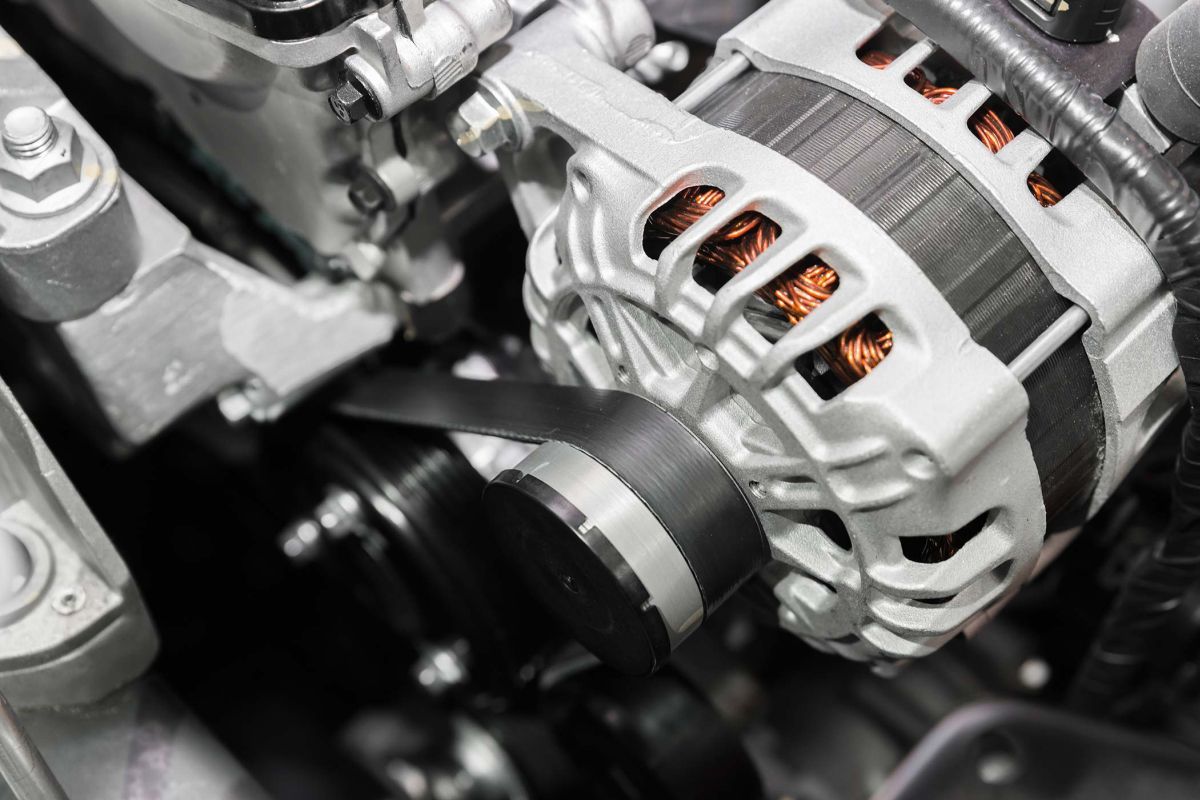
The alternator is one of the most important components of a vehicle’s electrical and charging system. Its primary job is to generate electrical energy while the engine is running and supply power to the vehicle’s electrical systems while keeping the battery charged.
Although the battery provides electrical power when the engine is starting or when the engine is off, the alternator takes over most of the electrical load once the engine is running.
A problem with the alternator can therefore affect many different systems, from the headlights and dashboard to the engine control system and starting system.
What Does an Alternator Do?
The alternator performs two main functions:
-
It generates electrical power while the engine is running.
-
It recharges the battery.
When the engine is started, the battery supplies the initial electrical energy required by the starter motor and engine control systems.
Once the engine starts, the alternator begins producing electricity. This electricity is used to operate systems such as:
-
Headlights
-
Interior lighting
-
Air conditioning
-
Cooling fans
-
Fuel pump
-
Engine control unit
-
Infotainment system
-
Heated seats
-
Electric windows
-
Wipers
-
Sensors and control modules
At the same time, the alternator supplies current to the battery so that it can recover the energy used during starting.
How Does an Alternator Work?
The alternator converts mechanical energy from the engine into electrical energy.
It is driven by a belt connected to the engine crankshaft.
As the crankshaft rotates, the belt turns the alternator pulley. Inside the alternator, a rotating magnetic field interacts with stationary windings to generate electrical current.
The basic process is:
-
The engine rotates the alternator through the drive belt.
-
The alternator's rotor creates a rotating magnetic field.
-
This magnetic field passes through the stator windings.
-
Electrical current is generated in the stator.
-
The generated AC electricity is converted into DC electricity by rectifier diodes.
-
The voltage regulator controls the charging voltage.
-
Electrical power is supplied to the vehicle and battery.
This process happens continuously while the engine is running.

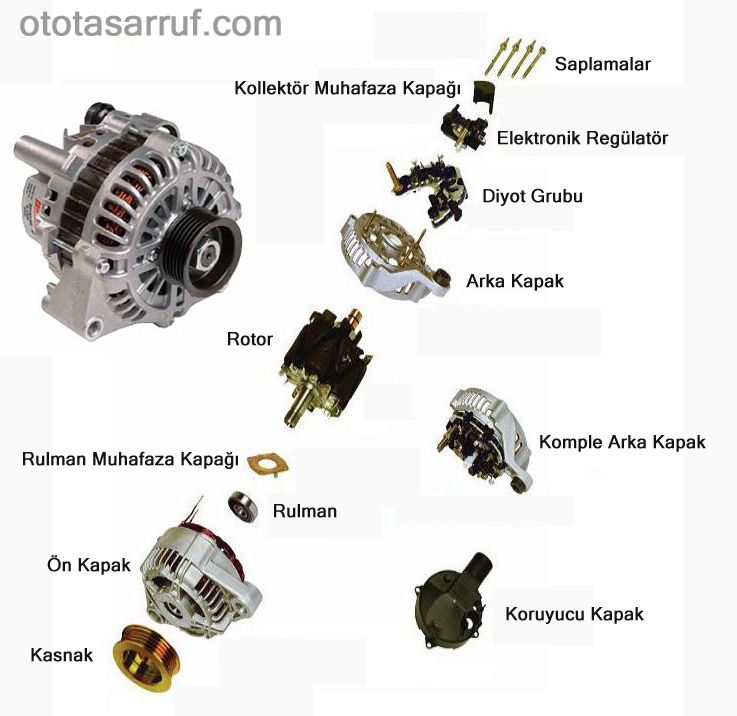
What Are the Main Parts of an Alternator?
Although alternator designs vary between vehicles, most contain several important components.
Rotor
The rotor is the rotating component that produces the magnetic field.
Stator
The stator consists of stationary windings surrounding the rotor. Electrical current is generated in these windings as the magnetic field rotates.
Rectifier
The alternator naturally produces alternating current (AC), but the vehicle's electrical system requires direct current (DC).
The rectifier uses diodes to convert AC into DC.
Voltage Regulator
The voltage regulator controls the alternator's output so that the electrical system receives an appropriate charging voltage.
Modern vehicles may use electronically controlled charging systems in which the ECU or another control module communicates with the alternator.
Pulley
The pulley transfers rotational movement from the engine's drive belt to the alternator.
Some vehicles use a decoupler pulley or overrunning alternator pulley, which helps reduce belt vibration and improves smoothness.
Bearings
Bearings allow the rotor shaft to rotate smoothly.
Worn bearings can produce characteristic noises.
Brushes and Slip Rings
Traditional alternators use brushes and slip rings to transfer electrical current to the rotating rotor. These components can wear over time.
What Is the Difference Between an Alternator and a Battery?
The battery and alternator have different jobs.
The battery stores electrical energy and supplies it when needed.
The alternator generates electrical energy while the engine is running.
The battery is particularly important during:
-
Engine starting
-
Engine-off electrical operation
-
Temporary high electrical loads
The alternator becomes the primary electrical power source once the engine is running.
A weak battery and a failing alternator can produce similar symptoms, which is why the charging system should be tested before replacing parts.
What Are the Symptoms of Alternator Failure?
An alternator can fail gradually or suddenly.
Common symptoms include:
-
Battery warning light
-
Dim headlights
-
Flickering lights
-
Weak electrical accessories
-
Difficulty starting the engine
-
Repeatedly discharged battery
-
Unusual noises from the alternator
-
Electrical system warnings
-
Engine stalling
-
Burning smell
-
Unstable electrical operation
-
Various warning lights appearing simultaneously
The symptoms depend on whether the alternator has completely stopped charging or is producing insufficient, excessive, or unstable voltage.
Battery Warning Light
One of the most recognizable signs of charging-system problems is the battery warning light on the dashboard.
Despite its name, this light does not necessarily mean that the battery itself is defective.
It often indicates a problem with the vehicle's charging system.
Possible causes include:
-
Alternator failure
-
Voltage regulator failure
-
Drive belt problems
-
Wiring problems
-
Poor electrical connections
-
Charging-system control faults
If the battery warning light remains illuminated while the engine is running, the charging system should be checked.
Dim or Flickering Headlights
A failing alternator may not produce stable electrical voltage.
This can cause the headlights to become:
-
Dimmer than normal
-
Brighter than normal
-
Flickering
-
Changing brightness when engine speed changes
Electrical accessories may show similar behavior.
For example, dashboard lighting may fluctuate when the engine is idling or when a large electrical load is switched on.
Repeatedly Dead Battery
A battery that repeatedly becomes discharged can be a sign of alternator failure.
The alternator may be producing insufficient current to recharge the battery during normal driving.
However, a repeatedly discharged battery does not automatically mean the alternator is defective.
Other possible causes include:
-
Old battery
-
Parasitic electrical drain
-
Loose battery terminals
-
Corroded connections
-
Short circuits
-
Damaged wiring
Both the battery and charging system should therefore be tested.
Difficulty Starting the Engine
If the alternator does not properly recharge the battery, the battery can gradually lose its charge.
The vehicle may initially start normally, but after several days or multiple starts, the starter motor may become slower.
Eventually, you may hear:
-
Slow cranking
-
Clicking from the starter system
-
Repeated clicking
-
No starter operation
The alternator may therefore indirectly cause starting problems by failing to maintain battery charge.
Alternator Noise
Mechanical problems inside the alternator can produce unusual sounds.
Possible noises include:
-
Whining
-
Grinding
-
Growling
-
Bearing noise
-
Belt-related squealing
A worn alternator bearing can produce a noise that changes with engine RPM.
However, other components driven by the same belt can produce similar sounds, including:
-
Idler pulleys
-
Tensioners
-
Air conditioning compressor
-
Water pump
-
Other belt-driven accessories
A noise should therefore be diagnosed rather than automatically attributed to the alternator.
Burning Smell
A damaged alternator can sometimes produce a burning electrical or rubber smell.
Possible causes include:
-
Overheated windings
-
Electrical short circuit
-
Excessive bearing friction
-
Overloaded alternator
-
Slipping drive belt
-
Overheated wiring
A strong burning smell accompanied by charging-system problems should be investigated promptly.
Multiple Warning Lights
Modern vehicles contain many electronic control modules.
If alternator voltage becomes too low or unstable, multiple systems can begin reporting faults.
You may suddenly see warnings for:
-
ABS
-
Airbag
-
Traction control
-
Electronic stability control
-
Steering
-
Transmission
-
Engine management
This does not necessarily mean that all of these systems have failed.
Low system voltage can cause several control modules to generate secondary fault codes.
Can a Bad Alternator Cause the Engine to Stall?
Yes.
If the alternator stops producing sufficient electrical power, the battery may eventually become discharged.
Once battery voltage drops too far, critical systems such as the ECU, fuel system, ignition system, and electronic control modules may no longer operate correctly.
The engine can then stall.
This is especially likely when the alternator has completely stopped charging and the vehicle continues to operate only from stored battery energy.
What Causes Alternator Failure?
Alternators operate under significant electrical, mechanical, and thermal loads.
Common causes of failure include:
Worn bearings
Bearings can become noisy or develop excessive resistance after long-term use.
Worn brushes
Brushes can wear down and eventually prevent proper electrical contact with the rotor.
Voltage regulator failure
A defective regulator can cause undercharging or overcharging.
Rectifier diode failure
Damaged diodes can reduce charging output or allow unwanted AC ripple into the vehicle's electrical system.
Winding damage
Excessive heat or electrical overload can damage the rotor or stator windings.
Drive belt problems
A loose, damaged, worn, or slipping belt can prevent the alternator from rotating correctly.
Poor electrical connections
Corroded or loose terminals can increase resistance and reduce charging efficiency.
Overheating
Repeated exposure to excessive temperature can shorten alternator component life.
Can a Bad Belt Cause Alternator Failure?
Yes.
The alternator depends on the engine's drive belt.
If the belt slips, breaks, or becomes excessively loose, the alternator may not rotate at the correct speed.
A broken belt can cause the alternator to stop completely.
Depending on the engine design, the same belt may also drive other critical components. Therefore, a belt failure can potentially create additional problems beyond loss of charging.
How Is an Alternator Tested?
The charging system can be tested using a multimeter and, preferably, professional diagnostic equipment.
A technician may check:
-
Battery voltage with the engine off
-
Charging voltage with the engine running
-
Voltage under electrical load
-
Alternator current output
-
AC ripple
-
Battery condition
-
Belt condition
-
Electrical connections
-
Voltage regulator operation
A basic voltage measurement can provide useful information, but it does not always prove that an alternator is healthy.
An alternator can produce an apparently normal voltage while still having insufficient current capacity or excessive AC ripple.
What Voltage Should an Alternator Produce?
The correct charging voltage depends on the vehicle and charging-system design.
Traditional charging systems commonly operate in the approximate range of 13.5 to 14.8 volts, but modern vehicles can use variable charging strategies.
Some newer vehicles deliberately vary charging voltage according to:
-
Battery state of charge
-
Battery temperature
-
Electrical load
-
Engine operating conditions
-
Fuel-saving strategies
-
ECU commands
Therefore, a fixed voltage value should not be used as the only diagnostic criterion.
The manufacturer's specifications are the best reference.
What Is Smart Charging?
Modern vehicles increasingly use smart charging systems.
Instead of operating the alternator at a fixed output all the time, the vehicle can electronically control charging according to current conditions.
The charging system may reduce alternator load during acceleration and increase charging during conditions where additional electrical generation is appropriate.
This can improve:
-
Fuel efficiency
-
Battery management
-
Emissions performance
-
Electrical-system control
As a result, charging voltage may fluctuate more than it did in older vehicles.
Can an Alternator Overcharge the Battery?
Yes.
An alternator problem does not always result in low voltage.
A failed voltage regulator can cause excessive charging voltage.
Overcharging can lead to:
-
Battery overheating
-
Excessive electrolyte loss in conventional batteries
-
Reduced battery life
-
Electrical component damage
-
Warning lights
-
Unstable electrical operation
Modern vehicles are particularly sensitive to abnormal voltage because numerous electronic modules are connected to the same electrical system.
Alternator Failure vs Battery Failure
The symptoms of a bad battery and bad alternator can overlap.
A weak battery may cause:
-
Slow starting
-
Clicking
-
Low voltage after the vehicle has been parked
-
Difficulty starting in cold weather
An alternator problem is more likely to cause:
-
Battery warning light while driving
-
Low charging voltage
-
Repeated battery discharge
-
Flickering electrical systems
-
Electrical problems appearing while the engine is running
In some cases, both components can be defective at the same time.
For this reason, replacing the battery without testing the alternator may not solve the problem.
Can You Drive With a Bad Alternator?
Driving with a failing alternator is risky.
If the alternator stops charging, the vehicle will rely on the battery until its stored energy is depleted.
How long the vehicle can continue operating depends on:
-
Battery capacity
-
Battery condition
-
Electrical load
-
Vehicle design
-
Driving conditions
Once the battery voltage falls too low, the engine may stall and the vehicle may not restart.
For this reason, a persistent battery/charging warning should be diagnosed as soon as possible rather than ignored.
Should the Alternator Be Repaired or Replaced?
The answer depends on the type of failure.
Some alternators can be rebuilt by replacing components such as:
-
Voltage regulator
-
Brushes
-
Bearings
-
Rectifier
-
Slip rings
In other cases, replacing the complete alternator may be more practical.
The decision depends on the alternator's condition, repair cost, component availability, and the quality of the replacement unit.
How Long Does an Alternator Last?
Alternator lifespan varies significantly between vehicles.
Factors that affect service life include:
-
Mileage
-
Electrical load
-
Engine compartment temperature
-
Driving conditions
-
Belt condition
-
Battery condition
-
Alternator quality
-
Vehicle charging strategy
A weak or defective battery can also place additional stress on the charging system.
Regular inspection of the belt, battery, terminals, and charging voltage can help identify problems before complete alternator failure occurs.
Final Thoughts
The alternator is responsible for generating electrical power while the engine is running and maintaining the battery's charge. It converts mechanical energy from the engine into electrical energy and supplies power to the vehicle's electrical systems.
Dim or flickering lights, a battery warning light, repeated battery discharge, unusual alternator noises, difficulty starting, and multiple electrical warnings can all indicate a charging-system problem.
However, these symptoms do not automatically prove that the alternator itself is defective. The battery, drive belt, wiring, terminals, voltage regulator, and other charging-system components should also be tested.
A proper charging-system diagnosis can determine whether the problem requires an alternator repair, complete alternator replacement, battery replacement, or simply correction of an electrical connection or belt problem.