TR
TR EN
EN

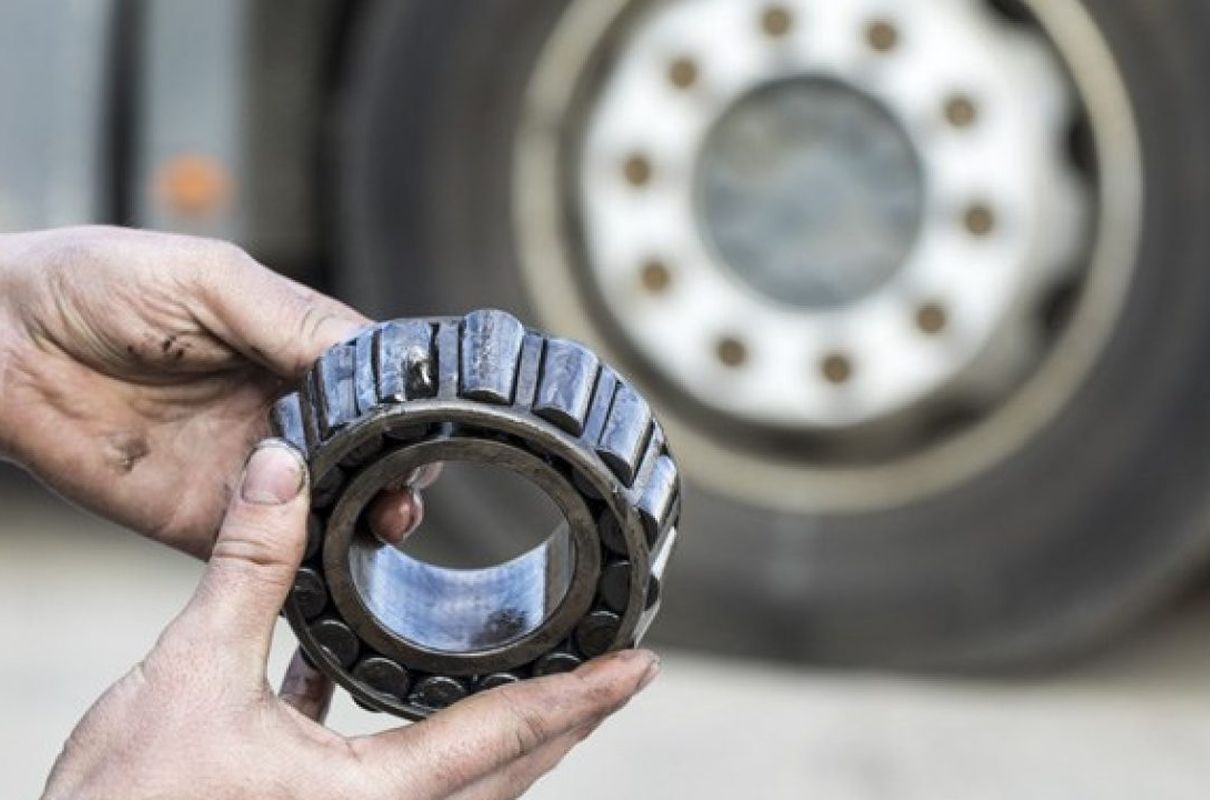
What Is a Wheel Bearing? What Are the Symptoms and Causes of Wheel Bearing Failure?
A wheel bearing is a critical component that allows the wheel to rotate smoothly while supporting the weight of the vehicle. It is installed between the wheel hub and the suspension or axle assembly and is designed to withstand radial loads, lateral forces, acceleration, braking, and cornering forces.
Although wheel bearings are built for long service life, they can eventually wear out or become damaged. The most recognizable symptom is usually a humming, rumbling, or growling noise that changes with vehicle speed.
A faulty wheel bearing should not be ignored. Severe bearing wear can create excessive wheel play, affect wheel alignment and stability, and in extreme cases become a serious safety issue.
What Does a Wheel Bearing Do?
The wheel bearing allows the wheel and hub to rotate with minimal friction.
It has several important functions:
-
Supports the vehicle's weight
-
Allows smooth wheel rotation
-
Reduces friction between rotating components
-
Handles radial loads
-
Handles lateral loads during cornering
-
Helps maintain correct wheel and hub positioning
The bearing is subjected to considerable forces every time the vehicle accelerates, brakes, turns, or travels over uneven roads.
Where Is the Wheel Bearing Located?
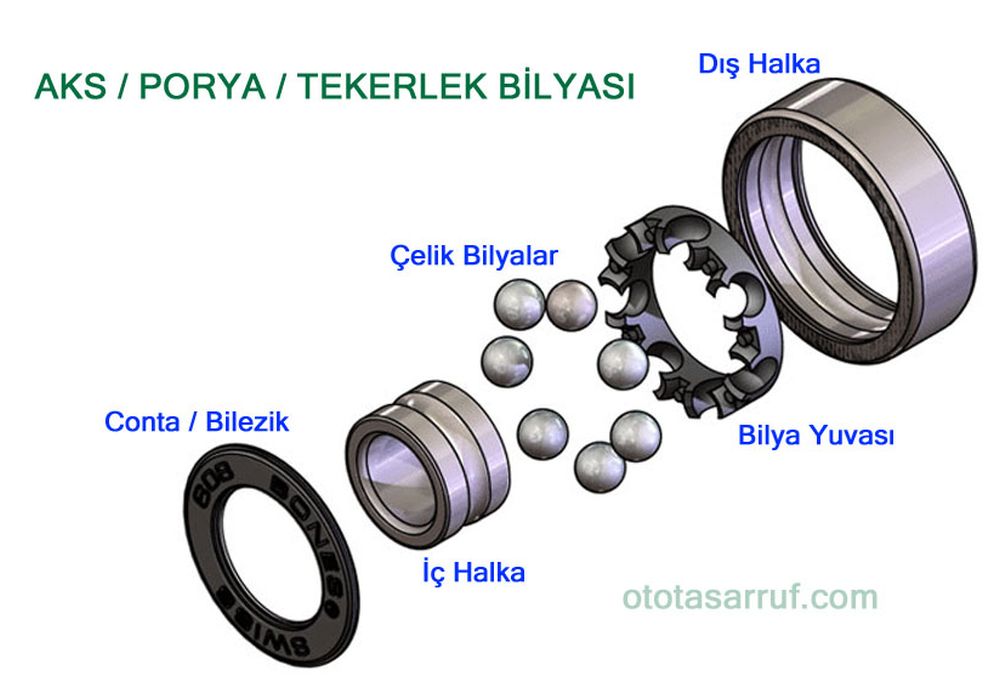
The bearing is generally located inside or integrated with the wheel hub assembly.
The exact design varies between vehicles.
Some vehicles use a separate bearing that can be pressed into the hub or steering knuckle.
Other vehicles use a complete hub and bearing assembly, where the bearing is integrated into the wheel hub.
Modern hub assemblies may also incorporate an ABS wheel-speed sensor or magnetic encoder ring.
This means that a wheel bearing replacement can sometimes involve replacing the entire hub assembly rather than only the bearing itself.
What Are the Symptoms of a Bad Wheel Bearing?
A failing wheel bearing can produce several symptoms, but the exact behavior depends on how the bearing has worn or been damaged.
Common symptoms include:
-
Humming or rumbling noise
-
Growling sound while driving
-
Noise that increases with speed
-
Noise that changes while cornering
-
Vibration in severe cases
-
Excessive wheel play
-
Steering instability
-
Uneven tire wear in some cases
-
ABS warning light on certain vehicles
-
Wheel or hub overheating
The most important clue is often a noise that follows vehicle speed rather than engine RPM.
Humming or Rumbling Noise

The classic wheel-bearing symptom is a humming, droning, or rumbling sound.
The noise may initially be very subtle.
As the bearing deteriorates, it can become progressively louder.
The sound often increases as vehicle speed rises.
For example, the noise may become much more noticeable at highway speeds while the engine itself sounds normal.
This is one of the reasons a wheel bearing problem can sometimes be confused with tire noise.
Growling Noise When Turning
A worn bearing can produce a different sound when the vehicle turns.
When cornering, the load on the left and right wheel bearings changes.
This can make a damaged bearing more noticeable in one direction than the other.
For example, a bearing may become louder during a particular left or right turn.
However, this behavior should not be used alone to identify which bearing has failed. Road surface, tire noise, suspension components, and the opposite wheel bearing can produce similar changes.
Noise That Increases With Vehicle Speed
Wheel-bearing noise is generally related to wheel rotation.
Therefore, the sound often becomes louder as vehicle speed increases.
Unlike an engine-related noise, it normally does not depend directly on engine RPM.
A useful diagnostic clue is to maintain the same road speed while changing engine RPM where possible. If the noise follows vehicle speed rather than engine speed, the wheels, tires, bearings, or drivetrain become more likely sources.
Vibration From a Bad Wheel Bearing
A severely worn bearing can sometimes cause vibration.
The vibration may be felt through:
-
Steering wheel
-
Floor
-
Seat
-
Vehicle body
However, vibration is not one of the most specific wheel-bearing symptoms.
Unbalanced wheels, damaged tires, bent wheels, worn suspension components, brake problems, and drivetrain issues can also cause vibration.
Therefore, a vibration alone does not prove that a wheel bearing is faulty.
Wheel Play or Looseness
A badly worn bearing can develop excessive internal clearance.
When the wheel is lifted off the ground, a technician may detect abnormal movement by checking the wheel for play.
Excessive movement can indicate a bearing problem, but it can also be caused by other components such as:
-
Ball joints
-
Tie-rod ends
-
Suspension bushings
-
Wheel hub
-
Steering components
Modern sealed bearings may produce noise before noticeable wheel play develops.
Therefore, the absence of play does not necessarily mean that the bearing is healthy.
Uneven Tire Wear
A severely worn bearing can affect the stability of the hub and wheel.
In extreme cases, this may contribute to abnormal tire wear.
However, tire wear is much more commonly associated with:
-
Incorrect wheel alignment
-
Incorrect tire pressure
-
Worn suspension components
-
Wheel imbalance
-
Incorrect toe or camber
For this reason, uneven tire wear should not automatically be attributed to a wheel bearing.
ABS Warning Light
Some modern wheel hubs incorporate the wheel-speed sensor or an encoder used by the ABS system.
If the bearing or hub assembly becomes damaged, the sensor signal can sometimes be affected.
This may cause:
-
ABS warning light
-
Traction control warning
-
Electronic stability control warning
-
Wheel-speed sensor-related fault codes
However, an ABS warning does not automatically mean that the wheel bearing has failed.
The sensor, wiring, connector, encoder ring, and ABS control system should also be checked.
Wheel Bearing Causes and Failure Reasons
Wheel bearings can fail for several reasons.
The most common include:
-
Normal wear
-
High mileage
-
Poor-quality bearing
-
Water contamination
-
Dirt contamination
-
Damaged seals
-
Severe road impacts
-
Incorrect installation
-
Excessive vehicle loads
-
Corrosion
-
Improper tightening
-
Damaged hub or suspension components
In many cases, bearing failure is not caused by a single event. Wear accumulates over thousands of kilometers until the bearing becomes noisy or develops excessive play.
Water and Dirt Contamination
Wheel bearings are normally protected by seals.
If a seal becomes damaged, water and dirt can enter the bearing.
This can contaminate the lubricant and cause corrosion or accelerated wear.
Vehicles frequently driven through:
-
Deep water
-
Mud
-
Snow
-
Salt-covered roads
-
Off-road conditions
may place greater demands on bearing seals.
A bearing that has been contaminated may deteriorate much faster than one operating in normal conditions.
Potholes and Severe Road Impacts
Strong impacts can damage wheel bearings.
Hitting a large pothole, curb, or road obstacle can transfer a substantial force directly through the wheel and hub.
A bearing may not fail immediately after the impact.
Instead, the impact can damage its internal surfaces and the bearing may become noisy weeks or months later.
This is one reason a new humming noise after a severe road impact deserves attention.
Incorrect Wheel Bearing Installation
Installation quality is extremely important.
A bearing can be damaged during installation if excessive force is applied to the wrong part of the bearing.
Pressing on an inappropriate bearing race can create internal damage that may not be immediately visible.
Incorrect installation can significantly shorten bearing life.
The correct tools and procedures should therefore be used.
Incorrect Hub Nut Torque
On vehicles where the bearing or hub assembly is secured with a specified axle or hub nut torque, the manufacturer's torque specification is important.
Excessive tightening can place abnormal preload on the bearing.
Insufficient tightening can also create problems with hub stability and bearing operation.
The correct torque procedure should always be followed.
Can Tires Make the Same Noise as a Bad Wheel Bearing?
Yes.
This is one of the most common diagnostic difficulties.
Certain tires can produce a humming or roaring noise that sounds very similar to a worn wheel bearing.
This is particularly common with:
-
Unevenly worn tires
-
Cupped tires
-
Aggressive tread patterns
-
Certain winter tires
-
Incorrect tire pressures
The noise may also change depending on the road surface.
A technician should therefore inspect both the tires and wheel bearings before replacing a bearing based solely on noise.
Wheel Bearing Noise vs. Tire Noise
There are some useful clues.
Wheel bearing noise often:
-
Follows vehicle speed
-
Gradually becomes louder
-
Changes during cornering
-
Remains noticeable on different road surfaces
Tire noise can:
-
Change significantly with road surface
-
Vary according to tread pattern
-
Change after tire rotation
-
Be associated with visible uneven tread wear
These are useful clues, but neither pattern is an absolute diagnostic rule.
Can a Bad Wheel Bearing Cause Steering Problems?
A severely worn bearing can affect wheel and hub stability.
If significant play develops, the driver may notice:
-
Loose steering feel
-
Wandering
-
Instability
-
Steering vibration
However, these symptoms can also be caused by suspension and steering components.
A worn tie-rod end, ball joint, control-arm bushing, or incorrect alignment can create similar sensations.
Can a Wheel Bearing Overheat?
Yes.
A damaged bearing can generate excessive friction.
This can cause the hub or wheel area to become hotter than normal.
In severe cases, you may notice:
-
Burning smell
-
Excessive wheel temperature
-
Discolored components
-
Grease leakage
-
Increased rolling resistance
A wheel that becomes significantly hotter than the others should be inspected.
However, a hot wheel can also be caused by a dragging brake caliper, so the brake system must be considered as well.
Wheel Bearing vs. Brake Problem
A noisy or hot wheel does not necessarily mean the bearing is defective.
A sticking brake caliper can also cause:
-
Wheel overheating
-
Burning smell
-
Noise
-
Increased rolling resistance
-
Vehicle pulling
-
Poor fuel economy
A useful diagnostic approach is to compare the affected wheel with the other wheels after driving under similar conditions.
If one wheel is significantly hotter, both the bearing and brake assembly should be inspected.
Can a Bad Wheel Bearing Affect Fuel Consumption?
Potentially, but usually only when the bearing is severely damaged.
A badly worn bearing can increase rolling resistance.
The engine then has to produce slightly more power to maintain the same speed.
In practice, the effect is usually much smaller than fuel-consumption changes caused by tire pressure, driving style, engine problems, or alignment.
Therefore, increased fuel consumption alone is not a reliable indication of a bad wheel bearing.
Can You Drive With a Bad Wheel Bearing?
This depends on how severe the failure is.
A bearing that has only recently started making a mild noise may continue operating for some time, but there is no reliable way to predict exactly how long it will last.
Driving should be avoided or minimized if there is:
-
Significant wheel play
-
Severe grinding
-
Rapidly increasing noise
-
Strong vibration
-
Wheel wobble
-
Excessive wheel temperature
-
Steering instability
-
Evidence of severe hub damage
A severely deteriorated bearing can compromise wheel and hub stability.
For this reason, a suspected bearing failure should be inspected promptly rather than waiting for the noise to become unbearable.
How Is a Wheel Bearing Diagnosed?
A professional diagnosis normally combines a road test with a physical inspection.
During a road test, the technician listens for:
-
Humming
-
Growling
-
Rumbling
-
Grinding
-
Changes in noise while cornering
The vehicle can then be lifted safely for inspection.
The technician may check for:
-
Wheel play
-
Bearing roughness
-
Abnormal rotation noise
-
Hub condition
-
Tire condition
-
Brake drag
-
Suspension play
-
ABS sensor condition
On some vehicles, electronic diagnostic equipment can also help identify wheel-speed sensor abnormalities.
Can You Check a Wheel Bearing Yourself?
A basic inspection is possible, but lifting a vehicle and checking a wheel bearing requires proper safety precautions.
Never rely solely on a jack while working underneath a vehicle.
A raised wheel can be checked for abnormal movement, and the wheel can be rotated by hand to listen for unusual roughness or grinding.
However, a bearing can be defective without producing obvious play or noise during a simple stationary check.
A road test and professional inspection may therefore be necessary.
Do All Wheel Bearings Need to Be Replaced Together?
No.
If one wheel bearing has failed, the other bearings do not automatically need to be replaced.
However, bearings on the same vehicle may have similar age and mileage.
If one bearing has failed after very high mileage, the remaining bearings should be inspected for noise or play.
Replacing a healthy bearing purely because another one failed is not always necessary.
Does a Wheel Bearing Need Lubrication?
Most modern automotive wheel bearings are sealed and pre-lubricated.
They are not designed to be periodically filled with additional grease.
Attempting to inject grease into a sealed bearing is generally not a normal maintenance procedure.
Older or specialized bearing designs may differ, but the correct procedure depends on the specific vehicle and bearing type.
How Long Does a Wheel Bearing Last?
There is no universal replacement interval.
Service life depends on:
-
Vehicle weight
-
Driving conditions
-
Road quality
-
Bearing quality
-
Installation quality
-
Water and dirt exposure
-
Wheel and tire condition
-
Driving style
-
Vehicle load
A properly installed quality bearing can last for a long time, but severe impacts or contamination can shorten its life considerably.
Wheel bearings are generally replaced when symptoms or inspection results indicate deterioration rather than at a fixed mileage interval.
Should You Replace the Hub or Only the Bearing?
This depends on the vehicle's design.
If the vehicle uses a separate bearing, the bearing alone may be replaceable.
If it uses an integrated hub-and-bearing assembly, the complete unit is normally replaced.
The condition of the hub mounting surface and related components should also be checked.
Installing a new bearing onto a damaged hub can result in premature failure.
Final Thoughts
A wheel bearing allows the wheels to rotate smoothly while supporting the vehicle's weight and handling the forces created during braking and cornering.
The most recognizable symptoms of bearing failure are humming, rumbling, or growling noises that increase with vehicle speed, sometimes accompanied by changes in sound when turning.
However, tire noise, brake problems, suspension wear, and other drivetrain components can produce similar symptoms. A noise alone should therefore not be considered definitive proof of a failed wheel bearing.
If the bearing develops significant play, severe grinding, wheel wobble, overheating, or steering instability, the vehicle should be inspected without delay. Early diagnosis can prevent further damage to the hub, suspension, ABS components, and wheel assembly while also reducing the risk of a more serious safety problem.