TR
TR EN
EN

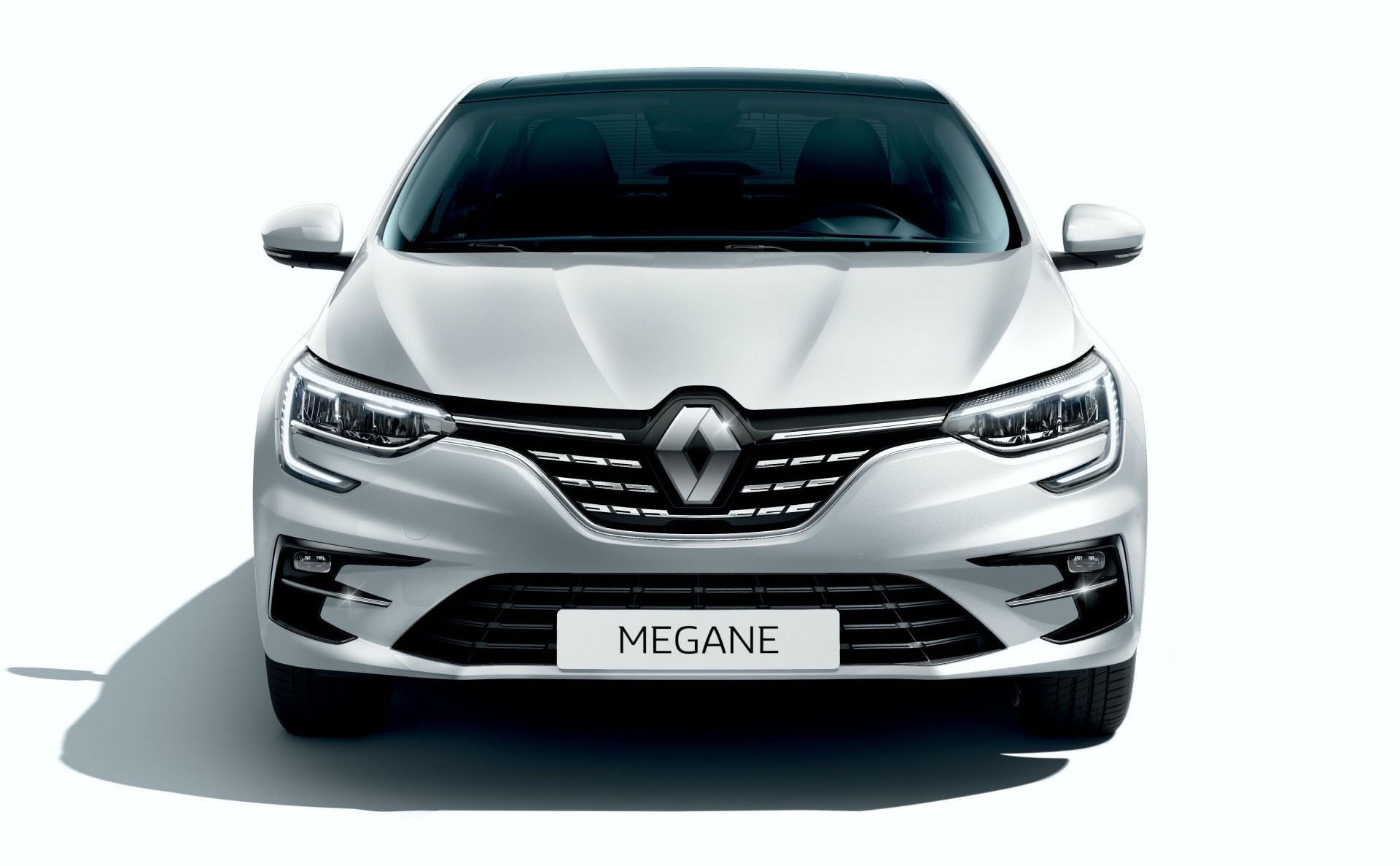
Is a Used Renault Megane 4 Sedan Worth Buying?
The Renault Megane has been one of Renault's most important C-segment models for decades. The first-generation Megane was introduced in 1995, followed by the Megane II, Megane III and eventually the fourth-generation Megane.
For buyers in Turkey, the Megane IV Sedan is particularly important because it effectively replaced the Fluence in Renault's local sedan lineup. The fourth-generation Megane Sedan was introduced in 2016 and quickly became one of the most common compact sedans on the Turkish used-car market.
The Megane IV Sedan combines a modern design, relatively good equipment levels, comfortable driving characteristics and a wide range of engines and transmissions. It is also one of those cars where the exact engine, transmission, model year and equipment level can make a significant difference when buying used.
So, is a used Megane 4 Sedan worth buying?
In general, yes. But it is not a car that should be purchased simply because the price looks attractive. Some versions have specific points that deserve careful inspection, particularly EDC-equipped cars and vehicles with neglected suspension, electronics or bodywork.
A Brief History of the Renault Megane
The first-generation Renault Megane was introduced in 1995 and was produced until 2003. In Turkey, sales began in 1996. The facelifted version introduced various visual and safety improvements, while several engines moved from eight-valve to 16-valve designs.
The Megane II arrived in 2002 and continued until 2009. It introduced a much more distinctive design and brought features such as Renault's key-card system and, on some versions, a panoramic glass roof.
The Megane III was introduced in 2008. Unlike previous generations, there was no traditional Megane III Sedan in many markets. Renault instead used the Fluence as its compact sedan offering.
The Megane IV arrived in 2016 and brought the sedan back under the Megane name. The fourth generation uses Renault-Nissan's CMF platform architecture and introduced a much more modern interior, electronics package and safety equipment.
The Megane IV Sedan also received a facelift, bringing updated exterior styling, equipment and technology to later versions.
What Makes the Megane 4 Sedan Attractive?
One of the biggest advantages of the Megane IV Sedan is its equipment level.
Even relatively basic versions can offer useful equipment such as:
-
Cruise control
-
Air conditioning
-
Rear parking sensors
-
Hill-start assist
-
Tire-pressure monitoring
-
Bluetooth connectivity
-
Steering-wheel controls
-
Driver-seat height adjustment
-
Lumbar adjustment on certain versions
Higher trim levels, particularly Icon versions, can add considerably more equipment and safety technology.
This means that a used Megane 4 can feel better equipped than some competitors from the same period.
The car also has a relatively modern cabin, good highway stability and a design that has aged reasonably well.
The Biggest Advantage: Local Production
For Turkish buyers, the locally produced Megane IV Sedan has another important advantage.
Because the car was produced in Turkey in significant numbers, parts availability is generally good and many independent workshops are familiar with the model.
This can make routine maintenance and repairs easier and potentially less expensive than with an uncommon imported vehicle.
The large number of Megane IV Sedans on the road also makes it easier to find experienced technicians and used parts when necessary.
What Are the Common Problems With the Megane IV Sedan?
Not every Megane 4 has these problems, and it would be misleading to call every one of them "chronic failures."
A better way to look at the car is to identify recurring complaints and areas that deserve inspection before purchase.
EDC Automatic Transmission Problems
The EDC dual-clutch transmission is one of the most important areas to investigate.
Some Megane IV EDC vehicles can experience:
-
Jerky low-speed shifts
-
Hesitation during acceleration
-
Delayed engagement
-
Sudden changes in engine RPM
-
Shuddering
-
Gear-selection hesitation
-
Transmission overheating warnings
-
Unusual behavior after slowing down and accelerating again
In some cases, the transmission may not engage the clutch smoothly during acceleration. The driver can then feel a brief hesitation, power loss or engine vibration.
Software calibration and adaptation can influence transmission behavior, so a transmission problem should not automatically be interpreted as a mechanical clutch failure.
Possible causes include:
-
Transmission software
-
Clutch adaptation
-
Clutch wear
-
Actuators
-
Sensors
-
Hydraulic or electronic control problems
-
Mechanical transmission problems
Therefore, a used EDC Megane should not be purchased without a proper transmission test.
A gearbox that shifts perfectly during a short, gentle test drive may behave differently in heavy traffic, on an incline or after becoming warm.
EDC Test Drive: What Should You Check?
When buying an automatic Megane 4, do more than simply drive around the block.
Test the vehicle:
-
From a cold start
-
After the transmission has warmed up
-
In stop-and-go traffic
-
During gentle acceleration
-
During hard acceleration
-
On an uphill section
-
While reversing
-
During low-speed maneuvering
-
During repeated starts and stops
Pay attention to whether the transmission:
-
Shudders when moving off
-
Hesitates before engaging
-
Produces excessive RPM flare
-
Delays downshifts
-
Produces a warning message
-
Jerks excessively between gears
A diagnostic scan should also be performed.
Replacing the clutch immediately based only on a complaint of "shifting badly" is not always the correct diagnosis. Software, adaptation values and actuator operation should also be considered.
Door Seals Can Deform
Door and window seals are another issue worth checking on used Megane IV examples.
Over time, some vehicles can develop:
-
Sagging door seals
-
Deformed rubber
-
Poor sealing
-
Wind noise
-
Increased road noise
This is not normally a major mechanical problem, but it is worth checking carefully on a used vehicle.
Inspect all four doors rather than assuming that one good-looking door represents the condition of the entire car.
Trunk Lid and Gas Struts
The trunk lid can develop opening or alignment problems.
In some vehicles, weakened gas struts can make the trunk difficult to open or prevent it from opening as expected when using the remote or release mechanism.
Check:
-
Trunk alignment
-
Closing effort
-
Remote opening operation
-
Gas struts
-
Hinges
-
Rubber bump stops
-
Water ingress around the trunk
If the trunk lid sits unevenly, do not automatically assume that it is merely an adjustment issue.
Look for evidence of previous rear-end repairs.
Rear Visibility Is Not Excellent
This is particularly relevant when inspecting a used Megane 4 Sedan.
The rear design creates a relatively limited rearward view.
As a result, some cars may have:
-
Scratches on the rear bumper
-
Parking damage
-
Small dents
-
Alloy-wheel damage from parking close to curbs
The rear bumper and trunk area should therefore be inspected carefully.
A paint-thickness measurement is also useful because localized repairs may not be obvious to the naked eye.
Suspension Noises
Suspension noises are another complaint worth investigating.
Depending on mileage and road conditions, you may hear:
-
Creaking
-
Knocking
-
Rattling
-
Clicking
-
Noise over speed bumps
Possible sources include:
-
Shock absorbers
-
Shock mounts
-
Stabilizer links
-
Bushings
-
Ball joints
-
Control-arm components
-
Other suspension parts
A suspension noise does not automatically mean that the shock absorber itself is defective.
The complete suspension system should be inspected.
Panoramic Roof Noise
Megane IV versions equipped with a panoramic roof can develop noises from the roof area.
Possible complaints include:
-
Creaking
-
Rattling
-
Squeaking
-
Noise over uneven roads
The panoramic roof should therefore be tested during the purchase inspection.
Check both the operation and the condition of the roof mechanism, seals and surrounding trim.
Panoramic Roof Trim Can Break
The plastic trim around the panoramic roof can also be vulnerable to damage.
A broken trim piece may seem insignificant, but it can indicate that the roof has previously been disassembled or repaired.
Inspect the surrounding trim carefully for:
-
Broken clips
-
Loose sections
-
Cracks
-
Missing pieces
-
Poor alignment
Water Leaks From the Trunk Area
Water ingress should be taken seriously.
Check the trunk:
-
Under the carpet
-
Around the spare-wheel area
-
Around the side compartments
-
Around the trunk seals
-
Near rear lighting assemblies
Moisture in these areas can eventually create electrical problems, unpleasant odors and corrosion.
A wet trunk should not simply be dried without finding the source of the water.
Interior Trim Noises
Trim noises are among the less serious but more annoying issues that can occur as the vehicle ages.
You may hear rattles from:
-
Dashboard panels
-
Door trims
-
Center console
-
Roof trim
-
Trunk trim
-
Plastic joints
The severity varies considerably between individual vehicles.
A car that has been driven extensively on rough roads may have significantly more interior noise than another Megane of the same year and mileage.
Gear Selector and Steering Wheel Wear
On higher-mileage vehicles, inspect the condition of the:
-
Gear selector
-
Steering wheel
-
Door handles
-
Armrests
-
Interior buttons
-
Touchscreen controls
Peeling or discoloration does not necessarily indicate mechanical abuse, but excessive wear can provide clues about the vehicle's actual usage.
Compare the interior condition with the claimed mileage.
A car advertised with relatively low mileage but showing severe wear on the steering wheel, gear selector and buttons deserves closer investigation.
Faded Button Markings
The markings on interior buttons can fade or become difficult to read over time.
Again, this is generally a cosmetic issue rather than a major mechanical failure.
Nevertheless, excessive wear should be considered together with the vehicle's service history and mileage.
Wiper Operation
Some Megane IV owners may find the windshield-wiper service position unusual.
Before purchasing, test:
-
Front wipers
-
Rear wiper where equipped
-
Washer jets
-
Intermittent operation
-
Automatic rain-sensing function where equipped
-
Wiper service position
Do not assume that an unusual parked position automatically indicates a fault. Renault uses specific service-position logic on many models.
R-Link and Electronic System Problems
The Megane IV introduced a considerably more sophisticated electronic environment than older Megane models.
Some vehicles can experience software-related complaints involving the infotainment system.
Possible symptoms include:
-
Slow response
-
Frozen screen
-
Bluetooth connection problems
-
Navigation problems
-
Random system restarts
-
Touchscreen issues
-
Software glitches
When buying a used example, test every electronic function instead of assuming that a working engine means the entire vehicle is healthy.
Key Card and Start System
The Renault key-card system is convenient, but the key card itself should be tested carefully.
Check:
-
Locking
-
Unlocking
-
Hands-free entry where equipped
-
Start authorization
-
Spare key/card
-
Key-card buttons
A weak key-card battery can cause symptoms that initially appear to be a vehicle electrical problem.
Therefore, test both the main and spare cards before buying.
Diesel Engines: DPF and EGR
If you are considering a diesel Megane 4, the usage history may be more important than the mileage alone.
Diesel vehicles used primarily for short urban trips can develop problems involving:
-
DPF regeneration
-
DPF loading
-
EGR deposits
-
Intake carbon buildup
-
Turbo-related issues
-
Injectors
-
Emissions-system components
A diesel Megane that has spent most of its life on long-distance roads may be a very different proposition from one that has been used exclusively for short city trips.
Do not judge a diesel simply by looking at the odometer.
Petrol Engine Selection Matters
The Megane IV was offered with different petrol engines over its production life, and engine availability varies according to model year and market.
This is important because the reliability characteristics of one engine cannot simply be applied to another.
For example, early 1.2 TCe engines deserve careful investigation for oil-consumption and timing-chain-related concerns. Later engines, such as the 1.3 TCe, are a different design and should be evaluated separately.
When buying a Megane 4, always identify the exact engine code and transmission rather than saying simply "Megane 4 petrol."
Engine Oil Consumption Should Be Checked
Oil consumption deserves attention on any used turbocharged petrol engine.
Before buying, check:
-
Engine oil level
-
Maintenance records
-
Evidence of oil leaks
-
Exhaust smoke
-
Turbocharger condition
-
Engine operating behavior
-
Any history of abnormal oil consumption
A low oil level at the inspection should not immediately be interpreted as normal consumption. It could also indicate poor maintenance or an external oil leak.
Cooling System and Engine Temperature
The cooling system should also be inspected during a used-car inspection.
Check:
-
Coolant level
-
Coolant condition
-
Cooling fan operation
-
Radiator condition
-
Expansion tank
-
Hoses
-
Signs of coolant leakage
-
Engine operating temperature
Overheating can cause expensive engine damage, so a vehicle that has a history of overheating deserves particular attention.
Early Cars vs. Later Cars
There is a reasonable argument for paying extra for a later, well-maintained example.
Early Megane IV vehicles were the first versions of a new generation and naturally had more opportunities for software and component improvements to appear later in production.
Later vehicles benefited from:
-
Software revisions
-
Updated infotainment systems
-
Production improvements
-
More mature service procedures
-
Facelift-related updates
This does not mean that every early car is bad or every later car is perfect.
A well-maintained early Megane can easily be a better purchase than a neglected newer example.
Known Recalls Should Be Checked
Another important point when buying an early Megane IV is the recall history.
Certain production batches can be affected by manufacturer campaigns involving specific components or systems.
The important point is that a recall affecting a particular production batch does not mean that every Megane IV has the same defect.
Before buying, the vehicle's VIN should be checked through Renault to determine whether any recall or service campaign remains outstanding.
Megane 4 Sedan Pros
The Megane IV Sedan has several strong points that make it attractive on the second-hand market.
Modern design
The exterior still looks relatively modern compared with many competing compact sedans.
Good equipment
Even lower trim versions can provide useful everyday features.
Comfortable driving
The suspension and general driving characteristics make it suitable for both urban and highway use.
Good parts availability in Turkey
Local production means that parts and aftermarket knowledge are generally easy to find.
Wide engine and transmission choice
Depending on the model year, buyers can choose between different petrol, diesel, manual and EDC configurations.
Good highway behavior
The sedan's size and chassis make it comfortable for longer journeys.
Large used-car market
There are many examples available, making it easier to compare condition, equipment and price.
Megane 4 Sedan Cons
The car also has some disadvantages.
EDC requires careful inspection
A problematic EDC-equipped vehicle can become considerably more expensive to repair than a simple manual version.
Electronic complexity
The modern electronics provide more features but also introduce more potential sources of faults.
Trim and interior noises
Rattles and squeaks can become annoying as the car ages.
Panoramic-roof-related problems
Cars equipped with the panoramic roof require additional inspection for noises, trim damage and water sealing.
Some diesel versions can become expensive when neglected
DPF, EGR, turbocharger and injector problems can produce significant repair bills.
Rear visibility
The sedan's rear design makes parking visibility less impressive than some competitors.
Is a Used Megane 4 Sedan Reliable?
The answer depends heavily on the individual vehicle.
The Megane IV is not inherently an unreliable car, but it has enough electronics, different engine options and different transmission configurations that the exact version matters.
A manual petrol Megane with a straightforward configuration can have a very different ownership experience from a diesel EDC model that has been used primarily for short urban trips.
This is why general statements such as "all Megane 4s have gearbox problems" or "Megane 4 is completely trouble-free" are both misleading.
Is a Used Megane 4 Sedan Worth Buying?
Yes, but the individual car matters much more than the model name.
A well-maintained Megane IV Sedan with documented service history, a healthy engine and properly functioning transmission can be a very sensible used-car choice.
On the other hand, a cheap Megane with an unknown history, problematic EDC transmission, neglected diesel emissions system, water leakage and accident repairs can quickly become an expensive purchase.
The most important thing is therefore not to ask:
"Is the Megane 4 reliable?"
A better question is:
"Is this particular Megane 4 in good condition?"
What Should You Check Before Buying?
Before purchasing a used Megane IV Sedan, a proper inspection should include:
-
Full OBD diagnostic scan
-
Engine fault-code history
-
Transmission fault-code scan
-
EDC operation and adaptation where applicable
-
Cold-start behavior
-
Hot-engine test
-
Oil leaks
-
Coolant leaks
-
Engine cooling system
-
Turbocharger on turbocharged engines
-
DPF and EGR condition on diesels
-
Suspension and steering
-
Brake system
-
Tires
-
Alloy wheels
-
Body paint thickness
-
Accident and chassis history
-
Trunk floor for water damage
-
Door and window seals
-
Panoramic roof if equipped
-
Infotainment system
-
Key cards and central locking
-
Air conditioning
-
Cruise control
-
Parking sensors
-
All exterior lights
-
All interior buttons
-
Electric windows and mirrors
The transmission should receive particular attention on EDC models.
Don't Ignore the Maintenance History
Service history can be more valuable than a low odometer reading.
Look for evidence of:
-
Regular engine-oil changes
-
Correct oil specification
-
Transmission maintenance where applicable
-
Cooling-system maintenance
-
Brake maintenance
-
Spark-plug replacement on petrol engines
-
Diesel emissions-system maintenance
-
Previous major repairs
-
Software updates
-
Recall work
If the seller cannot provide any meaningful maintenance history, the vehicle should be inspected much more carefully.
What Mileage Is Too High for a Megane 4?
There is no single mileage figure at which a Megane 4 suddenly becomes a bad car.
A 180,000-km vehicle with complete service records can be a safer purchase than a 90,000-km vehicle with an unknown history.
At higher mileage, however, the inspection becomes increasingly important.
You should expect greater wear in:
-
Suspension components
-
Engine mounts
-
Clutch components
-
EDC components
-
Turbocharger systems
-
Diesel emissions systems
-
Interior trim
-
Air-conditioning components
Mileage should therefore be considered together with age, maintenance and usage.
Which Megane 4 Should You Buy?
There is no single version that is ideal for every buyer.
For mostly urban driving, a petrol engine may make more sense than a diesel that will rarely reach operating temperature.
For frequent highway driving, a properly maintained diesel can be attractive because of its fuel economy.
If choosing an EDC automatic, transmission behavior and service history should be treated as more important than simply choosing the lowest-mileage car.
If reliability and simplicity are the main priorities, a well-maintained manual version can also be an attractive choice.
The key is to select the engine-transmission combination that matches your driving pattern.
What Problems Are Cosmetic and What Problems Are Expensive?
Not every Megane 4 problem deserves the same level of concern.
Issues such as faded button markings, minor trim rattles, steering-wheel wear or a damaged interior trim piece are generally much less important than:
-
EDC transmission problems
-
Serious engine oil consumption
-
Turbocharger problems
-
DPF problems
-
Major water leaks
-
Chassis damage
-
Cooling-system problems
-
Serious electrical faults
This distinction is important when negotiating the price.
A car should not be rejected simply because it has a minor trim rattle, while a vehicle with a questionable transmission should not be accepted just because its body looks perfect.
Final Verdict
The Renault Megane IV Sedan is not a car that should be dismissed because of a list of "chronic problems." Most of the issues associated with the model are not present in every vehicle, and many are relatively minor trim, seal or software-related problems.
The areas that deserve the most attention are the EDC transmission, engine-specific weaknesses, diesel emissions components, suspension noises, electronics, water leaks and evidence of previous accident repairs.
Its biggest strengths are its equipment, modern design, comfortable driving characteristics, availability of parts and strong presence in the Turkish market.
Its biggest weaknesses are the possibility of EDC-related problems on certain versions, electronic complexity and the fact that neglected examples can become expensive to repair.
If you find a Megane 4 Sedan with a complete maintenance history, clean diagnostic scan, healthy transmission, properly functioning electronics and no significant accident or water damage, it can be a very reasonable used C-segment sedan.
The important point is not to buy the cheapest Megane 4 you can find.
Buy the best-maintained Megane 4 you can afford.