TR
TR EN
EN

What Is a Brake Master Cylinder? What Are the Symptoms of Brake Master Cylinder Failure?
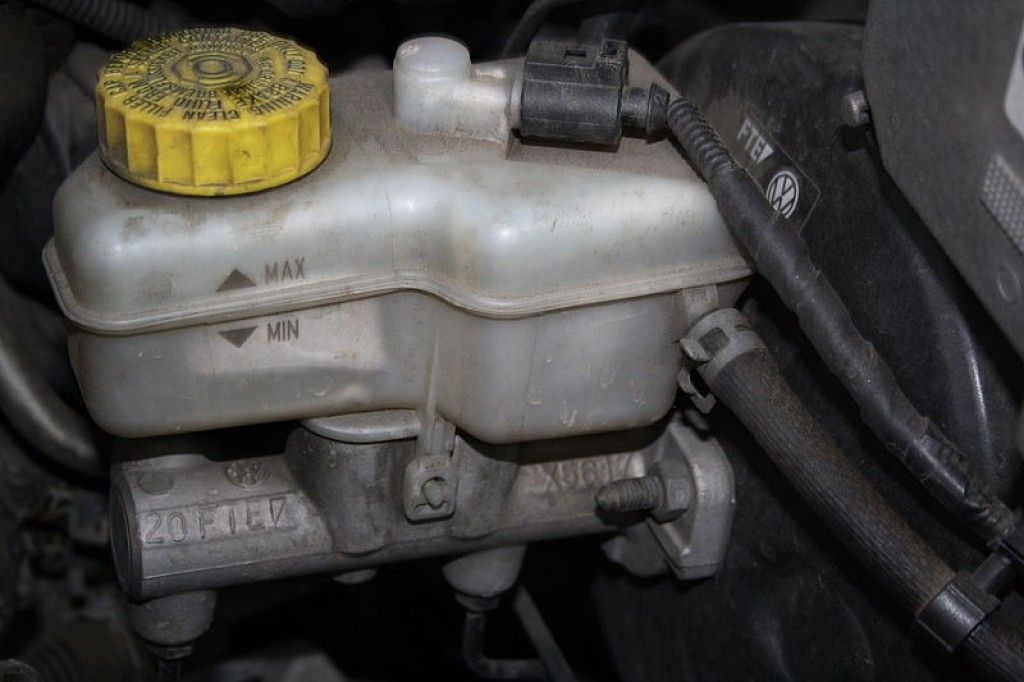

The brake master cylinder is one of the most important components of a vehicle's hydraulic braking system. Its main job is to convert the force applied to the brake pedal into hydraulic pressure and send that pressure through the brake lines to the wheel brakes.
When the driver presses the brake pedal, the master cylinder pressurizes the brake fluid. This hydraulic pressure is then transmitted to the brake calipers or wheel cylinders, allowing the brake pads or shoes to apply force to the discs or drums.
If the master cylinder develops a serious fault, braking performance can be reduced significantly.
How Does the Brake Master Cylinder Work?
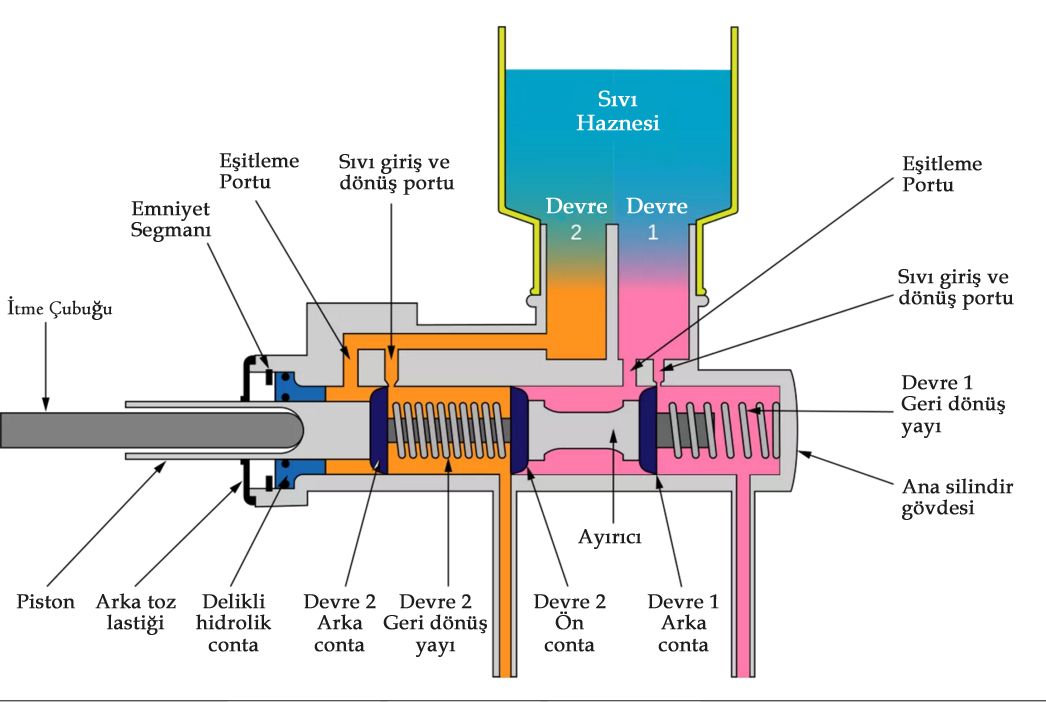
The master cylinder is connected directly to the brake pedal, usually through a pushrod. In most modern vehicles, it is mounted in front of the brake booster.
When the brake pedal is pressed:
-
The pushrod moves the master-cylinder piston.
-
The piston pressurizes the brake fluid.
-
Hydraulic pressure travels through the brake lines.
-
Brake calipers or wheel cylinders apply the brakes.
-
The vehicle slows down or stops.
When the pedal is released, the system allows the brake fluid to return to its normal pressure and the brake components release.
Most modern passenger vehicles use a tandem master cylinder with two hydraulic circuits. This design provides a degree of redundancy so that a failure in one circuit does not necessarily result in a complete loss of braking.
Brake Master Cylinder Failure Symptoms
A failing master cylinder does not always produce the same symptoms. Some failures are gradual, while others can appear suddenly.
Common symptoms include:
-
Brake pedal slowly sinking
-
Soft or spongy brake pedal
-
Brake pedal requiring excessive travel
-
Reduced braking performance
-
Uneven braking
-
Difficulty maintaining hydraulic pressure
-
Brake fluid leakage
-
Brake warning light
-
Need to pump the brake pedal
-
Brakes that feel normal at first but become weak during prolonged pedal pressure
One of the most important symptoms is a brake pedal that slowly sinks while steady pressure is maintained.
Brake Pedal Slowly Sinks to the Floor
This is one of the classic symptoms of an internal master-cylinder problem.
If you press the brake pedal firmly and keep your foot on it, the pedal should generally remain relatively stable.
If the pedal gradually moves downward even though you maintain the same pressure, the master cylinder may be allowing brake fluid to bypass its internal seals.
This is known as internal hydraulic bypass.
The brake fluid may not visibly leak outside the system. Instead, pressure can escape internally within the master cylinder, preventing it from maintaining hydraulic pressure properly.
This makes the problem particularly dangerous because there may be no obvious fluid leak under the vehicle.
Soft or Spongy Brake Pedal
A soft brake pedal does not automatically mean the master cylinder is defective.
Air in the hydraulic system is a much more common possibility.
A spongy pedal can also be caused by:
-
Air in the brake lines
-
Old or contaminated brake fluid
-
Brake-fluid leakage
-
Flexible brake hose problems
-
Caliper problems
-
Incorrect brake bleeding
-
Excessive rear brake travel on some systems
If the brake system has been properly bled and the pedal still behaves abnormally, the master cylinder becomes a stronger suspect.
Brake Pedal Requires Too Much Travel
A failing master cylinder can cause excessive pedal travel.
The driver may notice that the brake pedal has to be pushed much farther than usual before the vehicle begins to slow.
However, worn brake pads, incorrectly adjusted drum brakes, air in the system, or mechanical problems at the wheels can produce similar symptoms.
The entire braking system should therefore be inspected before blaming the master cylinder.
Pumping the Brake Pedal Improves Braking
If repeatedly pressing the brake pedal temporarily makes it feel firmer, there may be a hydraulic or mechanical problem.
Possible causes include:
-
Air in the system
-
Excessive brake-pad or shoe clearance
-
Brake-fluid leakage
-
Caliper problems
-
Rear drum brake adjustment problems
-
Master-cylinder problems
If pumping the pedal produces a temporary improvement but the pedal becomes soft again, the system needs proper diagnosis rather than simply continuing to pump the brakes.
Brake Fluid Leakage Around the Master Cylinder
The master cylinder can develop an external leak.
Brake fluid may be visible around:
-
The master-cylinder body
-
Brake-line connections
-
The rear seal area
-
The area between the master cylinder and brake booster
A leak at the rear of the master cylinder can sometimes allow brake fluid to enter the brake booster.
This may not produce an obvious puddle underneath the vehicle, so the area around the master cylinder should be inspected carefully.
Brake Fluid Level Keeps Dropping
Brake fluid should not normally disappear without a reason.
A decreasing level can indicate:
-
External hydraulic leakage
-
Caliper leakage
-
Wheel-cylinder leakage
-
Brake hose damage
-
Master-cylinder leakage
-
Brake pad wear, depending on system design and fluid reservoir behavior
If the fluid level is falling noticeably, simply topping it up is not a proper repair.
The source of the fluid loss should be identified.
Brake Warning Light
A brake warning light may illuminate when there is a hydraulic braking problem.
Depending on the vehicle, the warning can be triggered by:
-
Low brake fluid
-
Parking brake activation
-
Hydraulic pressure problems
-
Brake system faults
Some vehicles may also display messages such as Brake System Fault or Check Brake System.
The warning should never be ignored.
Master Cylinder vs Brake Booster
The brake master cylinder and brake booster perform different jobs.
The master cylinder creates hydraulic pressure.
The brake booster reduces the amount of physical effort required to generate that pressure.
A failed brake booster commonly causes the pedal to become unusually hard.
A master-cylinder problem more commonly causes problems such as:
-
Excessive pedal travel
-
Pedal sinking
-
Inability to maintain hydraulic pressure
-
Soft pedal
This distinction is useful when diagnosing brake problems.
How Can a Brake Master Cylinder Be Tested?
A proper diagnosis begins with a complete brake-system inspection.
The technician should check:
-
Brake-fluid level and condition
-
Hydraulic leaks
-
Brake lines
-
Flexible hoses
-
Calipers
-
Wheel cylinders where applicable
-
Brake pads and shoes
-
Brake bleeding condition
-
Pedal travel
-
Master-cylinder operation
-
Brake booster operation
If there are no external leaks and the pedal still slowly sinks under steady pressure, internal master-cylinder bypass becomes a strong possibility.
The system can also be tested using appropriate hydraulic pressure-testing equipment when necessary.
Can a Master Cylinder Fail Without Leaking?
Yes.
This is an important point.
The internal seals of the master cylinder can deteriorate and allow brake fluid to bypass the piston internally.
In this situation:
-
There may be no visible fluid leak.
-
The brake-fluid level may appear normal.
-
The brake pedal may gradually sink.
-
Braking performance may become inconsistent.
Therefore, a normal brake-fluid level does not prove that the master cylinder is healthy.
Can a Bad Master Cylinder Cause Uneven Braking?
It can, depending on the nature of the failure and the vehicle's hydraulic circuit arrangement.
However, uneven braking is more commonly associated with problems such as:
-
Seized brake caliper
-
Restricted brake hose
-
Uneven pad wear
-
Contaminated brake components
-
Wheel-cylinder problems
-
Brake friction material issues
A master-cylinder fault should therefore be considered together with these possibilities rather than automatically assumed.
Why Does the Brake Pedal Become Soft After Brake Service?
If the pedal became soft after brake work, the master cylinder should not immediately be blamed.
Air may have entered the hydraulic system during the repair.
Possible causes include:
-
Incorrect bleeding
-
Air trapped in the ABS hydraulic unit
-
Brake-fluid leakage
-
Incorrectly installed components
-
Brake hose problems
-
Improper fluid level
Some vehicles require a specific ABS bleeding procedure using a diagnostic scan tool.
If the pedal became abnormal immediately after service, the repair procedure should be checked first.
Can You Drive With a Bad Brake Master Cylinder?
Driving with a suspected master-cylinder failure is not recommended.
The braking system is a critical safety system, and a hydraulic pressure failure can become worse without warning.
A vehicle may initially appear to stop reasonably well but then develop:
-
Increasing pedal travel
-
Reduced braking force
-
Pedal sinking
-
Hydraulic pressure loss
If the brake pedal suddenly becomes very soft, sinks toward the floor, or braking performance is significantly reduced, the vehicle should be stopped safely and inspected rather than driven normally.
Brake Master Cylinder Replacement
If testing confirms that the master cylinder has failed, replacement is generally the appropriate repair.
After replacement, the braking system may require:
-
Proper brake bleeding
-
Correct brake-fluid filling
-
ABS hydraulic bleeding if required
-
Inspection for leaks
-
Brake-pedal travel verification
-
Brake-pressure testing
-
Road testing under safe conditions
The correct brake-fluid specification should always be used for the vehicle.
Brake Master Cylinder Maintenance
The master cylinder itself usually does not require frequent routine replacement.
Its service life can be affected by:
-
Brake-fluid contamination
-
Moisture in the brake fluid
-
Excessive heat
-
Corrosion
-
Internal seal deterioration
-
Hydraulic system contamination
Regular brake-fluid replacement according to the vehicle manufacturer's maintenance schedule can help protect the entire hydraulic braking system.
The Most Important Diagnostic Clue
A brake master cylinder should be strongly suspected when the brake pedal gradually sinks while firm, continuous pressure is maintained, especially when there are no external leaks and the brake system has been properly bled.
However, a soft or low brake pedal has many possible causes. Air, leaks, calipers, hoses, rear brake adjustment, ABS hydraulic components, and the brake booster should also be checked.
Because the master cylinder directly controls hydraulic brake pressure, any significant change in brake-pedal feel or braking performance should be treated as a safety issue rather than something to monitor indefinitely.