TR
TR EN
EN

Why Do Car Fuses Blow?
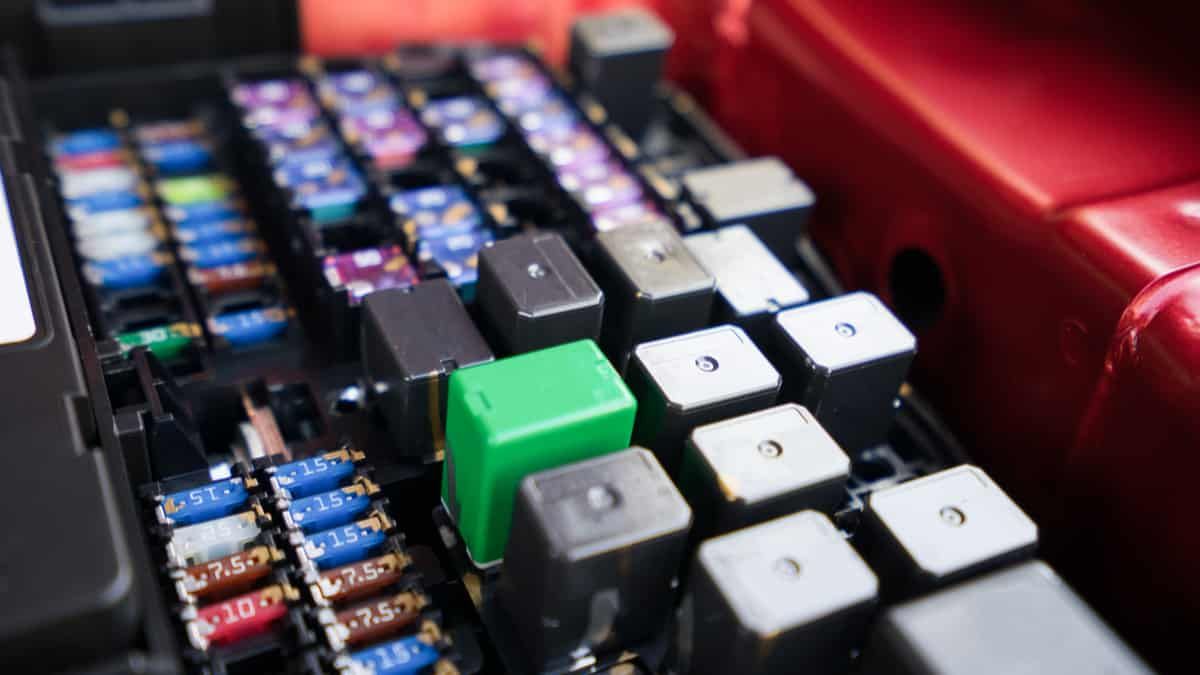
Car fuses are one of the simplest but most important protection components in a vehicle’s electrical system. A fuse is designed to protect wiring, electrical components, and control modules against excessive current. When the current flowing through a circuit becomes too high, the fuse element melts and opens the circuit.
For this reason, a blown fuse is not usually the root cause of an electrical problem. In many cases, it is a warning that there is an underlying fault somewhere in the circuit.
What Is a Car Fuse?
A car fuse is a small electrical protection device installed between the power supply and an electrical circuit.
Different vehicle systems use different fuse ratings. For example, separate fuses may protect:
-
Headlights
-
Interior lights
-
Power windows
-
Central locking
-
Radio and multimedia systems
-
Fuel pumps
-
Cooling fans
-
Wipers
-
Horn
-
ABS and ESP systems
-
Engine control components
-
Air conditioning
-
Cigarette lighter and 12V sockets
-
Electric seats
-
Heated seats
-
Various electronic control modules
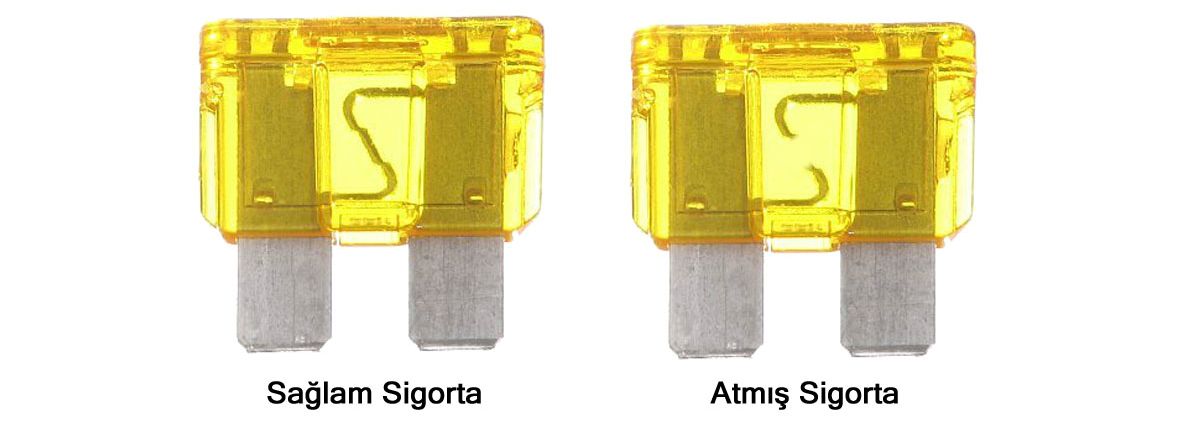
The fuse contains a thin metal element designed to carry a specific amount of current. If the current exceeds the fuse's designed capacity for long enough, the element melts.
This disconnects the circuit before excessive heat can damage the wiring or electrical components.
Why Does a Car Fuse Blow?
The most common reason is excessive current caused by an electrical fault.
A fuse does not normally blow simply because it is old. It usually blows because something in the protected circuit is drawing more current than it should.
Common causes include:
-
Short circuits
-
Damaged wiring
-
Overloaded circuits
-
Faulty electrical components
-
Water or moisture intrusion
-
Corroded connectors
-
Incorrectly installed accessories
-
Faulty relays
-
Electric motors drawing excessive current
-
Incorrect fuse installation
-
Wiring modifications
-
Aftermarket equipment
-
Internal component failure
Finding the reason behind the excessive current is much more important than simply replacing the fuse.
Short Circuit Is One of the Most Common Causes
A short circuit occurs when electrical current finds an unintended low-resistance path.
For example, a wire carrying battery voltage may become damaged and touch the vehicle body or another ground point. This can cause a very large current to flow through the circuit.
The fuse then blows to interrupt the current.
Wiring can become damaged because of:
-
Rubbing against metal components
-
Heat from the engine or exhaust system
-
Aging and cracking
-
Rodent damage
-
Incorrect previous repairs
-
Water intrusion
-
Accident damage
-
Poorly installed aftermarket accessories
A fuse that blows immediately after replacement is often a strong indication of a short circuit.
Why Does the Same Fuse Keep Blowing?
If you replace a fuse and it blows again shortly afterward, the electrical fault is probably still present.
For example, if the fuse protecting a fuel pump circuit repeatedly blows, possible causes include:
-
A failing fuel pump motor
-
A shorted fuel pump wire
-
Damaged wiring near the fuel tank
-
A faulty relay
-
Water or corrosion in a connector
-
An electrical problem in the control circuit
Replacing the fuse repeatedly will not solve the underlying problem.
Can a Faulty Electrical Motor Blow a Fuse?
Yes.
Many vehicles contain electric motors that can draw significant current, including:
-
Cooling fan motors
-
Blower motors
-
Wiper motors
-
Window regulator motors
-
Seat motors
-
Fuel pumps
-
Sunroof motors
An electric motor normally draws a certain amount of current. If the motor begins to seize or its internal components deteriorate, its current consumption can increase.
The increased current may eventually blow the fuse.
This is particularly common with older electric motors whose bearings, brushes, or internal windings are deteriorating.
Can a Weak Battery Cause a Fuse to Blow?
A weak battery does not normally cause a fuse to blow by itself.
However, low system voltage can cause certain electrical motors and electronic systems to behave abnormally. A motor may draw increased current under certain conditions, and electrical faults can become more noticeable when the charging system is not operating correctly.
The battery, alternator, and electrical system voltage should therefore be checked when several electrical problems occur at the same time.
However, simply replacing a fuse because the battery is weak is not an appropriate diagnosis.
Can Water Cause a Car Fuse to Blow?
Yes.
Water and moisture can cause serious electrical problems.
If water enters a connector, fuse box, wiring harness, relay box, or electrical component, it can create:
-
Short circuits
-
Leakage currents
-
Corrosion
-
Poor electrical connections
-
Intermittent faults
Water intrusion is particularly important to consider when a fuse starts blowing after:
-
Heavy rain
-
Car washing
-
Flooding
-
Windshield leakage
-
Sunroof drainage problems
-
Engine-bay cleaning
If the problem occurs only during wet conditions, moisture intrusion should be investigated carefully.
Aftermarket Accessories Can Also Cause Blown Fuses
Incorrectly installed aftermarket equipment is another common cause.
Examples include:
-
Dash cameras
-
Audio systems
-
Amplifiers
-
LED lighting
-
Parking sensors
-
Remote starters
-
Additional USB chargers
-
Heated accessories
-
Alarm systems
-
Trailer wiring
-
Additional electrical equipment
An accessory connected to the wrong circuit or installed with incorrect wiring can overload the original vehicle circuit.
Poor-quality installations can also create short circuits.
What Happens If You Install a Larger Fuse?
Installing a larger fuse than specified by the manufacturer is dangerous.
For example, replacing a 10-amp fuse with a 20-amp fuse does not solve the electrical problem. It simply allows more current to flow before the circuit is disconnected.
The wiring may then become excessively hot.
In extreme cases, this can damage the wiring insulation or create a fire risk.
The correct fuse rating should always be used.
What Happens If You Install a Smaller Fuse?
A smaller fuse can also cause problems.
It may blow even though the electrical circuit is operating normally because the fuse cannot tolerate the circuit's normal current demand.
For example, installing a 5-amp fuse in a circuit designed for a 10-amp fuse may cause repeated fuse failures.
Therefore, the fuse rating should always match the vehicle manufacturer's specification.
Why Does a Fuse Blow Immediately?
If a replacement fuse blows immediately when the ignition is switched on or when a particular function is activated, this provides an important diagnostic clue.
Possible causes include:
-
Direct short to ground
-
Shorted wiring
-
Faulty relay
-
Shorted electrical component
-
Seized electric motor
-
Incorrect aftermarket installation
-
Water inside the circuit
-
Damaged connector
-
Internal control-module failure
The exact timing of the fuse failure can help identify where the problem is located.
Why Does a Fuse Blow Only Sometimes?
An intermittent blown fuse can be more difficult to diagnose.
The circuit may work normally for a while and then suddenly draw excessive current.
Possible causes include:
-
Wiring that moves while driving
-
A loose connector
-
Intermittent short circuit
-
Water entering the circuit
-
A motor that occasionally binds
-
Heat-related electrical faults
-
Vibration
-
Damaged insulation
For example, a wire may be rubbing against the body. While the vehicle is stationary, everything may appear normal. When the vehicle moves, the wiring can shift and touch the body, causing the fuse to blow.
Can a Bad Relay Blow a Fuse?
Yes.
A relay controls electrical power to many high-current components. If a relay develops an internal short circuit or if the circuit controlled by the relay has a problem, excessive current can occur.
However, the relay itself should not automatically be blamed.
The relay, its control circuit, the load, and the wiring should all be tested.
What Does a Blown Fuse Tell You?
A blown fuse tells you that the protected circuit experienced an abnormal current condition.
It does not automatically tell you which component is faulty.
For example, a fuse protecting several components may blow because of:
-
One failed component
-
A short in the wiring
-
A damaged connector
-
A faulty relay
-
Water intrusion
-
An aftermarket accessory
This distinction is extremely important when diagnosing vehicle electrical problems.
How Should a Blown Car Fuse Be Diagnosed?
The first step is to identify exactly which fuse has failed.
Check the vehicle's fuse diagram and determine which systems are protected by that fuse.
Then inspect the circuit for obvious problems.
A proper diagnostic process may include:
-
Checking the fuse rating
-
Identifying the protected circuit
-
Inspecting visible wiring
-
Checking connectors
-
Looking for corrosion
-
Checking for water intrusion
-
Testing relays
-
Measuring circuit resistance
-
Checking for a short to ground
-
Measuring current draw
-
Disconnecting electrical loads one at a time
-
Testing motors and actuators
-
Checking aftermarket accessories
-
Scanning relevant control modules when appropriate
A multimeter or current clamp can be extremely useful during diagnosis.
Can an OBD Scanner Find a Blown Fuse?
Sometimes, but not always.
An OBD scanner can identify fault codes associated with systems that have lost electrical power or communication.
For example, a blown fuse may cause a control module or sensor to stop operating, resulting in communication or circuit-related fault codes.
However, a basic OBD scanner cannot necessarily identify the exact reason why a fuse blew.
Electrical testing is often required.
Should You Keep Replacing a Blown Fuse?
No.
If a fuse blows once, replacing it with the correct fuse may be reasonable if there is no obvious problem and the failure appears to have been isolated.
But if the new fuse blows again, repeatedly replacing it is not a proper repair.
The circuit should be diagnosed before continuing to use the vehicle.
Repeated fuse replacement can also make diagnosis more difficult and may create additional electrical problems.
Is It Safe to Drive With a Blown Fuse?
It depends on which fuse has blown.
If the fuse controls a non-essential convenience feature, the vehicle may still operate normally.
However, if the fuse protects a critical system such as:
-
Fuel delivery
-
Engine management
-
ABS
-
ESP
-
Brake-related electronics
-
Exterior lighting
-
Cooling fans
-
Transmission control
driving may be unsafe or the vehicle may stop operating.
If a fuse related to an important safety or engine system keeps blowing, the vehicle should be inspected rather than driven normally.
Why Should You Never Ignore Repeated Fuse Failures?
A fuse is designed to protect the vehicle's electrical system.
If it repeatedly blows, it is effectively telling you that something is wrong.
Ignoring the problem can result in:
-
Damaged wiring
-
Failed electronic components
-
Battery discharge
-
Vehicle breakdown
-
Loss of important electrical functions
-
Overheated wiring
-
In severe cases, an electrical fire
The fuse itself is usually not the real problem. It is often the component that prevents a larger problem from occurring.
Final Thoughts
Car fuses blow because an electrical circuit is experiencing excessive current or another abnormal electrical condition. Short circuits, damaged wiring, faulty motors, relays, water intrusion, corroded connectors, and incorrectly installed aftermarket equipment are among the most common causes.
The correct response is not simply to install another fuse and continue driving.
First identify which fuse has blown, determine which systems it protects, and investigate why excessive current occurred. Always use the correct fuse rating specified for the vehicle.
Most importantly, a blown fuse should be treated as a symptom, not automatically as the cause of the problem. Proper electrical diagnosis is the key to finding the actual fault and preventing the fuse from blowing again.