TR
TR EN
EN

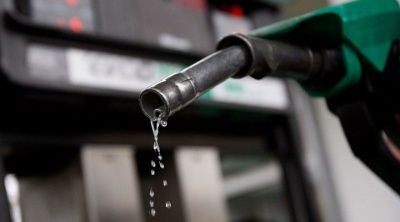
What Is Bad Fuel and How Can You Tell?
Bad fuel is fuel that cannot provide the expected performance because it has been contaminated, degraded, incorrectly formulated, or mixed with unwanted substances. Water, dirt, sediment, degraded fuel, and contamination from another fuel can all cause problems.
Bad fuel can affect engine performance, fuel economy, emissions, and the operation of components such as the fuel pump, fuel filter, and injectors.
In some cases, the symptoms appear shortly after refueling. In other cases, the problem develops gradually as contaminants accumulate in the fuel system.
How Does Fuel Become Bad?
There are several ways fuel can become contaminated or lose its expected properties.
Possible causes include:
-
Water entering a storage tank
-
Dirt or sediment entering the fuel
-
Poor fuel storage conditions
-
Fuel being stored for an extended period
-
Contamination during transportation or distribution
-
Incorrect fuel handling
-
Mixing different fuel products
-
Fuel-system contamination
Problems can sometimes originate from the fuel station's storage system. For example, water or sediment accumulated in an underground storage tank can potentially enter the fuel supply.
Why Does Gasoline Go Bad?
Gasoline can gradually change when it is stored for a long time.
Some of its more volatile components can evaporate, while oxidation and other chemical processes can affect its properties. The rate at which gasoline deteriorates depends on factors such as temperature, storage conditions, container design, and how long it remains unused.
Old or degraded gasoline may contribute to:
-
Difficult starting
-
Rough running
-
Poor acceleration
-
Engine hesitation
-
Misfires
-
Reduced performance
There is no universal period after which every gasoline product automatically becomes unusable. Storage conditions make a significant difference.
Why Does Diesel Fuel Go Bad?
Diesel fuel can also develop quality problems during storage.
One of the most important contaminants is water. Diesel systems are particularly sensitive to water because it can contribute to corrosion and damage in precision fuel-system components.
Under certain conditions, microorganisms can also grow at the fuel-water interface and produce sludge or other contaminants.
Possible consequences include:
-
Clogged fuel filters
-
Restricted fuel flow
-
Injector problems
-
Fuel-pressure problems
-
Difficult starting
-
Loss of engine power
This is especially important in modern common-rail diesel systems, where fuel-system components operate with very tight tolerances.
What Are the Most Common Symptoms of Bad Fuel?
Bad fuel can produce many different symptoms, but none of these symptoms automatically proves that the fuel is the cause.
Similar problems can result from faulty spark plugs, ignition coils, injectors, sensors, vacuum leaks, fuel-pressure problems, air filters, or mechanical engine faults.
However, the possibility of bad fuel becomes more interesting when a vehicle develops several symptoms immediately after refueling.
Engine Misfire
One of the most noticeable symptoms can be an engine misfire.
A misfire occurs when one or more cylinders fail to burn the air-fuel mixture properly.
The driver may notice:
-
Engine shaking
-
Hesitation during acceleration
-
Uneven engine operation
-
Reduced power
-
Jerking under load
A misfire should not automatically be blamed on fuel. Ignition components, injectors, compression, air leaks, and fuel pressure should also be considered.
Poor Acceleration
A vehicle affected by fuel contamination may feel unusually weak when accelerating.
The problem can become more noticeable when the engine is under heavy load, such as during:
-
Highway acceleration
-
Uphill driving
-
High RPM operation
-
Full-throttle acceleration
If the engine cannot receive or properly burn the required amount of fuel, power output can decrease.
Engine Hesitation
The engine may hesitate when the accelerator is pressed.
Instead of responding immediately, the engine may feel as though it temporarily loses power before accelerating.
This can occur when contaminated fuel affects fuel delivery or combustion, but hesitation can also be caused by throttle problems, ignition faults, vacuum leaks, sensor issues, or insufficient fuel pressure.
Difficult Starting
Bad or degraded fuel can make an engine difficult to start.
The problem may be particularly noticeable after refueling if contaminated fuel has already reached the fuel rail or injectors.
However, difficult starting can have many other causes, including:
-
Weak battery
-
Low fuel pressure
-
Faulty fuel pump
-
Faulty crankshaft position sensor
-
Ignition problems
-
Injector problems
-
Incorrect engine-temperature information
For this reason, fuel quality should be investigated rather than assumed.
Rough Idle
A contaminated or unsuitable fuel supply can cause the engine to run unevenly at idle.
The engine may:
-
Shake
-
Vibrate
-
Fluctuate in RPM
-
Almost stall
-
Stall completely
Again, these symptoms are not exclusive to bad fuel. Vacuum leaks, dirty injectors, ignition faults, throttle-body problems, and engine-management issues can produce similar behavior.
Increased Fuel Consumption
Fuel quality problems can sometimes contribute to increased fuel consumption.
If combustion quality changes, the engine management system may attempt to compensate under certain conditions. However, fuel consumption is affected by many other factors.
Possible causes include:
-
Low tire pressure
-
Aggressive driving
-
Traffic conditions
-
Faulty oxygen sensors
-
Injector problems
-
Thermostat problems
-
Incorrect fuel pressure
-
Air-intake problems
Therefore, increased consumption alone is not sufficient evidence of bad fuel.
Check Engine Light
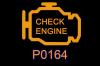
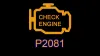
Bad fuel can sometimes cause the Check Engine light to illuminate.
If fuel contamination causes combustion problems, the engine control module may detect misfires or abnormal emissions-related behavior.
The vehicle may store OBD diagnostic trouble codes related to:
-
Misfires
-
Fuel mixture
-
Fuel pressure
-
Fuel system operation
-
Emissions
However, an OBD code does not normally mean "bad fuel" by itself.
For example, a misfire code could be caused by a spark plug, ignition coil, injector, fuel pressure problem, compression issue, or contaminated fuel.
The code should therefore be treated as a starting point for diagnosis rather than proof that a particular component or the fuel itself is defective.
Can Water in Fuel Cause Problems?
Yes.
Water contamination is particularly serious in diesel fuel systems.
Water can reduce lubrication, promote corrosion, and interfere with fuel-system components. In modern high-pressure diesel systems, this can potentially lead to expensive component damage.
Gasoline engines can also experience serious running problems if significant amounts of water enter the fuel system.
Possible symptoms include:
-
Misfires
-
Difficult starting
-
Stalling
-
Poor acceleration
-
Reduced power
-
Fuel-system problems
If water contamination is suspected, the fuel should be professionally inspected rather than attempting unsafe fuel handling.
Can You Tell Bad Fuel by Its Color?
Fuel color alone is not a reliable way to determine fuel quality.
Fuel appearance can vary depending on the fuel type, formulation, additives, and lighting conditions.
Therefore, saying that fuel is bad simply because it looks slightly different is not technically reliable.
However, visible:
-
Sediment
-
Unusual cloudiness
-
Water separation
-
Foreign particles
-
Excessive contamination
can provide evidence that further investigation is necessary.
Can You Tell Bad Fuel by Its Smell?
Fuel odor can provide clues, but it is not a definitive test.
Gasoline and diesel naturally have characteristic odors, and different fuel formulations can smell somewhat different.
An unusually strong or unfamiliar odor may justify further investigation, especially when combined with engine problems.
However, fuel should not be deliberately smelled as a diagnostic test. Gasoline and its vapors are flammable, and direct exposure should be avoided.
What Happens If You Get Bad Fuel?
The consequences depend on what is wrong with the fuel and how much contaminated fuel has entered the vehicle.
A small amount of contamination may cause temporary running problems, while severe contamination can affect fuel-system components.
Potentially affected components include:
-
Fuel filter
-
Fuel pump
-
Fuel injectors
-
Fuel-pressure regulator
-
Fuel rails
-
High-pressure fuel pump on certain systems
In severe cases, contaminated fuel can create conditions that lead to expensive fuel-system repairs.
How Can You Tell If the Problem Started With Refueling?
Timing is an important diagnostic clue.
Suppose the vehicle was running normally before refueling and developed several new symptoms shortly afterward.
That does not prove that the fuel was bad, but it increases the importance of investigating the fuel supply.
Useful information includes:
-
Where the vehicle was refueled
-
When it was refueled
-
How much fuel was added
-
When the symptoms started
-
Whether the fuel type was correct
-
Whether the vehicle had any symptoms before refueling
Keeping the fuel receipt can also be useful if the fuel quality later needs to be investigated.
How Is Bad Fuel Properly Diagnosed?
A proper diagnosis should examine both the fuel itself and the vehicle's fuel system.
Depending on the symptoms, a technician may inspect:
Fuel sample
A sample can be examined for water, sediment, unusual contamination, or other abnormalities.
Fuel filter
The filter can be inspected for dirt, water, sludge, or other contamination.
Fuel pressure
The appropriate fuel-pressure test can determine whether the fuel system is maintaining the required pressure.
Fuel flow
Fuel delivery can also be checked when insufficient fuel supply is suspected.
Injectors
Injector operation may need to be evaluated if contamination or poor fuel delivery is suspected.
OBD data
Diagnostic trouble codes and live engine data can help determine whether the engine is experiencing misfires, mixture problems, or fuel-system abnormalities.
Can a Fuel Sample Confirm Bad Fuel?
A properly collected fuel sample can provide much stronger evidence than engine symptoms alone.
A sample can potentially reveal:
-
Water contamination
-
Sediment
-
Foreign material
-
Separation
-
Incorrect fuel
-
Other abnormalities
For more detailed investigation, laboratory fuel analysis can provide information that cannot be determined reliably by simply looking at the fuel.
Can Bad Fuel Damage Fuel Injectors?
Yes, depending on the type and severity of contamination.
Modern fuel injectors operate with very small clearances and require clean fuel.
Water and abrasive particles can be particularly harmful to precision fuel-system components.
In diesel common-rail systems, contamination can be especially serious because the high-pressure fuel system depends on precise operation and adequate lubrication.
However, an injector that has failed should not automatically be blamed on bad fuel. Injector electrical faults, wear, deposits, fuel-pressure problems, and other issues can produce similar symptoms.
Can Bad Fuel Damage the Fuel Pump?
Contaminated fuel can also affect the fuel pump.
Water can contribute to corrosion, while abrasive particles can increase wear on pump components.
A fuel pump affected by a fuel-system problem may produce symptoms such as:
-
Low fuel pressure
-
Difficult starting
-
Loss of power
-
Engine stalling
-
Unusual pump noise
But these symptoms can also result from a blocked filter, electrical supply problem, poor grounding, wiring problems, or a faulty pressure-control system.
Is the Wrong Fuel the Same as Bad Fuel?
No.
These are two different situations.
Bad fuel generally refers to fuel that is contaminated, degraded, or otherwise unsuitable despite being the correct fuel type.
Wrong fuel means that the vehicle was filled with a different fuel than the engine requires.
For example, putting gasoline into a diesel vehicle or diesel into a gasoline vehicle is a wrong-fuel situation.
If the wrong fuel has been added, continuing to operate the engine can increase the risk of damage. The vehicle should be assessed according to the manufacturer's recommended procedure.
What Should You Do If You Suspect Bad Fuel?
If the vehicle develops serious symptoms shortly after refueling, avoid unnecessary continued driving until the cause is understood.
A sensible diagnostic approach is:
Keep the fuel receipt.
Record where and when the fuel was purchased.
Record the symptoms.
Note when the problem began and whether it appeared immediately after refueling.
Scan the vehicle for diagnostic codes.
An OBD scan can provide useful information about misfires, fuel pressure, mixture control, and other systems.
Inspect the fuel filter.
Depending on the vehicle, the filter may provide evidence of contamination.
Test fuel pressure and delivery.
This helps determine whether the engine is receiving the required amount of fuel.
Check a fuel sample if necessary.
When fuel contamination is strongly suspected, the fuel itself should be examined using an appropriate method.
Should You Replace Parts Immediately?
Not necessarily.
This is an important point because bad fuel symptoms can easily lead to unnecessary parts replacement.
For example, an engine that starts misfiring after refueling may lead someone to replace:
-
Spark plugs
-
Ignition coils
-
Injectors
-
Fuel pump
-
Sensors
without first confirming the actual cause.
A diagnostic code identifies a system or condition that needs investigation; it does not automatically identify the failed component.
Testing should come before expensive parts replacement whenever possible.
Can Fuel Additives Fix Bad Fuel?
Fuel additives should not be considered a universal solution for contaminated fuel.
An additive cannot reliably remove large amounts of water, severe contamination, or incorrect fuel from a fuel tank.
Some additives are designed for specific purposes, such as cleaning deposits or improving certain fuel properties, but they should only be used when they are compatible with the vehicle and fuel.
If the fuel is seriously contaminated, removing the contaminated fuel and properly inspecting the fuel system may be necessary.
How Can You Reduce the Risk of Bad Fuel?
There is no way to completely eliminate the possibility of receiving contaminated fuel, but some precautions can reduce the risk.
Use reputable fuel stations and avoid fueling from questionable sources.
It is also useful to:
-
Keep fuel receipts
-
Use the correct fuel grade
-
Avoid storing fuel improperly
-
Follow the manufacturer's fuel recommendations
-
Replace the fuel filter according to the vehicle manufacturer's requirements
-
Investigate unusual symptoms promptly
For vehicles that are rarely driven, proper fuel storage practices become particularly important.
Can Bad Fuel Cause Permanent Engine Damage?
It can, depending on the contamination and how long the vehicle continues to operate.
A small amount of poor-quality fuel may cause temporary drivability problems without causing permanent damage.
Severe contamination, especially water or abrasive particles, can be much more serious. Continued operation can potentially damage fuel-system components and, in extreme circumstances, contribute to engine problems.
The sooner the problem is identified, the easier it generally is to prevent secondary damage.
The Most Important Point About Bad Fuel
A vehicle that begins misfiring, losing power, consuming more fuel, or showing a Check Engine light shortly after refueling may have a fuel-quality problem, but these symptoms do not prove that the fuel is bad.
A reliable diagnosis should consider the entire fuel and engine-management system.
Fuel pressure, fuel flow, the fuel filter, injectors, ignition system, OBD data, and, when appropriate, a fuel sample should be evaluated together.
The timing of the symptoms is an important clue, but the strongest confirmation comes from finding actual contamination or abnormal fuel properties rather than simply replacing vehicle components based on symptoms.