TR
TR EN
EN

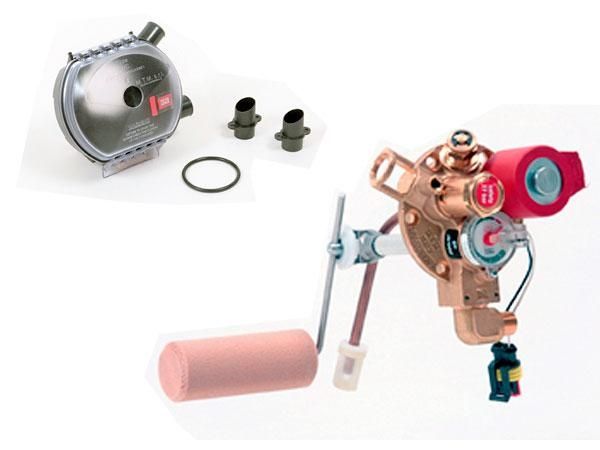
What Is an LPG Multivalve? What Are the Symptoms of Failure?
An LPG multivalve is one of the most important components installed on an LPG fuel tank. It combines several functions into a single assembly and helps control the filling, storage, and delivery of LPG while providing important safety functions.
Unlike the LPG float, which is primarily associated with fuel-level measurement, the multivalve is a complete tank-mounted assembly containing several valves and mechanisms.
Because LPG is stored as a pressurized liquid, the multivalve has an important role in controlling the fuel safely between the tank, filling system, and engine-side LPG system.
What Does an LPG Multivalve Do?
The exact configuration depends on the LPG system and tank design, but an LPG multivalve can incorporate several important functions.
These may include:
-
LPG filling control
-
LPG outlet control
-
Overfilling protection
-
Pressure relief
-
Manual shutoff
-
Fuel-level measurement
-
Tank safety functions
The multivalve therefore does much more than simply open and close the LPG supply.
It is designed to keep the LPG tank and fuel system operating within the required safety conditions.
Where Is the LPG Multivalve Located?
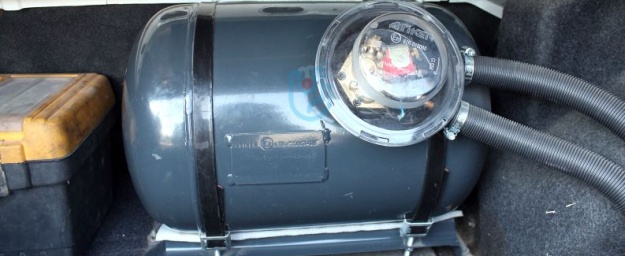
The multivalve is mounted directly on the LPG tank.
Its location depends on the type of tank.
In a toroidal LPG tank, commonly known as a spare-wheel-well or donut-shaped tank, the multivalve is generally installed in the designated valve area on the upper part of the tank.
In a cylindrical tank, the arrangement can be different depending on the tank design.
The multivalve is connected to the LPG lines that allow the tank to be filled and supply LPG to the rest of the system.
How Does an LPG Multivalve Work?
The multivalve manages the flow of LPG between the tank and the connected fuel system.
During refueling, LPG enters the tank through the filling system. The multivalve incorporates mechanisms intended to prevent the tank from being filled beyond its permitted level.
During vehicle operation, LPG leaves the tank through the designated outlet and continues toward the LPG fuel system.
If pressure or another operating condition reaches an unsafe level, the appropriate safety mechanism can act according to the design of the system.
The important point is that the multivalve is not simply one valve. It is a combination of several functions in one tank-mounted assembly.
LPG Multivalve and LPG Float: What Is the Difference?
These terms are sometimes confused.
The LPG float is primarily associated with measuring the LPG level inside the tank.
The LPG multivalve is the complete assembly containing several fuel-control and safety functions.
Depending on the system, the fuel-level mechanism and sensor may be integrated into or connected to the multivalve assembly.
Therefore:
LPG float = fuel-level measurement mechanism
LPG multivalve = complete tank-mounted valve and safety assembly
This distinction is important when ordering replacement parts or diagnosing a problem.
What Are the Symptoms of an LPG Multivalve Failure?
A multivalve problem can produce different symptoms depending on which function has been affected.
Possible symptoms include:
-
LPG filling problems
-
The tank refusing to accept the expected amount of LPG
-
LPG level being displayed incorrectly
-
Difficulty supplying LPG from the tank
-
Unexpected switching from LPG to gasoline
-
Abnormal LPG flow
-
Problems after refueling
-
LPG odor around the tank area
-
Pressure-related problems
-
A fuel-level indicator that behaves incorrectly
Not every symptom means that the entire multivalve needs to be replaced.
A proper diagnosis should identify which function is actually malfunctioning.
LPG Tank Does Not Fill Normally
One possible symptom of a problem in the filling system is that the LPG tank does not accept fuel normally.
The filling process may stop earlier than expected or behave differently from normal.
However, a filling problem does not automatically mean that the multivalve is defective.
Other possibilities include:
-
Filling valve problems
-
Filling-line restrictions
-
Station-side equipment
-
Incorrect installation
-
Tank-related issues
-
A problem with the overfill protection mechanism
The vehicle and filling system should therefore be inspected before replacing expensive components.
LPG Tank Seems to Fill Very Little
If the tank consistently accepts significantly less LPG than expected, the cause should be investigated.
One possibility is an issue with the tank's internal filling or overfill-control mechanism.
However, the amount of LPG that can be added also depends on the amount already remaining in the tank, tank capacity, temperature, and the operation of the filling equipment.
A single unusual refueling event is not enough to prove a multivalve failure.
LPG Gauge Shows the Wrong Level
Because the level-measuring mechanism can be associated with the tank assembly, a multivalve-related problem may sometimes affect the LPG level indication.
The gauge may:
-
Remain on full
-
Remain on empty
-
Move irregularly
-
Fail to change after refueling
-
Drop suddenly
-
Show a level that does not correspond well with actual LPG consumption
However, the LPG gauge itself, level sensor, wiring, calibration, or LPG ECU can also cause these symptoms.
Therefore, an inaccurate gauge should not automatically be diagnosed as a defective multivalve.
Vehicle Suddenly Switches From LPG to Gasoline
If the vehicle unexpectedly changes from LPG to gasoline, there can be many possible causes.
A problem affecting LPG supply from the tank can contribute to the symptom, particularly if the system cannot maintain the required fuel conditions.
However, other components should also be considered:
-
LPG pressure regulator
-
LPG filter
-
LPG injectors
-
LPG pressure sensor
-
LPG ECU
-
Electrical connections
-
Wiring
-
Fuel-pressure control
The multivalve should therefore be considered as part of a broader LPG fuel-supply diagnosis.
LPG Flow Problems
A problem affecting the tank outlet or internal valve mechanism can restrict LPG delivery.
This may become more noticeable when the engine requires more fuel, such as during:
-
Hard acceleration
-
High RPM
-
Uphill driving
-
Heavy vehicle load
-
Turbocharged engine operation
The engine may then lose power or switch back to gasoline.
However, a restricted LPG filter or insufficient regulator capacity can create very similar symptoms.
LPG Smell Around the Tank Area
An LPG smell should never be considered normal.
If the smell is noticed around the tank or tank-valve area, a leak should be investigated immediately.
Possible causes can include:
-
Loose connection
-
Damaged seal
-
Damaged LPG line
-
Valve problem
-
Installation issue
-
Tank assembly problem
Because LPG is highly flammable, leak detection should be performed using an appropriate professional method.
Do not attempt to locate an LPG leak with a flame.
Can an LPG Multivalve Cause an LPG Leak?
A damaged valve, seal, connection, or improperly installed component can potentially contribute to an LPG leak.
However, an LPG smell does not automatically mean that the multivalve itself has failed.
The complete area around the tank and associated connections should be inspected.
A leak should be treated as a safety issue rather than simply as a drivability problem.
Can a Faulty Multivalve Prevent the Vehicle From Running on LPG?
Yes, depending on the type of failure.
If the multivalve or its associated outlet mechanism cannot provide the required LPG flow, the engine may not receive sufficient fuel.
Possible results include:
-
Failure to switch to LPG
-
Switching back to gasoline
-
Engine hesitation
-
Loss of power
-
Stalling
-
Poor performance under load
But these symptoms can also be caused by components farther downstream in the LPG system.
A multivalve should therefore be tested before replacement.
Can a Multivalve Cause Poor LPG Performance?
It can, if the multivalve or its associated fuel-supply path restricts the required LPG flow.
For example, a vehicle might operate normally at idle and during light driving but experience problems when fuel demand increases.
However, poor LPG performance is much more commonly associated with the entire fuel system rather than one component alone.
The technician should consider:
-
Tank outlet flow
-
LPG filter condition
-
Regulator pressure
-
LPG injector operation
-
Pressure sensor data
-
LPG ECU calibration
-
Electrical supply
-
Fuel lines
LPG Multivalve Failure and Fuel Pressure
The multivalve is involved in controlling the connection between the pressurized tank and the downstream LPG system, but it should not automatically be blamed for every LPG pressure problem.
LPG pressure is also influenced by:
-
Tank temperature
-
LPG composition
-
Fuel level
-
Regulator operation
-
Fuel demand
-
Restrictions in the fuel line
-
Filter condition
If the vehicle experiences abnormal LPG pressure, pressure should be measured and compared with the specifications of the particular LPG system.
Can the LPG Multivalve Affect LPG Refueling Safety?
Yes.
The multivalve contains important safety-related functions designed to help control LPG filling and storage.
One important function in many systems is overfill protection.
LPG tanks are not intended to be filled completely with liquid LPG. Space must remain inside the tank to accommodate expansion as temperature changes.
The exact filling limitation and safety arrangement depend on the tank and system specifications.
For this reason, the multivalve should never be modified or bypassed.
What Happens If the LPG Multivalve Is Installed Incorrectly?
Incorrect installation can create serious problems.
Possible consequences include:
-
Incorrect fuel-level indication
-
Filling problems
-
LPG leakage
-
Poor fuel delivery
-
Incorrect valve operation
-
Safety problems
The correct multivalve must also be compatible with the tank and LPG system.
It is not simply a universal valve that can be installed on any LPG tank without considering specifications.
Can an LPG Multivalve Be Repaired?
Whether a multivalve can be repaired depends on the specific component and system.
Some external or replaceable elements may be serviceable, while internal safety mechanisms may require replacement of the appropriate assembly rather than improvised repair.
Because the multivalve is directly associated with a pressurized LPG tank, disassembly should not be treated as a normal DIY repair.
A qualified LPG technician should determine whether repair or replacement is appropriate.
When Should an LPG Multivalve Be Replaced?
Replacement should generally be considered when testing confirms that a critical function of the multivalve has failed or when the assembly is damaged, incompatible, or otherwise no longer suitable for safe operation.
Typical reasons can include:
-
Confirmed internal valve failure
-
Damage to the assembly
-
Persistent fuel-flow problems traced to the valve
-
Confirmed filling-system failure
-
Leakage caused by the assembly
-
Incorrect or incompatible installation
-
Safety-related defects
The complete LPG system should be inspected before replacement.
Should You Replace the Multivalve Immediately If the LPG Gauge Is Wrong?
No.
An inaccurate LPG gauge is not enough evidence to condemn the entire multivalve.
The technician should first check:
-
LPG level sensor
-
Float mechanism
-
Sensor wiring
-
Electrical connectors
-
Gauge
-
LPG ECU
-
Calibration
If the problem is only the level-sensing system, replacing the complete multivalve may be unnecessary.
How Is an LPG Multivalve Diagnosed?
Diagnosis should be based on the symptom.
For a fuel-level problem, the level sensor, float mechanism, wiring, and gauge should be checked.
For a filling problem, the filling circuit and related components should be examined.
For an LPG supply problem, the technician should check fuel flow and downstream pressure.
For a suspected leak, the tank, valve assembly, connections, and LPG lines should be inspected using an appropriate leak-detection procedure.
For an engine performance problem, the LPG regulator, filters, injectors, pressure sensors, and calibration should also be evaluated.
This approach prevents unnecessary multivalve replacement.
Why Is LPG Multivalve Maintenance Important?
The multivalve is directly associated with the LPG tank, which stores fuel in liquid form under pressure.
A problem in this area is therefore more important from a safety perspective than a simple incorrect fuel-level reading.
Regular inspection is particularly important when:
-
The tank has been removed or replaced
-
LPG system components have been modified
-
There is an LPG smell
-
Refueling behavior changes
-
The fuel gauge suddenly becomes inaccurate
-
The vehicle develops unexplained LPG supply problems
Any work involving the tank and its valve assembly should follow the applicable safety procedures and the requirements of the LPG system manufacturer.
LPG Multivalve vs. LPG ECU
These components have completely different roles.
The LPG multivalve is a physical component installed on the tank and is responsible for fuel-flow and safety-related functions.
The LPG ECU is the electronic control unit that manages the operation of the LPG injection system according to sensor information and programmed strategies.
A multivalve is not electronically equivalent to an LPG ECU.
LPG Multivalve vs. LPG Regulator
The multivalve and regulator also perform different jobs.
The multivalve is associated with the LPG tank and controls the tank-side fuel path and safety functions.
The LPG regulator, also called the vaporizer in many systems, reduces and regulates LPG pressure before the fuel reaches the engine-side components.
A regulator problem can produce symptoms that look similar to a tank-side fuel-supply problem, so the two should not be confused during diagnosis.
The Most Important Point About LPG Multivalve Failure
The LPG multivalve is a complete tank-mounted assembly that combines fuel-control and safety-related functions. It is much more than an LPG float or level sensor.
A faulty multivalve can potentially cause filling problems, fuel-supply issues, inaccurate level information, or safety-related problems. However, symptoms such as poor LPG performance, incorrect gauge readings, or switching back to gasoline do not automatically prove that the multivalve is defective.
The correct approach is to diagnose the specific function that is failing and then determine whether the fault originates from the multivalve itself or from another part of the LPG system. Because the multivalve is connected directly to a pressurized LPG tank, inspection, removal, and replacement should be carried out by a qualified LPG technician using the correct equipment and procedures.