TR
TR EN
EN

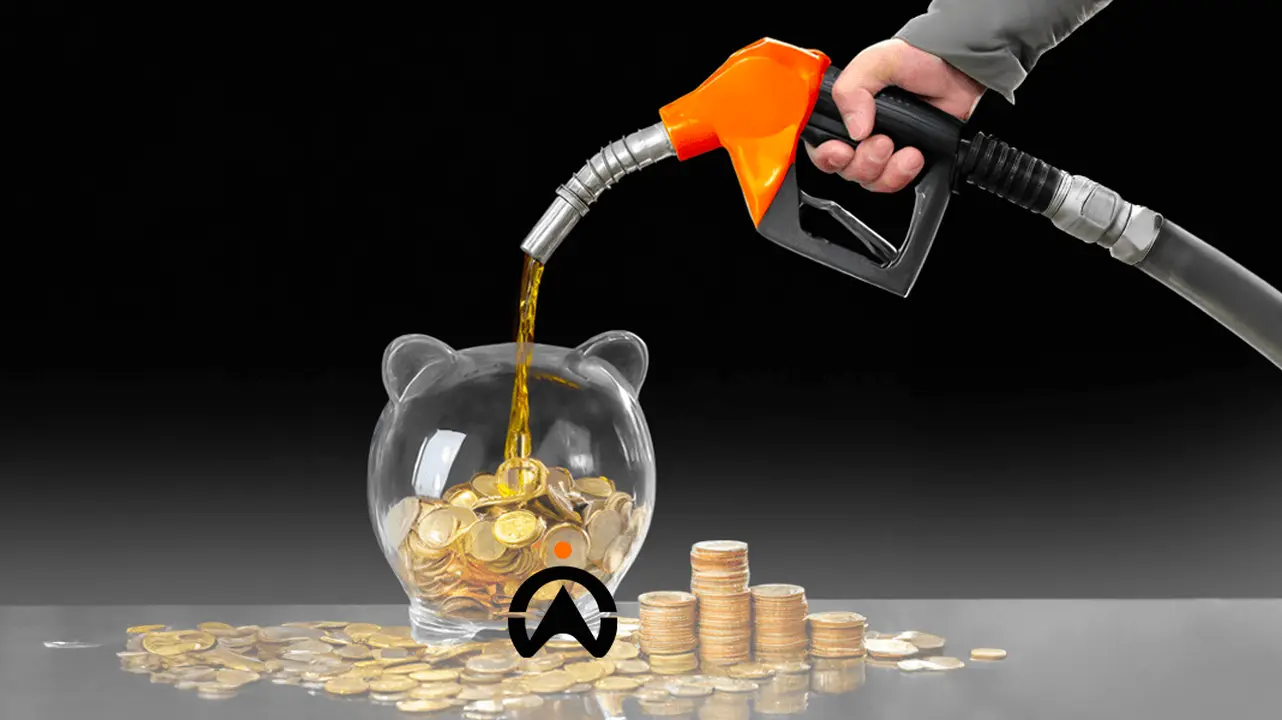
Information About Fuel-Saving Devices
Fuel economy is one of the most common concerns among vehicle owners. As fuel prices increase, many drivers look for ways to reduce consumption and improve the efficiency of their vehicles.
For this reason, the market contains many products sold under names such as fuel-saving devices, fuel economy enhancers, fuel economizers, fuel-saving systems, and fuel consumption reducers.
Some products may have a legitimate technical function, while others make very large fuel-saving claims without explaining a convincing engineering mechanism. Understanding how these products are supposed to work is therefore important before installing one.
What Is a Fuel-Saving Device?
A fuel-saving device is a general term used for equipment that is claimed to reduce fuel consumption or improve engine efficiency.
Depending on the product, it may connect to the vehicle's electrical system, OBD-II port, fuel system, air-intake system, or another component.
Some products claim to modify engine-control signals, while others claim to improve fuel atomization, stabilize electrical power, alter the fuel's physical characteristics, or optimize combustion.
However, simply being marketed as a “fuel-saving device” does not mean that the product will actually reduce fuel consumption.
Modern engines already use sophisticated electronic control systems that continuously adjust fuel delivery according to operating conditions.
How Is Fuel Economy Actually Achieved?
Real fuel economy comes from using less fuel to produce the same useful amount of work.
Fuel consumption depends on many factors, including:
-
Air-fuel ratio
-
Engine load
-
Ignition or injection timing
-
Fuel pressure
-
Injector operation
-
Intake-air measurement
-
Engine temperature
-
Turbocharger operation
-
Transmission strategy
-
Vehicle weight
-
Tire pressure
-
Aerodynamic resistance
-
Mechanical friction
-
Driving style
If one of these systems is operating incorrectly, correcting the underlying problem may reduce fuel consumption.
However, if the engine is already operating correctly, simply adding a device to the vehicle does not automatically create a large efficiency improvement.
Electronic Fuel-Saving Devices
Some fuel-saving products are connected directly to the vehicle's 12-volt electrical system.
Manufacturers may claim that these devices stabilize electrical power, improve ignition performance, optimize the ECU, or reduce fuel consumption.
The important question is what the device actually changes.
A simple electrical device connected to the battery or accessory circuit cannot automatically change fuel injection strategy unless it has a meaningful interface with the engine-control system.
Modern ECUs receive information from numerous sensors and continuously calculate the required fuel quantity. A device that does not actually influence this control process is unlikely to produce a significant and repeatable reduction in fuel consumption.
Magnetic Fuel-Saving Devices
Magnetic fuel-saving devices are another common product category.
These devices are generally attached around a fuel line. Some manufacturers claim that a magnetic field changes the characteristics of the fuel and improves combustion.
However, modern combustion systems depend on much more than the physical condition of the fuel.
Fuel injection pressure, injector design, injection timing, air quantity, combustion-chamber design, compression ratio, ignition timing, engine temperature, and ECU control all influence combustion.
For this reason, simply placing a magnet around a fuel line should not automatically be expected to produce a significant and repeatable reduction in fuel consumption.
Any claim of substantial fuel savings should be supported by controlled testing rather than marketing statements alone.
Devices Installed on the Fuel Line
Some products are installed directly in the fuel line or around it.
Before using such a product, its actual function should be understood.
Important questions include:
Does it change fuel pressure?
Does it restrict fuel flow?
Does it filter the fuel?
Does it change fuel temperature?
Does it alter fuel delivery characteristics?
Does it affect the ECU's fuel corrections?
Changing fuel pressure without proper engineering can actually cause problems rather than improve economy.
For example, insufficient fuel pressure can cause lean operation and poor performance, while excessive pressure can change injector flow and potentially cause rich operation.
The fuel system should therefore not be modified with an unknown device simply because it promises lower consumption.
OBD-II Fuel-Saving Devices
OBD-II fuel-saving devices are particularly common because they can usually be plugged directly into the vehicle's diagnostic socket.
These products may claim to communicate with the ECU and optimize engine operation.
However, an OBD-II socket is not simply a connection through which any inexpensive device can automatically reprogram the engine.
The OBD system provides access to vehicle diagnostic and communication networks, but meaningful ECU calibration requires appropriate software, protocols, security access, calibration data, and vehicle-specific knowledge.
An inexpensive OBD plug that only receives power or reads basic information cannot automatically create a sophisticated engine-management optimization.
If a device genuinely modifies ECU behavior, its exact function should be clearly understood before installation.
Fuel-Saving Devices and ECU Tuning Are Not the Same
A professional ECU calibration is fundamentally different from installing a simple fuel-saving accessory.
ECU tuning can modify parameters such as fuel delivery, ignition timing, torque management, boost control, and other strategies, depending on the engine and ECU.
However, ECU tuning does not automatically mean lower fuel consumption.
A calibration designed primarily for increased power can increase fuel consumption under certain conditions.
An economy-oriented calibration may reduce fuel consumption in specific operating conditions, but the result depends on the engine, transmission, driving style, emissions strategy, and calibration quality.
Poorly performed ECU modifications can also cause drivability problems, excessive temperatures, emissions issues, or component stress.
Fuel-Saving Devices in LPG Vehicles
LPG-powered vehicles also have products marketed as fuel-saving devices.
However, LPG consumption is strongly influenced by the condition and calibration of the LPG system.
Important factors include:
-
LPG pressure
-
Regulator capacity
-
LPG injector capacity
-
Injector operating time
-
Engine temperature
-
Fuel trims
-
Oxygen sensor feedback
-
MAP or MAF data
-
Ignition system condition
-
LPG ECU calibration
-
Intake and vacuum leaks
If an LPG vehicle is consuming significantly more fuel than expected, the first step should be diagnosing the LPG system and the original gasoline engine management system.
Installing an additional fuel-saving device without finding the cause of excessive consumption is unlikely to be an effective solution.
Can Fuel-Saving Devices Really Reduce Fuel Consumption?
There is no single answer that applies to every product.
A device that performs a legitimate technical function can potentially improve efficiency if it corrects a real inefficiency or improves a system that was previously operating incorrectly.
However, a device that does not meaningfully change the engine's operating conditions cannot be expected to create a large reduction in fuel consumption simply because it is installed.
Large claims such as “20%,” “30%,” or even greater fuel savings should therefore be treated cautiously unless they are supported by repeatable, independent testing.
Why Fuel Consumption Tests Can Be Misleading
Fuel consumption is affected by many variables.
The same vehicle can produce very different results depending on:
-
Traffic conditions
-
Average speed
-
Road gradient
-
Ambient temperature
-
Air conditioning use
-
Tire pressure
-
Vehicle load
-
Driving style
-
Fuel quality
-
Cold-start frequency
-
Wind conditions
-
Highway or city driving
For this reason, a driver may install a device and notice lower consumption even though the device itself has not caused the improvement.
A change in route, weather, traffic, driving style, or vehicle load can easily influence the result.
How Should a Fuel-Saving Device Be Tested?
The most reliable approach is to measure fuel consumption before and after installation under similar conditions.
A practical calculation is:
Fuel consumption = Fuel used ÷ Distance traveled × 100
For example, if a vehicle uses 40 liters of fuel over 500 kilometers:
40 ÷ 500 × 100 = 8 L/100 km
The same measurement should be repeated over several fuel tanks rather than relying on a single trip.
Ideally, the vehicle should be tested under comparable conditions before and after the device is installed.
The longer the test period and the more consistent the conditions, the more meaningful the comparison becomes.
Do Not Rely Only on the Trip Computer
The instantaneous fuel-consumption display is not sufficient to determine whether a fuel-saving device works.
A vehicle may show very low consumption while coasting downhill or when the accelerator is released.
Likewise, a short period of gentle driving can produce an unusually low average.
A better method is to compare actual fuel added during refueling with the distance traveled.
Several consecutive measurements provide a much more reliable picture.
Diagnose Excessive Fuel Consumption Before Buying a Device
If a vehicle is consuming more fuel than expected, the underlying problem should be investigated first.
Possible causes include:
-
Faulty oxygen sensors
-
Incorrect MAF or MAP readings
-
Coolant-temperature sensor problems
-
Incorrect fuel pressure
-
Leaking or dirty injectors
-
Ignition problems
-
Vacuum leaks
-
Intake leaks
-
Thermostat problems
-
Dirty air filters
-
Incorrect tire pressure
-
Brake drag
-
Turbocharger or boost-control problems
-
DPF regeneration on diesel vehicles
-
Transmission problems
-
Incorrect LPG calibration
For example, an engine that remains below its intended operating temperature because of a thermostat problem may have different fuel-management behavior.
Likewise, an injector that leaks or an oxygen sensor that provides incorrect information can affect fuel correction.
Replacing or repairing the actual problem may produce a much greater benefit than installing an aftermarket fuel-saving device.
Fuel-Saving Devices and Modern Engine Management
Modern engines are designed to continuously optimize combustion.
The ECU can adjust fuel delivery according to information from sensors such as:
-
MAF
-
MAP
-
Oxygen sensors
-
Coolant-temperature sensors
-
Intake-air-temperature sensors
-
Throttle-position sensors
-
Accelerator-pedal position sensors
-
Crankshaft and camshaft position sensors
-
Fuel-pressure sensors
The ECU may also use short-term and long-term fuel corrections to maintain the required mixture under many operating conditions.
This means that the engine is already actively correcting many changes in operating conditions.
An aftermarket device must therefore provide a genuine technical advantage if it is going to produce additional fuel savings.
What Should You Check Before Buying a Fuel-Saving Device?
Before purchasing a fuel-saving product, try to understand exactly what it does.
Statements such as “reorganizes fuel molecules,” “increases combustion efficiency,” “stabilizes the engine,” or “reduces fuel consumption by 30%” are not sufficient technical explanations by themselves.
Look for information about:
Operating principle: What physically or electronically changes when the device is installed?
Vehicle compatibility: Is it designed for the specific engine and fuel system?
Testing: Are the fuel-saving claims supported by controlled measurements?
ECU interaction: Does the device actually communicate with or modify the engine-control system?
Installation requirements: Does it require modification of the fuel, electrical, intake, or engine-management system?
Safety: Could incorrect installation affect fuel pressure, electrical circuits, sensors, or ECU operation?
Can a Fuel-Saving Device Cause Problems?
An improperly designed or installed device can potentially create problems.
A device that interferes with sensor signals or fuel-system operation could cause incorrect fuel corrections, warning lights, drivability problems, increased emissions, or even component damage.
Devices installed in fuel lines introduce additional connections and potential leak points.
Electrical devices can also create problems if they are connected incorrectly or interfere with vehicle communication networks.
For this reason, a fuel-saving device should never be installed solely because it promises a specific percentage of savings.
The Most Effective Ways to Reduce Fuel Consumption
In many cases, the most effective fuel-saving measures are much simpler.
Keeping the vehicle properly maintained, using the correct engine oil, maintaining correct tire pressure, repairing faults promptly, avoiding unnecessary acceleration, reducing excessive idling, and selecting an appropriate driving speed can have a measurable effect on fuel consumption.
Removing unnecessary weight from the vehicle can also help, particularly in urban driving.
For automatic transmissions, smooth acceleration and avoiding unnecessary high-load driving can improve efficiency.
For turbocharged engines, avoiding unnecessary boost demand and maintaining the intake and boost-control system properly can also help.
Are Fuel-Saving Devices Worth Buying?
The answer depends entirely on the specific product and what it actually does.
There are legitimate technologies that improve efficiency by controlling fuel delivery, recovering energy, improving engine management, or reducing losses. However, these technologies are generally integrated into the vehicle's actual engineering rather than relying on a simple universal accessory.
Products that promise dramatic fuel savings without clearly explaining how the claimed improvement is achieved should be approached cautiously.
A fuel-saving device should never be considered a substitute for proper vehicle maintenance or diagnosis.
The most reliable approach is to establish the vehicle's normal fuel consumption first, investigate any unusually high consumption, and then evaluate any aftermarket product using controlled measurements. If a device cannot demonstrate a repeatable improvement under comparable conditions, there is little reason to assume that the claimed fuel savings are real.