TR
TR EN
EN

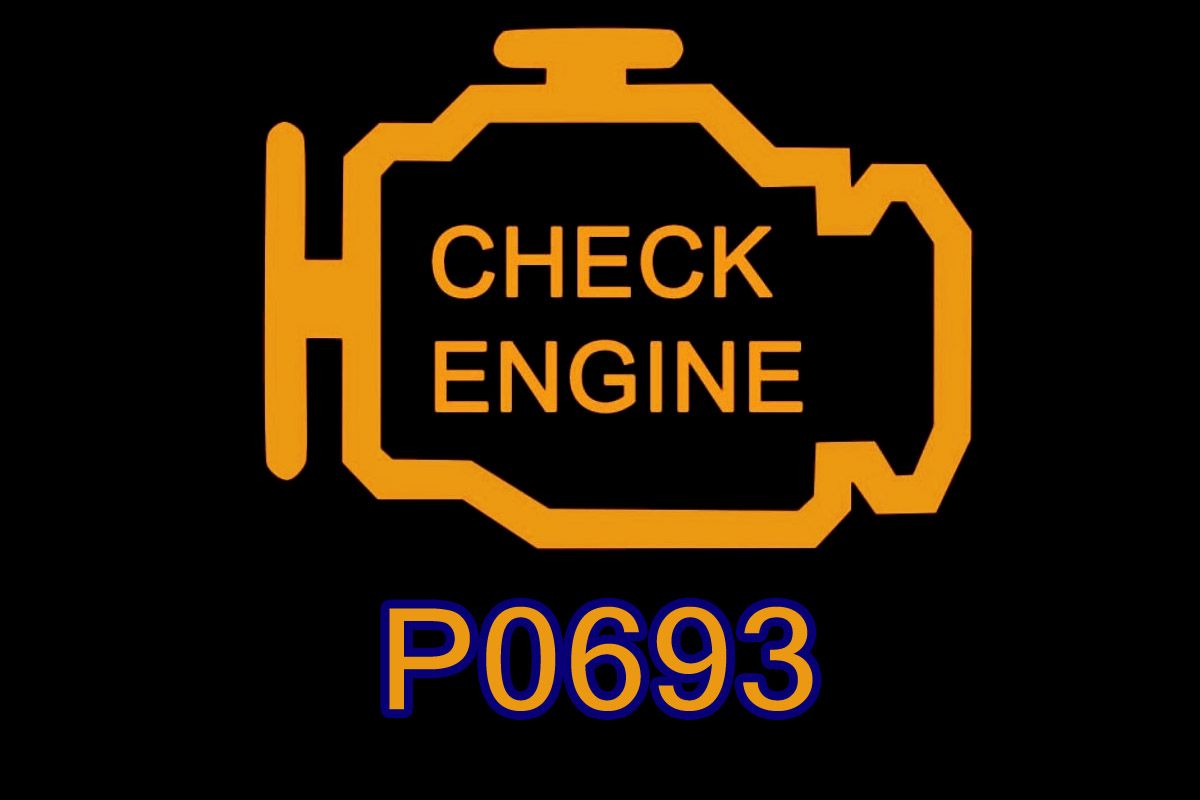
P0693 Cooling Fan 2 Relay Control Circuit Low
The P0693 trouble code is a generic OBD-II diagnostic trouble code related to the electrical control circuit of the second engine cooling fan.
P0693 – Cooling Fan 2 Relay Control Circuit Low
This code means that the PCM/ECM has detected an unexpectedly low voltage or electrical condition in the Cooling Fan 2 relay control circuit.
The engine cooling system uses electric fans to control coolant temperature and, in many vehicles, to provide airflow across the A/C condenser. Depending on the vehicle, there may be two separate cooling fans, a multi-speed fan system, or an electronically controlled fan assembly.
When the PCM commands Cooling Fan 2 on or off, it monitors the relay control circuit. If the circuit voltage remains lower than expected, or the PCM detects a condition that indicates a low control signal, it can store P0693.
It is important to understand that P0693 does not automatically mean the cooling fan motor is defective. The problem may be in the relay, wiring, connector, fuse/relay box, fan-control module or PCM control circuit.
What Does P0693 Mean?
P0693 can be understood as:
P = Powertrain
0 = Generic OBD-II code
6 = Computer output/control-related fault
9 = Specific system identifier
3 = Cooling Fan 2 control circuit low
The key phrase is:
Cooling Fan 2 Relay Control Circuit Low
The PCM has detected a voltage condition that is lower than the expected value in the control circuit for Cooling Fan 2.
What Does "Circuit Low" Mean?
The word Low refers to the electrical signal in the circuit.
It does not necessarily mean that the cooling fan is running at low speed.
It means that the PCM is seeing an electrical condition that is lower than the value it expects.
Depending on the vehicle's circuit design, this could be caused by:
-
A short to ground
-
A defective relay
-
A damaged control wire
-
A failed fan-control module
-
A wiring fault
-
A PCM driver problem
The exact interpretation depends on whether the vehicle switches the relay on the positive side or ground side.
What Is Cooling Fan 2?
Cooling Fan 2 is the second fan or second fan-control circuit identified by the vehicle manufacturer.
It may be responsible for additional cooling when:
-
Coolant temperature increases
-
The A/C is operating
-
Vehicle speed is low
-
Engine load is high
-
Ambient temperature is high
On some vehicles, Fan 2 is physically a second fan.
On others, the vehicle may use a multi-speed fan assembly or an electronic fan-control system.
Therefore, Fan 2 must be identified using the vehicle-specific wiring diagram.
Symptoms of P0693
Possible symptoms include:
-
Check Engine Light
-
Cooling Fan 2 not operating
-
Cooling fan operating incorrectly
-
Fan operating continuously
-
Engine temperature increasing
-
Engine overheating
-
A/C cooling becoming weaker
-
A/C compressor operation being limited
-
Fan operating at an incorrect speed
-
Cooling fan cycling incorrectly
-
Limp mode in some vehicles
The actual symptoms depend on the vehicle's cooling-system design.
Can P0693 Cause Engine Overheating?
Yes.
If Cooling Fan 2 is necessary for adequate cooling and the fan cannot operate correctly, engine temperature can increase.
The risk is particularly high when:
-
The vehicle is stationary
-
Driving slowly
-
Sitting in traffic
-
Using the A/C
-
Driving in hot weather
-
Towing or carrying heavy loads
-
Climbing long hills
If the coolant temperature reaches the overheating zone, the vehicle should be stopped safely.
Common Causes of P0693
Faulty Cooling Fan 2 relay
The relay may have internal damage or may not switch correctly.
Short to ground
A control wire may be unintentionally connected to ground, pulling the circuit voltage lower than expected.
Damaged wiring
A chafed or crushed wire can create an unwanted connection to ground.
Corroded connector
Corrosion can alter the electrical characteristics of the circuit.
Loose relay terminal
A poor connection at the relay socket can interfere with proper control.
Damaged relay socket
Heat or corrosion can damage relay terminals.
Incorrect relay
A relay with the wrong electrical configuration can cause control problems.
Blown fuse
A blown fuse can disable the fan power circuit, although it does not necessarily explain every P0693 condition.
Faulty cooling fan motor
A failing or seized motor can affect the overall fan circuit.
Faulty fan-control module
Many modern vehicles use an electronic module to control fan speed.
PCM driver problem
The PCM uses an electronic driver to control the relay or fan-control circuit.
Poor PCM ground
A bad ground can cause abnormal voltage readings.
Water intrusion
Moisture in the fuse box, relay box or connectors can cause corrosion and short circuits.
Aftermarket electrical modifications
Additional electrical equipment or previous repairs can interfere with the fan circuit.
Is P0693 Serious?
It can be serious.
The code is an electrical fault, but the cooling fan is an important component of the engine cooling system.
If the fan cannot operate when required, the engine may overheat.
Continued overheating can cause:
-
Cylinder-head damage
-
Head-gasket failure
-
Warped components
-
Coolant loss
-
Severe engine damage
The seriousness therefore depends on whether the vehicle can still maintain normal coolant temperature.
Can You Drive With P0693?
If the engine maintains normal temperature and the cooling system is operating adequately, a short trip to a repair facility may be possible.
However, driving should be avoided if:
-
The temperature gauge is rising
-
The engine overheats
-
The temperature warning light is on
-
The cooling fan does not operate
-
Coolant is boiling
-
Steam is visible
-
The vehicle loses coolant
Do not continue driving an overheating engine simply because the vehicle still runs normally.
P0693 vs. P0694
These two codes concern the same Fan 2 control circuit but describe opposite electrical conditions.
P0693 – Cooling Fan 2 Relay Control Circuit Low
The PCM detects an unexpectedly low control-circuit condition.
P0694 – Cooling Fan 2 Relay Control Circuit High
The PCM detects an unexpectedly high control-circuit condition.
A low condition can point toward a short to ground or another problem pulling the circuit down.
A high condition can point toward a short to battery voltage, an open control condition or another problem keeping the circuit above the expected level.
The exact diagnosis depends on the circuit design.
P0693 vs. P0691
P0691 – Cooling Fan 1 Relay Control Circuit Low
Concerned with Cooling Fan 1.
P0693 – Cooling Fan 2 Relay Control Circuit Low
Concerned with Cooling Fan 2.
Both indicate a low control-circuit condition, but they refer to different fan circuits.
P0693 vs. P0692
P0692 – Cooling Fan 1 Relay Control Circuit High
Concerned with Fan 1 and a high control-circuit condition.
P0693 – Cooling Fan 2 Relay Control Circuit Low
Concerned with Fan 2 and a low control-circuit condition.
Can a Bad Cooling Fan Relay Cause P0693?
Yes.
A faulty relay can cause the control circuit to behave abnormally.
Possible relay problems include:
-
Internal short
-
Stuck contacts
-
Open coil
-
Incorrect resistance
-
Heat damage
-
Corroded terminals
However, testing the relay and its control circuit is preferable to replacing it based solely on the trouble code.
Can a Short to Ground Cause P0693?
Yes.
This is one of the important possibilities.
If the Fan 2 relay control wire is unintentionally connected to ground, the PCM may detect a voltage level that is lower than expected.
Look carefully for:
-
Chafed wiring
-
Melted insulation
-
Crushed wires
-
Incorrect previous repairs
-
Water intrusion
-
Damaged connectors
Can a Bad Fan Motor Cause P0693?
Potentially.
The motor is not the direct definition of the code, but a damaged or seized fan motor can create electrical problems within the fan system.
A motor that is drawing excessive current may also damage:
-
Fuses
-
Relay contacts
-
Wiring
-
Fan-control components
Can a Bad PCM Cause P0693?
Yes, but it should generally be considered only after the external circuit has been tested.
The PCM may have an internal driver that controls the Fan 2 relay.
If that driver fails, it may not be able to control the circuit correctly.
Before condemning the PCM, verify:
-
Relay
-
Wiring
-
Connectors
-
Fan motor
-
Fan-control module
-
Power supply
-
Ground connections
Can a Blown Fuse Cause P0693?
A blown fuse can cause the cooling fan to stop operating, but a simple blown power fuse does not automatically explain a low relay-control code.
The control circuit and power circuit should be tested separately.
Can P0693 Cause the Fan to Run Constantly?
It can, depending on the circuit design and the underlying fault.
A shorted control circuit or failed relay may cause continuous fan operation.
Can P0693 Cause the Fan Not to Run?
Yes.
If the control circuit cannot operate the relay or fan-control module correctly, Cooling Fan 2 may not operate.
Can P0693 Cause A/C Problems?
Yes, potentially.
Cooling fans often provide airflow across the A/C condenser.
If the fan cannot operate correctly, A/C performance may decrease, particularly at idle or low vehicle speeds.
Some vehicles may also disable or limit A/C operation to protect the system.
How to Diagnose P0693
A systematic electrical diagnosis is the best approach.
1. Scan all modules
Check for additional codes involving:
-
Cooling Fan 1
-
Cooling Fan 2
-
Engine coolant temperature
-
A/C pressure
-
Power supply
-
PCM communication
-
Fan-control module
Additional codes may help identify the root cause.
2. Check coolant temperature data
Use a scan tool to verify the coolant temperature reported to the PCM.
Compare it with the actual engine temperature.
An incorrect coolant-temperature signal can affect fan operation.
3. Determine whether Fan 2 operates
Check whether the fan:
-
Does not operate at all
-
Runs continuously
-
Runs intermittently
-
Runs at the wrong speed
-
Operates only when the A/C is switched on
-
Operates only when the engine becomes hot
4. Command Fan 2 with a scan tool
If active testing is supported, command Cooling Fan 2 on.
Observe:
-
Fan operation
-
Relay operation
-
Control-circuit voltage
-
Current draw
This can quickly separate control problems from motor problems.
5. Test the Fan 2 relay
Check:
-
Relay part number
-
Coil resistance
-
Relay contacts
-
Switching operation
-
Terminal condition
-
Relay socket
A relay should be tested according to the vehicle manufacturer's specifications.
6. Check relay power
Verify that the relay receives the required battery power.
Remember that the relay's power side and control side are different circuits.
7. Measure the relay control circuit
Measure voltage at the relay control terminal while the system is commanded on and off.
The expected voltage depends on the circuit design.
Some systems switch the relay on the ground side, while others switch it on the positive side.
8. Test for a short to ground
Because P0693 identifies a low condition, inspect the control wire for an unwanted connection to ground.
This should be performed according to the manufacturer's wiring and testing procedure.
9. Inspect the wiring
Look for:
-
Chafed insulation
-
Broken wires
-
Melted wires
-
Pinched wiring
-
Corrosion
-
Incorrect repairs
-
Water damage
10. Inspect connectors
Pay particular attention to:
-
Cooling fan connector
-
Relay socket
-
Fuse box
-
Fan-control module
-
PCM connector
Look for:
-
Bent pins
-
Loose terminals
-
Corrosion
-
Burn marks
-
Water intrusion
11. Test the cooling fan motor
Check whether the fan motor:
-
Rotates freely
-
Is mechanically seized
-
Draws excessive current
-
Receives correct voltage
-
Has a good ground
Do not assume the motor is faulty simply because the fan does not run.
12. Check the fan-control module
If the vehicle uses an electronic fan-control module, verify:
-
Power
-
Ground
-
Command input
-
Output
-
Communication
A failed module can prevent proper fan operation.
13. Check PCM power and grounds
Poor PCM power or ground connections can create abnormal control-circuit readings.
Voltage-drop testing is particularly useful for finding poor ground connections.
14. Test the PCM control driver
If all external components and wiring test correctly, the PCM output driver may need to be evaluated.
PCM replacement should be the final step, not the first.
How to Distinguish a Short to Ground From a Faulty Relay
If the relay is removed and the control circuit remains at an unexpectedly low voltage or has an unwanted ground connection, wiring may be responsible.
If the wiring tests correctly but the relay does not operate as specified, the relay becomes more suspicious.
If the relay operates correctly but the fan does not run, investigate:
-
Fan power
-
Fan ground
-
Fan motor
-
Fan-control module
How to Distinguish a Fan Motor Problem From a Control Problem
A fan motor problem becomes more likely when:
-
Correct power reaches the motor
-
Ground is good
-
The motor does not operate
-
Current draw is abnormal
-
The motor is physically seized
A control-circuit problem becomes more likely when:
-
The motor works when properly powered
-
The relay does not activate
-
Relay control voltage is incorrect
-
The PCM command does not reach the relay
Can P0693 Be Caused by Previous Wiring Repairs?
Yes.
Incorrect electrical repairs can create exactly the type of problem described by a circuit-low code.
Potential examples include:
-
Incorrectly grounded wires
-
Poor crimp connections
-
Incorrect relay wiring
-
Added jumpers
-
Damaged insulation
-
Aftermarket accessory connections
Can P0693 Return After Clearing the Code?
Yes.
If the electrical fault remains, the PCM will continue monitoring the circuit and may set P0693 again once the required conditions occur.
Clearing the code only removes the stored diagnostic information. It does not repair the underlying electrical fault.
Common Diagnostic Mistakes With P0693
Replacing the cooling fan motor immediately
The motor may be functioning correctly.
Replacing the PCM immediately
The relay, wiring and connectors should be tested first.
Assuming "Low" means low fan speed
The code refers to electrical circuit voltage, not necessarily fan speed.
Ignoring the wiring diagram
Fan-control systems differ considerably between vehicles.
Testing only continuity
A circuit can show continuity while still having a short, high resistance or intermittent fault.
Ignoring the relay socket
A damaged relay terminal can cause serious electrical problems.
Ignoring the fan-control module
Many modern vehicles do not use a simple conventional relay system.
Ignoring coolant temperature data
A faulty coolant-temperature signal can alter fan operation.
What Is the Correct Repair for P0693?
The correct repair depends on the confirmed cause.
Possible repairs include:
-
Replacing the Cooling Fan 2 relay
-
Repairing a short to ground
-
Repairing damaged wiring
-
Repairing an open circuit
-
Repairing corroded connectors
-
Replacing damaged relay terminals
-
Replacing a faulty cooling fan motor
-
Replacing the fan-control module
-
Repairing fan power or ground circuits
-
Repairing PCM power or ground connections
-
Updating PCM software where applicable
-
Replacing the PCM if its internal control driver is confirmed faulty
How to Test the Vehicle After Repair
After the repair, verify Fan 2 operation under different conditions.
Check that:
-
Fan 2 operates when commanded
-
Fan 2 switches off when appropriate
-
Fan speed is correct
-
Engine coolant temperature remains normal
-
A/C operates correctly
-
Relay control voltage is within specification
-
Fan current draw is normal
-
No overheating occurs
-
No additional fan codes appear
-
P0693 does not return
Testing should ideally include both idle conditions and normal road operation.
Frequently Asked Questions About P0693
What does P0693 mean?
P0693 means the PCM has detected a low electrical condition in the Cooling Fan 2 relay control circuit.
Does P0693 mean the cooling fan is bad?
No. The relay, wiring, connectors, fan-control module or PCM may be responsible.
Can P0693 cause overheating?
Yes, if Cooling Fan 2 is necessary to maintain proper engine temperature and does not operate correctly.
Can a bad relay cause P0693?
Yes.
Can a short to ground cause P0693?
Yes. It is one of the important causes of a circuit-low condition.
Can a bad fan motor cause P0693?
Potentially, although the motor is not the direct definition of the code.
Can a bad PCM cause P0693?
Yes, but external wiring and components should be tested first.
Can P0693 cause the fan not to run?
Yes.
Can P0693 cause the fan to run continuously?
It can, depending on the vehicle's control strategy and the underlying fault.
Can P0693 cause A/C problems?
Yes. A cooling fan may be required for proper condenser cooling.
Can P0693 cause limp mode?
Some vehicles may activate a protective strategy if the cooling system cannot maintain safe operating conditions.
Can I drive with P0693?
Only if the engine maintains normal temperature and the cooling system is functioning correctly. If the temperature rises or the vehicle overheats, stop driving.
Does P0693 mean the cooling fan relay needs to be replaced?
Not necessarily. The relay should be tested before replacement.
Final Thoughts on P0693
P0693 – Cooling Fan 2 Relay Control Circuit Low indicates that the PCM has detected an unexpectedly low electrical condition in the Cooling Fan 2 relay control circuit.
The most important distinction is that this is primarily an electrical control-circuit diagnosis, not simply a statement that the fan motor has failed.
Possible causes include:
-
Faulty relay
-
Short to ground
-
Damaged wiring
-
Corroded connector
-
Faulty fan motor
-
Failed fan-control module
-
PCM power/ground problem
-
PCM control-driver failure
A logical diagnostic sequence is:
Scan All Modules → Check Coolant Temperature Data → Command Fan 2 On → Test Relay → Measure Control Circuit → Check for Short to Ground → Inspect Wiring → Test Fan Motor → Check Fan-Control Module → Verify PCM Power/Ground → Test PCM Driver
Because cooling fan faults can lead to engine overheating, P0693 should not be ignored, particularly if the cooling fan is not operating or the engine temperature is increasing.