TR
TR EN
EN

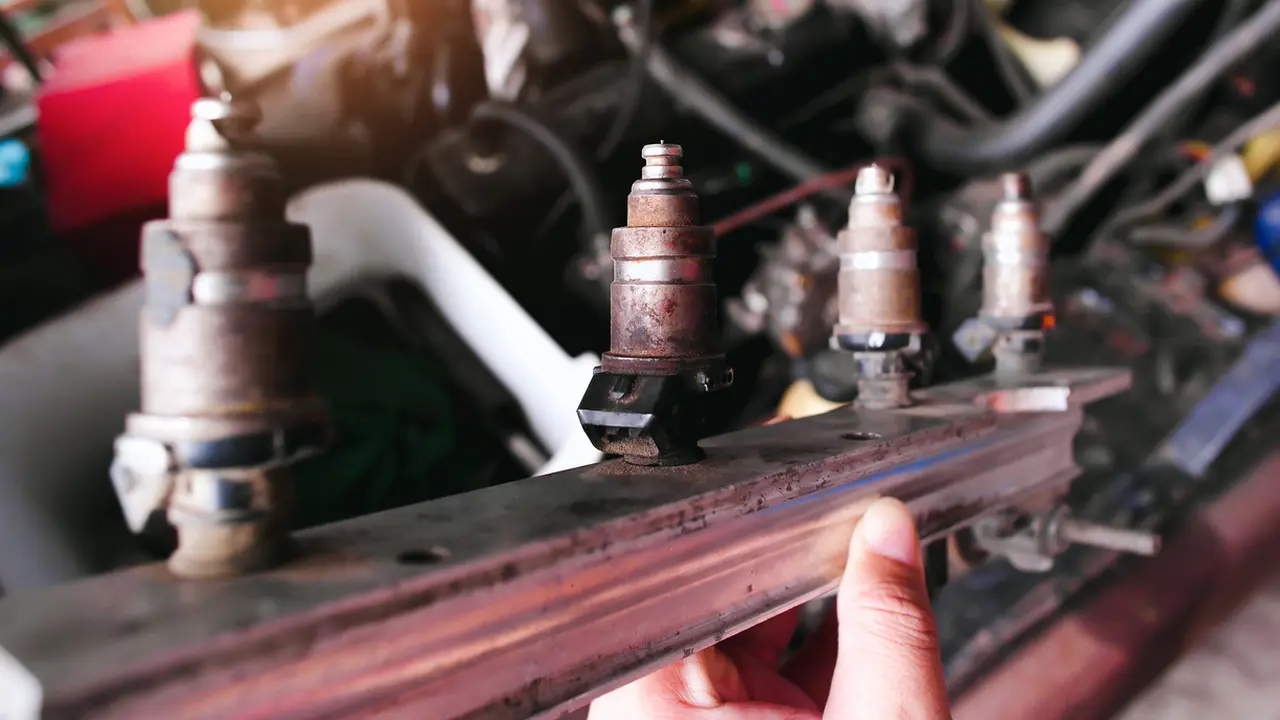
When Should Fuel Injectors Be Replaced in Gasoline, Diesel, and LPG Vehicles?
Fuel injectors are among the most important components in a modern engine's fuel system. Their job is to deliver a precisely controlled amount of fuel into the engine at the correct time.
Although the basic purpose is similar, gasoline, diesel, and LPG injectors operate under very different conditions. Their construction, operating pressure, control method, fuel characteristics, and expected service life can therefore vary considerably.
One of the most common questions vehicle owners ask is:
"At what mileage should the fuel injectors be replaced?"
There is no universal mileage at which every injector must be replaced.
A gasoline injector may continue working correctly for hundreds of thousands of kilometers, while another injector can develop a problem much earlier because of contaminated fuel, deposits, electrical faults, overheating, poor-quality LPG components, or other fuel-system problems.
For this reason, injectors should generally be replaced because they have been proven to be defective or excessively worn, not simply because the vehicle has reached a certain mileage.
What Does a Fuel Injector Do?
A fuel injector controls the delivery of fuel to the engine.
The engine control unit (ECU) determines how much fuel is required based on information from various sensors and operating conditions.
Depending on the engine, these can include:
-
Engine speed
-
Engine load
-
Accelerator position
-
Throttle position
-
Airflow
-
Intake manifold pressure
-
Engine coolant temperature
-
Oxygen sensor feedback
-
Fuel pressure
-
Exhaust gas conditions
The ECU then controls the injector for a specific amount of time.
This opening period is commonly referred to as injector pulse width.
The injector must deliver the correct quantity of fuel and, where applicable, produce the required spray pattern.
Even a small deviation can affect combustion quality.
Why Is Injector Condition So Important?
An engine requires an appropriate air-fuel mixture to operate efficiently.
If an injector delivers too little fuel, the mixture can become excessively lean.
If it delivers too much fuel, the mixture can become excessively rich.
An injector can also have a problem with spray quality.
Instead of producing the intended spray pattern, a dirty or damaged injector may produce an irregular spray, larger droplets, or an uneven distribution of fuel.
This can cause incomplete combustion and poor engine performance.
The consequences may include:
-
Rough idle
-
Misfires
-
Hesitation
-
Poor acceleration
-
Increased fuel consumption
-
Difficult starting
-
Engine vibration
-
Increased emissions
-
Check Engine Light
-
Poor cold-start performance
In severe cases, an injector problem can contribute to catalytic converter, DPF, piston, or other engine damage.
When Should Gasoline Injectors Be Replaced?
Gasoline injectors can have a long service life when the fuel system is maintained properly.
There is generally no universal replacement interval such as every 100,000 or 150,000 kilometers.
Instead, replacement is normally considered when testing shows that an injector is defective, leaking, electrically faulty, mechanically stuck, or unable to deliver fuel within the required specifications.
A gasoline injector may need attention when the vehicle develops:
-
Persistent misfires
-
Rough idle
-
Poor acceleration
-
Difficult starting
-
Excessive fuel consumption
-
Fuel smell
-
Black smoke
-
Lean or rich mixture faults
-
An injector electrical fault code
-
Uneven cylinder operation
However, these symptoms do not automatically mean that the injector itself needs to be replaced.
Spark plugs, ignition coils, vacuum leaks, fuel pressure problems, sensors, compression problems, and other faults can produce similar symptoms.
How Long Do Gasoline Injectors Last?
The service life of gasoline injectors varies considerably.
Modern port fuel injection injectors can often operate for many years and very high mileage when the fuel system is clean and the engine is properly maintained.
Direct-injection gasoline injectors operate in a more demanding environment because fuel is injected directly into the combustion chamber at significantly higher pressure.
Their design and operating conditions are different from conventional port injectors.
Therefore, it is not appropriate to apply the same expected lifespan to every gasoline injection system.
Fuel quality, engine design, operating temperature, maintenance, and injector construction all matter.
When Should Diesel Injectors Be Replaced?
Diesel injectors operate under particularly demanding conditions.
Modern common-rail diesel systems can use extremely high injection pressures and very precise electronic control.
The injector must open and close accurately while delivering the correct quantity of fuel.
A diesel injector can therefore develop problems involving:
-
Nozzle wear
-
Internal leakage
-
Poor atomization
-
Incorrect fuel delivery
-
Electrical faults
-
Excessive return flow
-
Sticking
-
Deposits
-
Mechanical damage
Diesel injector problems can produce symptoms such as:
-
Hard starting
-
Rough idle
-
Excessive smoke
-
Loss of power
-
Poor acceleration
-
Increased fuel consumption
-
Engine knocking or abnormal combustion noise
-
Misfires
-
Excessive return fuel
-
DPF regeneration problems
-
Check Engine Light
Diesel Injector Replacement Is Not Always Necessary
A common mistake is to assume that a diesel injector must be replaced simply because the engine is difficult to start or produces smoke.
The fuel system should be tested first.
For common-rail diesel systems, technicians may perform injector leak-off or return-flow testing.
If one injector returns significantly more fuel than the others, this can indicate excessive internal leakage.
Injector correction values obtained through diagnostic equipment can also provide useful information, although these values should never be interpreted alone.
The manufacturer's test procedures and specifications should be followed.
Depending on the condition, an injector may sometimes be professionally tested, cleaned, repaired, or calibrated rather than automatically replaced.
When Should LPG Injectors Be Replaced?
LPG injectors are different from gasoline and diesel injectors because they meter gaseous or vaporized LPG into the engine's intake system, depending on the LPG system design.
Modern sequential LPG systems typically use electronically controlled gas injectors.
Their service life can vary significantly according to injector quality, LPG fuel quality, filtration, installation, operating temperature, and calibration.
LPG injector problems can cause:
-
Rough idle
-
Engine hesitation
-
Misfires
-
Switching problems between gasoline and LPG
-
Poor acceleration
-
Increased LPG consumption
-
Lean or rich mixture faults
-
Uneven engine operation
-
Difficulty maintaining stable fuel trims
In some cases, the engine may operate normally on gasoline but develop problems when running on LPG.
This can be an important diagnostic clue.
However, even in this situation, the LPG injectors should not automatically be blamed.
The LPG reducer/regulator, filters, pressure sensor, MAP sensor, wiring, ECU calibration, and gas pressure should also be checked.
How Long Do LPG Injectors Last?
There is no universal mileage limit for LPG injectors.
Some high-quality LPG injectors can operate reliably for a long time, while lower-quality or heavily used injectors may require attention much earlier.
LPG injector life is strongly influenced by the quality of the fuel and filtration system.
Contaminants in LPG can enter the fuel system and affect injector operation.
For this reason, LPG filter maintenance is particularly important.
A poorly maintained filter can allow contaminants to reach components that are designed to operate with precise tolerances.
Fuel Injectors Do Not Have a Universal Replacement Mileage
This is one of the most important points to understand.
A vehicle reaching 100,000, 150,000, or 200,000 kilometers does not automatically mean that its injectors must be replaced.
An injector is not a component that normally has one universal preventive replacement interval across all vehicles.
The correct replacement decision depends on:
-
Injector type
-
Engine design
-
Fuel type
-
Fuel quality
-
Maintenance history
-
Operating conditions
-
Injector test results
-
Fuel pressure
-
Electrical condition
-
Spray pattern
-
Internal leakage
-
Engine control data
If the injectors are operating within specification, there may be no reason to replace them simply because the vehicle has high mileage.
Fuel Injectors' Service Life: Factors That Affect How Long They Last
Many different factors influence injector service life.
Fuel quality
Fuel contamination is one of the major causes of injector problems.
Water, dirt, rust particles, deposits, and other contaminants can interfere with injector operation.
This is particularly important for high-pressure diesel systems.
Fuel filtration
The fuel filter provides an important line of defense against contaminants.
A restricted, damaged, incorrectly installed, or poor-quality filter can create fuel-system problems.
Diesel systems are especially sensitive to fuel contamination because of their high-pressure components and tight manufacturing tolerances.
Engine operating temperature
Excessive heat can affect fuel-system components.
Injector temperature can become particularly important in direct-injection engines and certain high-load operating conditions.
Oil contamination in diesel fuel systems
Diesel fuel-system contamination can occur in several ways, including water or other unwanted substances entering the fuel system.
Contamination can accelerate wear of precision components.
LPG filter condition
For LPG systems, filter condition is particularly important.
A contaminated LPG filter can allow unwanted particles or residues to affect downstream components.
Regular filter servicing can help protect LPG injectors.
Driving conditions
Frequent short trips, heavy traffic, extended idling, aggressive acceleration, towing, and high engine loads can influence fuel-system operating conditions.
Vehicles used primarily for demanding applications may place more stress on their injectors than vehicles used under lighter conditions.
Injector design
Not all injectors are manufactured to the same design.
Port fuel injectors, gasoline direct injectors, common-rail diesel injectors, and LPG gas injectors have very different operating environments.
Their service lives should therefore not be compared directly.
Engine calibration
Incorrect tuning can affect injector operation.
Excessive fueling, modified boost pressure, incorrect LPG calibration, or other aggressive modifications can increase thermal and mechanical stress.
Electrical system condition
An injector is not only a mechanical component.
Modern injectors are electronically controlled.
Problems with wiring, connectors, grounds, driver circuits, or the ECU can create symptoms that look like injector failure.
This is why electrical testing is an important part of diagnosis.
What Are the Symptoms of a Failing Fuel Injector?
Injector failure can produce a wide range of symptoms.
The exact behavior depends on whether the injector is clogged, leaking, electrically open, shorted, mechanically stuck, or delivering an incorrect amount of fuel.
Common symptoms include:
Rough idle
If one cylinder receives an incorrect amount of fuel, the engine may vibrate or run unevenly at idle.
Misfires
An injector that does not deliver the correct amount of fuel can cause combustion problems.
The ECU may detect the resulting misfire and store a diagnostic trouble code.
Poor acceleration
Insufficient or inconsistent fuel delivery can reduce engine performance.
Increased fuel consumption
An injector that leaks or remains open too long can cause excessive fuel delivery.
Difficult starting
If an injector is leaking or failing to deliver fuel correctly, starting performance may deteriorate.
Fuel smell
A strong fuel odor may indicate a fuel leak or injector-related problem.
This should be investigated immediately.
Black smoke
Excessive fueling can produce black smoke, particularly on diesel engines.
On gasoline engines, visible black smoke is also abnormal and may indicate an excessively rich mixture.
Blue smoke
Blue smoke generally indicates oil consumption rather than a simple injector problem.
However, fuel-system faults can indirectly contribute to engine problems that affect oil consumption.
Therefore, smoke color should be interpreted carefully.
Can a Dirty Injector Be Cleaned Instead of Replaced?
Sometimes.
An injector that is contaminated or partially restricted may be restored by appropriate cleaning.
However, cleaning cannot repair every type of injector failure.
For example, cleaning may not solve:
-
Electrical coil failure
-
Internal mechanical damage
-
Severe nozzle wear
-
Internal leakage
-
Broken components
-
Damaged electrical connections
-
Excessive internal wear
Professional injector testing is therefore more useful than simply cleaning an injector and assuming the problem has been solved.
What Is Injector Testing?
Injector testing involves checking whether the injector operates within the required specifications.
Depending on the injector type, testing may include:
-
Electrical resistance measurement
-
Activation testing
-
Fuel-flow measurement
-
Spray-pattern inspection
-
Leakage testing
-
Return-flow testing
-
Pressure testing
-
Injector balance testing
Diesel injectors can require highly specialized test equipment because common-rail injectors operate at very high pressures and require precise calibration.
Gasoline direct injectors also require appropriate equipment and procedures.
What Is an Injector Balance Test?
An injector balance test compares fuel delivery between injectors.
The objective is to determine whether one injector is delivering significantly more or less fuel than the others.
This can help identify an injector that is clogged, restricted, leaking, or otherwise operating differently.
However, balance data must be interpreted in the context of the complete fuel system.
A difference between cylinders does not automatically prove that the injector is the only cause.
What Is Diesel Injector Return-Flow Testing?
Return-flow, or leak-off, testing is commonly used when diagnosing common-rail diesel injectors.
The test measures the amount of fuel returning from each injector.
If one injector returns substantially more fuel than the others, it can indicate excessive internal leakage.
This can affect the fuel rail's ability to maintain the required pressure.
Depending on the engine, excessive injector return flow can contribute to hard starting, poor performance, or fuel-pressure-related faults.
The exact acceptable values vary by injector and engine, so manufacturer specifications should be used.
Can Fuel Injectors Cause Check Engine Light Problems?
Yes.
The ECU can detect certain injector-related electrical and performance problems.
Depending on the vehicle, diagnostic trouble codes may indicate:
-
Injector circuit open
-
Injector circuit short
-
Injector performance
-
Cylinder-specific misfire
-
Fuel mixture problems
-
Fuel pressure problems
However, an injector-related fault code does not always mean that the injector itself is defective.
The ECU, wiring, connector, fuel pressure, sensor inputs, and other related components can also cause similar faults.
The code should therefore be treated as a starting point for diagnosis rather than a direct instruction to replace a component.
What Happens If You Continue Driving With a Bad Injector?
Continuing to drive with a defective injector can sometimes turn a relatively simple fuel-system problem into a more expensive engine or emissions-system problem.
A leaking gasoline injector can cause an excessively rich mixture.
In severe cases, excess fuel can enter the engine oil and dilute the lubricant.
A diesel injector that over-fuels a cylinder can contribute to excessive soot production and potentially affect the DPF and other emissions components.
An injector that delivers too little fuel can cause poor combustion and increased engine temperature under certain operating conditions.
The exact consequences depend on the type of injector failure.
For this reason, persistent injector symptoms should not be ignored.
Should All Injectors Be Replaced at the Same Time?
Not always.
If one injector fails and the others test within specification, replacing only the defective injector may be appropriate.
However, the decision depends on the engine and fuel-system design.
For some diesel systems, injectors may need coding or calibration after replacement.
Some systems may also have specific requirements for injector classification or compensation values.
Replacing an injector without following the manufacturer's programming or adaptation procedure can cause further problems.
When several injectors show similar wear, replacing or servicing them as a matched set may sometimes make more sense.
The correct approach depends on the vehicle manufacturer's procedure and test results.
What Is Injector Coding?
Modern diesel and some gasoline injection systems may require injector coding after replacement.
The injector may have a calibration code that represents its individual characteristics.
The ECU uses this information to compensate for manufacturing differences and maintain accurate fuel delivery.
If the vehicle requires injector coding, the new injector should be programmed according to the manufacturer's procedure.
This is another reason why replacing an injector is not always as simple as physically removing the old part and installing a new one.
Can Bad Fuel Damage Injectors?
Yes.
Poor-quality or contaminated fuel can contribute to injector problems.
Water and particulate contamination are particularly important concerns for diesel fuel systems.
Gasoline systems can also suffer from contamination and deposits.
For LPG vehicles, fuel quality and filtration can influence the condition of gas injectors.
Using reputable fuel sources and maintaining the appropriate filters can reduce the risk.
Are Fuel Injectors a Maintenance Item?
Fuel injectors are not normally treated as routine replacement items in the same way as engine oil, oil filters, air filters, or spark plugs.
They are generally expected to operate for a long period and are replaced when their condition requires it.
Preventive injector replacement without evidence of deterioration is not usually necessary.
Instead, maintaining the fuel system and diagnosing symptoms early is a more sensible approach.
When Should You Replace Fuel Injectors?
A practical replacement decision can be based on several conditions.
Replacement is generally justified when:
-
The injector fails an appropriate diagnostic test.
-
The injector has excessive internal leakage.
-
Fuel delivery is outside specification.
-
The spray pattern is unacceptable and cannot be restored.
-
The injector has an electrical failure.
-
The injector is mechanically damaged.
-
Cleaning or professional servicing cannot restore correct operation.
-
The injector is causing persistent cylinder-specific problems after other causes have been eliminated.
Mileage alone should not be the deciding factor.
How to Extend Fuel Injector Life
Good fuel-system maintenance can significantly reduce the likelihood of injector problems.
Use good-quality fuel whenever possible.
Replace fuel filters according to the manufacturer's maintenance requirements.
For diesel vehicles, pay particular attention to water and contamination in the fuel system.
For LPG vehicles, maintain the LPG filters and make sure the system is correctly calibrated.
Do not ignore a Check Engine Light or persistent misfire.
Avoid continuing to operate an engine with obvious fueling problems.
If the vehicle has been modified, make sure the engine calibration is appropriate for the hardware.
Most importantly, use the correct diagnostic procedure before replacing expensive fuel-system components.
Final Thoughts
Fuel injectors do not have one universal replacement interval.
Gasoline, diesel, and LPG injectors operate under different conditions and can have very different service lives.
A gasoline injector may remain functional for a very high mileage, while a diesel common-rail injector may develop excessive internal leakage or nozzle wear due to contamination and demanding operating conditions. LPG injectors are also affected by fuel quality, filtration, temperature, and system calibration.
The important question is therefore not simply:
"How many kilometers have the injectors done?"
The more useful question is:
"Are the injectors still delivering fuel correctly and operating within specification?"
Symptoms such as rough idle, misfires, poor acceleration, difficult starting, excessive fuel consumption, smoke, or fuel-system fault codes can indicate an injector problem, but they can also be caused by other components.
Proper testing should come before replacement.
Depending on the fuel system, injector balance testing, electrical checks, spray-pattern inspection, flow testing, leak testing, return-flow testing, and diagnostic scan data can help determine the actual condition.
In many cases, a contaminated injector may be serviceable. In other cases, an injector with excessive wear or internal damage will need to be replaced.
The best way to extend injector life is straightforward: use appropriate fuel, maintain the fuel filtration system, follow the manufacturer's maintenance recommendations, keep the engine properly calibrated, and investigate abnormal engine behavior before a small fuel-system problem becomes a major engine or emissions-system repair.