TR
TR EN
EN

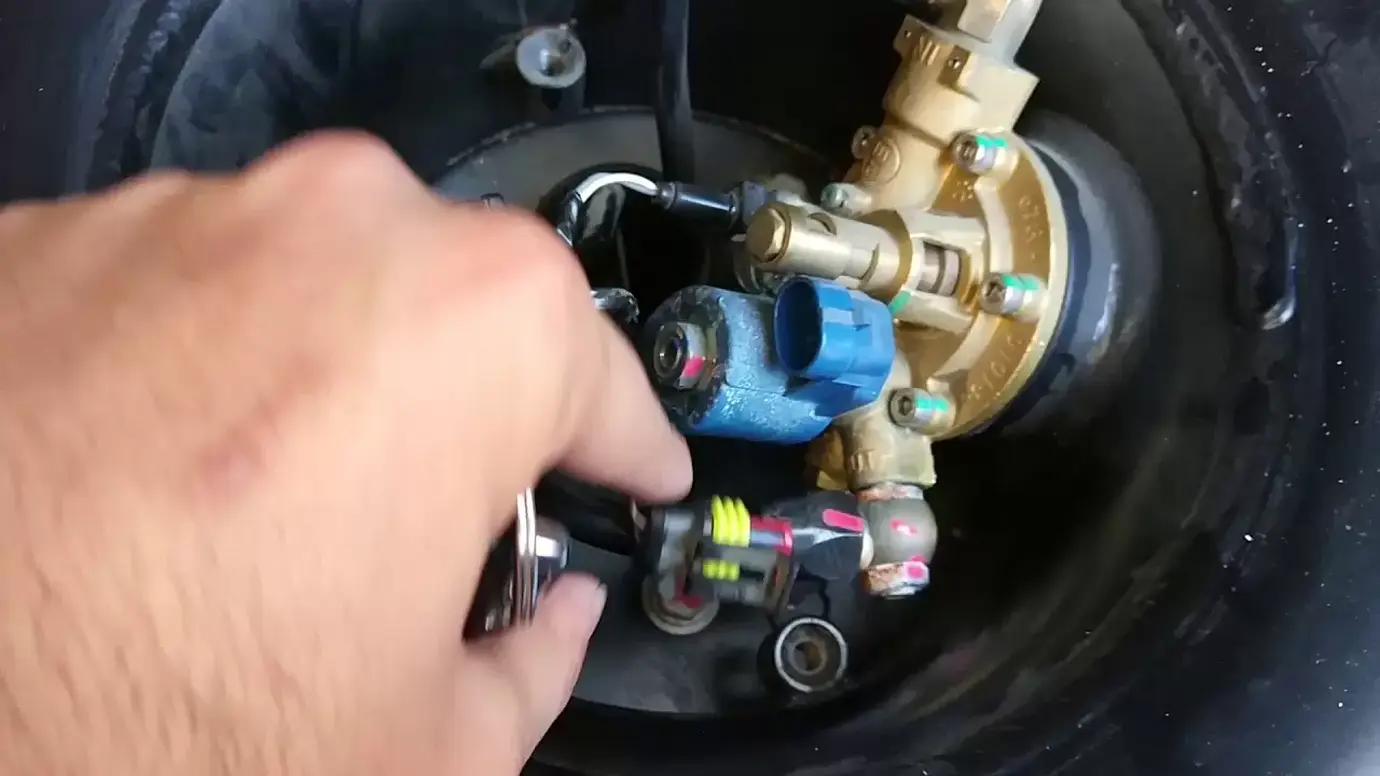
LPG Float Problems: Causes, Symptoms, and Solutions
The LPG float is an important part of an LPG fuel system because it measures the amount of liquid LPG inside the tank and provides this information to the LPG fuel level indicator.
When the LPG float or its level-sensing mechanism develops a fault, the fuel gauge may show an incorrect level, remain permanently full or empty, fail to change as LPG is consumed, or suddenly change between different levels.
However, an incorrect LPG level reading does not always mean that the float itself is mechanically damaged. The float arm, level sensor, potentiometer, magnetic mechanism, wiring, electrical connectors, LPG switch, fuel level indicator, or LPG ECU can also cause similar symptoms.
For this reason, the entire LPG level measurement system should be checked before replacing the float.
What Is an LPG Float?
The LPG float is a fuel-level measuring mechanism located inside the LPG tank, usually as part of or connected to the tank's multivalve assembly.
Its primary purpose is to follow changes in the amount of liquid LPG inside the tank.
As the LPG level changes, the float moves up or down. This mechanical movement is transferred to a level sensor, which converts the float position into an electrical signal.
The signal is then used by the LPG fuel gauge or, depending on the LPG system design, communicated to the LPG ECU.
The driver sees the resulting information through LEDs on the LPG switch, a dedicated LPG fuel gauge, or another display.
How Does an LPG Float Work?
The float follows the level of liquid LPG inside the tank.
When the tank is full, the float is positioned relatively high. As LPG is consumed, the liquid level falls and the float moves downward.
The movement of the float changes the position of the attached sensing mechanism.
Depending on the LPG system, the level sensor may use a variable resistance mechanism, potentiometer, magnetic sensor, or another type of electronic measurement system.
The sensor converts the mechanical position into an electrical signal that represents the approximate amount of LPG remaining.
It is important to understand that LPG fuel gauges are generally not precision measuring instruments. They usually provide an approximate indication rather than an exact measurement in liters.
Therefore, small changes in the LPG gauge do not necessarily indicate a faulty float.
Common Causes of LPG Float Problems
LPG float problems can develop for several different reasons. Some are mechanical, while others are electrical or related to the fuel-level display system.
Float mechanism stuck
The float must move freely inside the tank.
If the float arm becomes stuck, the float may remain in one position even though the LPG level changes.
As a result, the fuel gauge may remain at the same level for a long time.
Bent float arm
The geometry of the float arm is important for accurate fuel-level measurement.
If the arm becomes bent during installation, maintenance, or work on the tank's multivalve assembly, the float may no longer correspond correctly to the actual LPG level.
A bent arm can cause the gauge to show too little or too much fuel.
Faulty LPG level sensor
The float itself may move normally while the level sensor fails to convert that movement into the correct electrical signal.
In this situation, the problem may appear to be a float failure even though the actual fault is in the sensor.
Worn potentiometer
Some LPG level sensors use a potentiometer or variable-resistance element.
Over time, the contact surfaces can wear.
When this happens, the electrical signal may become unstable or disappear at certain float positions.
This can cause the LPG gauge to remain stuck at a particular level or behave intermittently.
Magnetic sensor problem
Some LPG systems use magnetic components to detect float movement.
A damaged magnet, sensor, or related mechanism can result in an incorrect fuel-level signal.
Damaged wiring
The signal from the LPG level sensor must reach the fuel gauge or the relevant control unit.
A broken wire, loose connection, damaged terminal, or poor electrical connection can interrupt the signal.
This can make the LPG gauge appear faulty even though the float and sensor are physically intact.
Corroded connector
Moisture, dirt, or corrosion around the connector can increase electrical resistance or interrupt the signal.
This can result in an unstable or completely incorrect LPG fuel-level reading.
Faulty LPG fuel gauge or switch
The problem may also be located at the other end of the system.
If the LPG switch or fuel-level indicator is faulty, it may display an incorrect level even when the float and sensor are working correctly.
Symptoms of a Faulty LPG Float
A faulty LPG float or level-sensing system can produce several noticeable symptoms.
Common symptoms include:
-
LPG gauge always shows full
-
LPG gauge always shows empty
-
Fuel level does not change as LPG is consumed
-
Gauge remains stuck at one level
-
LPG gauge drops unusually quickly
-
Gauge remains at the same level for a long time
-
Gauge does not show full after refueling
-
Gauge still shows a high level when the LPG tank is nearly empty
-
LPG level LEDs behave abnormally
-
Fuel-level indication suddenly changes
-
Gauge fluctuates excessively during turns or over bumps
One or more of these symptoms may indicate a problem with the LPG float.
However, they should not automatically be interpreted as proof that the float itself is defective.
LPG Gauge Always Shows Full
The LPG gauge showing full immediately after refueling is normal.
The problem occurs when the gauge continues to show full even after the vehicle has consumed a significant amount of LPG.
Possible causes include:
-
Stuck float
-
Bent float arm
-
Faulty level sensor
-
Damaged signal wire
-
Poor electrical connection
-
Faulty LPG switch
-
LPG ECU or gauge problem
The actual LPG level and the electrical signal from the level sensor should be checked before replacing components.
LPG Gauge Always Shows Empty
If there is LPG in the tank but the gauge continuously shows empty, the float and level-sensing system should be inspected.
The float may be stuck in the lower position.
However, a faulty sensor, broken wiring, corroded connector, or defective LPG indicator can produce exactly the same symptom.
If the tank has just been refilled and the gauge still shows empty, both the electrical circuit and the level sensor should be checked.
LPG Float Gets Stuck
A float that becomes stuck at a specific position is one of the common problems in LPG fuel-level systems.
For example, the gauge may show full after refueling but remain full even after hundreds of kilometers.
Later, it may suddenly drop to a lower level.
This can happen when the float arm is rubbing against another component or when the mechanism cannot move freely.
A worn sensing element can also produce incorrect readings at specific float positions.
Why Is the LPG Float Not Measuring Correctly?
Several factors can affect LPG fuel-level accuracy.
The physical shape of the tank is one of them.
LPG tanks are available in different designs and dimensions. The movement range and installation position of the float must therefore match the tank.
The calibration of the fuel-level indicator is also important.
The movement of the float does not necessarily correspond to a perfectly linear change on the LPG gauge.
For example, the gauge may drop quickly during the first part of the tank and remain at one level for a longer period afterward.
This does not automatically mean that the float is faulty.
However, if the gauge consistently gives unrealistic readings or remains permanently stuck, the level measurement system should be inspected.
Does a Faulty LPG Float Cause the LPG to Run Out?
A faulty float normally does not prevent LPG from reaching the engine.
The main purpose of the float is to measure the fuel level rather than control the actual LPG supply to the engine.
Therefore, a vehicle can often continue running normally on LPG even when the float is defective.
The problem is that the driver may no longer know how much LPG is actually left in the tank.
This can result in the vehicle unexpectedly running out of LPG.
For this reason, a faulty float may not directly affect engine operation, but it can still be an important practical problem.
Can an LPG Float Cause a Gas Leak?
A problem with the float's level-measuring mechanism does not automatically mean that there is an LPG leak.
However, the float is generally associated with the LPG tank and its multivalve assembly, so any work around this area must be performed carefully.
Incorrect installation, physical damage, or a sealing problem involving the tank or multivalve assembly can potentially create a gas leak.
If you smell LPG around the vehicle, do not simply assume that it is a float problem.
The vehicle should be inspected for a possible leak by a qualified LPG technician.
Avoid flames, sparks, and other ignition sources when an LPG leak is suspected.
How Is an LPG Float Problem Diagnosed?
Correct diagnosis requires more than simply looking at the fuel-level LEDs.
The electrical circuit should first be inspected.
Depending on the LPG system, diagnostic checks may include:
-
Inspecting the float connector
-
Checking wiring continuity
-
Inspecting terminals for corrosion
-
Measuring the level sensor signal
-
Checking float movement
-
Testing the LPG fuel gauge
-
Checking the LPG switch
-
Reading LPG ECU information
-
Comparing the sensor signal with the displayed fuel level
Some LPG level sensors have a specified resistance range that changes according to float position.
The exact values depend on the sensor and LPG system manufacturer.
For this reason, resistance specifications from another LPG system should not be used as a reference.
Can an LPG Float Be Tested with a Multimeter?
Yes. On systems that use a variable-resistance level sensor, a multimeter can be useful for checking the electrical behavior of the sensor.
The resistance should normally change as the float moves.
If the resistance remains unchanged, becomes intermittent, or suddenly goes open circuit at a particular position, the sensor or its electrical connection may be faulty.
However, the test procedure and expected values vary between LPG systems.
A multimeter test should therefore be performed according to the manufacturer's specifications.
Electrical measurements alone may also not identify a mechanical problem, such as an incorrectly positioned or bent float arm.
How Is an LPG Float Replaced?
Replacing an LPG float is not the same as replacing a conventional fuel-level sensor.
The float is located inside the LPG tank and is normally associated with the multivalve assembly.
Because the tank contains pressurized LPG, removing components from the tank requires appropriate safety procedures and equipment.
The LPG tank should not be opened or the multivalve removed by an inexperienced person.
Float replacement and related tank work should be carried out by a qualified LPG technician who understands LPG tank safety, depressurization procedures, component compatibility, and leak testing.
After installation, the system must be checked for proper operation and gas tightness.
Why Does the Gauge Still Show the Wrong Level After Replacing the Float?
If the LPG gauge remains inaccurate after a new float has been installed, the new float may not necessarily be the problem.
Several factors should be checked.
The replacement float and level sensor must be compatible with the LPG tank and the existing fuel-level indicator.
The sensor's electrical characteristics must also match the LPG system.
If the wrong type of level sensor is installed, the float may physically fit the tank but still provide incorrect information to the gauge.
Calibration may also be required depending on the LPG system.
Does an LPG Float Replacement Require Calibration?
Some LPG systems allow the fuel-level indication to be calibrated.
The exact calibration procedure varies between manufacturers.
On some systems, adjustment can be performed through the LPG switch or control software.
Other systems may require an LPG diagnostic interface and dedicated software.
If the fuel gauge remains inaccurate after float replacement, the system should be checked according to the manufacturer's calibration procedure.
LPG Float Problems and LPG Consumption
The LPG float normally has no direct effect on how much LPG the engine consumes.
Its main function is to measure the amount of fuel remaining in the tank.
However, an inaccurate float can make fuel consumption appear abnormal because the driver is relying on an incorrect gauge.
For example, the gauge may remain near full for a long time and then suddenly drop.
This does not necessarily mean that LPG consumption suddenly increased.
For more reliable consumption tracking, calculate LPG consumption based on the amount of LPG refueled and the distance driven rather than relying solely on the fuel-level LEDs.
How Can LPG Float Problems Be Prevented?
A float is a mechanical and electrical measuring mechanism, so complete prevention of failure is not always possible.
However, unnecessary work around the LPG tank and multivalve should be avoided.
During LPG system maintenance, the float mechanism should not be bent, damaged, or incorrectly positioned.
Electrical connectors and wiring should also be protected from moisture, excessive heat, vibration, and physical damage.
When work is performed on the LPG tank or multivalve assembly, the fuel-level mechanism should be handled carefully.
Can You Drive with a Faulty LPG Float?
If the problem is limited to the fuel-level measurement system, the vehicle can usually continue running on LPG.
The main disadvantage is that the fuel gauge can no longer be trusted.
The driver may therefore not know when the LPG tank is actually close to empty.
If the float problem is accompanied by an LPG smell, suspected gas leakage, physical damage around the tank, or a problem with the multivalve assembly, the situation is different.
The vehicle should be inspected as soon as possible by a qualified LPG technician.
Final Thoughts on LPG Float Problems
The LPG float is an important part of the fuel-level measurement system. It allows the driver to estimate how much LPG remains inside the tank.
When the float or its associated sensor fails, the LPG gauge may remain full, remain empty, become stuck at a particular level, fluctuate unexpectedly, or provide generally inaccurate information.
However, an incorrect LPG fuel-level reading does not automatically mean that the float itself is defective.
The float arm, level sensor, potentiometer, magnetic mechanism, wiring, connectors, LPG switch, fuel gauge, and LPG ECU can all contribute to similar symptoms.
For this reason, the entire fuel-level circuit should be diagnosed before replacing the float.
Because the LPG float is installed inside or around the LPG tank and multivalve assembly, replacement and tank-related work should be performed by a qualified LPG technician using the appropriate safety procedures.
Accurate diagnosis not only prevents unnecessary parts replacement but also ensures that the LPG system remains safe and reliable.